Retno Hari Mulyono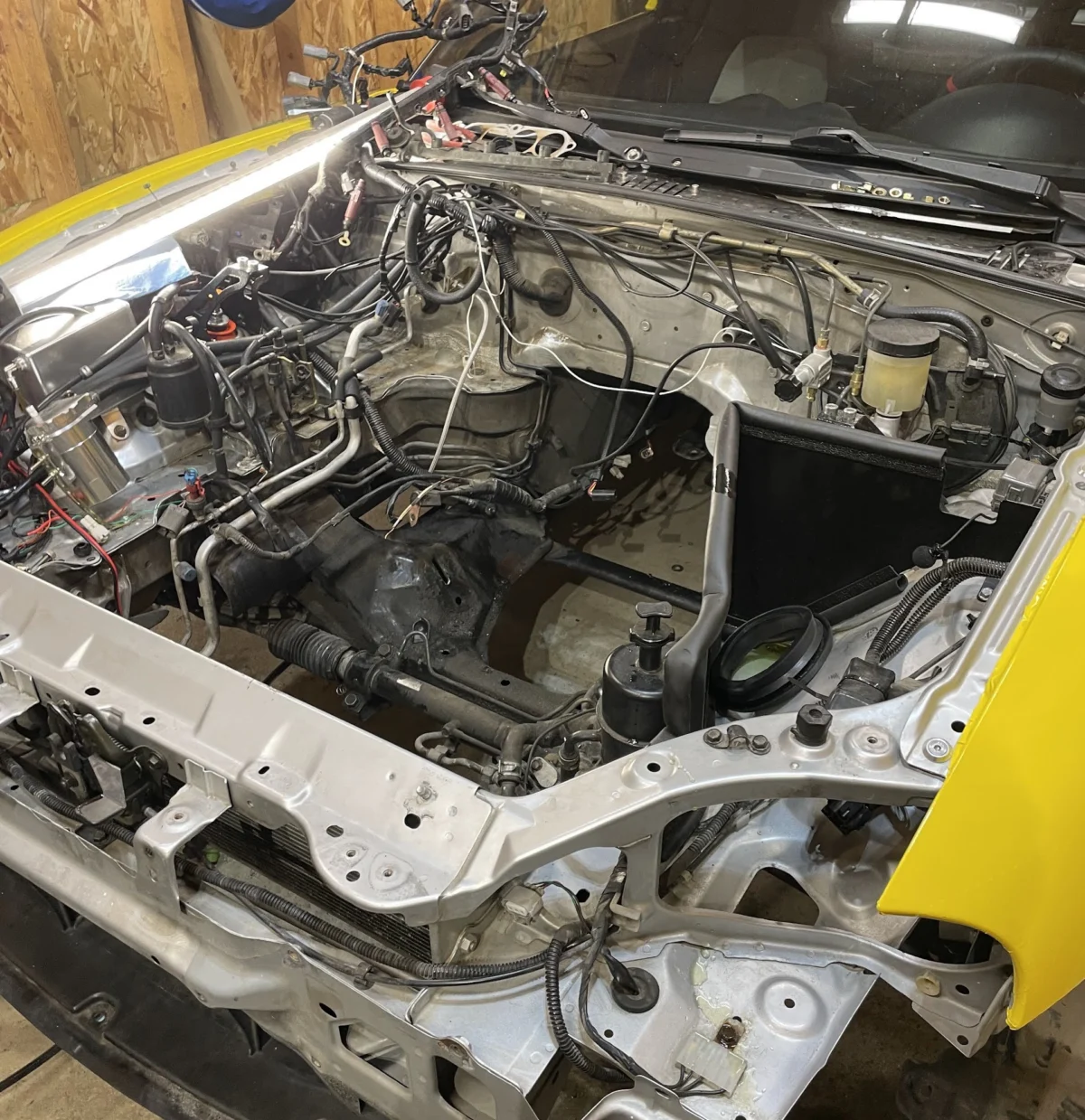
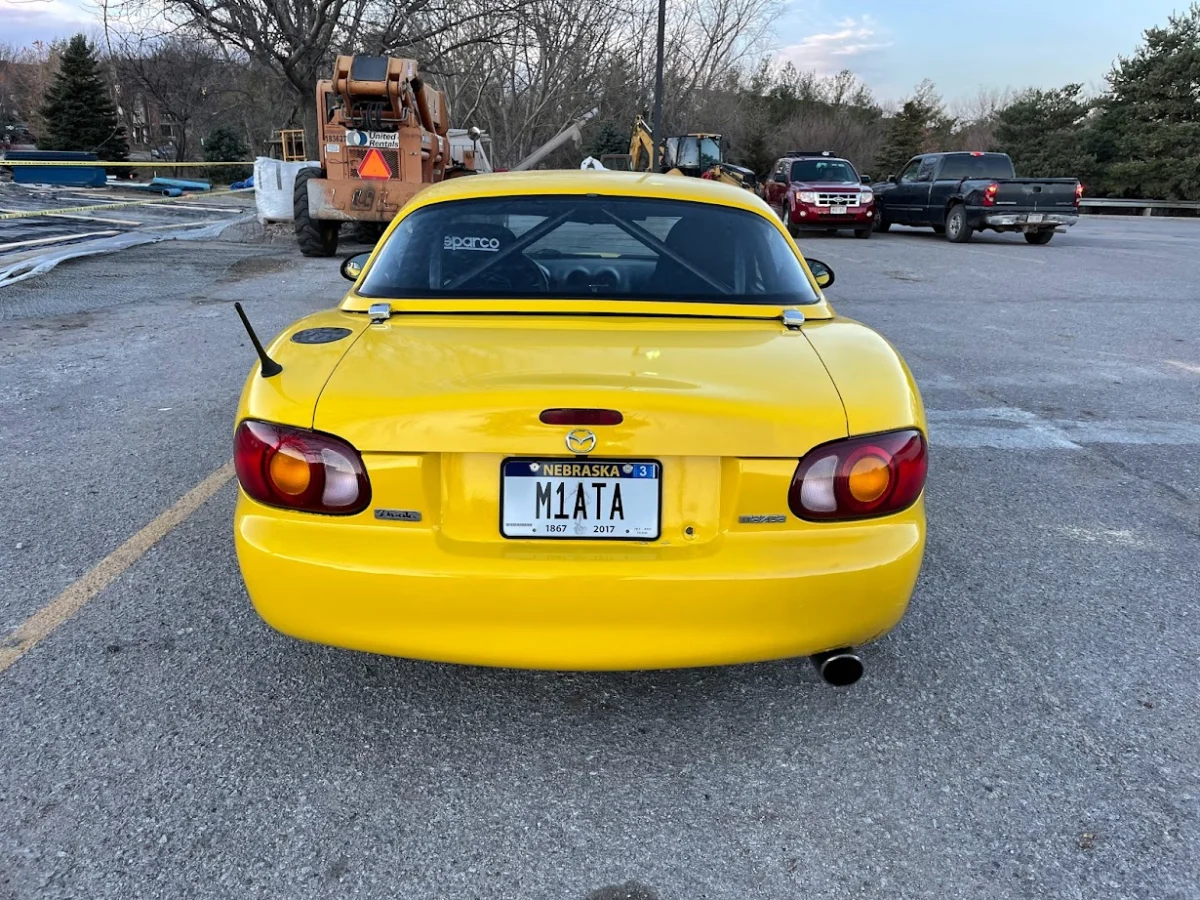
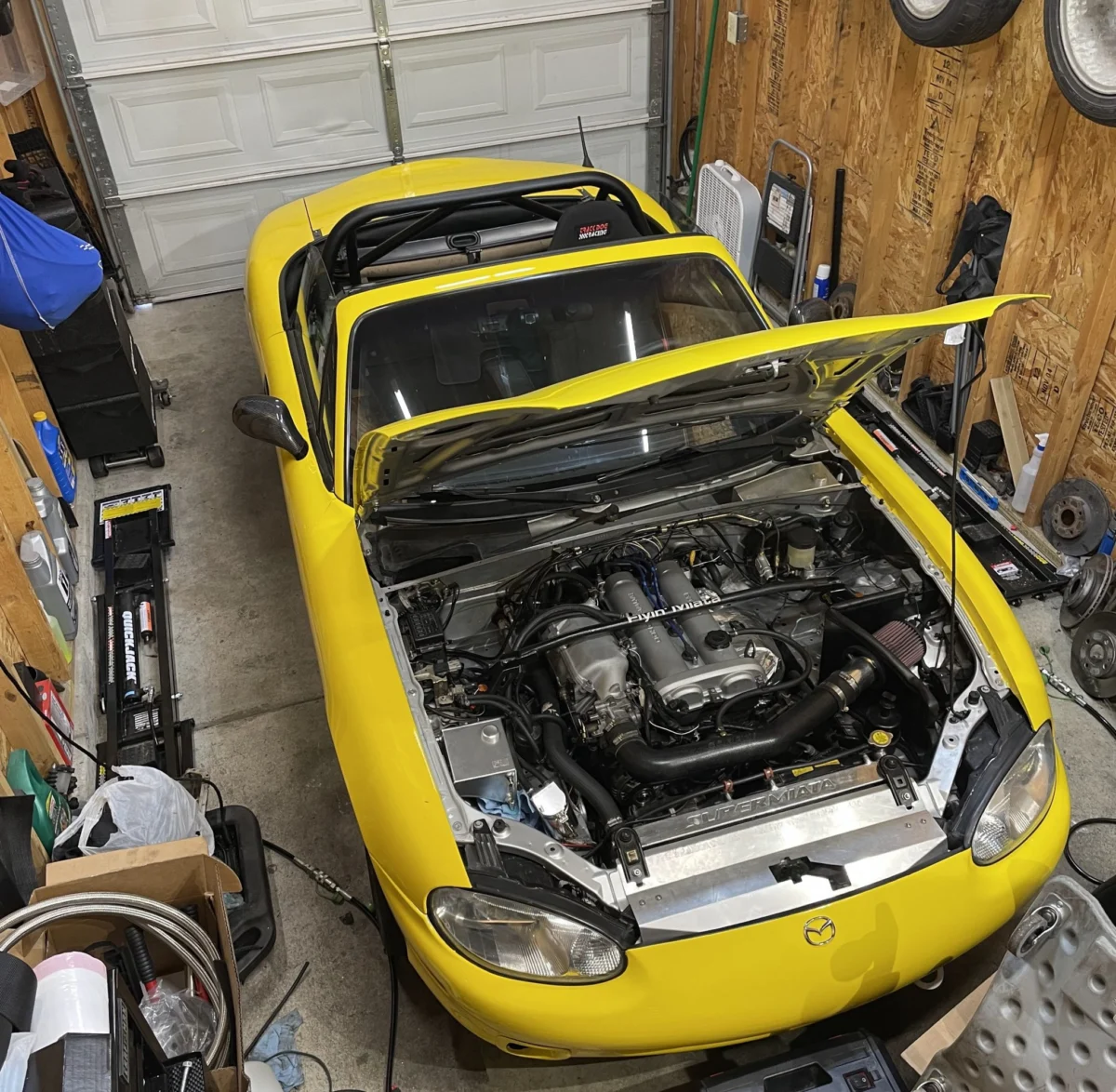
The second-generation Mazda MX-5, known internally as the NB, remains a cornerstone of the global enthusiast and amateur racing communities. While the vehicle is celebrated for its balanced chassis and mechanical simplicity, aging examples often require significant intervention to maintain peak performance and reliability. A recent comprehensive overhaul of a 2000 model-year NB Miata highlights the technical complexities and strategic advantages of a full engine extraction to address a convergence of maintenance and performance requirements. By pulling the 1.8-liter BP-4W engine, a series of critical repairs and upgrades were performed, ranging from leak mitigation and drivetrain enhancement to thermal management optimization.
Technical Context: The Mazda BP Engine Legacy
The Mazda B-series engine, specifically the BP variant found in the 1999–2005 Miata, is a four-cylinder, dual-overhead-cam powerplant that has earned a reputation for durability. However, the engine’s lineage as a transverse-mounted unit for front-wheel-drive applications has left it with several inherent design quirks when adapted for the longitudinal, rear-wheel-drive configuration of the MX-5. These include compromised cooling flow to the rear cylinders and accessibility issues regarding the rear main seal and transmission interface.
For owners of the NB generation, which debuted with the BP-4W head featuring solid lifters and the Variable Inertia Charging System (VICS), maintenance often becomes a "while-you-are-in-there" endeavor. The labor-intensive nature of reaching the rear of the engine block often justifies a complete engine removal when multiple minor issues—such as oil leaks, clutch wear, and cooling inefficiencies—occur simultaneously.
The Extraction Process and Methodology
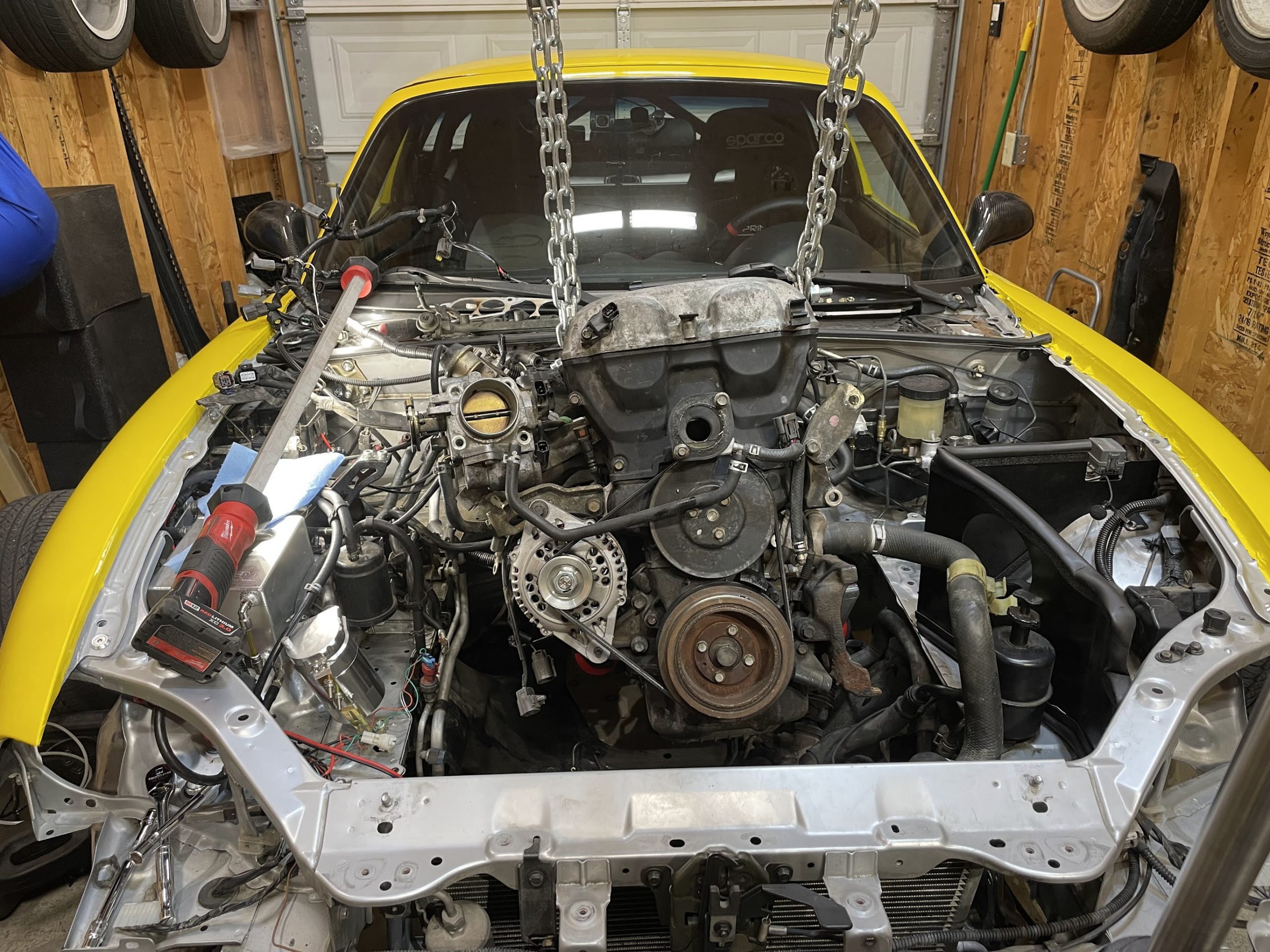
The removal of the NB Miata engine is considered a manageable task for experienced mechanics, provided the appropriate equipment, such as a heavy-duty engine hoist, is utilized. In this specific overhaul, the technician elected to remove the engine and transmission as a single integrated assembly through the top of the engine bay. This method, while requiring more clearance, simplifies the disconnection of the bellhousing bolts and allows for more precise alignment during the reinstallation phase.
During the extraction, all electrical harnesses, fuel lines, and cooling hoses were documented and disconnected. The primary challenge in this phase involves the engine mounts, which must be carefully guided out of their subframe slots. For the reinstallation, the engine must be tilted at an acute angle to clear the radiator support while the transmission tail-shaft is guided into the transmission tunnel. Proper alignment of the engine mounts is the final hurdle, often requiring minor adjustments to the hoist height and vehicle angle to ensure the studs slide into their mounting points without binding.
Mitigating Chronic Lubrication Leaks
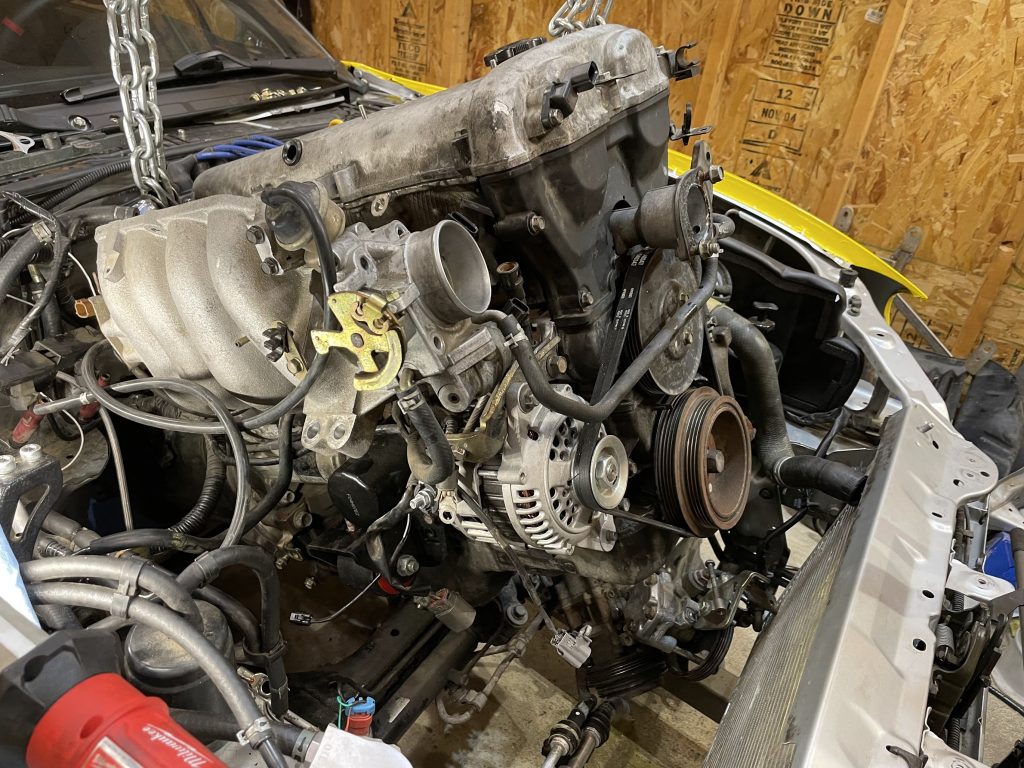
A primary driver for this overhaul was a significant leak from the rear main seal, a common failure point on high-mileage BP engines. The Miata community frequently draws parallels between the Mazda BP engine and classic British roadsters due to the engine’s tendency to develop leaks at multiple gaskets and seals over time. To ensure a comprehensive seal, the project addressed several key areas:
- Rear Main Seal: Utilizing specialized tools, such as the Flyin’ Miata rear main seal installer, the technician replaced the crank seal. This tool is critical because it ensures the seal is driven to the precise depth required to prevent premature failure.
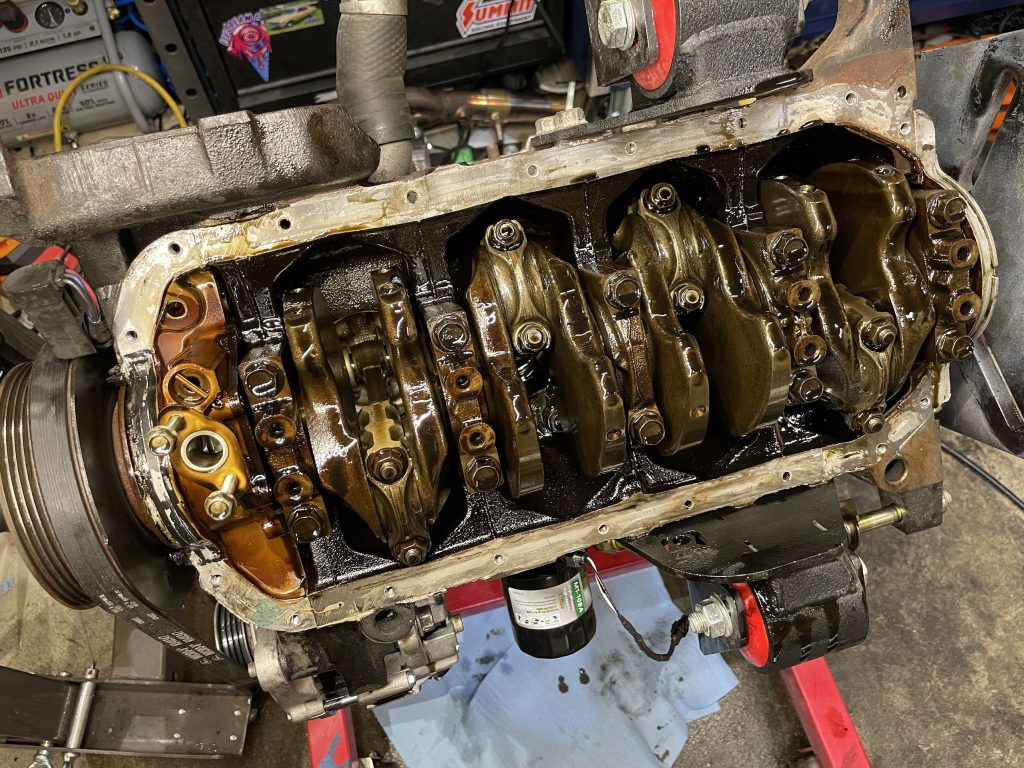
- Oil Pan Integrity: The original oil pan had suffered from stripped drain plug threads, a common issue resulting from over-torquing during routine maintenance. A replacement pan was sourced; however, the removal process revealed the fragility of the oil baffle plate. This plate, sandwiched between the block and the pan with Room Temperature Vulcanizing (RTV) silicone, requires delicate separation to avoid deformation.
- Transmission Seals: With the transmission removed, the input and output shaft seals were replaced as a preventative measure. Observation of the output shaft revealed a minor existing leak, validating the decision to perform the work while the assembly was out of the car.
Despite these efforts, the technician noted a hairline crack in the replacement oil pan flange post-installation. This resulted in a minor "weeping" of oil during engine operation. While temporary repairs were made using high-strength epoxy, the incident underscores the vulnerability of cast aluminum components during the assembly and installation process.
Drivetrain Enhancements: Kinetic and Frictional Upgrades
With the engine separated from the transmission, the opportunity to upgrade the drivetrain was realized. The factory clutch and flywheel, likely original to the 2000-model vehicle, were replaced with components designed to handle increased torque and improve engine response.
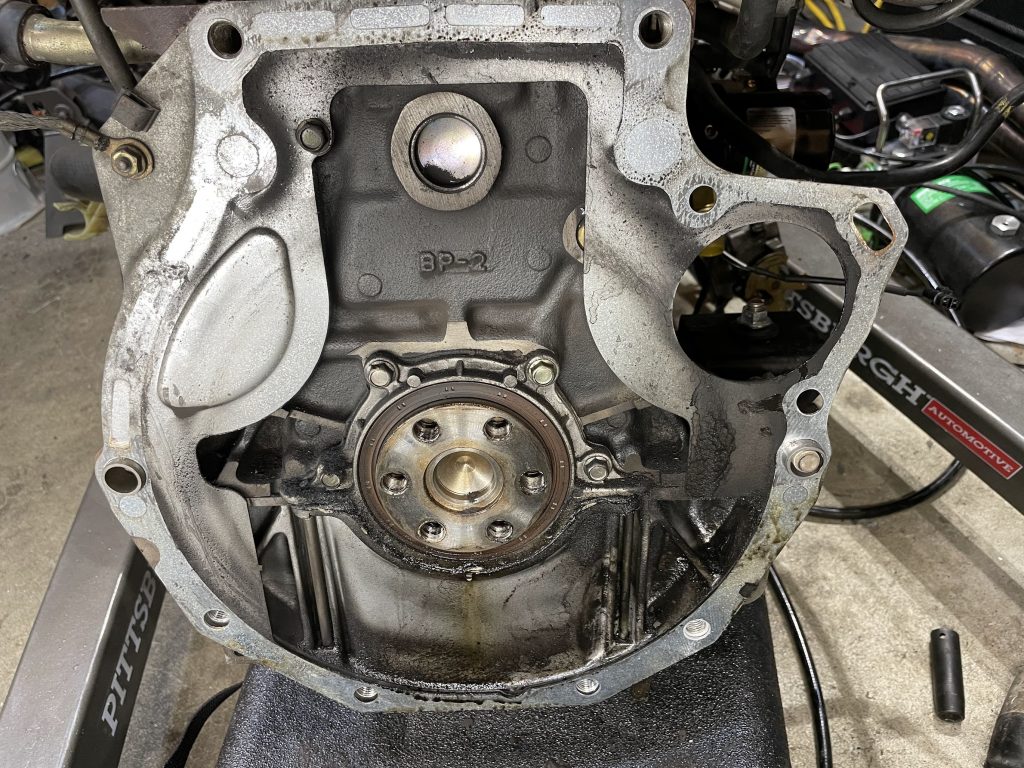
The selection of a Supermiata Sport Clutch—an organic-disc kit—was based on the need for street-friendly modulation and the capacity to handle future power additions, such as turbocharging or supercharging. This clutch is rated to exceed the torque capacity of the standard five-speed manual transmission, providing a significant safety margin.
Complementing the clutch was a 9-pound lightweight aluminum flywheel. The reduction in rotational mass allows the engine to accelerate and decelerate more rapidly, which is particularly beneficial for rev-matching on downshifts during spirited or track driving. While lightweight flywheels can occasionally lead to "idle droop" or increased NVH (noise, vibration, and harshness), the 9-pound unit is widely regarded as an optimal balance for the NB platform.
Thermal Management and the Coolant Reroute
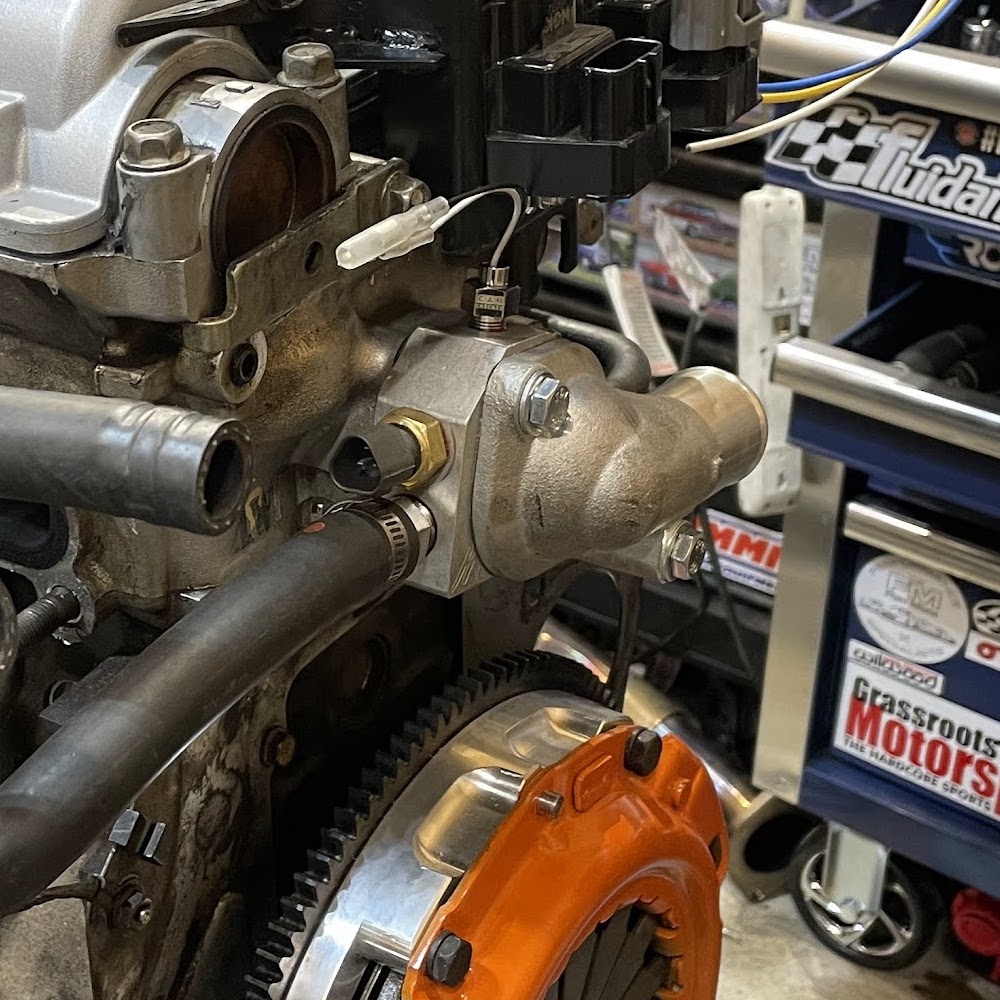
Perhaps the most significant performance-oriented modification was the installation of a Hawley Performance coolant reroute kit. As previously noted, the BP engine was originally designed for transverse mounting. In the stock Miata configuration, the coolant enters the front of the block and exits the front of the head. This "short-circuits" the cooling system, leaving the rear cylinders (specifically cylinder number four) to run significantly hotter than the front.
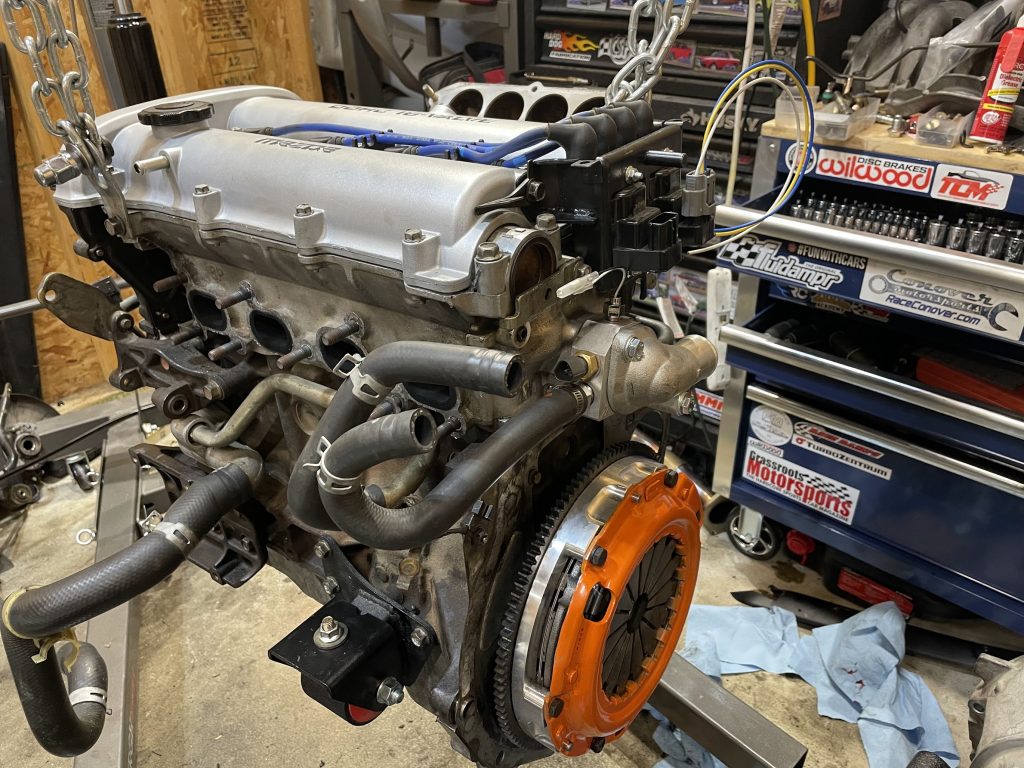
A coolant reroute kit moves the thermostat housing to the back of the cylinder head, forcing the coolant to flow through the entire length of the engine block and head before exiting to the radiator. This modification is essential for vehicles used in high-load environments, such as track days, to prevent localized overheating and uneven cylinder expansion.
The technician opted for the Hawley Performance kit due to its cost-effectiveness and use of standardized components. However, the installation process highlighted the limited clearance between the engine and the firewall, a reality that justifies why Mazda did not implement this design originally for ease of service. Post-installation data indicated lower overall coolant and oil temperatures, though the system proved more difficult to "burp" or bleed of air, requiring an elevated spill-proof funnel to ensure all air pockets were removed from the rear of the head.
Induction System and Aesthetic Refinement
The final phase of the overhaul involved the induction system. The North American 2000 Miata was equipped with the VICS intake manifold, which uses butterfly valves to vary the effective runner length. While effective, the enthusiast community often favors the "Flat-top" intake manifold found in European (EUDM) and Japanese (JDM) markets.
The Flat-top manifold lacks the complex butterfly valves of the VICS system, offering a more streamlined internal architecture that improves high-RPM airflow. By installing this manifold, the technician simplified the engine’s vacuum routing and eliminated the need for the standalone ECU to manage the VICS switchover point. To round out the project, the intake manifold and valve cover were stripped and refinished in a classic aluminum-colored paint, mimicking the factory finish while providing a refreshed, "new-old-stock" appearance.
Chronology of the Overhaul Project
- Phase 1: Preparation and Extraction: Disconnection of ancillaries and removal of the engine-transmission unit as a single assembly.
- Phase 2: Teardown and Sealing: Removal of the clutch, flywheel, and oil pan. Replacement of the rear main seal and transmission seals.
- Phase 3: Component Upgrades: Installation of the 9lb flywheel, Supermiata clutch, and the Hawley Performance coolant reroute.
- Phase 4: Induction and Reassembly: Installation of the EUDM Flat-top manifold and refinished valve cover.
- Phase 5: Reinstallation and Testing: Mating the engine back to the chassis, fluid filling, and initial heat cycles.
- Phase 6: Post-Operational Analysis: A 500-mile test period revealed a recurring minor leak, prompting the decision to source a secondary BP-4W engine for a future high-tolerance rebuild.
Broader Implications and Industry Analysis
This project serves as a case study in the lifecycle management of modern classic sports cars. The recurring leak observed after 500 miles highlights a critical reality in DIY automotive repair: even with specialized tools and comprehensive planning, the age of the castings and the complexity of the seals can lead to persistent issues.
The decision to source a replacement engine from a specialized importer, such as Prestige Spares in the United Kingdom, reflects a growing trend among Miata enthusiasts to seek out specific regional variants (like the BP-4W) to ensure the longevity of their builds. As the market value for clean NB Miatas continues to rise, these deep-mechanical interventions are becoming less of a hobbyist luxury and more of a necessary investment in asset preservation.
Furthermore, the reliance on aftermarket engineering firms like Supermiata and Flyin’ Miata demonstrates the vital role the secondary market plays in correcting original OEM design compromises. By addressing the cooling and oiling deficiencies of the BP engine, owners are able to extend the competitive and operational life of the platform well beyond its original design parameters. For the NB Miata, the "engine pull" is not merely a repair—it is an essential rite of passage for those seeking to maintain the "Jinba Ittai" (horse and rider as one) philosophy in the modern era.