Retno Hari Mulyono
The Mazda MX-5 Miata, specifically the second-generation NB model produced between 1998 and 2005, remains a cornerstone of the enthusiast automotive community due to its balanced chassis and mechanical simplicity. However, as these vehicles transition from affordable used cars to sought-after modern classics, owners are increasingly identifying a critical deficiency in the factory equipment: the lack of accurate, real-time engine telemetry. While the NB Miata’s cockpit is celebrated for its driver-centric ergonomics, the factory gauge cluster employs "buffered" or "dummy" gauges that prioritize aesthetic stability over technical precision. To rectify these shortcomings, a growing segment of the aftermarket community is moving away from traditional analog modifications toward integrated digital solutions, such as the CANchecked MFA 2.0 multifunction display, complemented by high-end aesthetic overhauls from specialized manufacturers like RevLimiter.
The Technical Limitations of Factory NB Miata Instrumentation
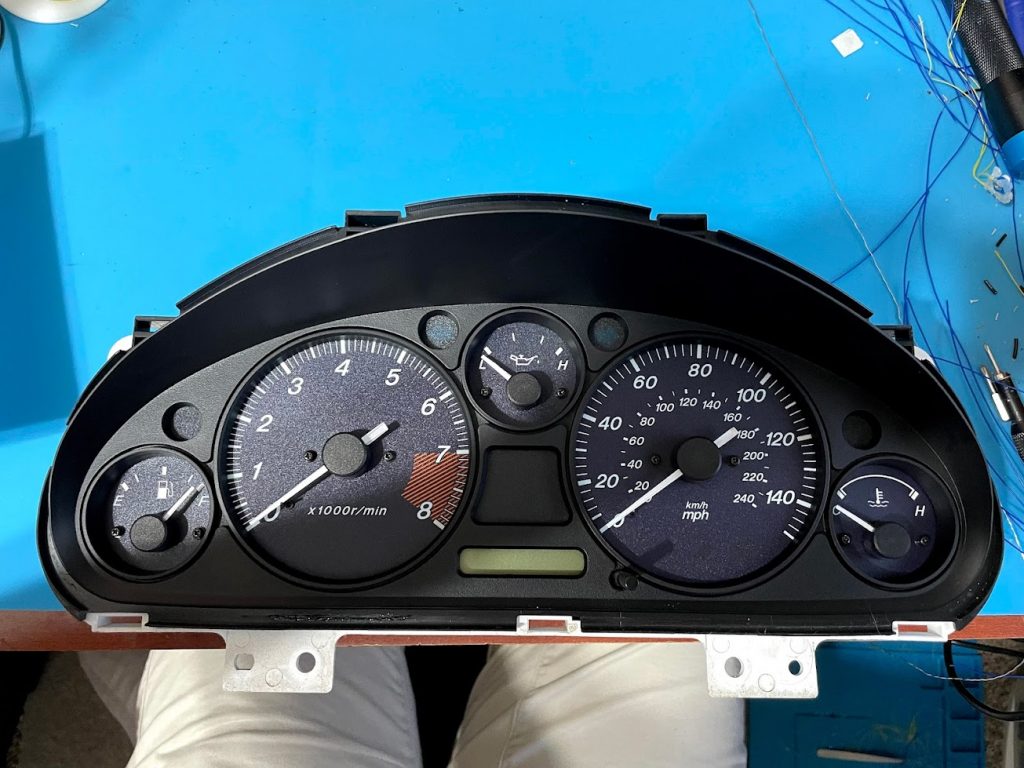
To understand the necessity of modern gauge upgrades, one must analyze the mechanical reality of the stock NB instrumentation. In the factory configuration, the gauge cluster features a fuel level indicator, a coolant temperature gauge, an oil pressure gauge, a tachometer, and a speedometer. While the layout is intuitive, the functional utility of the secondary gauges is statistically insignificant for high-performance driving or mechanical monitoring.
The factory oil pressure gauge in the NB Miata functions as little more than a binary indicator. Unlike the early "NA6" (1989–1993) Miatas, which utilized a linear pressure sender, the NB uses a pressure switch. Once the engine reaches a minimum threshold of approximately 7 PSI, the needle moves to a fixed middle position and remains stationary regardless of actual pressure fluctuations. Consequently, the driver cannot detect dangerous drops in pressure at high RPM or spikes that might indicate a blockage until the pressure falls below the activation threshold, at which point engine damage may already be imminent.
Similarly, the factory coolant temperature gauge is heavily damped. It is designed to remain at a dead-center "normal" position across a wide thermal window—typically between 165°F and 210°F. By the time the needle begins to climb toward the "hot" zone, the engine has often already reached a critical overheat state. For enthusiasts engaging in autocross or track days, this lack of granular data represents a significant risk to the longevity of the BP-series engine.
The Shift from A-Pillar Pods to Integrated Solutions
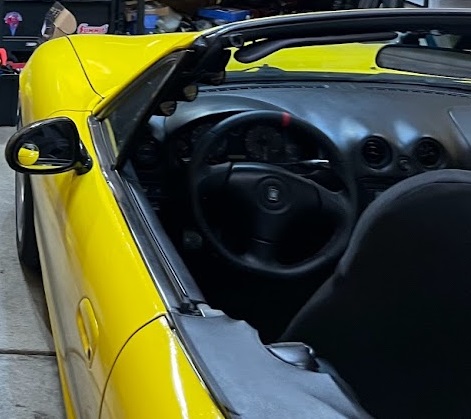
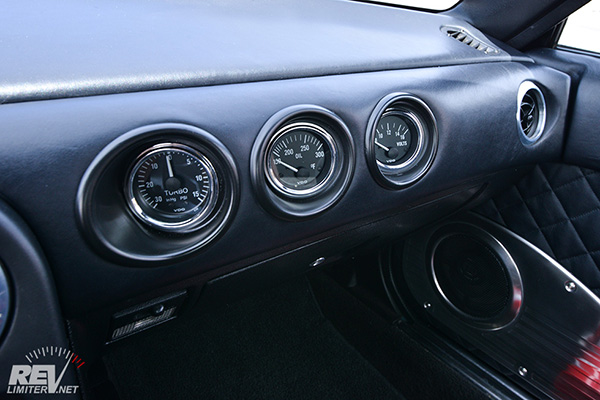
Historically, the solution for Miata owners was the installation of external gauge pods, typically mounted on the driver-side A-pillar. While this provides the necessary data, it introduces several compromises in a vehicle as compact as the MX-5. The A-pillar in the NB Miata is relatively slim; adding a triple-gauge pod significantly increases the forward-left blind spot. In tight cornering scenarios, such as those found in competitive autocross, this obstruction can hinder a driver’s ability to clip apexes accurately.
Furthermore, the "pod" approach often results in a cluttered interior aesthetic. The wiring required for multiple standalone gauges—including power, ground, illumination, and individual sensor leads—creates a complex loom that must be routed through the dashboard and up the pillar. This often leads to fitment issues where the aftermarket plastic does not perfectly align with the OEM trim. These ergonomic and aesthetic drawbacks have fueled the demand for "stealth" or integrated digital displays that occupy the space of factory components while providing vastly superior data density.
Technical Specifications of the CANchecked MFA 2.0
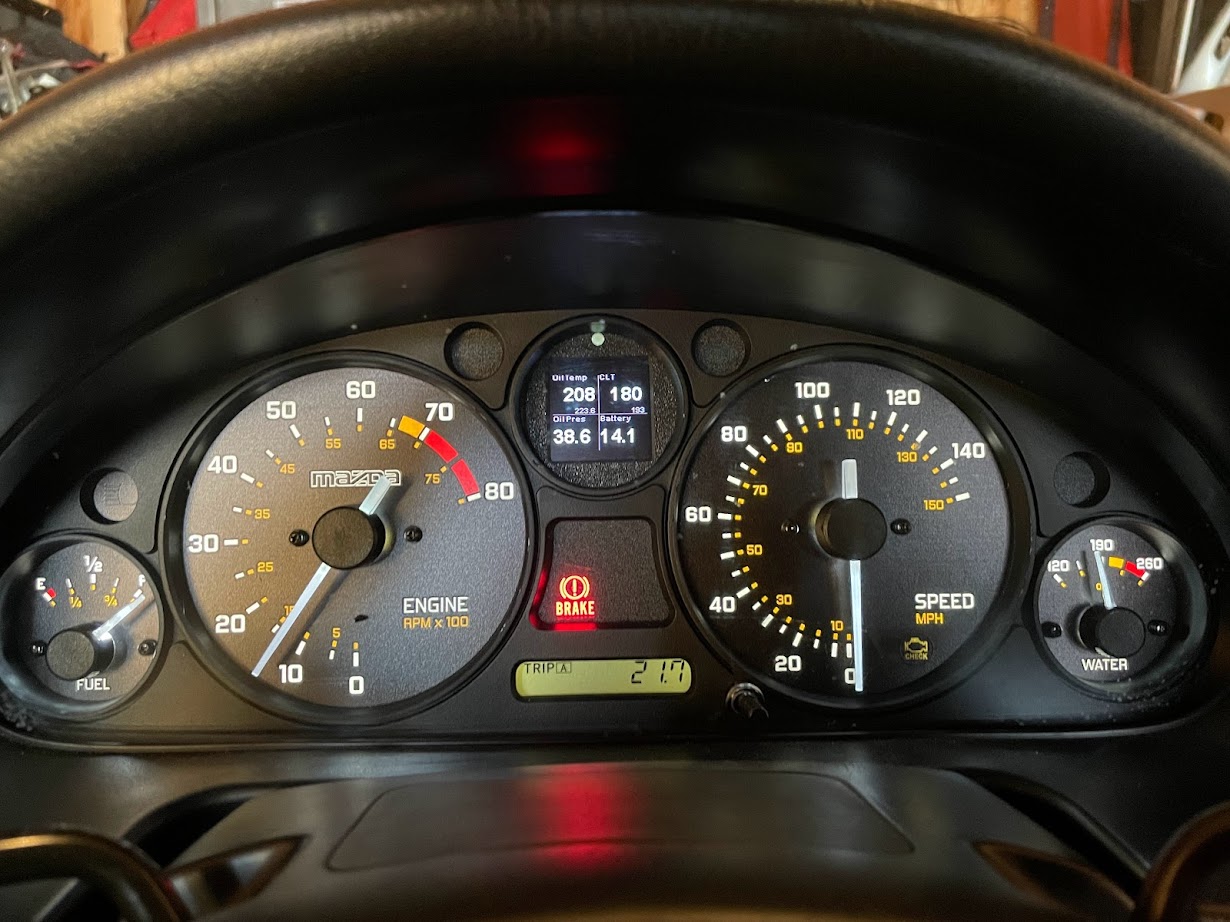
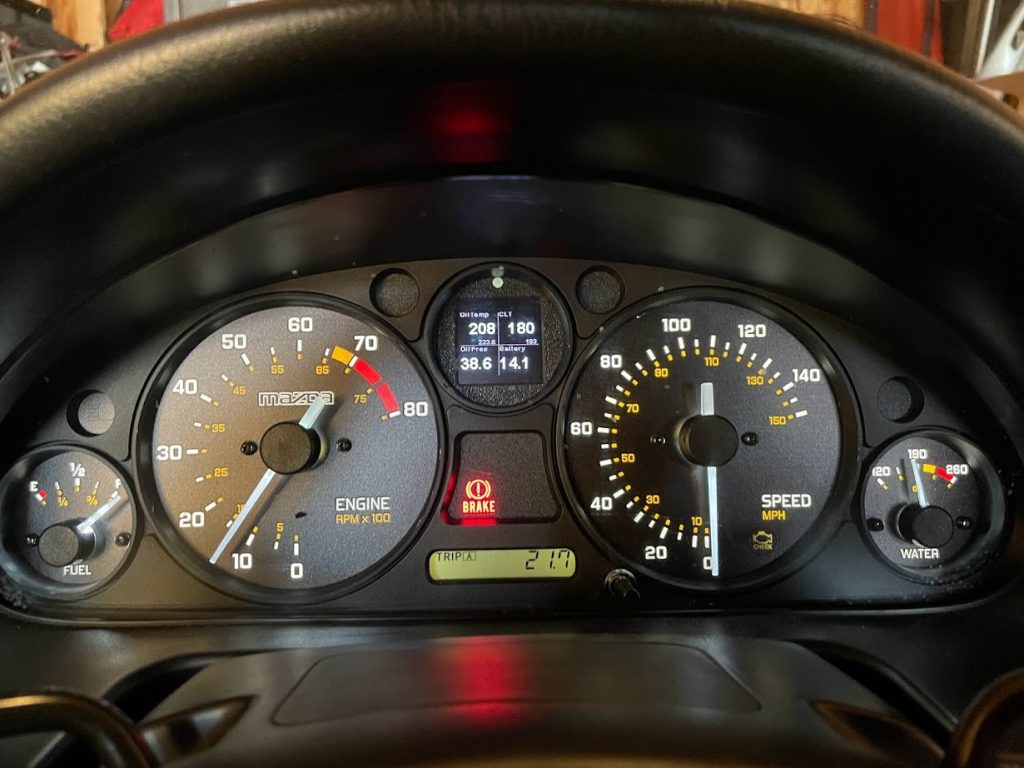
The CANchecked MFA 2.0 has emerged as a premier solution for the MX-5 platform, specifically designed to replace the largely useless factory oil pressure gauge within the main cluster. This device is a small, high-resolution LCD or OLED display that integrates directly into the instrument housing, maintaining the vehicle’s original lines while providing a window into the engine’s internal health.
The MFA 2.0 operates primarily via the Controller Area Network (CAN) bus protocol. Because the stock NB Miata ECU does not natively output CAN data in a format accessible to modern displays, this upgrade is typically paired with a standalone Engine Management System (EMS), such as a Megasquirt MS3 or Haltech. By tapping into the CAN-High and CAN-Low outputs of the ECU, the display can cycle through dozens of parameters, including:
- Manifold Absolute Pressure (Vacuum/Boost)
- Intake Air Temperature (IAT)
- Ethanol Content (if equipped with a flex-fuel sensor)
- Ignition Timing and Knock Retard
- Battery Voltage and Alternator Output
- Individual Cylinder Trims
For users without a CAN-capable ECU, or for those wishing to monitor parameters not tracked by the engine computer, the unit features four dedicated analog inputs. These allow for the direct connection of 0-5V sensors for oil temperature, oil pressure, and fuel pressure. The ability to display up to six parameters simultaneously on a single screen allows the driver to consolidate an entire A-pillar’s worth of gauges into a single, factory-look location.
Aesthetic Refinement through RevLimiter Customization
While the CANchecked unit addresses the functional requirements of the dash, many owners find that the digital screen creates a visual mismatch with the aging 1990s-style plastic of the surrounding gauges. This has led to the widespread adoption of RevLimiter custom gauge faces. Produced by a specialized workshop in the United States, these faces are engineered to meet or exceed Original Equipment Manufacturer (OEM) standards, utilizing high-grade polycarbonate and advanced screen-printing techniques.
The "JNC" (Japanese Nostalgic Car) design is a frequent choice for NB owners seeking a "restomod" appearance. This design draws inspiration from classic 1960s and 70s Japanese sports cars, featuring minimalist numbering and clean, high-contrast markings. Beyond the visual upgrade, these kits often include LED conversion bulbs. The factory NB cluster uses incandescent bulbs with green "condoms" or filters, which produce a dim, uneven glow. Modern LED replacements, when paired with RevLimiter’s superior light-diffusion layers, provide a crisp, modern illumination that improves night-time legibility without appearing overly aftermarket.
Installation Chronology and Market Trends
The process of modernizing a Miata cluster typically follows a specific chronology:
- Deconstruction: The instrument cluster is removed, and the clear lens and hood are detached.
- Modification: The factory oil pressure gauge is unbolted and removed. The CANchecked unit is then secured in its place using 3D-printed brackets or factory mounting points.
- Resurfacing: The factory needles are carefully pulled (a delicate process requiring precise recalibration upon reassembly), and the stock faces are replaced with the RevLimiter polycarbonate sheets.
- Integration: The cluster is reinstalled, and the CAN bus wiring is bridged to the ECU or the auxiliary sensor harness.
This trend reflects a broader shift in the "tuner" market toward high-quality, integrated electronics. As the average value of a clean NB Miata continues to rise, owners are less willing to perform "hack" jobs on the interior. The market for Miata-specific interior components has seen a 15-20% growth in the premium segment over the last three years, as enthusiasts prioritize "OEM-plus" modifications that enhance the driving experience without detracting from the car’s resale value or classic appeal.
Future Implications: Telemetry and Data Logging
The integration of digital displays like the CANchecked MFA 2.0 is often the first step toward a fully data-driven driving style. Automotive analysts note that the democratization of high-end telemetry—once reserved for professional racing teams—is changing how hobbyists approach track days.
The next logical progression for many Miata owners is the installation of dedicated data loggers, such as the RaceCapture Pro. These systems complement the CANchecked display by recording high-frequency GPS data (25Hz or higher), 6-axis accelerometer inputs, and pedal positions. When combined with the engine data surfaced by the CANchecked unit, drivers can perform deep-dive analytics to determine exactly where time is being lost on a circuit. For instance, by overlaying brake pressure data with oil temperature spikes, a driver can diagnose if a specific cornering G-load is causing oil starvation or if the cooling system is struggling under heavy braking zones.
Conclusion
The transition from the NB Miata’s rudimentary stock gauges to a sophisticated combination of CANchecked digital displays and RevLimiter aesthetic faces represents a significant evolution in the platform’s lifecycle. By solving the dual problems of "dummy" sensor readings and interior visibility obstructions, these modifications allow the MX-5 to remain a viable, high-performance tool in the modern era. As the community continues to embrace data-heavy instrumentation, the line between a vintage roadster and a modern precision machine continues to blur, ensuring the Miata’s relevance for decades to come.