Retno Hari Mulyono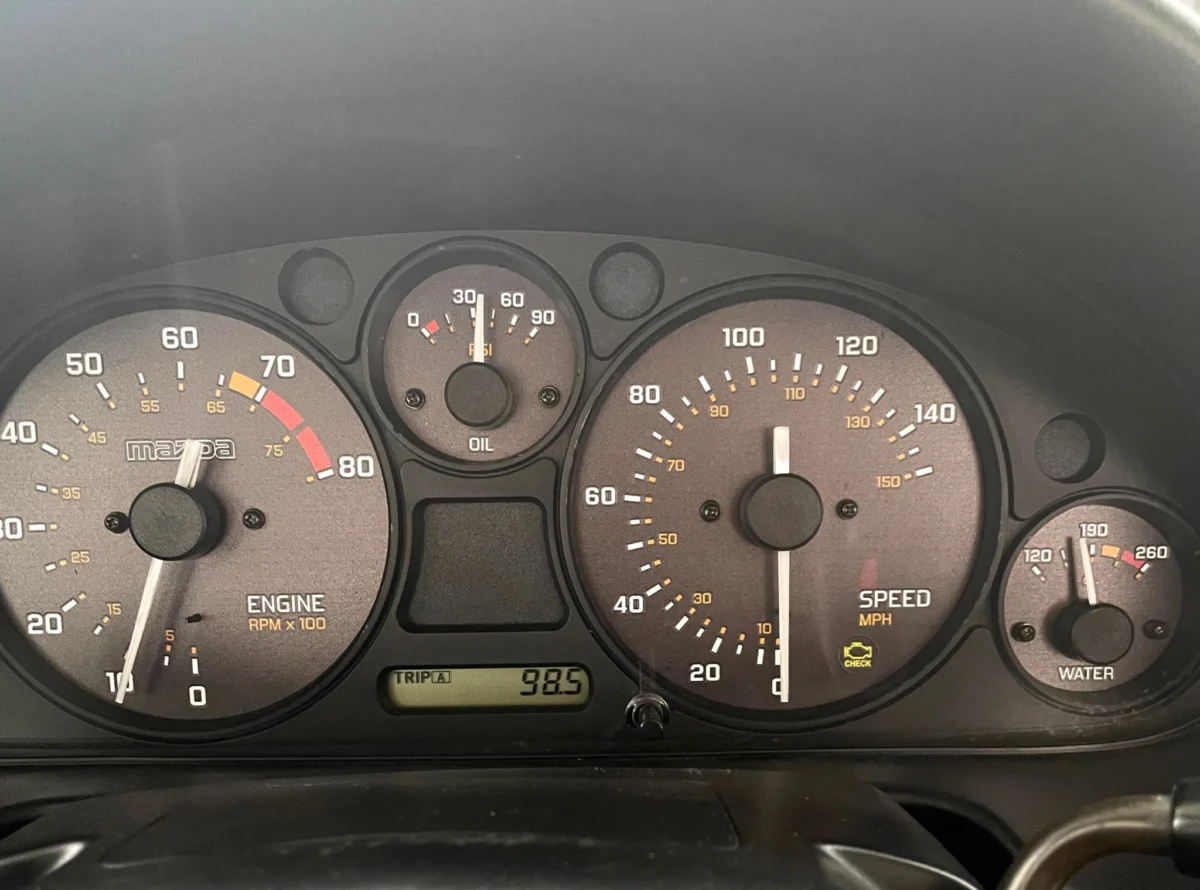
The second-generation Mazda MX-5, known internally as the NB, remains a cornerstone of the enthusiast automotive community due to its balanced chassis and mechanical simplicity; however, as these vehicles age, the limitations of their factory instrumentation become increasingly apparent to drivers seeking high-performance data. While the NB Miata (produced from 1998 to 2005) is celebrated for its driver-centric design, the original gauge cluster utilizes a series of "buffered" or "dummy" gauges that prioritize aesthetic stability over real-time technical accuracy. In response to these limitations, a growing sector of the aftermarket industry has developed sophisticated solutions that integrate modern digital displays and high-fidelity aesthetic components into the vintage dashboard. Recent developments in this field highlight a shift away from intrusive external gauge pods toward seamless, integrated solutions such as the CANchecked MFA 2.0 multifunction display and precision-engineered gauge faces from manufacturers like RevLimiter.
The Technical Limitations of Factory NB Miata Instrumentation
To understand the necessity of aftermarket upgrades, one must analyze the engineering choices made by Mazda during the NB’s development. Unlike the early "NA6" (1990–1993) models, which featured a linear, functional oil pressure gauge, the NB utilizes a switch-based system. In this configuration, the oil pressure needle functions essentially as an "on/off" indicator. Once the engine achieves a minimum threshold of pressure (typically around 4–7 PSI), the needle moves to a static middle position and remains there regardless of fluctuations in RPM or oil temperature. This design choice was common among manufacturers in the 1990s to prevent unnecessary service inquiries from owners concerned by the normal needle movement associated with variable oil pressure.
The factory coolant temperature gauge operates under a similar philosophy of "damped" feedback. The needle remains stationary at the midpoint across a wide thermal window—often ranging from 165°F to 210°F. By the time the needle begins to climb toward the "hot" zone, the engine is frequently already in a state of thermal distress. For enthusiasts engaging in autocross, track days, or forced induction applications, these factory gauges fail to provide the granular data necessary to prevent engine failure.
The Evolution of Aftermarket Monitoring: From Pillars to Integration
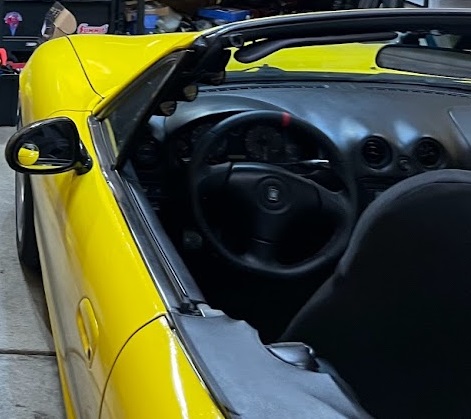
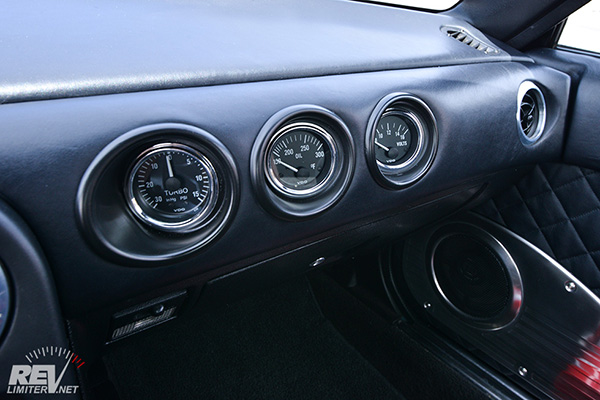
Historically, the primary solution for monitoring critical engine vitals involved the installation of external gauge pods. The most common configuration utilized the A-pillar, where drivers would mount two or three 52mm analog or digital gauges. While functional, this method presents several documented drawbacks:
- Visibility Obstruction: The addition of a triple gauge pod significantly increases the width of the A-pillar, creating a forward-left blind spot. In competitive environments like autocross, where precise apex clipping is required, this obstruction can impede driver performance and safety.
- Installation Complexity: Traditional gauges require individual wiring for power, ground, and sensor signals. A triple-gauge setup results in a complex harness that must be routed through the firewall and up the interior trim, often leading to fitment issues and "wire clutter."
- Aesthetic Disharmony: Many aftermarket pods fail to match the texture and color of the factory plastic, detracting from the interior’s cohesive design.
The transition toward integrated digital displays marks a significant technological leap. By utilizing the space already occupied by the non-functional factory gauges, owners can maintain a clean interior while gaining access to a vastly superior data stream.
The CANchecked MFA 2.0: A Digital Revolution in the Cluster
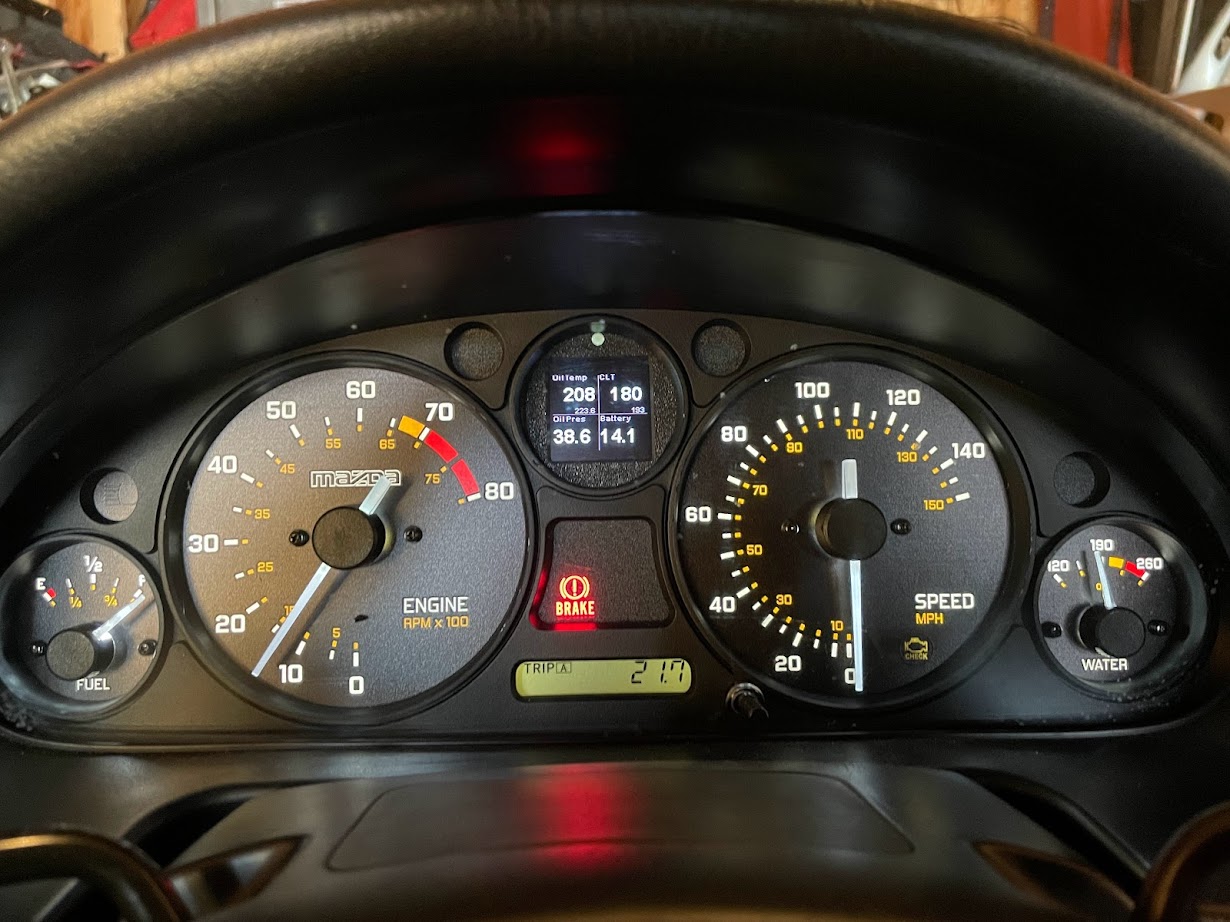
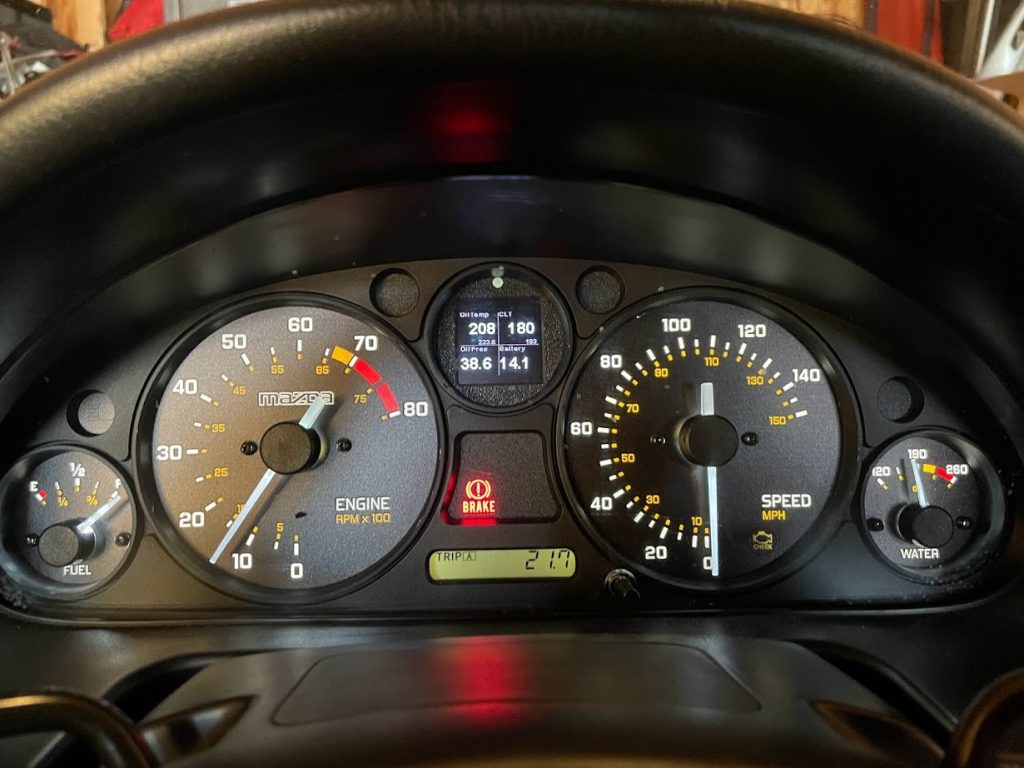
The emergence of the CANchecked MFA 2.0 multifunction display has redefined how NB Miata owners interact with vehicle data. This device is a high-resolution LCD designed to fit directly into the circular aperture originally occupied by the factory oil pressure gauge. This "OEM+" approach preserves the original silhouette of the cluster while providing a window into the engine’s internal operations.
Data Acquisition via CAN Bus and Analog Inputs
The MFA 2.0 operates primarily through the Controller Area Network (CAN bus) protocol. Because the factory NB ECU does not output a modern CAN signal, this upgrade is typically paired with a standalone engine management system, such as the Megasquirt MS3. The standalone ECU broadcasts sensor data—including manifold absolute pressure (MAP), intake air temperature (IAT), ignition timing, and fuel trims—which the CANchecked unit intercepts and displays in real-time.
For sensors not covered by the ECU, the unit features four dedicated analog inputs. This allows for the direct integration of:
- Oil Pressure: Utilizing a linear 0–150 PSI sensor.
- Oil Temperature: Critical for monitoring lubricant breakdown during extended high-load sessions.
- Coolant Temperature: Providing a precise numerical value rather than a damped needle position.
- Battery Voltage: Essential for diagnosing alternator health in aging electrical systems.
The ability to toggle between multiple dashboard layouts allows the driver to prioritize different datasets based on the driving environment—for example, focusing on boost and AFR during street tuning, or oil and water temperatures during a track session.
Aesthetic Refinement through RevLimiter Gauge Faces
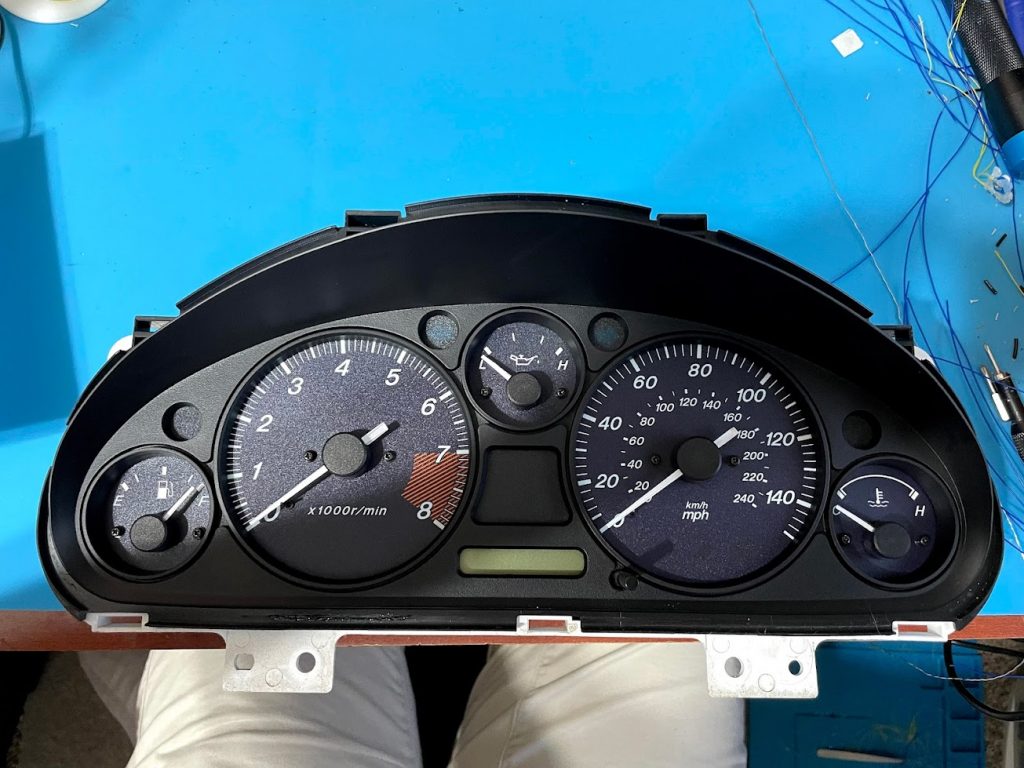
While digital integration solves the data problem, the visual appeal of the remaining analog gauges—the tachometer and speedometer—remains a priority for many restorers. RevLimiter, a specialist in bespoke automotive instrumentation, has become the industry standard for MX-5 gauge face replacements.
The "JNC" (Japanese Nostalgic Car) design is a prominent example of the aesthetic synergy between modern manufacturing and classic styling. These faces are inspired by the instrumentation of 1960s and 70s Japanese sports cars, featuring clean typography, simplified scales, and a matte finish that eliminates glare. Unlike cheaper overlays, these are full replacement faces manufactured from high-grade polycarbonate with industrial-strength silkscreening.
The Role of Lighting and Legibility
A critical component of the cluster modernization is the transition from incandescent bulbs to Light Emitting Diodes (LEDs). The factory NB lighting utilizes green-tinted "socks" over clear bulbs, which often results in dim, uneven illumination as the components age. Upgrading to high-output white LEDs, when paired with RevLimiter faces, provides a crisp, modern luminescence that improves night-time legibility without sacrificing the classic feel of the cockpit.
Chronology of an Interior Modernization Project
The process of upgrading an NB Miata’s instrumentation typically follows a logical progression of hardware and software integration:
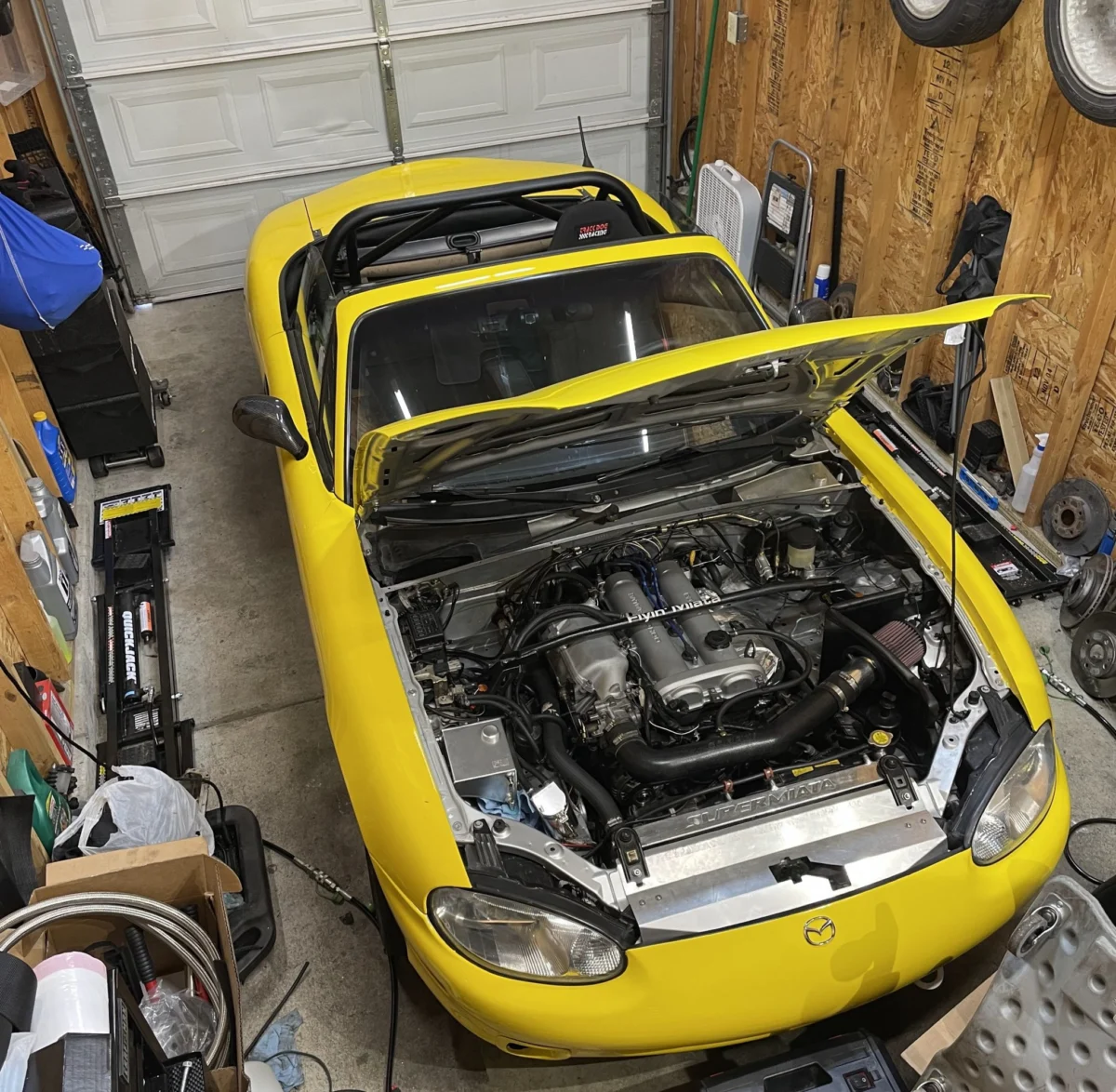
- Infrastructure Phase: Installation of a standalone ECU (e.g., Megasquirt) to enable CAN bus communication and the addition of high-accuracy sensors in the engine bay.
- Disassembly Phase: Removal of the instrument cluster and the delicate process of extracting the factory gauge faces and the "dummy" oil pressure movement.
- Integration Phase: Mounting the CANchecked LCD into the cluster housing and applying the new RevLimiter faces. This stage requires a dust-free environment to ensure no debris is trapped behind the clear cluster lens.
- Calibration Phase: Utilizing software (such as TunerStudio) to ensure the ECU data matches the display output and configuring the CANchecked screens for the driver’s specific needs.
- Testing Phase: Validating display visibility under various lighting conditions. Industry feedback suggests that while LCDs offer superior data, sunlight legibility remains a challenge for some units, necessitating careful placement and potential anti-glare treatments.
Broader Implications and Future Trends in Data Logging
The shift toward integrated digital displays in the MX-5 community reflects a broader trend in the automotive enthusiast market: the "democratization of data." Previously, the level of telemetry provided by a CANchecked system was reserved for professional race teams. Today, the integration of systems like RaceCapture Pro allows for the logging of even more complex variables, including high-frequency GPS position, G-forces, brake pressure, and steering angle.
Industry analysts suggest that as the "Restomod" movement continues to grow, the demand for "invisible technology"—modern performance housed in vintage aesthetics—will only increase. The combination of CAN-based digital displays and high-quality analog faces represents the pinnacle of this philosophy for the Mazda MX-5.
Conclusion
The modernization of the Mazda MX-5 NB gauge cluster is more than a cosmetic endeavor; it is a vital upgrade for the longevity and performance of the vehicle. By replacing outdated, non-linear "dummy" gauges with high-precision digital displays and OEM-quality aesthetic faces, owners can bridge the gap between 20th-century mechanical charm and 21st-century technical requirements. As the platform continues to age, these integrated solutions ensure that the "Jinba Ittai" (horse and rider as one) philosophy remains relevant, providing the driver with the clarity and confidence needed to push the vehicle to its limits. Future developments in data logging and telemetry integration will likely further refine this relationship, cementing the NB Miata’s status as a premier platform for both street and track enthusiasts.