 Vera Clarissa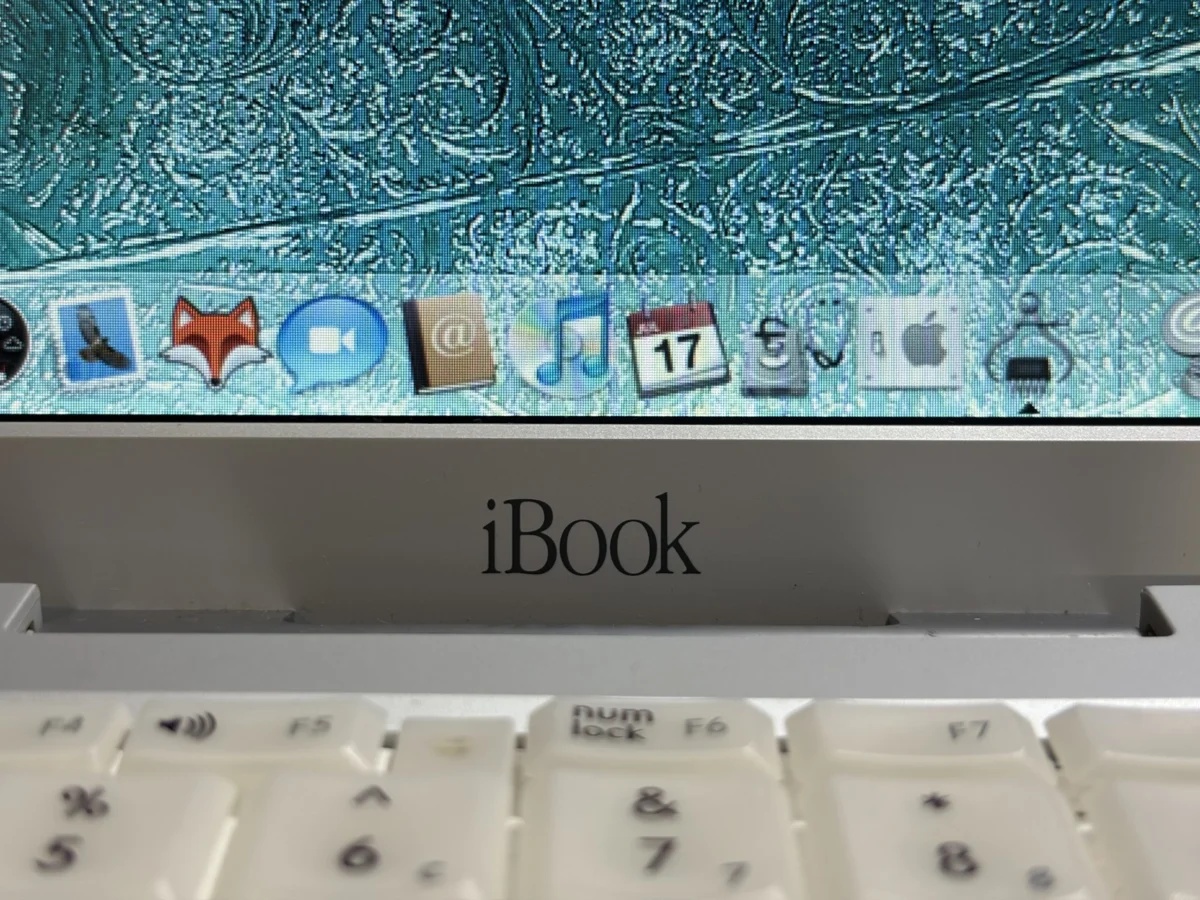
The Vintage Computer Festival (VCF) Midwest, held annually, serves as a nexus for computing history enthusiasts, engineers, and preservationists dedicated to salvaging legacy hardware. During the most recent iteration of this event, a notable project emerged from the Michigan Vintage Finds stall (Table B620): the complete restoration of a classic iBook G3. Purchased for just ten dollars, the machine—a staple of early 2000s portable computing—has been successfully returned to operational status, serving as a functional tool for modern-day data restoration and legacy software maintenance. This project highlights the ongoing viability of PowerPC-based Macintosh systems and the technical ingenuity required to maintain them in a post-modern computing environment.

The Chronology of Restoration
The restoration process began immediately following the acquisition at VCF Midwest. The initial diagnostic phase revealed that while the logic board remained sound, the original 10 GB mechanical hard drive was insufficient for contemporary tasks. The primary objective was to configure the device as a dedicated machine for Mac OS X 10.4 Tiger, a classic operating system that remains highly compatible with PowerPC architecture.

The technical workflow proceeded in several stages:

- Memory Upgrades: The unit arrived with a 128 MB RAM module. To ensure the fluid operation of OS X Tiger, the capacity was increased to 256 MB by utilizing surplus SDRAM components. The iBook G3 architecture allows for a total of 576 MB to 640 MB of RAM, depending on the specific logic board configuration.
- Storage Migration: The removal of the legacy 10 GB drive was followed by a temporary installation of a 60 GB IDE hard drive. Plans are currently underway to replace this with a 128 GB mSATA SSD via an adapter. While an initial attempt at an mSATA implementation was hampered by an intermittent adapter failure, the project demonstrates the feasibility of modern solid-state storage within legacy IDE interfaces.
- Internal Maintenance: A critical observation during the disassembly was the presence of a factory-installed thermal pad over the PowerPC 750CXe processor. Unlike modern laptops that require frequent thermal paste reapplication, the PowerPC 750CXe design—featuring 512 KB of built-in L2 cache—remains stable under this original thermal management configuration.
- Hardware Troubleshooting: The unit presented with a recurring backlight issue. Through controlled testing, it was determined that the CCFL (Cold Cathode Fluorescent Lamp) backlight system is prone to intermittent failure. Future plans include a potential LED backlight conversion to modernize the display reliability.
Supporting Data and Technical Specifications
The iBook G3 series, specifically the 500 MHz model utilized in this project, represents a pivotal era in Apple’s industrial design and hardware engineering. The PowerPC 750CXe processor, often referred to as "G3," provided a significant performance leap over its predecessors due to the integration of the L2 cache directly onto the processor die.

Key System Specifications:

- Processor: PowerPC 750CXe (500 MHz)
- Integrated L2 Cache: 512 KB
- Memory: Upgradable to 640 MB (depending on board revision)
- Operating System: Mac OS X 10.4 Tiger
- Connectivity: 3.5mm A/V jack (supports both audio and video output)
The use of this machine as a "Swiss Army Knife" for legacy restoration is substantiated by its ability to interface with other vintage systems. The restoration project successfully facilitated the cloning of a 500 GB Maxtor IDE drive for a 400 MHz FireWire iMac G3. By utilizing Target Disk Mode, the iBook acted as a bridge, allowing the user to bridge the gap between 20th-century hardware and modern storage capacities through the use of third-party drivers like SpeedTools Hi-Cap.

Broader Impact on Vintage Computing
The success of the iBook G3 restoration at VCF Midwest serves as a case study for the "right to repair" movement within the vintage community. By circumventing planned obsolescence, enthusiasts are extending the lifecycle of hardware that would otherwise be relegated to electronic waste.

From an engineering perspective, the project underscores the importance of maintaining legacy interfaces. The use of IDE (Integrated Drive Electronics) and FireWire protocols remains essential for those tasked with the preservation of digital history. As these machines age, the scarcity of replacement parts—such as optical drives and specific display components—has spurred a cottage industry of third-party adapters and modern component replacements, such as mSATA-to-IDE converters and LED display backlights.

Furthermore, the integration of modern peripherals, such as Beats Studio 3 headphones, into a system manufactured in the early 2000s, highlights the adaptability of universal standards like the 3.5mm headphone jack. While the iBook’s combined video-audio output port requires specific hardware configuration to avoid signal noise, the project proves that legacy machines can still function as viable multimedia jukeboxes when paired with period-appropriate software like QuickTime or iTunes.

Implications for Preservation
The implications for the vintage computing community are significant. The ability to perform low-level tasks—such as disk imaging, partitioning, and system restoration—on a machine that predates the modern era of cloud-based computing provides a layer of digital autonomy.

Industry experts often point to these projects as essential for the "digital archive" mission. Without functional PowerPC hardware, the data stored on legacy formats—such as HFS+ formatted hard drives—becomes increasingly inaccessible to modern operating systems that have deprecated support for older file systems. By keeping these iBooks operational, the community ensures that historical software, personal archives, and legacy digital media remain accessible for future researchers.

Conclusion
The ten-dollar iBook G3 restoration is more than a nostalgic exercise; it is a demonstration of the technical endurance of PowerPC-based systems. Through a combination of memory expansion, storage modernization, and meticulous hardware troubleshooting, the project has successfully transformed a discarded laptop into a functional restoration workstation. As the community continues to find creative solutions to the challenges of aging components, the legacy of the G3 architecture is likely to persist, supported by a dedicated network of hobbyists who prioritize the preservation of computing history over the convenience of modern replacements.

The successful boot of Mac OS X Tiger on this unit, and its subsequent utility in maintaining other vintage Apple devices, serves as a testament to the durability of early 21st-century engineering. As the project enters its next phase—involving the integration of a Dual Layer DVD drive and a reliable mSATA SSD solution—the iBook G3 remains a primary example of how vintage hardware can be successfully maintained to serve modern technical requirements.