Chalid Lutfie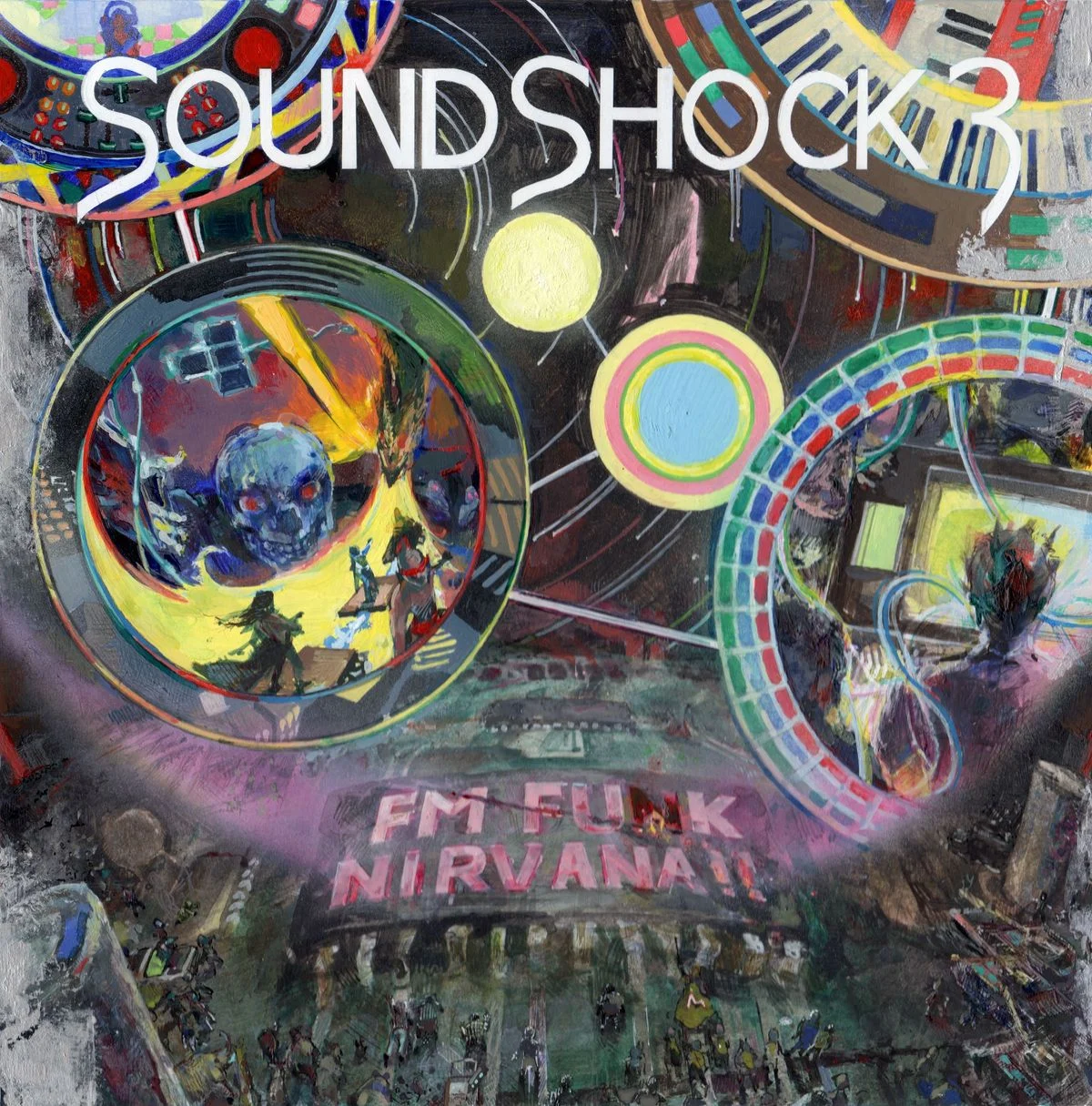
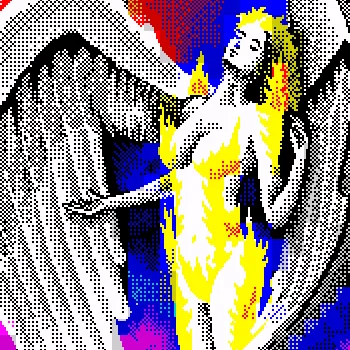
The release of SOUNDSHOCK 3: FM FUNK NIRVANA!! marks a significant milestone in the preservation and modernization of the chiptune genre, representing the culmination of a decade-long effort to bridge the cultural and technical gap between Western demoscene traditions and Japanese computer music. Established in 2010 through a collaboration between the creative curator known as zinger and the record label Ubiktune, the SOUNDSHOCK series has transitioned from a niche compilation project into a definitive anthology of Frequency Modulation (FM) synthesis. This third installment serves as a testament to the enduring influence of 16-bit hardware aesthetics, specifically those associated with the Yamaha YM series of sound chips that defined the auditory landscape of the late 1980s and early 1990s. By gathering an international roster of composers, the project highlights the global interconnectedness of digital music production and the shared heritage of video game culture.
The Genesis of a Digital Movement
The origin of the SOUNDSHOCK series is rooted in a pivotal 2010 meeting between the artist zinger and Dmitry "C-jeff" Zhemkov, the founder of the Ubiktune label. Initially, the discourse between the two parties focused on a potential solo release for zinger. However, the proposal shifted when zinger expressed a desire to curate a broader compilation that would explore the specific timbres and technical complexities of FM synthesis. This shift reflected a growing interest within the electronic music community to move beyond the simplistic "8-bit" waveforms of the Nintendo Entertainment System and explore the richer, more metallic textures of the Sega Mega Drive and Japanese domestic computers like the NEC PC-8801 and Sharp X68000.
The project was fueled by a lifelong fascination with the aesthetics of 16-bit gaming. For the organizers, the childhood experience of playing titles such as Golden Axe II and Sonic the Hedgehog served as a gateway into the more technical realms of the tracker and demo scenes. This journey involved the acquisition of obscure Japanese hardware, arcade cabinets, and standalone FM synthesizers, often at the expense of domestic space. This obsession with the "depths of these worlds" provided the creative momentum necessary to sustain a series that has now spanned several years and multiple high-profile releases.
The Technological Foundation: FM Synthesis and 16-Bit Hardware
To understand the significance of SOUNDSHOCK 3, one must examine the technological constraints that define its sound. FM synthesis, popularized by John Chowning at Stanford University and later commercialized by the Yamaha Corporation, utilizes a method where the frequency of one waveform (the carrier) is modulated by another (the modulator). This process allows for the creation of complex, harmonically rich sounds that mimic brass, bells, and the iconic "slap bass" characteristic of 1990s funk and arcade soundtracks.
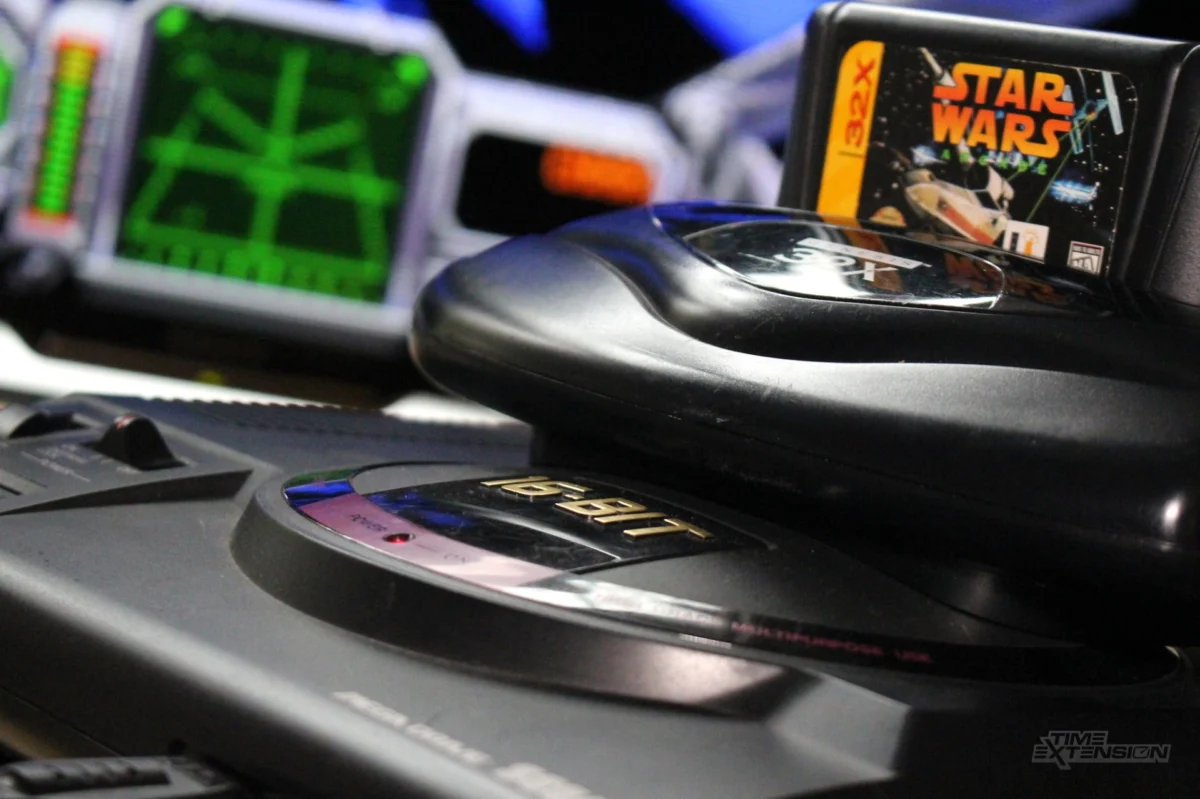
The SOUNDSHOCK series specifically pays homage to the Yamaha YM2612 chip found in the Sega Mega Drive and the YM2151 used in various arcade boards and the Sharp X68000. Unlike modern digital workstations that offer infinite tracks and samples, these chips are limited to a small number of channels and operators. This scarcity of resources forces composers to utilize advanced programming techniques—often via "trackers"—to achieve the lush, multi-layered compositions found on FM FUNK NIRVANA!!. The series serves as a modern showcase for these legacy techniques, proving that hardware constraints can foster greater creativity rather than hinder it.
Bridging the East-West Cultural Divide
One of the most profound achievements of the SOUNDSHOCK project is the unification of two historically distinct creative communities: the Western European "demoscene" and the Japanese video game music (VGM) industry. For decades, these two groups operated in parallel, sharing a love for hardware-bound music but separated by language barriers and different technological ecosystems. In the West, the demoscene flourished on the Commodore 64 and Amiga, while in Japan, a robust culture formed around the PC-88 and PC-98 series of computers.
The curation of SOUNDSHOCK 3 illustrates the breaking of these barriers. The inclusion of Japanese legends such as Keishi Yonao, known for his work on titles like Asuka 120% and Mad Stalker, alongside Western tracker artists like zabutom and Metal, represents a rare cross-pollination of styles. Historical accounts from the project’s inception reveal that early interactions between these artists often relied on "name-dropping" specific hardware and composers to overcome language obstacles. This shared vocabulary of FM synthesis created a sense of community among individuals with niche interests, eventually leading to formal collaborations that would have been impossible in the pre-digital era.
Chronology of the SOUNDSHOCK Series
The trajectory of the series highlights its growth in both scope and technical ambition:
- 2010 – Inception: The initial discussions between zinger and Ubiktune lead to the development of the first SOUNDSHOCK concept. The focus is on reviving the "Sega sound" and introducing Western audiences to the depth of Japanese FM programming.
- 2011-2012 – Expansion: The series gains traction within the chiptune community, drawing interest from veteran game composers and modern electronic producers. The collaborative network expands to include visual artists and technical consultants.
- The Middle Years: Continued research into FM synthesis leads to a more refined selection process. The team begins to focus on specific sub-genres, such as "FM Funk," to provide a cohesive thematic experience for each release.
- Present – SOUNDSHOCK 3: FM FUNK NIRVANA!!: The release of the third installment signifies a peak in production quality. With contributions from Tsuyoshi Shimokura, Megus, and Rufus Blacklock, the album serves as both a historical document and a contemporary musical achievement.
Supporting Data and Technical Production
The production of SOUNDSHOCK 3 involved a rigorous selection process and technical oversight to ensure that the music remained faithful to the spirit of the hardware. While some tracks are produced on original hardware, others utilize high-fidelity emulations that recreate the specific "aliasing" and "quantization noise" of vintage Yamaha chips.
Data regarding the project’s reception indicates a growing market for high-fidelity chiptune music. Ubiktune, as a label, has reported a steady increase in international listenership, particularly in regions with a strong history of computer hobbyism, such as Japan, Russia, and Northern Europe. The involvement of hally (Haruhisa Tanaka), a prominent figure in the Japanese chiptune scene and founder of the VORC news site, provided the necessary cultural bridge to ensure the project’s authenticity in the eyes of Japanese fans and professionals.
Official Responses and Collaborative Impact
The response from the contributing artists has been overwhelmingly positive, with many citing the project as a rare opportunity to revisit the tools of their youth without the commercial pressures of the gaming industry. Keishi Yonao has previously expressed a fascination with Western computer culture, noting the similarities in how Western and Eastern artists "fantasized" about each other’s respective hardware.
The label Ubiktune has been praised for its role in professionalizing the chiptune genre. By providing a platform for these collaborations, the label has moved the medium away from the "novelty" category and into the realm of serious electronic music. The involvement of technical staff such as MmcM and visual contributors like Rufus Blacklock ensures that the aesthetic presentation of the series matches the high quality of the audio.
Broader Impact and Industry Implications
The SOUNDSHOCK series and its latest release, FM FUNK NIRVANA!!, have broader implications for the music industry and digital preservation. As vintage hardware becomes increasingly difficult to maintain, these projects serve as a vital form of "living history." They preserve the compositional techniques and sonic signatures of the 16-bit era for future generations of musicians.
Furthermore, the success of the series demonstrates a viable model for international creative collaboration. By focusing on a specific technological niche, the organizers have built a community that transcends geographic and linguistic boundaries. This "sense of community among people with similar passions" is often cited by the curators as the project’s most significant achievement, even beyond the music itself.
In a broader cultural context, the series contributes to the "retrofuturist" movement, where the sounds of the past are used to create new, forward-looking art. The "FM Funk" aesthetic explored in the third album is not merely an exercise in nostalgia; it is a contemporary exploration of timbre and rhythm that stands on its own merits in the modern electronic landscape.
Conclusion
SOUNDSHOCK 3: FM FUNK NIRVANA!! is more than a compilation of synthesized music; it is a cultural artifact that represents the successful merger of diverse digital traditions. From its humble beginnings as a bedroom obsession to its current status as a landmark release on the Ubiktune label, the series has redefined what is possible within the constraints of legacy hardware. Through the tireless efforts of zinger, C-jeff, and a global network of composers, the SOUNDSHOCK series ensures that the vibrant, metallic soul of FM synthesis will continue to resonate with audiences well into the future. The project stands as a definitive example of how shared passion and technical curiosity can unite the world through the universal language of sound.