Hartono Sudibyo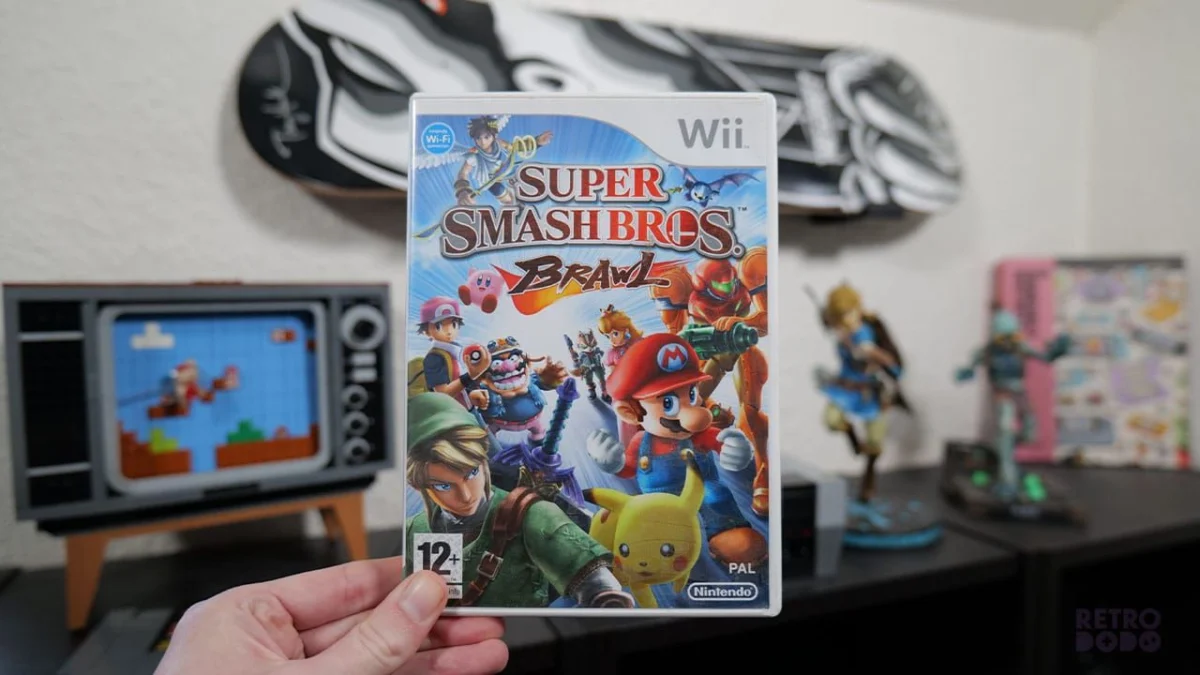
A significant development in the world of retro game preservation has emerged with the commencement of a decompilation project for Super Smash Bros. Brawl, the beloved Wii installment in Nintendo’s iconic crossover fighting game series. This initiative, spearheaded by dedicated community developers, represents a crucial step towards ensuring the long-term accessibility and moddability of a game that has captivated millions of players worldwide. The project joins a growing wave of similar efforts targeting classic console titles, particularly those from the fifth and sixth console generations, indicating a burgeoning interest in revitalizing and understanding the foundational code of video game history.
A Legacy of Decompilation Efforts
The journey towards decompiling Super Smash Bros. Brawl is not an isolated event but rather the latest chapter in a sustained movement to reverse-engineer the source code of influential video games. For some time, the retro gaming community has witnessed a surge in decompilation projects focused on titles from the Nintendo 64, PlayStation, and Dreamcast eras. These efforts have yielded remarkable results, including native PC ports of acclaimed titles such as The Legend of Zelda: Majora’s Mask and Star Fox 64, along with the complete decompilation of Pilotwings 64. These projects are often driven by the desire to run games on modern hardware without emulation, to facilitate in-depth game analysis, and to enable community-driven modifications and enhancements.
The author’s previous coverage has extensively documented these endeavors, highlighting the technical challenges and the dedication of the developers involved. The focus on Nintendo titles, in particular, stems from the enduring popularity and critical acclaim of franchises like The Legend of Zelda and Mario Kart. Super Smash Bros., with its unique blend of iconic characters and accessible yet deep fighting mechanics, has consistently been a highly anticipated title for non-Nintendo platforms, making its decompilation a significant undertaking for a broader audience.
The State of Smash Bros. Decompilation
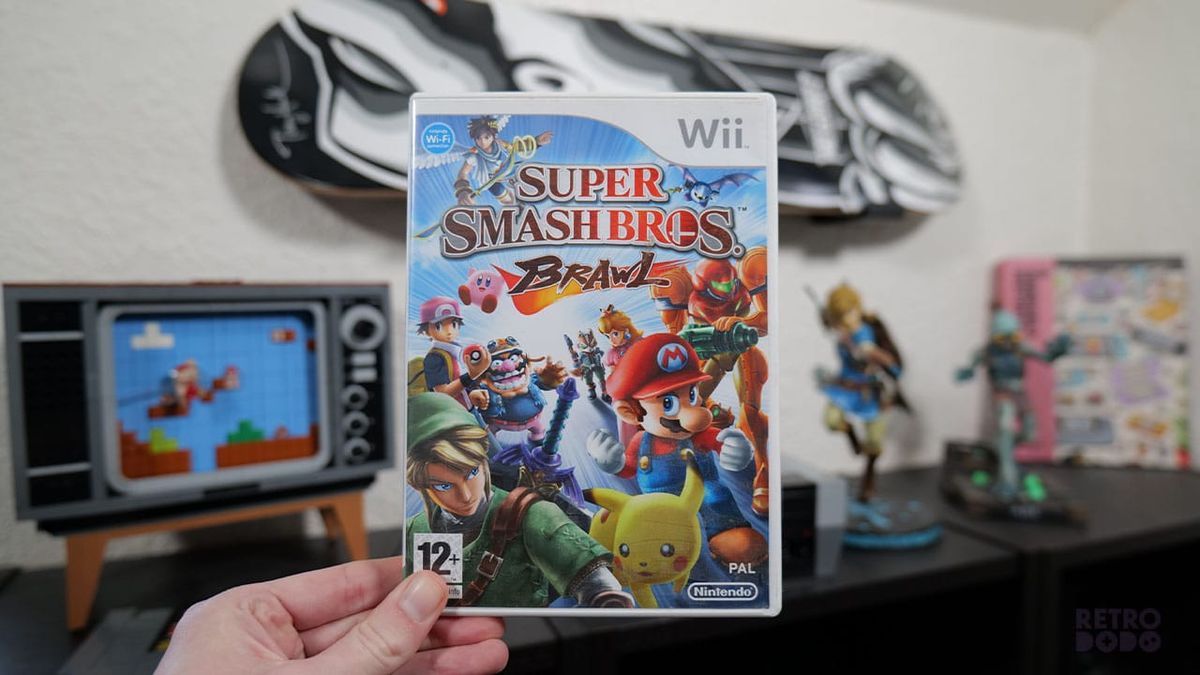
The decompilation of the Super Smash Bros. series has been progressing incrementally across its various iterations. As of recent reports, the original Super Smash Bros. for the Nintendo 64 has achieved a remarkable 96.62% decompilation rate. Following closely behind, Super Smash Bros. Melee for the GameCube stands at 64.46% complete. The initiation of the Brawl decompilation project, however, marks the first foray into reverse-engineering a title from the Nintendo Wii console. Currently, the Super Smash Bros. Brawl project is in its nascent stages, reporting a completion rate of approximately 1.09%.
This staggered approach to decompilation, tackling multiple titles concurrently rather than completing one before moving to the next, is understandable given the considerable time and resources required for such complex undertakings. Developers often work in parallel, leveraging shared knowledge and tools across different projects, and prioritizing certain aspects or games based on community interest and the perceived feasibility of decompilation.
Introducing Super Smash Bros. Brawl
Super Smash Bros. Brawl, released in 2008 for the Wii, represented a significant evolution for the series. It expanded the roster with an impressive array of characters from across Nintendo’s vast gaming universe and beyond, introducing iconic third-party fighters like Solid Snake from the Metal Gear Solid series and Sonic the Hedgehog from Sega. The game also featured a more robust single-player experience with the Subspace Emissary, an epic adventure mode that delved into a unique lore and offered a different gameplay perspective. Furthermore, Brawl introduced the Assist Trophy mechanic, allowing players to summon other game characters to aid them in battle, and the Final Smash, powerful, cinematic special moves unique to each character. The game’s physics engine, particularly its reliance on the Wii Remote and Nunchuk, as well as its online multiplayer capabilities, were defining features of its era.
The Legal Landscape of Game Decompilation
The increasing prevalence of game decompilation projects, particularly those targeting more recent console generations like the Wii, brings to the forefront ongoing discussions surrounding the legal implications of such activities. Decompilation, in essence, involves reverse-engineering a game’s executable code to reconstruct its original source code. This process is distinct from emulation, which typically requires a legally obtained ROM file to run the game on a different platform.
However, the legal standing of decompilation remains a complex and often debated topic. While it is not explicitly illegal in most jurisdictions, the ability to recreate playable versions of games from decompiled code can raise concerns for copyright holders, primarily game developers and publishers. The argument often hinges on whether the decompiled code constitutes a derivative work and whether the process infringes upon intellectual property rights.
The current legal framework generally operates in a grey area. The requirement for a legally acquired ROM to run a decompiled game is a key aspect, but the practical reality of how many users obtain their ROMs legally is a subject of considerable conjecture. The recent emergence of devices like the Polymega Remix, which aims to provide a more legitimate pathway for playing retro game cartridges and discs, could potentially influence the landscape of ROM acquisition and, by extension, the perceived legality and accessibility of decompiled games in the future. The Nintendo Wii, being a more modern console than the N64 or PS1, may attract closer scrutiny from Nintendo’s legal department due to the proximity of its games to current intellectual property enforcement strategies.

Anticipating Future Developments
The decompilation of Super Smash Bros. Brawl is undoubtedly a long-term endeavor. Developers typically do not provide frequent updates on incremental progress, focusing on substantial milestones rather than minor percentage gains. The author has indicated an intention to refrain from reporting on every minor update, instead choosing to provide comprehensive coverage when significant advancements are made.
The completion of the original N64 Super Smash Bros. decompilation is anticipated as a key marker, signifying a successful conclusion to an earlier phase of the project. The eventual success of the Brawl decompilation could unlock new avenues for the Super Smash Bros. series on PC, potentially enabling enhanced modding capabilities, higher resolutions, and even the creation of entirely new content by the community. The broader implications extend beyond just Brawl; a successful Wii decompilation could pave the way for other Wii titles to be targeted by similar projects, further expanding the library of classic games accessible through modern computing platforms.
The ongoing efforts in game decompilation underscore a profound appreciation for video game history and a commitment to its preservation. As technology advances and the legal frameworks evolve, these community-driven projects will continue to play a vital role in keeping beloved games alive and accessible for future generations of players and developers. The Super Smash Bros. Brawl decompilation, while still in its early stages, represents a significant beacon of hope for fans of this enduring fighting game franchise.