Chalid Lutfie
The SOUNDSHOCK series stands as a definitive milestone in the preservation and modernization of Frequency Modulation (FM) synthesis, a sound generation technique that dominated the video game and computer music landscape throughout the 1980s and early 1990s. Originally conceived in 2010 through a collaborative effort between the artist known as zinger and the independent record label Ubiktune, the project has transitioned from a niche compilation into a sprawling cultural bridge connecting Western electronic music enthusiasts with the foundational figures of Japanese game audio. The series represents more than a collection of retro-inspired tracks; it serves as a technical and historical repository for a specific era of digital sound design, revitalizing interest in hardware that many considered obsolete following the industry’s shift toward sample-based audio in the mid-1990s.
The Chronological Development of the SOUNDSHOCK Initiative
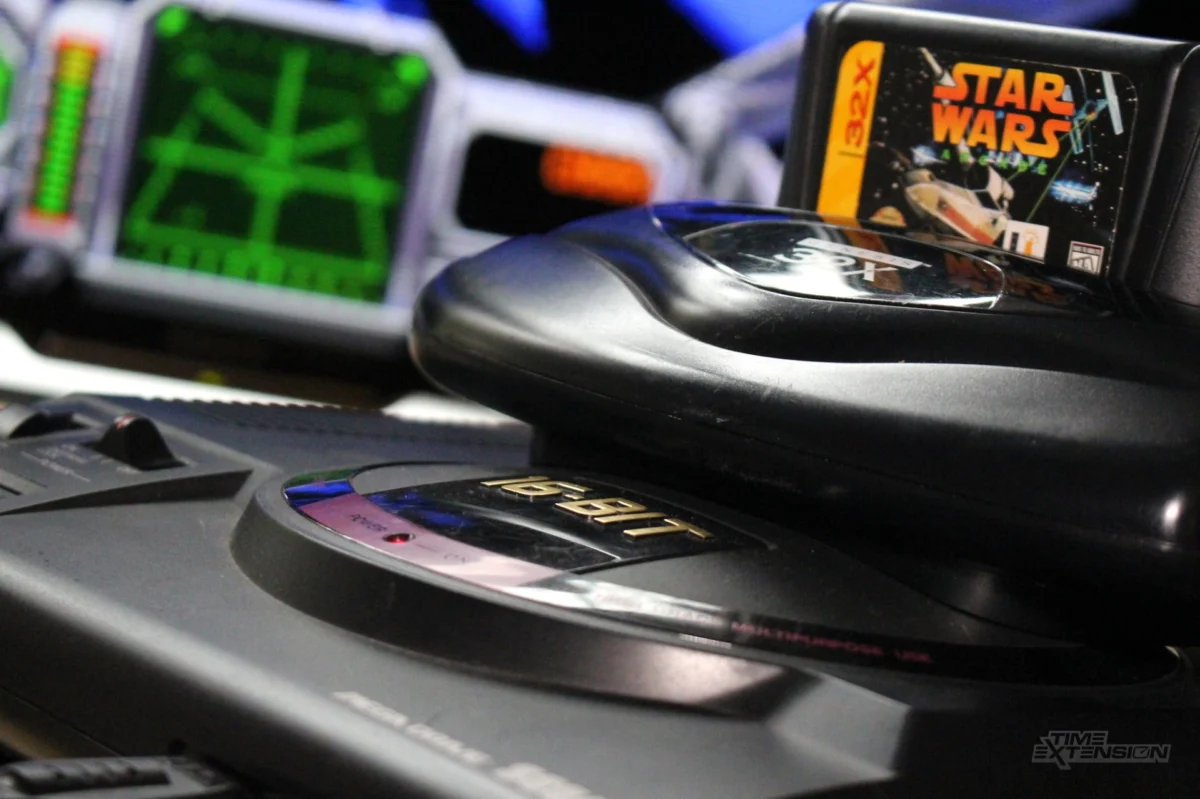
The roots of the series extend back to 2007, three years prior to the release of the first official album. During this period, the SOUNDSHOCK Forums were established as a centralized digital hub for FM synthesis enthusiasts. At a time when the broader "chiptune" scene was largely focused on the 8-bit sounds of the Nintendo Entertainment System (NES) and Game Boy (using the Ricoh 2A03 and Sharp LR35902 chips, respectively), the SOUNDSHOCK community carved out a space specifically for the 16-bit complexity of FM audio. This focused on the Yamaha OPL and OPM chip families, which powered the Sega Mega Drive (Genesis), the Sharp X68000, and the NEC PC-8801/9801 series.
In 2010, the project shifted from a discussion-based forum to a creative production house. C-jeff, the founder of Ubiktune, initially approached zinger regarding a solo album. However, zinger proposed a broader vision: a compilation project that would bring together disparate elements of the international tracker, demo, and chip music scenes. This led to the formalization of the SOUNDSHOCK album series, which sought to explore the aesthetic and technical depths of FM synthesis through modern compositions.

Technical Foundation: The Architecture of FM Synthesis
To understand the significance of the SOUNDSHOCK series, one must analyze the technical constraints and capabilities of the hardware it celebrates. FM synthesis, popularized by John Chowning at Stanford University and later commercialized by Yamaha, involves modulating the frequency of one waveform (the modulator) with another (the carrier). This creates complex harmonic overtones that allow for the simulation of metallic, percussive, and bell-like timbres that are difficult to achieve with traditional subtractive synthesis.
The primary hardware associated with the SOUNDSHOCK movement includes:
- Yamaha YM2612 (OPN2): The six-channel FM synthesizer found in the Sega Mega Drive. It is known for its "gritty" digital texture, partly due to its 9-bit DAC.
- Yamaha YM2151 (OPM): An eight-channel chip used extensively in arcade cabinets and the Sharp X68000. It is praised for its high fidelity and complex modulation capabilities.
- Yamaha YM2608 (OPNA): Used in the NEC PC-8801 and PC-9801, this chip combined FM channels with rhythm sounds and ADPCM samples, defining the sound of Japanese PC gaming in the late 80s.
The SOUNDSHOCK series utilizes these chips not merely as "retro" filters, but as primary instruments. Artists often employ specialized software known as "trackers"—such as VGM Music Maker, RADTracker, or DefleMask—which allow for precise, note-by-note control over the chip’s registers, bypassing modern digital audio workstations (DAWs) to interact directly with the emulated or physical hardware.
Contributor Profiles and Artistic Methodologies
The success of the SOUNDSHOCK series is largely attributed to the diverse background of its contributors, ranging from industry veterans to self-taught software engineers.

The Vision of Zinger
The project’s organizer, zinger, cites childhood experiences with titles like Golden Axe II and Sonic the Hedgehog as the catalyst for his obsession with game aesthetics. Over fifteen years, zinger’s work has involved bridging the gap between Western "demoscene" culture—a subculture focused on pushing hardware limits through real-time audiovisual presentations—and the Japanese game music scene. He notes that the project was born from a desire to cultivate a sense of community among individuals with niche interests in FM hardware, such as the Sharp X68000 or the arcade-centric YM2151 chip.
Technical Perspectives from Boomlinde
Artist boomlinde represents the technical vanguard of the community. His involvement began through an interest in early IBM PC soundcards and the realization that functional synthesizers were hidden in everyday hardware like cell phones and pinball machines. Boomlinde’s approach to composition is deeply rooted in the relationship between sound design and musical style. He describes a trial-and-error methodology where the "patches" (programmed sounds) dictate the direction of the melody. For his contributions to the series, he utilized VGM Music Maker to program intricate bass lines and horn stabs, often letting compositions sit for several days to allow for objective adjustments—a practice common in professional studio environments.
The Transition of Extent of the Jam
The artist Extent of the Jam highlights a pivotal shift in the chiptune community: the move from sample-based music to FM synthesis. For many creators in the late 1990s, sample-based trackers (like ProTracker) had reached a creative plateau. The discovery of the SOUNDSHOCK forums provided a platform for these artists to explore the mathematical complexity of FM synthesis. Extent of the Jam emphasizes that the series succeeded in uniting "FM fanatics" from both the chiptune and micromusic scenes, effectively merging Eastern and Western musical philosophies.
The Discovery of "Bomb Boy"
A notable anecdote in the series’ history involves Simon Stålenhag, a world-renowned visual artist known for his "Tales from the Loop" series. In 2011, while working at a mobile game studio, Stålenhag discovered the work of a colleague, Mattis (known as Bomb Boy). Despite having only "half-finished snippets," Mattis’s work displayed a level of FM proficiency that Stålenhag described as "hardware accelerated." Stålenhag’s subsequent recommendation to zinger brought Bomb Boy into the SOUNDSHOCK fold, illustrating the series’ role in uncovering hidden talent within the industry.

Cross-Cultural Integration: East Meets West
One of the most significant achievements of the SOUNDSHOCK series is its role as a diplomatic conduit between Japanese and Western composers. Historically, the Japanese game music scene (VGM) and the Western computer demoscene operated in relative isolation. SOUNDSHOCK effectively dissolved these barriers.
The series features contributions from Japanese legends such as Keishi Yonao, known for his work on the Asuka 120% series and Dies irae. Yonao has expressed a fascination with Western computer culture that mirrored Westerners’ obsession with Japanese systems like the PC-98. Other prominent Japanese figures involved include Ryu Takami, hex125, and hally (Haruhisa Tanaka), a leading researcher in the history of chiptune.
By placing artists like Utabi and Shogun alongside Western counterparts like Zabutom and Metal, the series proved that the "language" of FM synthesis was universal. This integration has led to a deeper understanding of regional styles—comparing the "FM Funk" style prevalent in Japanese arcade games of the 90s with the more atmospheric, technical approach of European demoscene productions.
Data and Industry Implications
The resurgence of interest in FM synthesis, championed by projects like SOUNDSHOCK, has had measurable effects on the modern music software industry. In the years following the project’s inception, there has been a notable increase in the development of FM-based VSTs (Virtual Studio Technology) and hardware.

- Software Resurgence: Tools like Plogue’s Chipsynth MD and Chipsynth OPS7 were developed with high-level accuracy to emulate the specific quirks of the Yamaha chips featured in SOUNDSHOCK.
- Hardware Modernization: Companies like Korg and Elektron have released modern FM synthesizers (the Opsix and Digitone, respectively) that cater to a new generation of musicians who have rediscovered FM through these archival and compilation projects.
Furthermore, the SOUNDSHOCK series serves as a case study in digital preservation. By documenting the techniques used to program the YM2151 and YM2612, the community ensures that the knowledge of how to operate these complex 4-operator and 6-operator systems is not lost to time.
Conclusion: The Broader Impact of the FM Movement
The SOUNDSHOCK series is more than a nostalgic look at the past; it is a forward-facing exploration of a unique sonic medium. It has successfully fostered a global community that transcends linguistic and geographic barriers, united by a shared appreciation for the "electric" and "metallic" textures of FM synthesis.
As the project continues to evolve, its impact can be seen in the soundtracks of modern indie games, which increasingly utilize authentic FM sounds to evoke a sense of high-fidelity retro-futurism. The collaboration between zinger and Ubiktune has not only preserved a specific era of sound but has also empowered a new wave of "musical mutants" to master the superpowers of obsolete silicon. The legacy of the SOUNDSHOCK forums and albums remains a testament to the enduring power of niche communities to influence the broader cultural landscape.