
 Farhan hamdan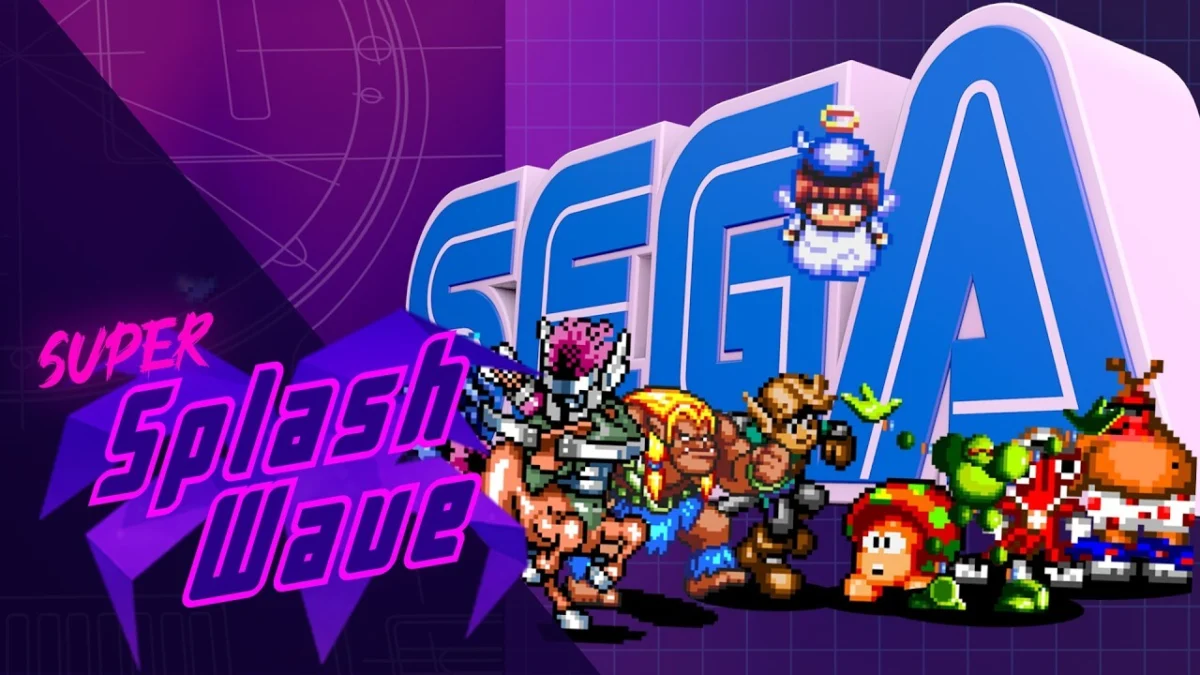
A recent video released by the YouTube channel strafefox has brought renewed attention to the critical role played by smaller development studios in shaping the landscape of the Sega Genesis/Mega Drive during the 1990s. The video, titled "The big impact of smaller Sega Mega-Drive/Genesis developers," meticulously chronicles how numerous popular and critically acclaimed titles on the 16-bit console originated from independent teams, often operating outside the purview of major publishers or as newly formed entities. This retrospective analysis not only serves as a valuable historical document for video game enthusiasts but also underscores a fundamental truth applicable across all creative sectors: the indispensable need for independent creators and diverse content to foster innovation, artistic expression, and market dynamism.
The 16-Bit Console Wars: A Fertile Ground for Innovation
The early to mid-1990s represented a pivotal era in video game history, dominated by the fierce rivalry between Sega’s Genesis (Mega Drive in most regions outside North America) and Nintendo’s Super Nintendo Entertainment System (SNES). Sega, positioning itself as the edgier, cooler alternative, aggressively marketed its console to an older demographic, leveraging faster processing speeds and a more action-oriented library. While the console war was often defined by first-party exclusives and titles from established major third-party developers like Electronic Arts, Capcom, and Konami, a significant portion of its distinctive identity was forged by smaller, often overlooked studios.
These smaller teams frequently operated with fewer resources but compensated with immense creativity and a willingness to experiment. The development environment of the 16-bit era, while advanced for its time, still presented significant technical challenges. Memory constraints, CPU limitations, and the intricacies of custom hardware required ingenious programming and design solutions. This environment, paradoxically, often encouraged innovation, as smaller teams had to distinguish themselves through unique concepts, compelling gameplay mechanics, or striking visual styles rather than relying solely on massive budgets or established franchises. The relative accessibility of development tools compared to the nascent 3D era that followed also meant that passionate teams, even with limited backing, could bring their visions to fruition.
Pioneering Spirit: Notable Independent Contributions on the Genesis/Mega Drive
The strafefox video highlights several examples of games that exemplify the impact of these smaller studios. These titles often pushed technical boundaries, introduced novel gameplay mechanics, or cultivated unique artistic aesthetics that stood apart from the more conventional offerings of larger corporations.
One prime example is Herzog Zwei, developed by Technosoft and released in 1989. While Technosoft was not a micro-indie studio in the modern sense, it was a smaller Japanese developer primarily known for its shooter games like Thunder Force. Herzog Zwei, however, was a groundbreaking title that is widely credited as a progenitor of the real-time strategy (RTS) genre. Predating famous PC RTS games by several years, it combined strategic unit deployment, resource management, and direct combat control, all rendered within the Genesis’s capabilities. Its innovative blend of action and strategy showcased how a relatively smaller team could pioneer an entirely new genre, influencing countless games that followed.
Another studio that made an indelible mark was Treasure Co. Ltd., formed by ex-Konami developers in 1992. Almost immediately, Treasure established a reputation for creating technically ambitious and creatively eccentric action games. Their 1993 Genesis debut, Gunstar Heroes, is frequently cited as one of the console’s finest achievements. Known for its intense, non-stop action, incredibly detailed sprite work, and dynamic weapon customization system, Gunstar Heroes pushed the Genesis hardware to its limits. Treasure’s ability to extract such performance and deliver such polished, innovative gameplay with a relatively small team underscored the power of focused talent and creative freedom. Their subsequent work on titles like Dynamite Headdy (1994) and Alien Soldier (1995) further cemented their legacy as a studio unafraid to challenge conventions and prioritize unique player experiences.
Toejam & Earl, released in 1991, provides another compelling case. Developed by Johnson Voorsanger Productions, a studio co-founded by Mark Voorsanger and Greg Johnson, the game presented a distinct departure from typical action or platforming fare. It was a quirky, comedic roguelike-like adventure featuring two alien protagonists navigating an isometric Earth. Its emphasis on exploration, item discovery, co-operative multiplayer, and a unique funk soundtrack created a highly original and memorable experience. The game’s distinct art style, offbeat humor, and genre-bending mechanics demonstrated how independent vision could cultivate a dedicated cult following and offer a refreshing alternative to the era’s more traditional genres.
Flashback: The Quest for Identity, developed by Delphine Software International and released in 1992, is yet another testament to smaller studio prowess. This cinematic platformer was renowned for its stunning rotoscoped animation, complex puzzles, and deep, science fiction narrative. Delphine Software, a French studio, leveraged advanced graphical techniques and a strong artistic direction to create a game that felt like an interactive movie. Its atmospheric world-building and challenging gameplay set a new standard for narrative-driven platformers, showcasing how a European independent developer could compete on a global stage through artistic and technical excellence.
Other notable contributions from studios that might be considered "smaller" in comparison to industry giants include Vectorman (1995) by BlueSky Software and Beyond Oasis (1994) by Ancient. BlueSky Software, while having a relationship with Sega, was not a massive internal studio, and their work on Vectorman showcased cutting-edge 3D pre-rendering techniques translated into 2D sprites, creating a visually spectacular and fluid action platformer. Ancient, founded by composer Yuzo Koshiro and his family, developed Beyond Oasis, an action RPG praised for its engaging combat, intricate puzzle design, and vibrant world. These games, among many others, collectively illustrate that innovation and quality were not exclusive to multi-million dollar budgets but often flourished in environments where creative freedom and passion were paramount.
Challenges and Creative Solutions of the Era
Developing games on the Sega Genesis/Mega Drive presented a unique set of challenges that smaller studios had to navigate with ingenuity. The console’s Motorola 68000 CPU and Zilog Z80 sound chip, while powerful for their time, imposed strict limitations on memory (typically 64KB to 1MB of RAM) and graphical capabilities (a palette of 512 colors, with 64 on-screen simultaneously). Smaller teams often lacked the extensive internal toolchains or dedicated hardware engineers available to larger publishers.
To overcome these hurdles, independent developers frequently resorted to clever programming tricks, highly optimized code, and innovative artistic techniques. For instance, parallax scrolling was heavily utilized to create a sense of depth, and custom sound drivers were often developed to extract richer audio from the Z80 chip than standard libraries allowed. Resourcefulness in design was equally crucial, with many independent games prioritizing tightly-honed mechanics and engaging level design over sprawling, resource-intensive worlds. The emphasis shifted from sheer scale to depth and replayability, often resulting in experiences that, while compact, were intensely rewarding. Funding and publishing were also significant hurdles, requiring developers to either secure deals with established publishers or, in some cases, self-fund their projects, a far more challenging prospect in the pre-digital distribution era.

The Economic and Cultural Impact of Indie Development
The cumulative impact of these smaller studios extends far beyond individual game titles. Economically, independent developers diversify the market, provide avenues for new talent to emerge, and stimulate competition, which ultimately benefits consumers through a wider array of choices. They often act as R&D departments for the industry, experimenting with concepts that larger studios might deem too risky or niche. When successful, these innovations can either be adopted by mainstream titles or inspire entirely new sub-genres.
Culturally, independent games contribute to the richness and diversity of the gaming canon. They often tackle themes, art styles, or gameplay mechanics that are outside the commercial comfort zone of major publishers, catering to niche audiences and fostering unique communities. Many of the "cult classics" from the Genesis era, now celebrated by retro gaming communities, originated from these smaller teams. Their unique perspectives ensure that the medium continues to evolve and reflect a broad spectrum of creative voices, preventing stagnation and monoculture. The retrospective appreciation, fueled by content creators like strafefox, ensures that these contributions are not forgotten but continually re-evaluated and celebrated, influencing new generations of developers and players.
A Broader Lens: Independent Creators Across Media
The insights derived from the Sega Genesis era are not exclusive to video games; they resonate deeply across the entire spectrum of creative industries. The dynamic between large, established entities and nimble, independent creators is a recurring theme that drives innovation and diversity.
In music, independent record labels and DIY artists have historically been the incubators for new genres and sounds. From the punk movement’s rejection of corporate rock in the 1970s to the rise of indie rock, electronic music, and countless subgenres, independent artists often take the risks that major labels shy away from. They push sonic boundaries, experiment with lyrical themes, and cultivate grassroots fanbases, eventually influencing mainstream trends and ensuring the continuous evolution of musical expression.
Film offers similar parallels. Independent cinema movements, championed by festivals like Sundance and companies like A24 today, consistently challenge narrative conventions, explore complex social issues, and introduce fresh directorial voices. While Hollywood blockbusters dominate the box office, independent films often garner critical acclaim, artistic awards, and are responsible for breakthroughs in storytelling, character development, and cinematic technique. They provide a vital alternative to formulaic studio productions, enriching the global film catalogue.
Television, particularly with the advent of streaming platforms, has also seen a surge in independent and niche productions. While traditional network television often caters to broad demographics, streaming services have allowed for more experimental narratives, diverse casts, and specialized content that might not find a home on major broadcasters. This democratizes content creation and consumption, ensuring a wider range of stories are told and heard.
Even in literature, independent publishers and self-published authors play a crucial role in bringing diverse voices and unconventional narratives to readers. They often champion emerging writers, experimental fiction, or works that cater to specific cultural or intellectual niches, providing a necessary counterpoint to the commercial priorities of large publishing houses.
The common thread across all these media is that independent creators, unburdened by the immediate pressures of massive commercial success or adherence to established formulas, are often the primary drivers of artistic innovation. They foster creativity, challenge norms, and ultimately enrich the cultural landscape for everyone.
The Digital Age: New Avenues for Independent Voices and Historical Preservation
Today, the landscape for independent creators has both evolved and expanded dramatically. The accessibility of sophisticated game development tools (like Unity and Unreal Engine), digital distribution platforms (Steam, itch.io, console e-shops), and crowdfunding mechanisms (Kickstarter, Patreon) has significantly lowered barriers to entry. This has led to a boom in indie game development, with a staggering number of diverse titles being released annually.
Platforms like YouTube, where channels such as strafefox operate, have also become indispensable in this ecosystem. They serve as critical avenues for historical preservation, analysis, and community engagement. Content creators meticulously research, document, and present the history of gaming, highlighting overlooked gems and the contributions of smaller studios that might otherwise fade into obscurity. This form of media not only educates and entertains but also reinforces the value of independent work by bringing past successes to a new audience. The symbiotic relationship between content creators, historical preservationists, and the contemporary independent development scene ensures a continuous dialogue about creativity, innovation, and the enduring legacy of artistic risk-takers. Patreon, as noted in the original article, further exemplifies this by allowing audiences to directly support creators who delve into niche topics, ensuring the sustainability of such valuable historical and analytical work.
The Enduring Relevance of Independent Creativity
The strafefox video’s focus on the Sega Genesis/Mega Drive’s independent developers serves as a powerful reminder that while blockbuster titles and major franchises often dominate headlines, the true vibrancy and forward momentum of any creative industry are inextricably linked to its independent sector. These smaller studios, whether in the 1990s or today, are the lifeblood of innovation, pushing artistic boundaries, diversifying content, and nurturing new talent.
Their contributions ensure that media remains dynamic, responsive, and reflective of a wide array of human experiences and imaginative possibilities. Without the daring spirit of independent creators, industries risk becoming homogenous and creatively stagnant. The enduring appeal of titles born from these smaller Genesis-era studios underscores their timeless quality and the critical importance of fostering environments where unique visions can flourish, regardless of the scale of the operation. As creative industries continue to evolve, the lessons learned from the 16-bit era remain profoundly relevant: a vibrant ecosystem demands a constant influx of fresh ideas, bold experimentation, and the invaluable contributions of independent voices.








