
 Farhan hamdan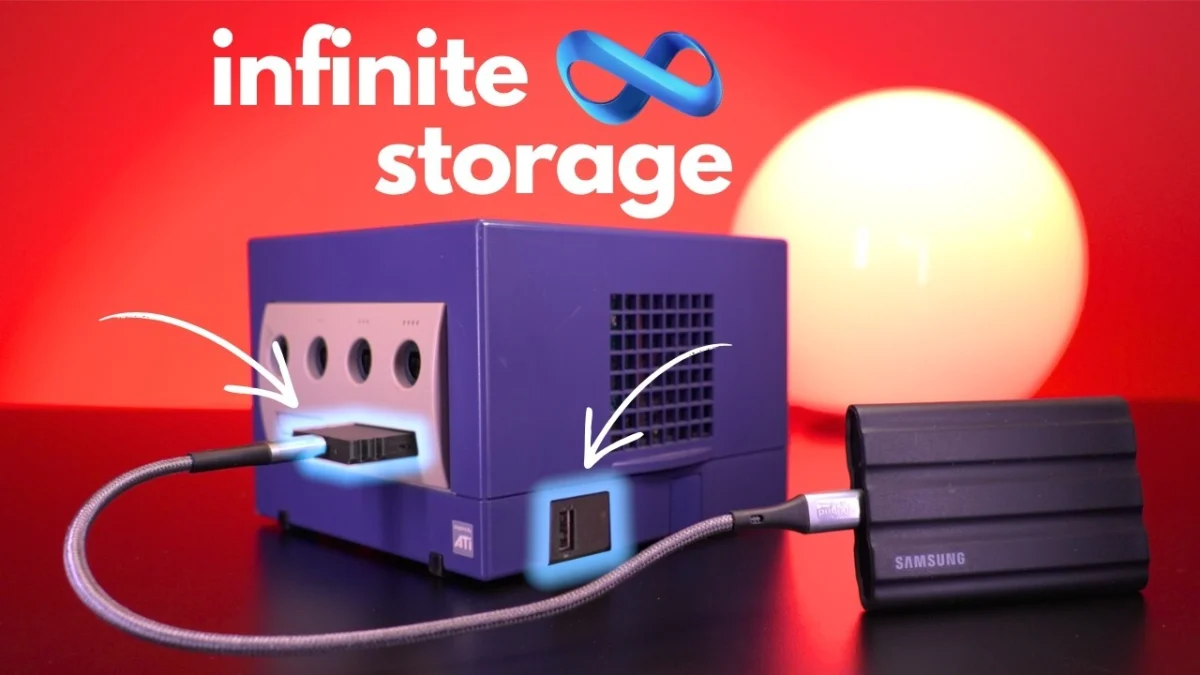
The Nintendo GameCube, a beloved console from the sixth generation of video games, is experiencing a significant resurgence in utility and accessibility thanks to the introduction of the "USB Dolphin." This innovative accessory, developed by Makeo and recently showcased in a detailed video by Tito from Macho Nacho Productions, represents a pivotal advancement in retro gaming hardware modification. The USB Dolphin comprises a pair of USB adapters designed to integrate seamlessly with the GameCube, utilizing either the console’s Serial Port 1 (SP1) located on its underside or one of the front memory card slots. While previous discussions highlighted the SP1 version’s unique ethernet capabilities and its potential integration with network-attached storage solutions like RetroNAS, recent demonstrations have underscored the profound impact of its USB storage functionality, compatible with both adapter variants. This development is particularly crucial for enthusiasts seeking to expand their GameCube game libraries economically, offering a substantially more cost-effective alternative to high-capacity SD media through the use of standard USB hard drives.
The Enduring Appeal and Challenges of the Nintendo GameCube
Launched in 2001, the Nintendo GameCube carved out a unique niche in console history with its distinctive design, powerful first-party titles, and innovative controller. Despite its critical acclaim and a dedicated fanbase, the GameCube faced certain limitations typical of its era, particularly concerning storage and networking. The console primarily relied on proprietary 8 cm mini-DVDs for game distribution and compact, low-capacity memory cards (ranging from 59 to 2043 blocks, equivalent to roughly 8MB to 256MB) for save data. This architecture, while standard at the time, presents significant hurdles for modern retro gamers who often wish to consolidate extensive game libraries digitally and leverage contemporary storage solutions.
The initial method for loading games involved physical discs or complex mod chips. Over time, the retro gaming community, driven by a passion for preservation and enhanced user experience, developed various workarounds. The advent of the SD2SP2 adapter, for instance, revolutionized game loading by allowing users to connect a microSD card directly to the GameCube’s Serial Port 2. This solution, championed by developers like Greg and offered through products like the SD2SP2 Ace, proved incredibly popular due to its simplicity and affordability for loading a moderate number of game ISOs. However, as digital game libraries grew into multiple terabytes, the cost of acquiring high-capacity microSD cards became prohibitive, often surpassing the price of an entire console setup. This economic barrier highlighted a persistent need for a more scalable and budget-friendly storage solution.
Network connectivity was another significant challenge. The official Nintendo GameCube Broadband Adapter (BBA), released in limited quantities, allowed for basic internet connectivity and LAN play. However, its scarcity and subsequent exorbitant aftermarket prices (often commanding hundreds of dollars) rendered network-based solutions largely inaccessible to the average modder. This left a void for those aspiring to integrate their GameCube into modern home networks for applications like RetroNAS, which facilitates streaming games and other media directly to the console from a centralized server. The community yearned for an affordable and readily available alternative to unlock the full potential of network-enabled GameCube gaming.
The USB Dolphin: A Technical Overview and Its Dual Impact
The USB Dolphin emerges as a sophisticated answer to these long-standing challenges, offering a two-pronged approach to modernize the GameCube experience: expanded USB storage and enhanced network capabilities. Makeo’s engineering prowess is evident in the adapter’s design, which offers two distinct connection points to maximize compatibility and functionality across different GameCube revisions and user preferences.
USB Storage Expansion: The core innovation highlighted in Tito’s demonstration is the USB Dolphin’s ability to facilitate external USB storage. By plugging a standard USB hard drive or solid-state drive (SSD) into the adapter, GameCube users can vastly expand their digital game library capacity. This is a game-changer for collectors and enthusiasts who manage extensive collections of game backups, homebrew applications, and other media. The economic implications are profound: while a 1TB or 2TB microSD card can cost hundreds of dollars, a comparable USB external hard drive is significantly more affordable, often available for less than $50-$100. For those aiming for multiple terabytes of storage, the cost savings become exponentially greater, making the USB Dolphin a compelling choice for mass storage. The adapter, when combined with popular GameCube homebrew loaders like Swiss, allows users to navigate and launch games stored on these USB devices seamlessly. This dramatically reduces the need to constantly swap physical discs or smaller SD cards, streamlining the gaming experience. Compatibility with various USB storage devices, including both traditional HDDs and faster SSDs, further enhances its versatility, although the GameCube’s internal bus speeds mean that the practical performance difference between USB 2.0-level HDDs and SSDs might not be drastically noticeable for game loading times.
Ethernet Connectivity for Network-Attached Storage (SP1 Version Only): Beyond direct storage, the SP1 version of the USB Dolphin offers a critical pathway to modern network integration. By connecting a compatible USB Ethernet adapter, such as the widely available TP-Link UE300, users can establish a robust wired network connection for their GameCube. This feature is particularly exciting for those interested in RetroNAS. RetroNAS is a dedicated software suite that transforms a Raspberry Pi or similar low-power device into a centralized network storage server specifically optimized for retro consoles. With the USB Dolphin and a UE300 adapter, GameCube owners can now stream games directly from their RetroNAS server, eliminating the need for any local storage media on the console itself. This not only centralizes a vast game library but also significantly reduces wear and tear on local storage devices and simplifies library management.
The importance of this ethernet capability cannot be overstated, especially when juxtaposed against the original GameCube Broadband Adapter. The BBA, a relic of early 2000s networking, is now a collector’s item, fetching upwards of $150-$300 or more on secondary markets. The USB Dolphin, coupled with an affordable USB Ethernet adapter like the TP-Link UE300 (which typically retails for $15-$20), provides a modern, high-performance, and economically viable alternative. This drastic price difference democratizes network gaming and streaming for the GameCube, making advanced setups like RetroNAS accessible to a much broader audience. My personal testing, as noted in previous coverage, confirms the seamless operation of the UE300 with the SP1 version, further validating this cost-effective solution.
Installation, Aesthetics, and Practical Considerations
The installation process for the USB Dolphin is designed to be user-friendly. Both the SP1 and memory card slot versions are essentially plug-and-play devices, requiring minimal technical expertise. Once connected, users simply need to boot into a compatible homebrew loader like Swiss to access their USB storage or network shares.
Aesthetic considerations are also addressed. For instance, using a right-angle USB extension cable, such as the Alinna USB 3.0 Up Angle 1ft Extension, can help manage cable clutter and provide a cleaner setup. These extensions allow USB cables to hug the side of the console more discreetly, preventing them from protruding awkwardly. While the core functionality remains the same, thoughtful accessory choices can significantly enhance the overall user experience and console appearance.

When considering a purchase, it is essential to evaluate individual needs and the total cost. For those with a modest collection of games or who prefer the simplicity of a single, internal storage solution, the SD2SP2 Ace paired with a reasonably priced microSD card (e.g., 256GB or 512GB) remains an excellent and often more straightforward option. However, for users envisioning a multi-terabyte digital library, or those keen on integrating their GameCube into a comprehensive network-attached storage system, the USB Dolphin with an external hard drive or a compatible USB Ethernet adapter presents a superior and far more economical long-term investment.
Chronology of GameCube Modding and Community Impact
The journey to the USB Dolphin is a testament to the persistent innovation within the retro gaming community. Early GameCube modding efforts focused on circumventing regional locks and enabling disc backups through mod chips or sophisticated software exploits like the "swap trick." The early 2010s saw the rise of memory card exploits and the development of rudimentary SD card adapters, paving the way for more direct game loading solutions.
The mid-2010s marked a significant turning point with the popularization of the SD2SP2 adapter. This device, leveraging the console’s rarely used Serial Port 2, allowed for direct microSD card integration, becoming the de facto standard for GameCube game loading for several years. Its success underscored the community’s desire for convenient, solid-state storage.
However, as game file sizes and collection sizes grew, the limitations of SD cards in terms of capacity-to-cost ratio became apparent. This gap, coupled with the persistent demand for an affordable network solution, created the perfect environment for a new innovation. Makeo, a recognized figure in the hardware modding scene, stepped in to address these needs with the development of the USB Dolphin.
Tito from Macho Nacho Productions plays a crucial role in the dissemination and practical understanding of such innovations. His YouTube channel is a trusted resource for retro hardware enthusiasts, providing clear, concise, and thorough demonstrations of new modding products. His recent video highlighting the USB Dolphin’s USB storage capabilities brought this solution to a wider audience, translating technical specifications into real-world benefits. This collaborative ecosystem, where developers innovate and content creators educate, is vital for the continued growth and evolution of the retro gaming community.
The immediate reaction from the community has been overwhelmingly positive. Forums, social media platforms, and video comments sections are abuzz with discussions praising the USB Dolphin’s affordability, versatility, and ease of use. This collective enthusiasm underscores the deep-seated desire among GameCube owners to extend the life and enhance the functionality of their cherished console.
Broader Implications and the Future of Retro Preservation
The introduction of the USB Dolphin carries significant implications for the broader retro gaming landscape, extending beyond mere convenience.
Game Preservation: By facilitating the use of large, affordable storage solutions, the USB Dolphin makes it easier for enthusiasts to create and maintain digital backups of their GameCube game libraries. This is a crucial aspect of game preservation, ensuring that classic titles remain accessible even as physical media degrades or becomes difficult to acquire. The ability to stream games from a centralized RetroNAS server further enhances this by providing a robust, redundant storage solution.
Accessibility and Longevity: The USB Dolphin breathes new life into the GameCube, making it more accessible to a new generation of gamers who might otherwise be deterred by the limitations of vintage hardware. By modernizing its storage and networking capabilities, the adapter ensures that the console can remain a viable and enjoyable gaming platform for years to come. This aligns with a growing movement within the retro community to not just collect, but actively play and enhance classic systems.
Economic Impact on the Retro Market: The widespread adoption of solutions like the USB Dolphin could have an interesting impact on the retro gaming market. By providing an easy and affordable way to play digital backups, it may reduce the speculative aftermarket prices of rare GameCube games, making the console’s entire library more accessible to the average player. Similarly, the dramatic reduction in cost for network connectivity could deflate the inflated prices of the original GameCube Broadband Adapter.
Setting a Precedent: The success of the USB Dolphin could also serve as a blueprint for similar innovations on other retro consoles. The principles of leveraging readily available, modern USB storage and affordable network adapters to overcome historical hardware limitations are transferable. This ongoing drive for modernization ensures that retro gaming remains dynamic and engaging, constantly pushing the boundaries of what is possible with beloved vintage hardware.
In conclusion, the USB Dolphin stands as a landmark achievement in GameCube modification. It addresses critical limitations of the console’s original design with elegant, cost-effective, and highly functional solutions. By making multi-terabyte storage and robust network streaming widely accessible, Makeo’s innovation, expertly demonstrated by Macho Nacho Productions, solidifies the Nintendo GameCube’s position as a versatile and enduring platform in the retro gaming ecosystem, poised to entertain enthusiasts for decades to come.








