 Cecilia Chamidah Nur
The Elder Scrolls stands today as a cornerstone of the Western role-playing game (RPG) genre, a titan of industry alongside properties like Grand Theft Auto and Fallout. However, the franchise’s current stature belies a fragile origin story defined by technical instability, shifting creative visions, and a culture of extreme professional sacrifice. As the industry marks the 30th anniversary of The Elder Scrolls II: Daggerfall, the history of Bethesda Softworks’ early development cycles reveals a company navigating the transition from a niche sports game developer to a pioneer of expansive, open-world interactive entertainment.

The Origins of Skepticism and the Arena Foundation
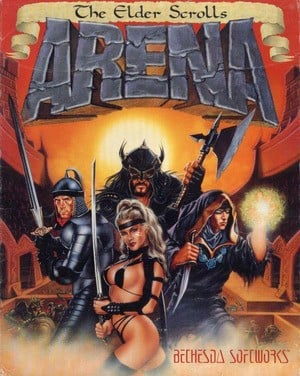
Bethesda’s entry into the high-fantasy RPG market was met with significant industry skepticism in the early 1990s. Prior to the release of The Elder Scrolls: Arena in 1994, the studio was primarily recognized for titles such as Wayne Gretzky Hockey and various licensed projects based on the Terminator film franchise. When Bethesda announced its intent to develop a complex, immersive RPG, established developers at studios like Sir-Tech—the team behind the acclaimed Wizardry series—expressed public doubt.
In a 1995 interview with PC Gamer, Bethesda president Christopher Weaver recounted the resistance the company faced from distributors and retailers. The prevailing sentiment among market gatekeepers was that a company specialized in sports simulations lacked the pedigree to manage the dense, lore-heavy requirements of the RPG genre. Arena, which began as a multiplayer gladiator-themed management game inspired by the film The Blood of Heroes, eventually pivoted to a single-player experience. Despite the eventual success fueled by organic word-of-mouth growth, the game’s initial commercial performance was lackluster, nearly stalling the franchise before it had a chance to mature.
From Arena to Daggerfall: A Shift in Vision
The transition from Arena to Daggerfall represented a fundamental shift in Bethesda’s design philosophy. Initially, the sequel was slated to be a smaller-scale expansion titled The Elder Scrolls: Mournhold. However, lead designer Julian LeFay and his team elected to broaden the scope significantly. Several factors influenced this decision, including the technical limitations of simulating the complex, mountainous geography required for a Morrowind-based setting and a perceived need for a more accessible fantasy aesthetic.
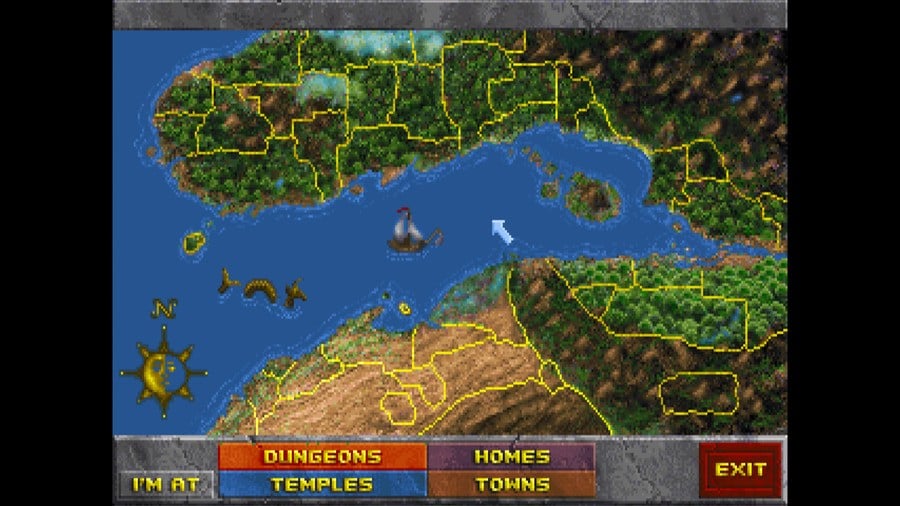
The team settled on the Iliac Bay region, providing a backdrop of high-fantasy tropes—Breton and Redguard cultures—that the developers deemed more marketable to the North American audience. This period of development, beginning around 1994, saw the introduction of a new technological backbone: the Xngine. This engine allowed for multi-level dungeons and advanced verticality that far exceeded the capabilities of Arena’s raycast-based rendering.

The Mechanics of Ambition: Character Systems and World Design
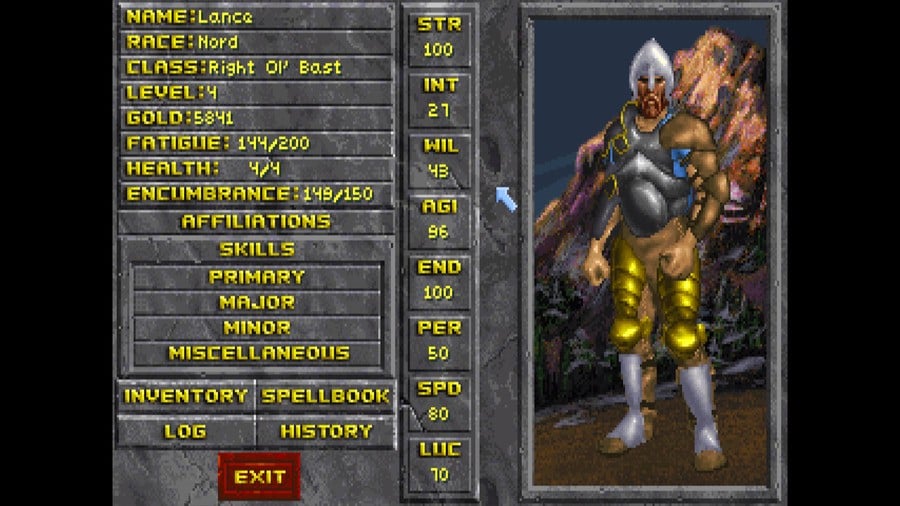
Daggerfall was designed with the intention of emulating the depth of pen-and-paper tabletop systems. Key to this was a departure from the class-based restrictions of Arena. Daggerfall introduced a robust character creation suite, allowing players to assign custom advantages and disadvantages that impacted gameplay speed and difficulty. This system encouraged non-linear progression, where leveling was tied to skill usage in the open world rather than arbitrary combat milestones—a design choice that remains a hallmark of the series in modern iterations like Skyrim.
The sheer scale of Daggerfall’s world map remains a historical anomaly. By utilizing procedural generation, the developers created a landmass of roughly 60,000 square miles, featuring thousands of towns and dungeons. While much of this space was empty or repetitive, it established the concept of the "epic scale" that would define the Bethesda brand. The inclusion of complex systems like vampirism, lycanthropy, and intricate political factions underscored a desire to move beyond the binary moral structures of traditional 1990s fantasy games.
The Price of Innovation: Development and the Culture of Crunch
The development of Daggerfall was characterized by a lack of formal scheduling and a high-pressure environment that strained the small team. According to lead designer Ted Peterson and programmer Bruce Nesmith, the project was intended to take 18 months, yet ballooned into a three-year effort marked by relentless "crunch."
The internal pressure was compounded by external commercial obligations. Bethesda management had secured shelf space at major retailers like CompUSA based on projected release dates that were consistently missed. This forced the studio to scramble, leading to instances where they reportedly offered other products, such as the title PBA Bowling, to fill the retail slots reserved for Daggerfall.
The human cost of this development cycle was profound. Julian LeFay, often cited as the primary architect of the franchise’s early identity, later described the period as a near-total breakdown of his personal well-being. Staff members worked seven-day weeks, often in physically taxing office conditions. This environment resulted in a product that was, by all accounts, released before it was fully polished. When Daggerfall hit shelves in September 1996, it was notorious for its technical instability and game-breaking bugs, including a flaw that could cause the main quest to become impossible to complete.
Critical Reception and Legacy
Despite its reputation for instability, Daggerfall was a critical success. Reviewers of the era praised the game as an unprecedented achievement in world-building and player freedom. It captured the imagination of the gaming press, with publications like Computer Gaming World and PC Gamer providing significant coverage that positioned the title as a savior for a supposedly declining RPG genre.
The broader implications of Daggerfall’s success cannot be overstated. It solidified Bethesda’s identity as a studio dedicated to "getting out of the player’s way," prioritizing the user’s experience within the world over rigid narrative structures. The systems introduced in 1996—from the skill-based advancement to the complex faction dynamics—laid the groundwork for the design documents of Oblivion, Morrowind, and Skyrim.
Analysis of the Franchise’s Evolution
The transition from a struggling sports game developer to a global RPG powerhouse was not a linear trajectory but a result of high-risk, high-reward development. The "disaster" of Daggerfall’s production cycle served as a formative lesson for Bethesda. The studio learned that while the appetite for massive, open-world games was immense, the infrastructure to support such ambitions required more than just creative zeal.

In the decades since, the Elder Scrolls franchise has moved toward more refined, albeit technically complex, releases. However, the DNA of Daggerfall remains visible. The transition from the "gladiator-esque" multiplayer concepts of the early 90s to the single-player, immersive simulations of today demonstrates a commitment to evolving the genre. The contributions of developers like LeFay, Peterson, and Nesmith provided a blueprint for modular, systemic design that allows players to dictate their own experience.
While the "death march" development of the mid-90s is now widely viewed as an unsustainable practice, the output of that era remains a testament to the developers’ tenacity. Today, fan-led projects such as Daggerfall Unity have modernized the engine and corrected many of the original release’s flaws, ensuring that the legacy of this pivotal title continues to influence modern game development. As the industry continues to push the boundaries of what is possible in digital worlds, the history of Daggerfall serves as a reminder that the most enduring franchises are often forged in the fires of near-collapse and creative audacity.