 Cecilia Chamidah Nur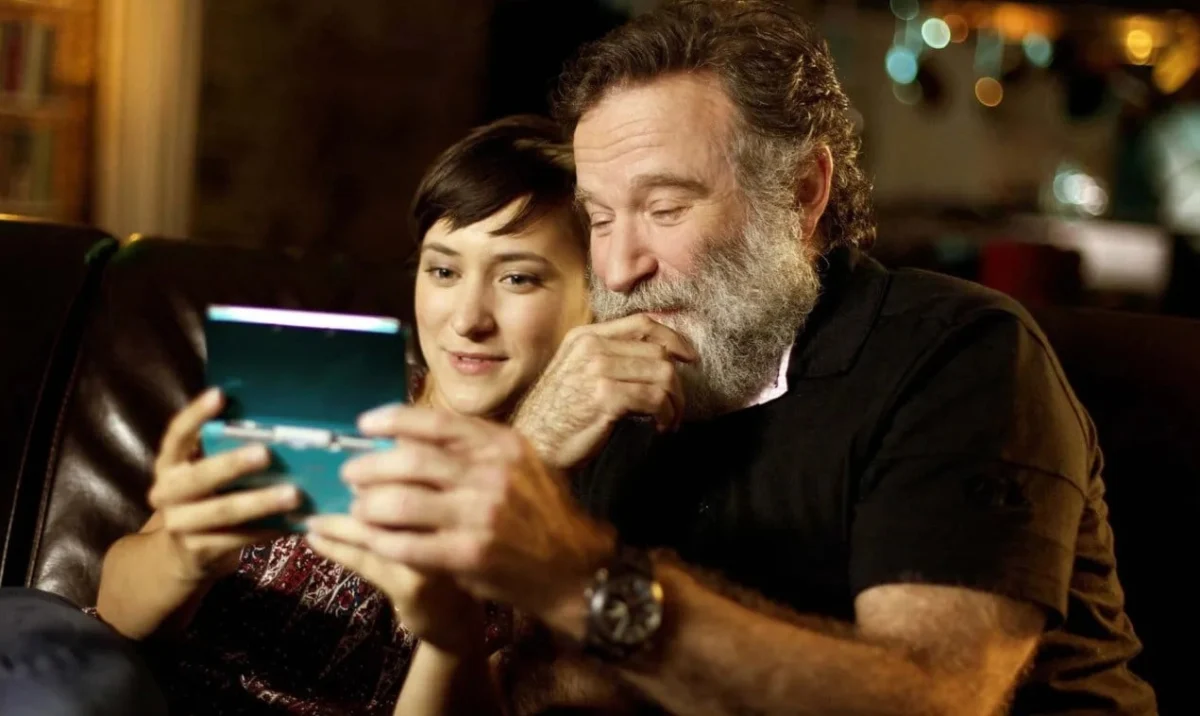
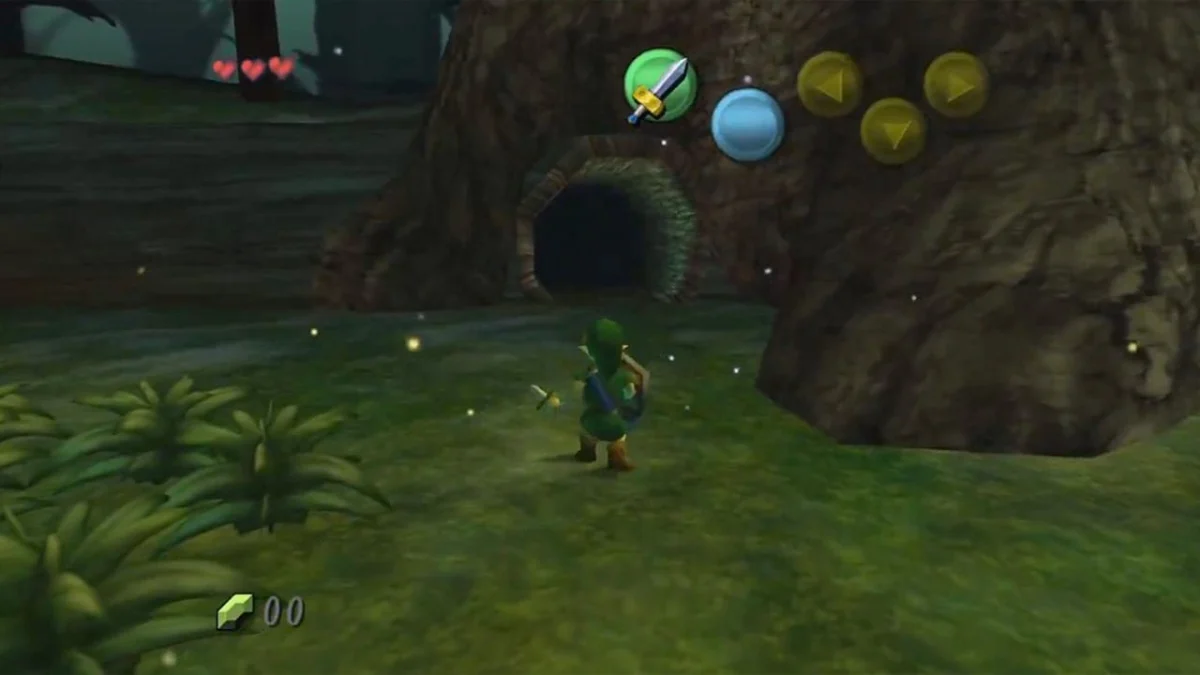
The 2011 marketing campaign for The Legend of Zelda: Ocarina of Time 3D remains a benchmark in the history of video game advertising. Featuring the late Robin Williams and his daughter, Zelda Williams, the commercials transcended the typical boundaries of product promotion by grounding the digital experience in a deeply personal, human narrative. With the recent announcement of a remake for the Nintendo Switch 2, interest in these iconic spots has surged, prompting a retrospective look at their genesis and the collaboration between Nintendo of Europe and the Williams family.
The Origin of a Marketing Landmark
The campaign’s foundation was built on a well-documented piece of pop-culture history: Robin Williams’ decision to name his daughter after the titular Princess Zelda from the original Nintendo Entertainment System (NES) title. While this anecdote had circulated in media circles since the early 1990s, it remained an untapped resource for Nintendo’s corporate marketing departments.
Gabriel Moszkowski, who served as the head of advertising and marketing for Nintendo’s handheld products in Europe at the time, recalls the realization that sparked the campaign. During preparations for the 3DS release of Ocarina of Time, Moszkowski observed a late-night television appearance in which the actor reiterated his affinity for the franchise. Recognizing an opportunity to align a "legendary game" with a "legendary fan," Moszkowski initiated contact with Williams’ representation.
The internal approval process at Nintendo was swift. Once the authenticity of the actor’s passion for the series was confirmed, Nintendo of Europe’s leadership authorized the proposal. By offering both Robin and Zelda Williams the opportunity to participate, the campaign secured a rare, authentic father-daughter dynamic that would ultimately define its emotional resonance.
Chronology of Production
The realization of the campaign required meticulous logistical planning, given Robin Williams’ high-profile career and demanding schedule. Directed by French filmmaker Julien Seri, the project spanned approximately six months, divided into three distinct production blocks.
- Initial Conception (Early 2011): Following the internal approval at Nintendo, Seri was selected from a list of candidates. Notably, Williams himself reviewed several directors’ reels and personally chose Seri for the project.
- Production Phase One (Mid-2011): The first commercial was filmed in New York City over a condensed window of approximately 90 minutes. At this time, Williams was performing on Broadway in the production of Bengal Tiger at the Baghdad Zoo, necessitating a specific aesthetic continuity—including his facial hair—that had to be integrated into the shoot.
- Subsequent Production Blocks: The remaining spots were filmed in San Francisco, where the actor resided. These sessions were arranged around his availability, eventually expanding the campaign to include promotions for Four Swords Adventures and Skyward Sword.
- The Final Collaboration (2014): Beyond the Nintendo campaign, the professional relationship between Seri and Williams had evolved into a personal friendship, with the pair actively developing a feature film titled Love Run. This project was ultimately halted following Williams’ passing in August 2014.
The Strategic Shift in Tone
The campaign’s structure followed a deliberate arc. The initial commercial was designed with an intimate, documentary-style approach, focusing on the historical context of Zelda Williams’ naming. This served as a "proof of concept" that anchored the product in genuine affection rather than mere commercial endorsement.
Subsequent advertisements pivoted toward a warmer, more comedic tone. This shift was a calculated evolution intended to showcase the natural rapport between the father and daughter. According to Seri, the spontaneity of their interactions often surpassed the scripted material, providing an "unexpected, genuine and alive" quality that is rarely achieved in scripted advertising.
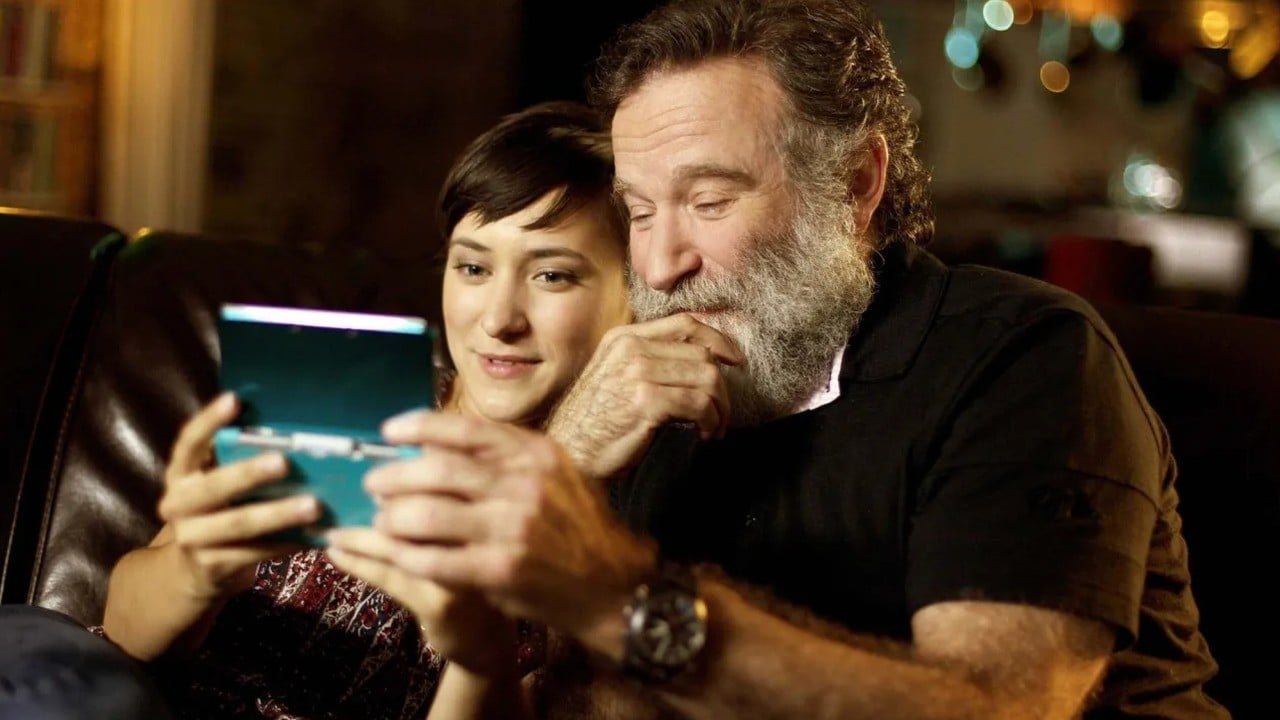
Data from the era suggests that this campaign significantly bolstered the visibility of the Nintendo 3DS during a critical launch window. By leveraging the cross-generational appeal of the Williams family, Nintendo was able to bridge the gap between long-term fans of the N64 original and a younger, modern audience discovering the handheld device.
Professional Reflections and Industry Impact
The legacy of the campaign lies not only in its commercial success but in the professional bond formed between the creative team and the actor. Julien Seri recounts the experience of working with Williams as one of the most significant of his career. He highlights the actor’s humility, noting that despite his status, Williams referred to him as "Boss," a signifier of the mutual respect cultivated on set.
"He was a remarkably talented, generous and funny man, a deeply engaged collaborator, and someone whose warmth made every day on set feel easier," Seri noted in a recent reflection.
Moszkowski, similarly, underscores the actor’s authentic interest in the hardware. During the production, Williams was frequently seen engaging with a development kit of the Ocarina of Time 3DS prototype between takes. By the conclusion of the six-month production cycle, reports suggested that Williams had played through nearly half of the game, a testament to his status as a legitimate consumer and enthusiast of the medium.
Broader Implications for Gaming Marketing
The success of the 2011 Zelda campaign served as a precursor to modern marketing trends that prioritize creator authenticity and celebrity integration. Before the widespread adoption of influencer marketing, the Williams/Nintendo collaboration demonstrated that a brand could effectively leverage a celebrity’s personal history to create a narrative that consumers found genuinely compelling.
The campaign’s impact remains a standard for the gaming industry. It proved that when a company moves beyond transactional endorsements and aligns its products with the authentic life experiences of its users, the resulting content achieves a longevity that outlasts the product cycle.
As Nintendo prepares to revisit the legacy of Ocarina of Time with the Nintendo Switch 2, the industry looks back at the 2011 campaign as a definitive moment where the worlds of high-level comedy, personal heritage, and interactive entertainment converged. The memories shared by Moszkowski and Seri provide a poignant reminder that the most effective marketing is often that which is rooted in human truth, a philosophy that continues to inform high-level advertising strategy today.
While the tragic loss of Robin Williams in 2014 precluded future collaborations, the body of work he created with Nintendo remains a preserved artifact of his professional versatility and his lifelong passion for interactive storytelling. For the marketing teams involved, the campaign was more than a promotional endeavor; it was an exercise in capturing a sincere, intergenerational connection, ensuring that the legacy of both the actor and the game he loved would remain intertwined for years to come.