 Cecilia Chamidah Nur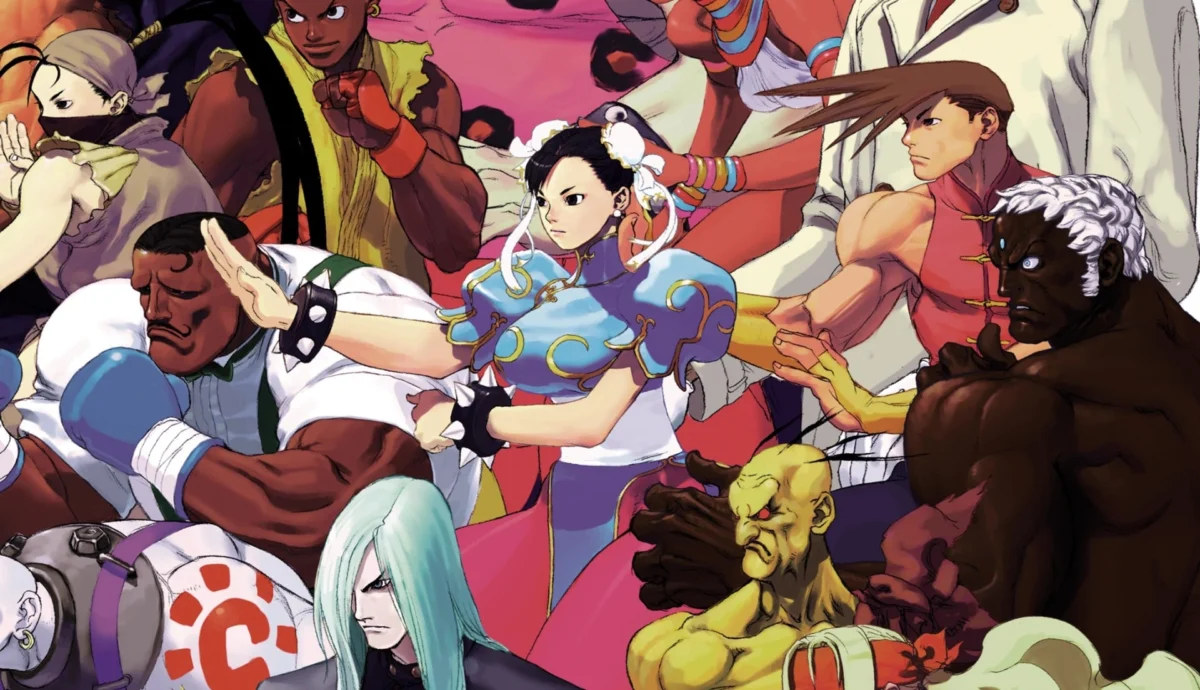
The Evolution of the Street Fighter III Series
The Street Fighter III series holds a unique position in the pantheon of fighting games. Launched in 1997 with Street Fighter III: New Generation, the series introduced a leap in graphical fidelity through Capcom’s advanced CPS-3 arcade hardware. Utilizing highly detailed, hand-drawn sprites and fluid animation, the game moved away from the pixel-art aesthetic of the Street Fighter II era toward a more cinematic visual style.
However, the series underwent rapid iteration. Later in 1997, Capcom released Street Fighter III: 2nd Impact – Giant Attack, which introduced new characters and refined mechanics. The culmination of this development cycle arrived in 1999 with Street Fighter III: Third Strike – Fight for the Future. Third Strike is widely regarded by the competitive community as the most balanced and technically sophisticated entry in the franchise, featuring an intricate parry system and a diverse roster of fighters.
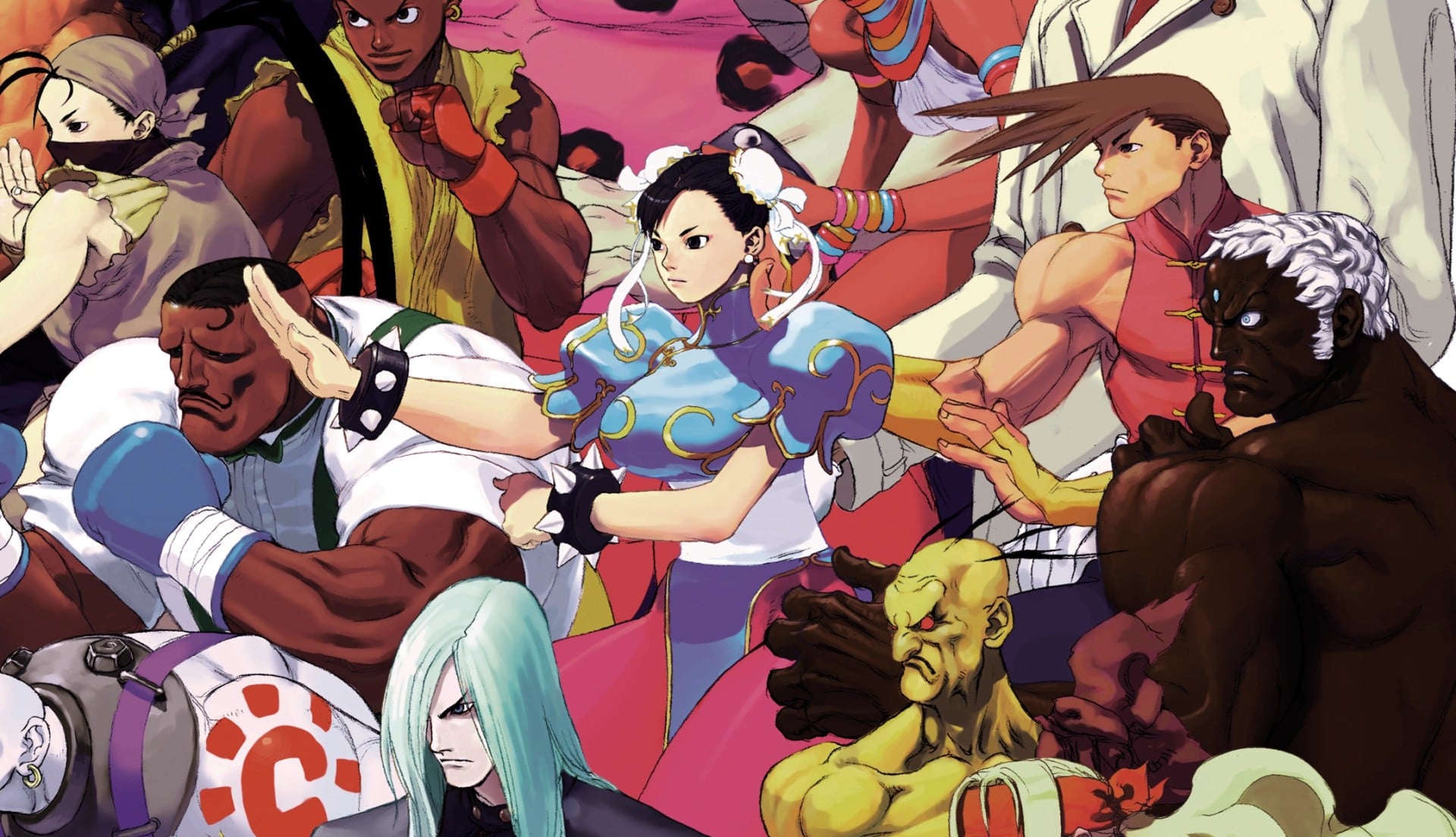
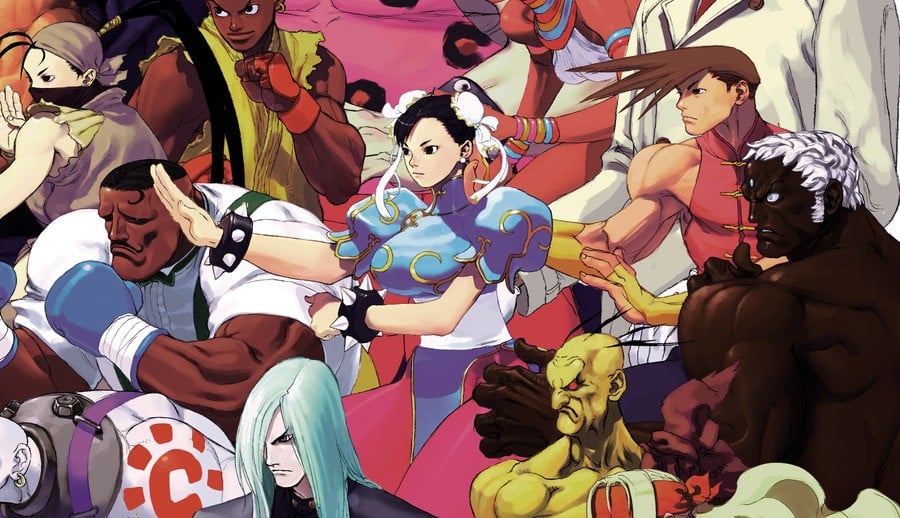
Despite its critical and competitive success, Third Strike’s development necessitated compromises. To accommodate the inclusion of five new characters—including fan-favorites like Chun-Li and the enigmatic Q—and to maintain the game’s demanding performance standards on the aging CPS-3 architecture, developers were forced to remove a substantial number of stages from the previous two iterations. These environments, which included unique backgrounds for characters and specific location variants, were effectively consigned to the archives, never to reappear in subsequent console ports or the Street Fighter 30th Anniversary Collection.
The Technical Challenge of Restoration
The restoration effort, spearheaded by the modder known as "DrewDos," involves a complex re-engineering of the CPS-3 system’s original code. The CPS-3 board, a CD-ROM-based system, was notorious for its specific memory constraints and security measures.
The core of the restoration relies on the utilization of the CPS-3’s seventh SIMM slot. Standard arcade boards for Third Strike utilized six SIMMs to manage the game’s assets. By enabling the seventh slot—a feature supported by the hardware but largely unused by the base game—DrewDos has created the necessary overhead to reintroduce the missing environmental assets from New Generation and 2nd Impact into the Third Strike framework. This process involves not just a simple porting of image files, but a complete recompilation of the game’s data structure to ensure that the new assets function seamlessly within the existing gameplay engine.

While the project is still undergoing active development and bug testing, the progress is substantial. The integration of these environments—ranging from the atmospheric caves of Akuma to the lush nature reserves associated with Elena—marks the first time these assets have been playable in a contemporary version of the game.
Chronology of the Street Fighter III Releases
To understand the significance of this project, one must look at the rapid release schedule that defined the series:
- February 1997: Street Fighter III: New Generation is released for the CPS-3 arcade system, setting a new benchmark for 2D animation.
- September 1997: Street Fighter III: 2nd Impact – Giant Attack introduces new mechanics and expanded rosters, utilizing updated background stages.
- May 1999: Street Fighter III: Third Strike – Fight for the Future is released, finalizing the series but cutting numerous stages to manage memory allocation.
- 2000: The Dreamcast port brings Third Strike to home consoles, maintaining the arcade’s stage limitations.
- 2011: Street Fighter III: Third Strike Online Edition is released on PS3 and Xbox 360, focusing on netcode improvements but omitting the missing legacy stages.
- 2018: The Street Fighter 30th Anniversary Collection is released across modern platforms, again omitting the legacy stages from the earlier iterations.
- 2024–2025: DrewDos begins public documentation of the effort to reintegrate the lost stages using expanded SIMM hardware.
Implications for Game Preservation
The work performed by DrewDos highlights the growing trend of fan-led software preservation. In an era where commercial re-releases often focus on emulation rather than restoration, the modding community has increasingly taken the responsibility of recovering "lost" content. By accessing the low-level architecture of the CPS-3, the project serves as a masterclass in reverse engineering.
From a competitive standpoint, the inclusion of these stages does not alter the gameplay balance, as the hitboxes and character movement parameters remain consistent with the original Third Strike. However, the psychological impact on the player experience is notable. The variety of environments provides a refreshed visual experience for a game that has been played at the highest competitive levels for over 25 years.
Furthermore, the project raises questions regarding the "definitive" nature of official collections. While Capcom’s official releases are lauded for their accessibility and accuracy, they are inherently limited by the constraints of the original hardware’s memory footprint at the time of development. Projects like this suggest that, with enough community effort, these limitations can be bypassed, potentially creating a "Super Third Strike" that functions as a comprehensive archive of the entire trilogy.
The Broader Impact on the Fighting Game Community
The reaction from the Street Fighter community has been overwhelmingly positive. Forums and social media channels dedicated to retro gaming have treated the progress updates as major news, reflecting the deep-seated attachment players have to the series’ aesthetics.
Industry analysts observe that this project is indicative of a broader cultural movement in gaming. As modern hardware becomes more capable of handling the emulation of older, more complex systems, the desire to "perfect" historical titles has intensified. By effectively creating an unofficial "definitive edition," the project honors the original developers’ work while simultaneously fulfilling the modern community’s demand for completeness.
While the original arcade hardware will always hold a sacred status among purists, the ability to play a version of Third Strike that contains every stage ever produced for the series is a triumph of technical ingenuity. It serves as a reminder that the lifespan of a video game is often determined not just by the developer, but by the dedicated enthusiasts who continue to iterate, polish, and preserve the software long after its commercial cycle has ended.
As DrewDos continues to squash the remaining bugs and optimize the stability of the project, the broader gaming industry remains a silent observer. Whether this work will lead to future collaborative efforts or simply remain a pinnacle of independent modding, the achievement stands as a testament to the enduring legacy of Street Fighter III. The warriors of the Third Strike era have long awaited the return of these stages; with this project, that wait is nearing its conclusion.