 Cecilia Chamidah Nur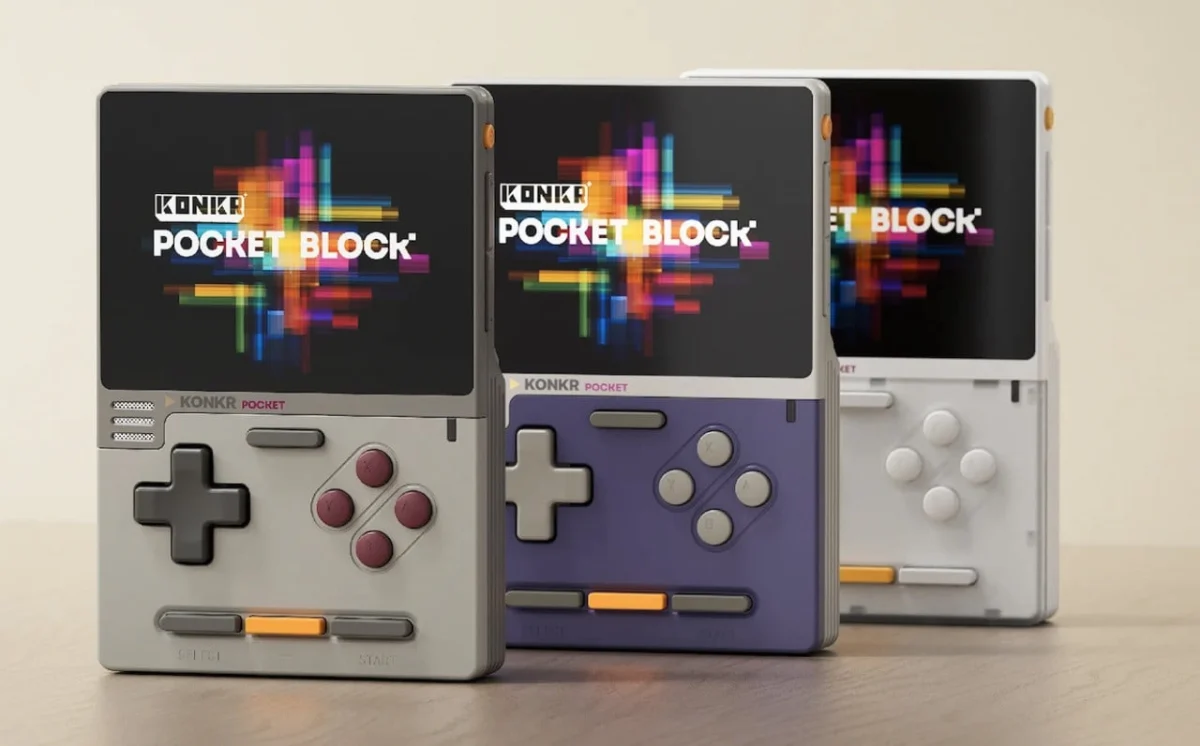
The landscape of the retro-gaming handheld market has seen a significant shift following the official market entry of the AYANEO Pocket Block, a device that has transitioned from speculative rumors and leaked imagery to a commercially available product. Following a series of teasers, leaks, and a high-profile livestream event, the Chinese manufacturer AYANEO has confirmed the specifications, pricing, and availability of its new vertical-form-factor device, while also shedding light on its broader strategy regarding AI integration and niche hardware variants.
The Evolution of the Pocket Block: From Rumor to Retail
The journey of the AYANEO Pocket Block began in mid-May 2026, when promotional images surfaced online depicting a compact, vertical handheld reminiscent of classic designs such as the original Game Boy. At the time, the industry was skeptical, with some observers suggesting the leaked promotional materials might have been the product of generative AI, citing inconsistencies in the branding text visible on the device shells. However, the subsequent "Live Chat" event hosted by AYANEO CEO Arthur Zhang confirmed the legitimacy of the hardware, moving the conversation from skepticism to technical analysis.
As of September 28, 2026, the device is officially available for purchase through the company’s digital storefront. The Pocket Block enters the market at a highly competitive price point, signaling AYANEO’s intent to capture a segment of the audience that typically favors lower-cost, portable emulation hardware.
Technical Specifications and Market Positioning
The Pocket Block is built around an entry-level architecture, utilizing the MediaTek Helio G85 chipset. While this processor is modest by current high-end gaming standards, it is sufficient for the device’s target demographic: users interested in retro-gaming emulation and light Android-based titles.
The device features two primary configurations:
- Base Model: Priced at $79, this iteration includes 2GB of LPDDR4X RAM and 32GB of internal storage.
- Performance Model: Priced at $99, this variant doubles the internal storage to 64GB and increases the RAM to 3GB, offering a slightly more fluid experience for multitasking and library management.
Display-wise, the device utilizes a 3.33-inch LCD panel with a 4:3 aspect ratio and a native resolution of 960 x 720 pixels. This aspect ratio is a deliberate choice for the retro-gaming market, as it aligns with the native output of many classic console titles from the 8-bit and 16-bit eras, minimizing black bars and scaling artifacts. The hardware is powered by a 3500mAh battery, which, given the power efficiency of the Helio G85 and the small display size, is expected to provide substantial uptime for long-duration play sessions.
The "AI-Powered" Ambiguity
During the initial reveal in May 2026, AYANEO branded the Pocket Block as the world’s "first AI-powered handheld." This claim generated significant industry discourse, as the company initially provided little detail on how artificial intelligence would be implemented within such constrained hardware parameters.
In the portable gaming sector, AI has historically been utilized for tasks such as real-time translation—allowing players to navigate Japanese or Chinese language titles in real-time—and upscaling. However, with the Pocket Block’s modest chipset, the "AI" label appears to be more of a marketing umbrella for software-driven optimizations rather than intensive local generative tasks. As the industry moves toward more sophisticated mobile silicon, AYANEO’s attempt to stake a claim in the AI space suggests that future iterations of their handhelds will likely lean heavily into software-assisted performance management and user interface automation.
Design and Aesthetics
AYANEO has maintained its reputation for offering multiple aesthetic choices, a strategy that has served them well in the premium handheld space. The Pocket Block launched with two standard colorways: "Original Grey" and "Cube Purple."
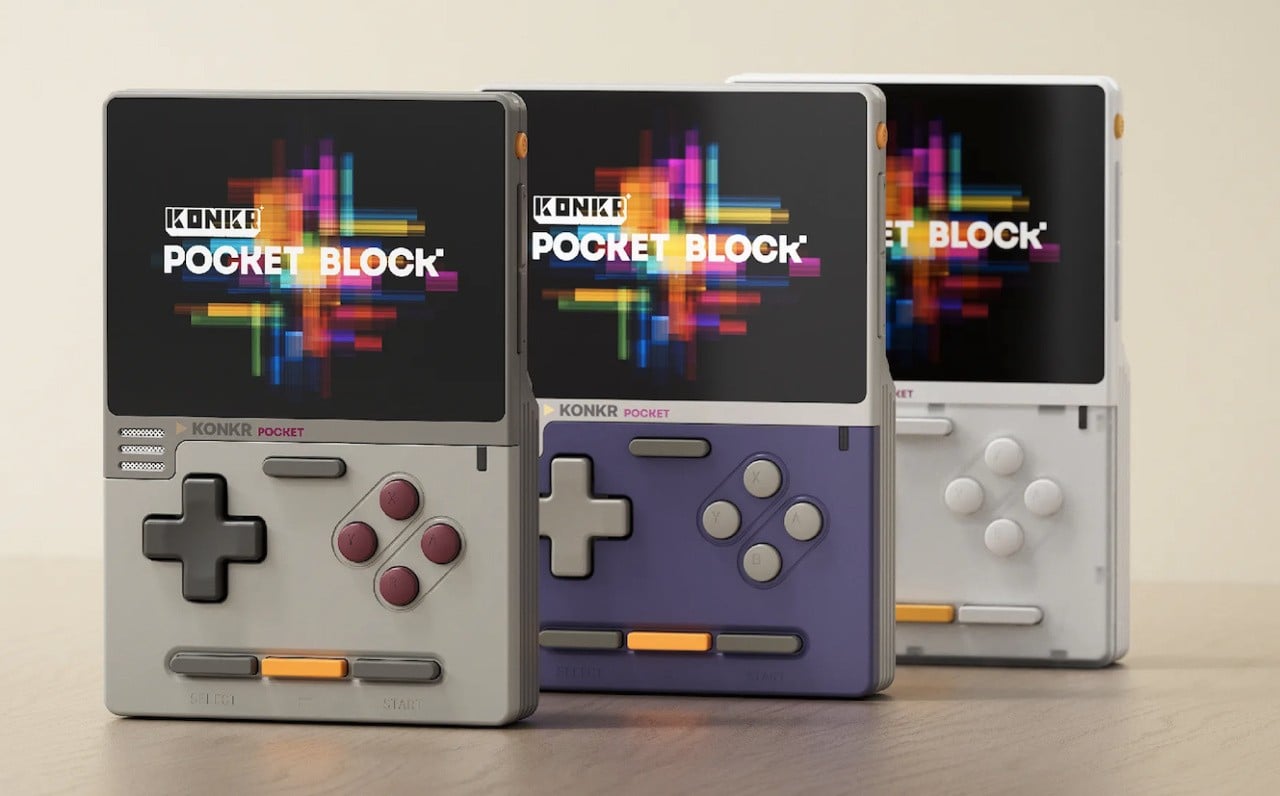
Perhaps the most notable addition for collectors is the "Atoms White" limited edition. This variant features a semi-transparent chassis, a design aesthetic that pays homage to the 1990s era of gaming hardware when clear plastics were synonymous with high-end tech. By focusing on both the form factor—a departure from the horizontal handhelds that have dominated the market since the rise of the Steam Deck—and these nostalgic design cues, AYANEO is clearly targeting a demographic that values aesthetic personalization alongside portability.
Complementary Hardware and Ecosystem Strategy
The announcement of the Pocket Block was accompanied by news of a secondary device, the AYANEO Pocket AIR Mini × Arcade Home Limited Edition. This hardware represents a specialized iteration of their existing Pocket AIR Mini line, specifically curated to include pre-loaded titles from IGS (International Games System).
This strategy highlights a pivot in AYANEO’s business model: rather than just selling raw hardware, the company is increasingly focusing on curated software experiences and partnerships. By bundling licensed arcade classics with specific hardware, AYANEO lowers the barrier to entry for users who may not have the technical expertise to configure emulators or manage game files, thereby broadening their market reach to include more casual consumers.
Industry Implications and Chronology
The rapid development cycle of the Pocket Block—from the first rumors in late May to a full market launch by late September—reflects the accelerated nature of the handheld gaming industry. The following timeline tracks the progression of these events:
- May 21, 2026: Initial reports emerge of a vertical handheld device labeled the "Pocket Block."
- May 25, 2026: AYANEO holds an official event confirming the Pocket Block and the Pocket AIR Mini × Arcade Home Limited Edition. The company introduces the "AI-powered" branding, though details remain sparse.
- September 28, 2026: The Pocket Block goes on sale, with detailed specifications and pricing finally made public. Shipping is scheduled to commence at the end of October.
The market impact of these releases is significant. By offering a $79 entry point, AYANEO is directly challenging the dominance of smaller, independent manufacturers that have long held the budget-conscious retro market. The company’s ability to leverage its existing brand equity while simultaneously experimenting with lower-cost segments allows it to maintain a presence in every tier of the handheld ecosystem.
Analysis of the Competitive Landscape
The decision to utilize the Helio G85 is a strategic one. While many enthusiasts advocate for higher-performance chips like the Snapdragon series, the G85 provides a balance of cost-effectiveness and heat management that is crucial for a handheld of this size. The thermal overhead in a vertical device is notoriously difficult to manage; by opting for a proven, lower-wattage processor, AYANEO ensures that the Pocket Block remains comfortable to hold during extended sessions.
Furthermore, the choice of Android 12 as the operating system provides a familiar, flexible environment for users. The ability to install third-party applications, cloud-streaming services, and established emulation front-ends ensures that the device remains relevant long after its initial purchase.
Conclusion: A New Direction for AYANEO
The release of the Pocket Block serves as a case study in how modern hardware companies navigate the demands of a saturated market. By listening to the demand for smaller, vertical devices and pairing them with aggressive pricing and nostalgic design elements, AYANEO has successfully pivoted from being a boutique manufacturer of high-end, premium-priced Windows handhelds to a diversified player in the portable space.
As shipping begins in late October, the real test for the Pocket Block will be user reception regarding the "AI" claims and the overall software stability of the device. If the hardware performs as advertised, it could set a new benchmark for what consumers expect from budget-tier handhelds, moving the industry further away from "generic" hardware and toward more refined, brand-differentiated experiences. The company’s commitment to providing both standard and limited-edition models ensures that they remain a key player to watch as the handheld market continues its rapid, unpredictable evolution.