 Indra Gunadi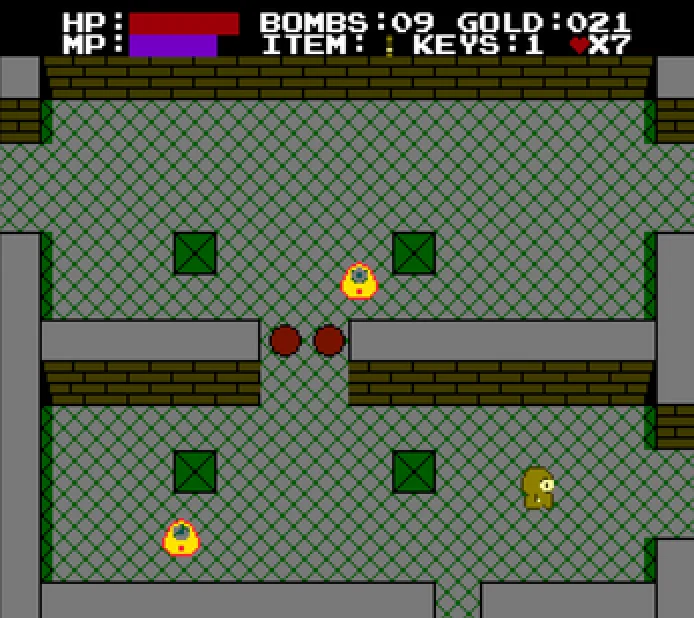
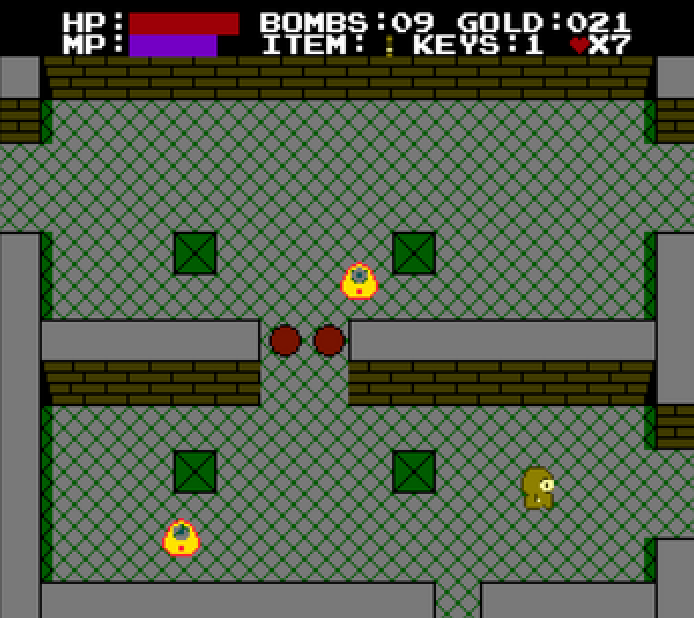
The retro gaming landscape has witnessed a significant addition in late 2026 with the release of Squatch Quest, a brand-new title developed specifically for the Nintendo Entertainment System (NES). Published by Seaside Studios, the game represents a growing trend in the software industry: the continued viability and cultural importance of "homebrew" development for legacy hardware. By utilizing the technical constraints of 8-bit architecture, the development team has managed to craft a Zelda-style adventure that balances modern design sensibilities with the aesthetic and functional limitations of 1980s console technology.
The Narrative and Gameplay Mechanics
Squatch Quest follows the protagonist, Sammy Squatchman, whose simple desire to spend time surfing with his raccoon companions is interrupted by the machinations of a primary antagonist, identified in the game’s lore as a Dark Warlock. The narrative structure places players in an open-ended exploration environment, a hallmark of the top-down action-adventure genre popularized by early entries in The Legend of Zelda series.
Mechanically, the game focuses on "emerald hunting"—a quest-driven progression system—intertwined with a unique "sasquatch magic" combat system. This magic component introduces a layer of complexity not typically seen in standard NES-era titles, requiring players to manage resources while navigating a world that demands both puzzle-solving and combat prowess. The interplay between the protagonist’s physical surfing-inspired mobility and his mystical abilities provides a mechanical core that distinguishes the title from traditional platformers of the same era.
The Evolution of the Homebrew Market
The release of Squatch Quest arrives at a time when the homebrew scene—defined as independent software created for obsolete consoles—has transitioned from a niche hobbyist pursuit into a professionalized sub-sector of the gaming industry. According to industry analysis from the past three years, the market for physical retro-style media has seen a compound annual growth rate (CAGR) of approximately 4.2%. This growth is driven by a demographic of collectors and enthusiasts who prioritize the tactile experience of cartridge-based gaming over digital distribution models.
Seaside Studios, by committing to the NES hardware, has effectively engaged with the "authentic experience" movement. This movement posits that the limitations of 8-bit processors—such as sprite flickering, limited color palettes, and restricted sound channels—are not hindrances, but rather creative boundaries that force designers to maximize gameplay efficiency and level design ingenuity.
Chronology of Development
The development lifecycle for Squatch Quest reflects the meticulous nature of modern retro development. While the project was officially announced in early 2025, the conceptualization phase began nearly 18 months prior.
- Q3 2023: Initial concept design for the Sammy Squatchman character and world-building of the forest-based environments.
- Q1 2024: Prototyping on NES-compatible emulators to ensure the game logic complied with the 6502 processor instruction set.
- Q4 2024: Audio engineering phase, focusing on synthesizing sound effects and musical scores within the constraints of the Ricoh 2A03 sound chip.
- Q2 2025: Beta testing and hardware compatibility checks to ensure the game runs on original hardware, including the original Nintendo front-loader and the top-loading model.
- October 2026: Final manufacturing and global release.
This timeline underscores the significant technical barrier to entry for developers today. Unlike modern indie titles developed in engines like Unity or Godot, Squatch Quest required the team to interface directly with assembly language, demonstrating a high degree of technical proficiency.
Industry Implications and Market Analysis
The implications of Squatch Quest’s release extend beyond simple entertainment. It highlights a shift in how legacy hardware is perceived by the global market. For decades, consoles like the NES were viewed as "disposable" tech, eventually to be replaced by successive generations of hardware. However, the emergence of companies like Seaside Studios suggests that these consoles have achieved a status comparable to vinyl records in the music industry: a permanent, functional medium that refuses to become obsolete.
Economically, the production of physical cartridges requires specialized manufacturing. This involves sourcing PCBs (printed circuit boards), producing plastic shells, and printing manuals and boxes that mimic the original Nintendo quality standards. By maintaining these standards, Seaside Studios is participating in an ecosystem that supports not just the developers, but also the independent manufacturers providing the physical components.
Data from the independent gaming sector indicates that physical releases of new NES games typically sell between 1,000 and 5,000 units during their initial production runs. These limited-run strategies create a secondary market effect, where the games often appreciate in value, further incentivizing the preservation of the medium.
Technical Challenges of 8-Bit Design
The design philosophy behind Squatch Quest is heavily influenced by the technical limitations of the NES. The developers faced the "Sprite Limit" challenge, which restricts the number of objects that can be displayed on a single horizontal line of the screen. To circumvent this, the team employed sophisticated programming techniques to flicker sprites in a way that remains visually unobtrusive to the player.
Furthermore, the "Emerald Hunting" system functions as a modular quest structure. By breaking the map into distinct regions, the developers managed to handle memory management within the console’s limited RAM. This approach is reminiscent of the "metroidvania" design philosophy, which emphasizes exploration and the gradual unlocking of areas through the acquisition of new abilities—in this case, the aforementioned "sasquatch magic."
Broader Impact on Cultural Preservation
While the gaming industry frequently moves toward digital-only platforms and cloud-based gaming, the release of Squatch Quest serves as a reminder of the importance of hardware-level software. Projects like this are often categorized as "digital archeology" or "living history." By continuing to write software for 40-year-old hardware, developers are ensuring that the skills and knowledge required to optimize code for limited environments do not disappear.
Industry analysts note that there is a symbiotic relationship between retro gaming communities and contemporary developers. Forums, social media platforms, and specialized trade shows have allowed developers to receive immediate, high-fidelity feedback from the very demographic that grew up with the console. This feedback loop ensures that the games produced are not merely "retro-inspired" in aesthetic, but "retro-authentic" in their interaction feel and responsiveness.
Future Outlook for Seaside Studios
Looking ahead, the success of Squatch Quest is likely to influence the strategic direction of Seaside Studios. The team has indicated that their goal is not just to produce single titles, but to build a library of content that respects the heritage of the NES while introducing modern storytelling techniques. As the console market becomes increasingly saturated with high-fidelity, resource-intensive titles, the low-barrier, high-engagement nature of 8-bit titles provides a stark, appealing contrast.
The release also highlights the importance of open-source documentation for the NES. Much of the progress made by developers today relies on the documentation of the console’s architecture, which was reverse-engineered by the community over decades. Squatch Quest is, in many ways, the culmination of this collective knowledge—a testament to what can be achieved when modern talent meets the constraints of early computing.
Conclusion
Squatch Quest is a significant entry in the 2026 gaming calendar, not for its computational power, but for its creative constraint and its contribution to the enduring legacy of the Nintendo Entertainment System. By blending a lighthearted, narrative-driven adventure with the technical rigor of 8-bit development, Seaside Studios has provided a compelling case for the continued relevance of retro hardware. As the industry looks toward the future of high-end graphics and cloud streaming, the persistence of projects like Squatch Quest reminds us that the fundamental appeal of video games—the joy of exploration and the challenge of mastery—remains independent of the technology used to deliver it. The game is currently available for enthusiasts and collectors, marking another successful chapter in the long, storied life of the NES.