 Hartono Sudibyo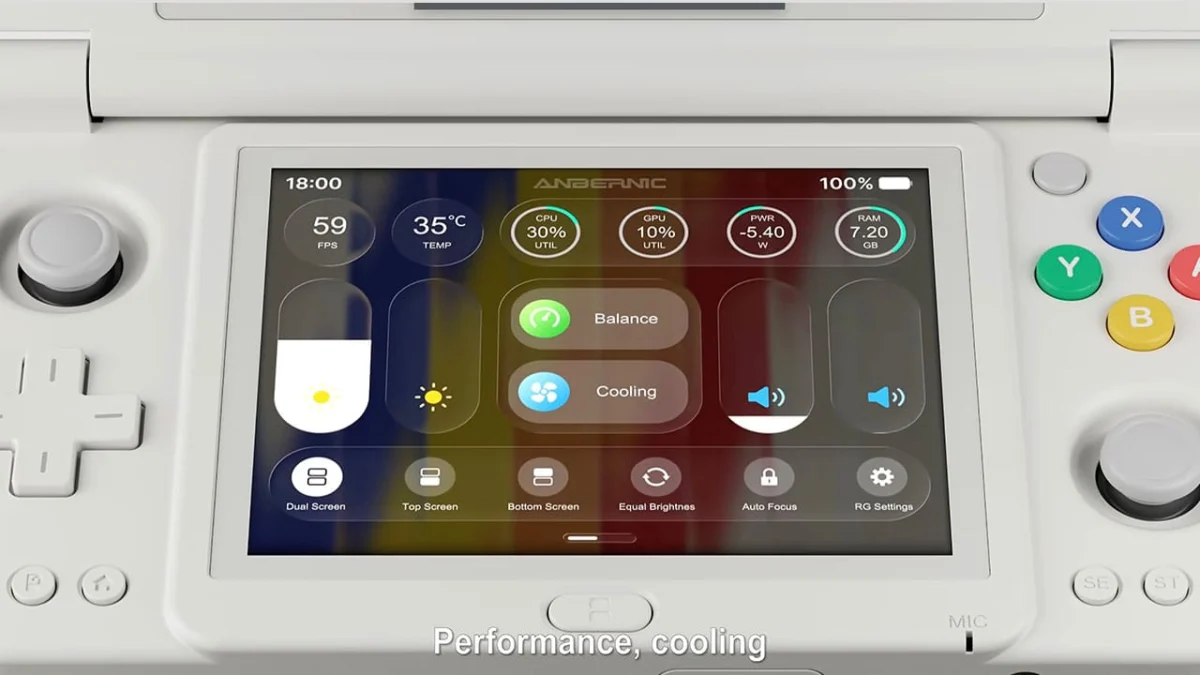
The handheld gaming landscape is undergoing a significant evolution as manufacturers seek to capture the enduring nostalgia of Nintendo’s dual-screen legacy. Anbernic, a prominent name in the retro gaming hardware market, has officially announced its latest flagship device: the RG DDS, standing for "Dream Dual Screen." Designed to closely emulate the physical dimensions and layout of the New Nintendo 3DS, the RG DDS omits stereoscopic 3D capabilities in favor of modern internal specifications, dual high-resolution displays, and versatile emulation performance.
The announcement has drawn substantial attention from enthusiasts and industry analysts alike, as the device positions itself directly against competing dual-screen and high-performance handhelds currently entering the market. With a robust hardware architecture spearheaded by Qualcomm processing technology, the RG DDS aims to deliver native-feeling experiences for Nintendo DS and 3DS software, alongside extended capabilities for broader retro and modern emulation.
Main Facts and Hardware Specifications
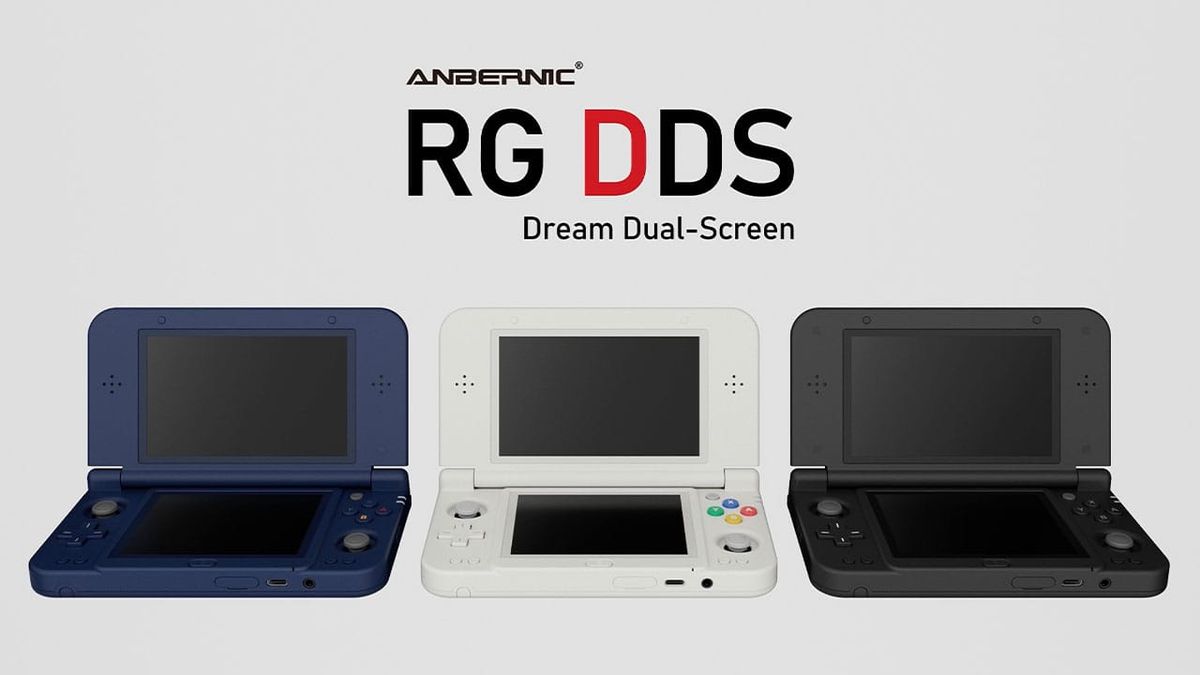
The Anbernic RG DDS closely mirrors the iconic clamshell design popularized by Nintendo over a decade ago. However, it introduces several modern hardware enhancements tailored to contemporary emulation standards. Official specifications released by the manufacturer highlight a dual-screen configuration engineered for precise integer scaling:
- Top Screen: 4.7-inch display featuring a 5:3 aspect ratio and a resolution of 1200×720.
- Bottom Screen: 4.0-inch display featuring a 4:3 aspect ratio and a resolution of 960×720.
- Scaling: True 3x integer scale configuration matching the exact aspect ratios required for accurate Nintendo 3DS emulation.
- Processor: Qualcomm Snapdragon G2 Gen 2 chipset.
- Graphics: Adreno A22 (functionally equivalent to the Adreno 735), with explicit support for Turnip drivers.
- Battery: 6000mAh rechargeable lithium-ion battery.
- Ergonomics & Controls: Integrated extendable stylus, front-firing stereo speakers, an updated linear vibration engine, and an additional right-hand thumbstick positioned beneath the primary action buttons.
- Color Options: Available in blue, white, and black finishes explicitly styled to evoke the classic colorways of the New Nintendo 3DS hardware generation.
The inclusion of the Qualcomm Snapdragon G2 Gen 2 chipset marks a notable performance tier for Anbernic, moving beyond traditional entry-level processors to support more demanding computational tasks. The device also features an integrated AI shortcut button located above the primary action controls, signaling an ongoing industry trend toward hardware-level artificial intelligence integration, though its exact software applications remain to be fully detailed by the manufacturer.
Chronology and Market Context
The trajectory leading to the announcement of the RG DDS reflects a broader resurgence in demand for dedicated dual-screen portable gaming devices. For years, emulation of Nintendo DS and 3DS titles on single-screen handhelds required compressed layouts, side-by-side window splitting, or touchscreen overlays that detracted from the original software design.

As mobile processors advanced throughout the early 2020s, developers and hardware manufacturers began exploring the feasibility of producing consumer-grade hardware featuring dual physical panels. Competitors such as AYN and Retroid have similarly introduced or teased multi-screen and high-performance handhelds, creating a competitive sub-sector within the broader retro gaming market.
Anbernic’s development cycle for the RG DDS represents a strategic shift toward high-end flagship products. While the company built its reputation on affordable, single-screen Linux and Android devices capable of emulating systems up to fifth and sixth-generation consoles, the introduction of the Snapdragon G2 Gen 2 platform elevates the RG DDS into a higher performance and pricing bracket. The timing of the announcement in late 2026 aligns with an increasingly crowded holiday hardware release schedule, putting pressure on rival brands to finalize their own dual-screen offerings.
Supporting Data and Interface Architecture
A critical engineering challenge in designing a dual-screen emulation device is maintaining accurate pixel mapping without introducing visual distortion. The RG DDS addresses this through its specific panel dimensions—a 4.7-inch 1200×720 top screen paired with a 4.0-inch 960×720 bottom screen. This configuration allows for a clean 3x integer scale for 3DS software, ensuring that text and graphics render crisply without the scaling artifacts common on generic displays.
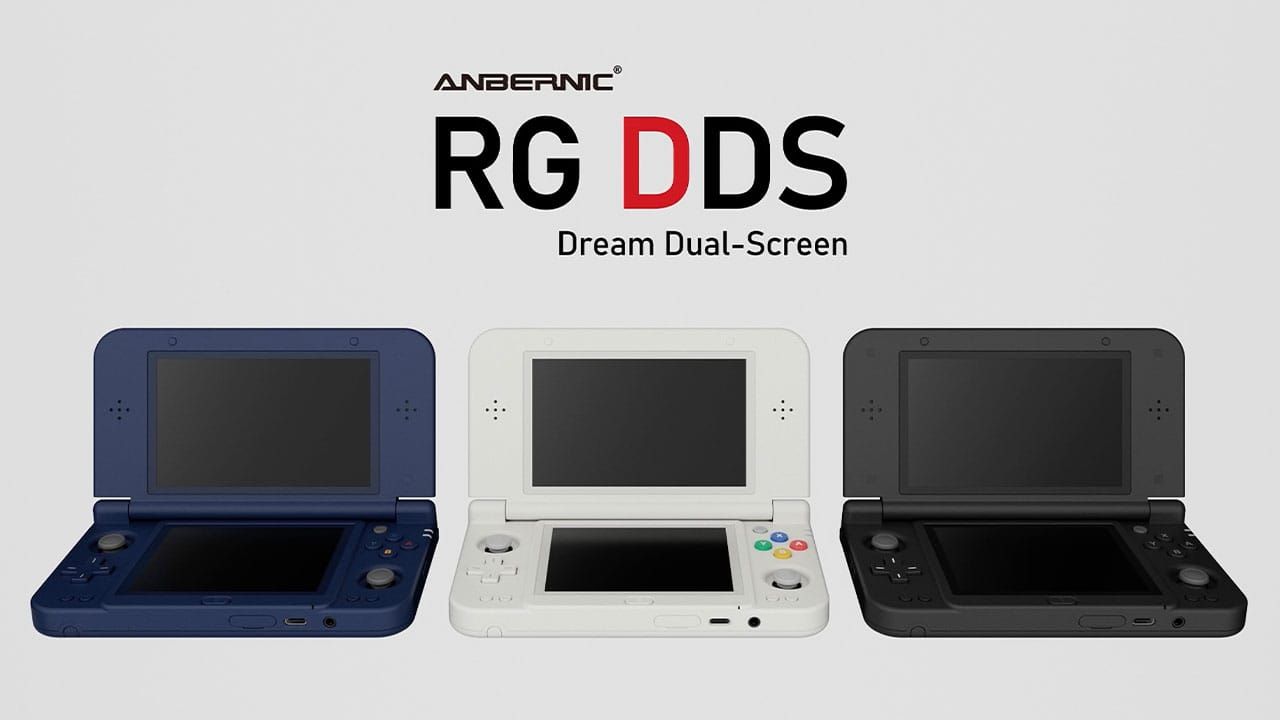
The software interface accompanying the hardware has been engineered to provide extensive parameter monitoring and system controls via the lower touchscreen. Users can access real-time system metrics, thermal management settings, and performance profiles through an overlay interface that resembles advanced telemetry dashboards. Input management is further facilitated by a physical stylus that docks securely within the chassis of the device, mirroring the traditional user experience of Nintendo’s hardware ecosystem.
Powering these components is a 6000mAh battery, a substantial capacity designed to sustain the dual-display setup and the power demands of the Snapdragon G2 Gen 2 processor during extended gaming sessions. Thermal dissipation is managed by an active cooling framework visible through the device’s diagnostic interfaces, ensuring sustained performance during intensive emulation tasks.
Industry Implications and Competitive Analysis
The entry of the Anbernic RG DDS into the market carries several implications for the handheld gaming community and competing manufacturers. By adopting a form factor that closely mirrors the New Nintendo 3DS—complete with symmetrical speaker grills, hinge mechanisms, and color schemes—Anbernic is deliberately targeting the nostalgia-driven consumer base that grew up with Nintendo’s seventh and eighth-generation portables.
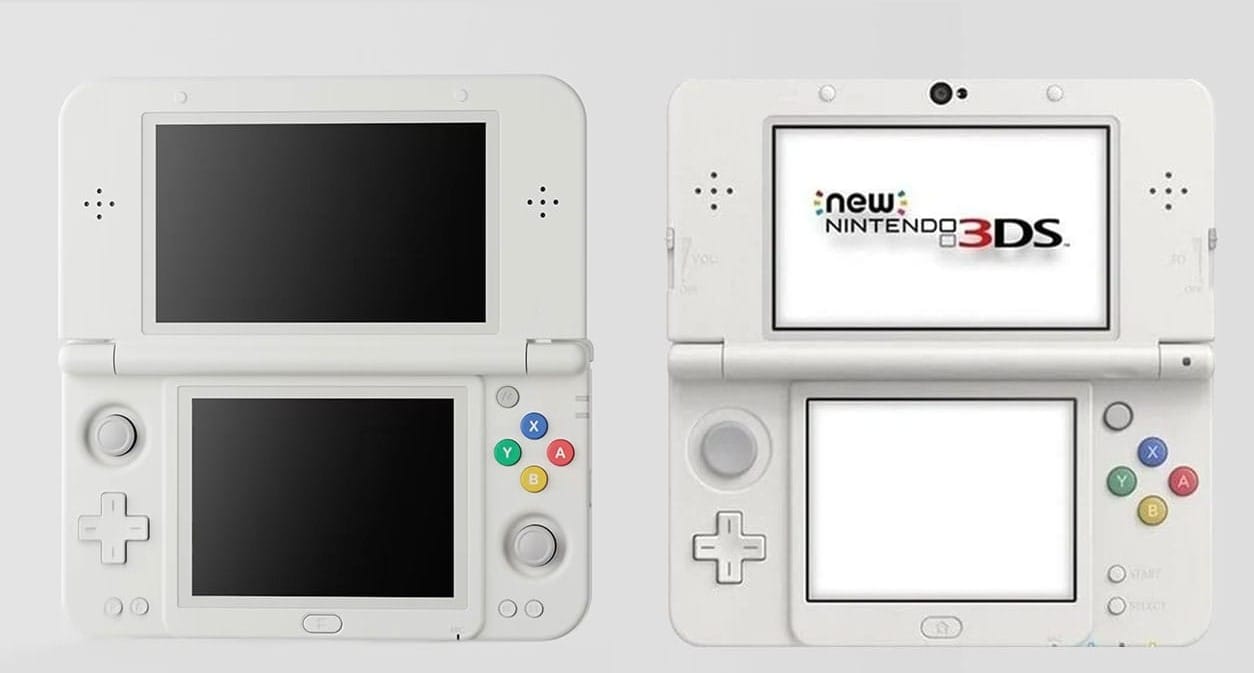
From a performance standpoint, the integration of the Snapdragon G2 Gen 2 places the RG DDS in a strong position to handle not only the complete library of Nintendo DS and 3DS titles but also more computationally demanding systems. Industry observers anticipate that the hardware will be capable of running select GameCube, PlayStation 2, and less demanding Nintendo Switch software, broadening its appeal beyond dedicated dual-screen enthusiasts.
Pricing and availability details remain unconfirmed by Anbernic. However, industry analysts project that given the inclusion of mid-tier Qualcomm silicon and dual high-resolution displays, the device will likely retail at a price point comparable to, or slightly exceeding, contemporary mid-to-high-tier Android handhelds such as the Retroid Pocket series and upcoming offerings from AYN.
As consumer demand shifts toward specialized hardware capable of native multi-screen emulation, the success of the RG DDS will largely depend on software optimization, driver support—particularly regarding Turnip driver implementation for the Adreno graphics architecture—and competitive pricing. Further updates regarding release dates, regional availability, and final software features are expected from Anbernic in the coming weeks.