 Vera Clarissa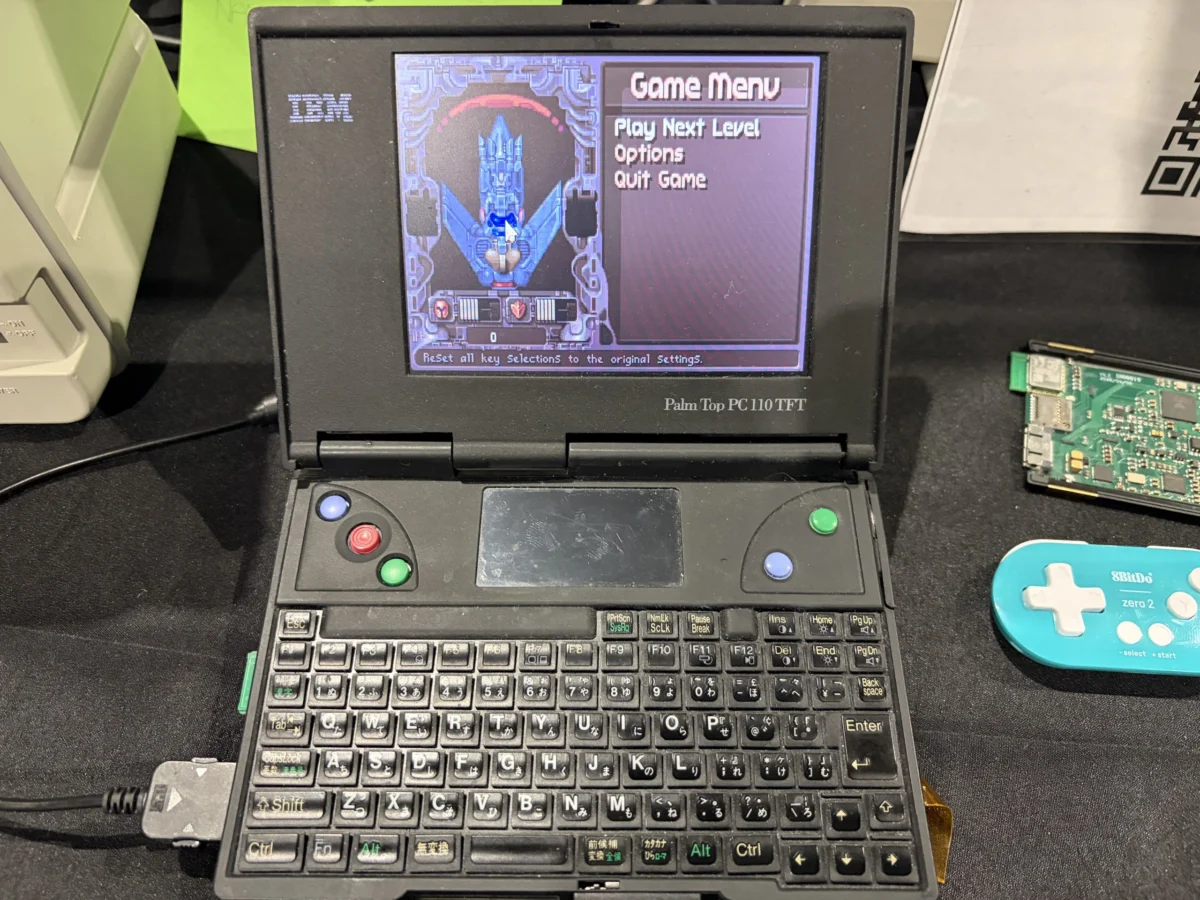
The Vintage Computing Festival (VCF) Midwest has solidified its reputation as the premier gathering for technology historians, hardware preservationists, and computing enthusiasts, offering an expansive look at the evolution of digital infrastructure. While the event maintains a strong association with the legacy of Apple, the most recent iteration of the festival showcased a vast, diverse ecosystem of historical hardware, ranging from mid-century vacuum tube circuitry to the early era of high-performance gaming PCs. Held annually, the festival serves not merely as a showcase of aesthetic nostalgia, but as a critical venue for the documentation and functional restoration of hardware that defined the last fifty years of human progress.

The Scope of Historical Computing Preservation
The exhibition floor at VCF Midwest serves as a living archive. The 2026 iteration highlighted the breadth of computing history, featuring displays that included the 1970s RCA Video Cassette Player, IBM’s niche Palm Top PC 110, and an array of Sun SPARCstation 10 systems. These devices represent more than just consumer electronics; they represent the transition from centralized, mainframe-dominated computing to the decentralized, personal computing revolution that characterized the late 20th century.

One of the most significant aspects of the event is the presence of industrial-grade machinery that rarely survives outside of museum basements. For example, the inclusion of a data control station used by the National Gas Pipeline of America provided a rare glimpse into the 1960s and 1970s mainframe era. The setup, complete with physical punch cards and bin storage, illustrated the labor-intensive nature of early data management. The preservation of these systems requires specialized technical knowledge, as the documentation for such hardware is often lost or restricted to private collections.

Chronology of Innovation: From Vacuum Tubes to Modern Retro-Modding
The timeline of technology presented at the festival creates a clear narrative of iterative advancement. Visitors observed the early foundations of electronics through displays of vacuum tubes, amplifiers, and radio receivers, which served as the building blocks for the more complex solid-state systems that followed. By the 1980s, the focus shifted to programmable automation, exemplified by the presence of "Topo the Robot." Originally a fixture of 1980s pop culture, Topo’s presence at the festival highlighted its significance as an early, albeit primitive, attempt at consumer-facing robotics and programmable movement.

As the decade turned into the 1990s and early 2000s, the exhibit transitioned into the era of the "LAN party" and the rise of the specialized gaming PC. Exhibits featured Windows XP-era hardware, which remains a focal point for modern hobbyists who prioritize the aesthetic and functional characteristics of that period. This era also introduced the "Ultra-Portable" market, with devices like the Sony VGN-P90HS. While these devices were often prototypes or limited-market releases during their original retail cycle, their presence at the festival provides a unique opportunity for engineers and historians to analyze the limitations of early mobile computing design.

Technical Analysis and Hardware Restoration
The festival is characterized by a high degree of technical competence among its exhibitors. For instance, the presence of a fully operational DEC PDP-8/1 system—a minicomputer that revolutionized data processing in the late 1960s—is a testament to the dedication of restoration experts. Maintaining such a system requires not only original spare parts but also an understanding of assembly language and legacy operating systems.

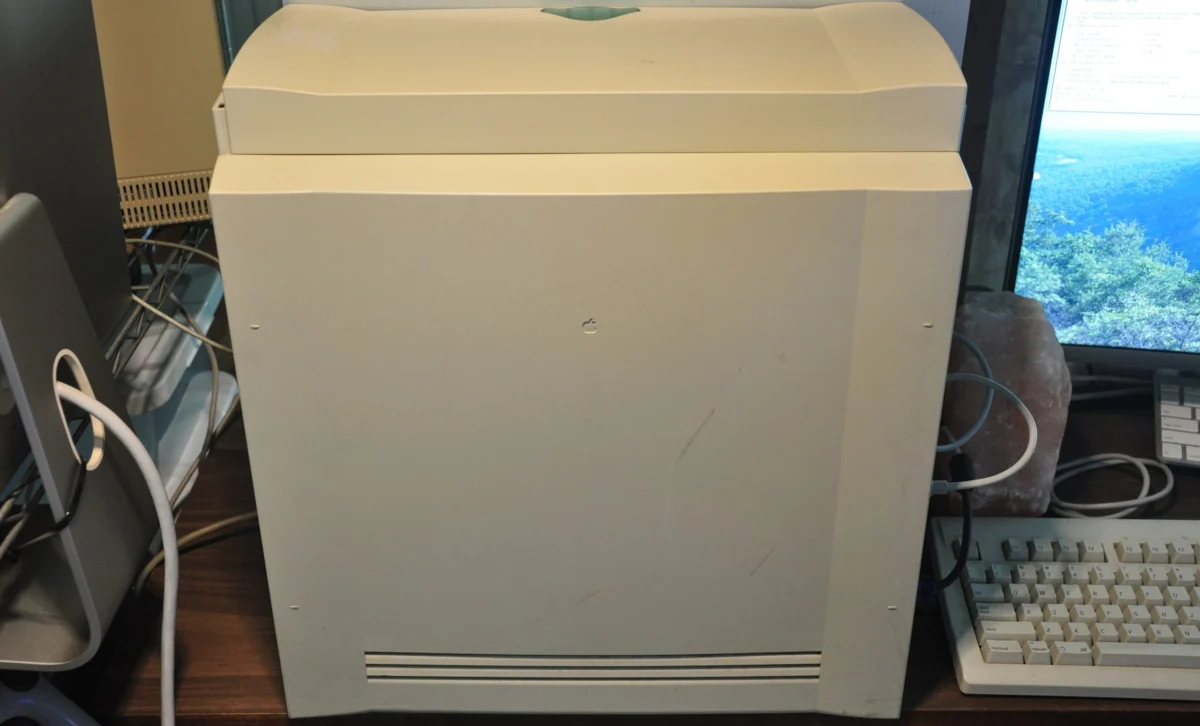
Similarly, the emergence of companies like MacEffects, which specialize in high-quality, aftermarket cases for vintage Apple hardware, underscores a shift in the hobbyist market toward professional-grade preservation. By creating new chassis for devices like the Power Mac G4 Cube, these organizations are ensuring that the physical legacy of these machines can persist long after the original plastic components have succumbed to degradation. This intersection of modern manufacturing techniques—such as 3D printing and precision injection molding—with legacy computing architecture represents a sustainable model for hardware history.

Broader Economic and Cultural Implications
The rise of events like VCF Midwest signals a growing public interest in the tangible history of technology. As software becomes increasingly cloud-based and hardware becomes more disposable, there is a measurable uptick in the desire to understand the "how" and "why" behind the devices that shaped modern society. This interest is not merely aesthetic; it is also academic. The documentation of OS/2 software, the analysis of early IBM architectures, and the functional testing of the TI 99/4A all contribute to a broader understanding of how computing standards were established and why certain systems succeeded while others failed.

Furthermore, the social aspect of the festival facilitates the transfer of institutional knowledge. Many of the systems on display are maintained by individuals who worked in the industry during the relevant eras. The interaction between these veteran engineers and younger enthusiasts ensures that the "tribal knowledge"—the undocumented tricks of the trade, the specific quirks of hardware maintenance, and the cultural context of the industry—is not lost to time.

Institutional and Community Perspectives
The festival also provided a platform for specialized vendors and independent projects, such as those by GlitchBits, which produces high-quality, design-focused accessories for the retro-computing community. The attention to detail in these products reflects the high standard of the event itself. Attendees, ranging from professional software developers to retired hardware engineers, share a common objective: the defense of historical information.

The event’s organizers note that the goal is to provide a space where the barriers between the past and present are lowered. Whether through the demonstration of a reproduction Apple I computer or the exhibition of a high-performance Cray CX40 compute node, the festival creates an environment where technology is evaluated on its merit and historical context rather than its current market value.

The Future of Retro-Computing Festivals
As VCF Midwest continues to grow, it faces the challenge of scaling its operations while maintaining the intimacy and depth of its technical displays. The event’s success in 2026 suggests that there is significant demand for such venues. The implications for the technology sector are clear: as the speed of innovation accelerates, the need for a "grounding" point—a place to review, analyze, and learn from the architectures of the past—becomes increasingly vital.

The festival also serves as a reminder of the fragility of digital history. Without the efforts of these private collectors and organizations, the hardware that facilitated the digital transformation of the late 20th century would likely be relegated to landfills. Instead, these systems are kept in a state of operational readiness, allowing new generations to interact with the machines that laid the foundation for the internet, mobile communications, and modern computing.

In conclusion, the VCF Midwest provides a crucial service to the technological community. By cataloging the evolution of hardware and fostering a culture of preservation, the festival ensures that the story of human innovation remains accessible. Whether through the study of a washing-machine-sized hard drive or the appreciation of a tiny Japanese prototype laptop, attendees are encouraged to look back at the origins of their tools, a practice that is essential for informing the direction of future technological development. The dedication displayed by the exhibitors and the organizers ensures that the history of computing remains a living, breathing, and functional reality for all who attend.