 Retno Hari Mulyono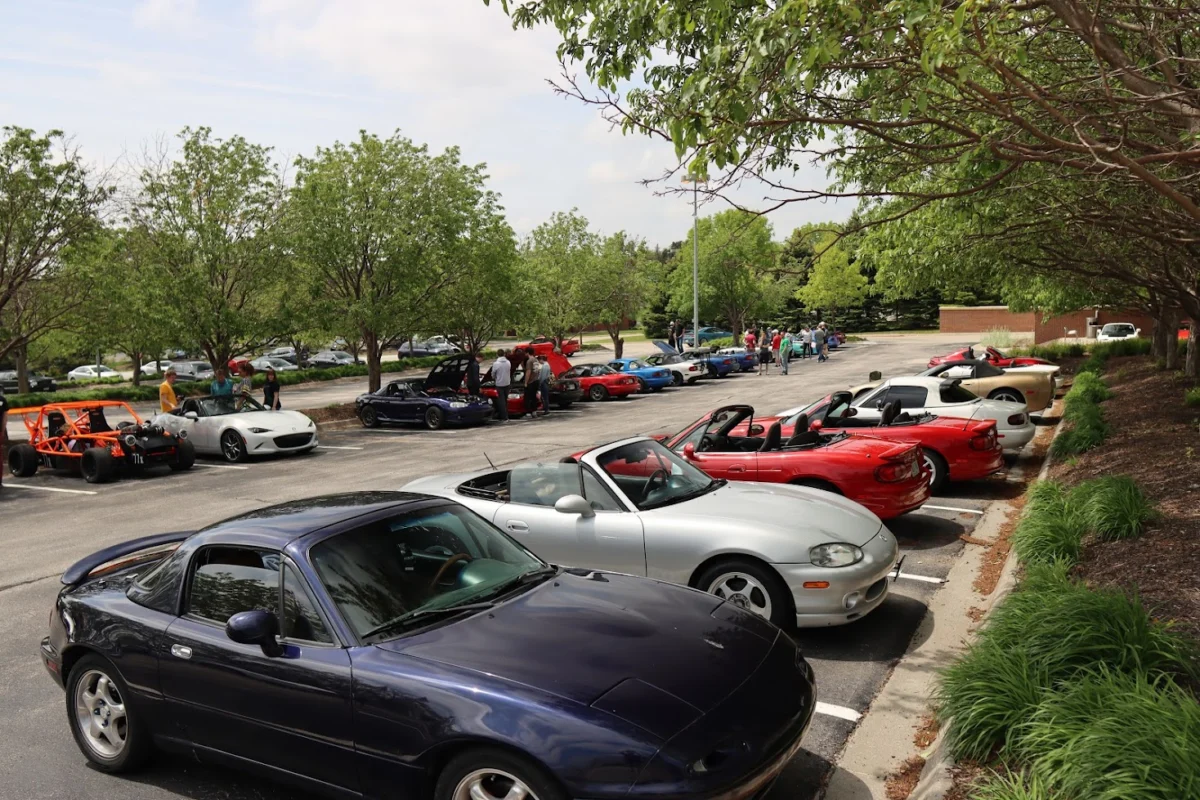
The enthusiast automotive market has long revered the Mazda MX-5 Miata as a pinnacle of accessible, lightweight rear-wheel-drive performance. Entering its second generation—designated internally as the NB—the Mazda Miata built upon the foundational success of the original NA pop-up headlight roadster while introducing a stiffer chassis, refined aerodynamics, and increased power from the BP4W 1.8-liter engine. For one automotive enthusiast, the acquisition of a 2000 model in late March 2021 marked the beginning of a rigorous twelve-month journey encompassing baseline maintenance, custom aesthetic modifications, high-performance exhaust tuning, competitive track and autocross events, and extensive winter overhaul projects. This chronicle examines the chronological evolution of a standard NB Miata into a dedicated track-day platform, reflecting broader trends in the enthusiast car culture.
The Foundation: Acquisition and Baseline Mechanical Restoration
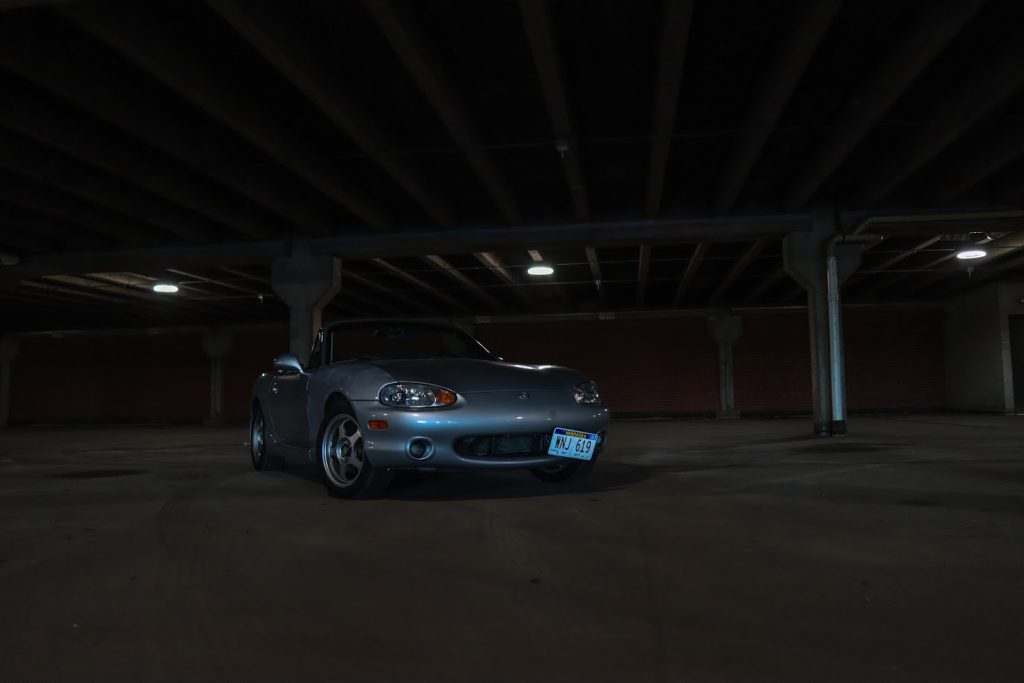
The journey commenced on March 19, 2021, with the purchase of a silver 2000 Mazda MX-5 Miata. Weighing roughly 2,300 pounds, the NB chassis embodies the traditional lightweight design philosophy that prioritizes handling dynamics and driver engagement over raw straight-line acceleration. While the stock 1.8-liter engine produces a modest 142 horsepower, the platform’s negligible mass and neutral weight distribution provide an ideal baseline for iterative modification. Furthermore, vehicles from this era strike a balance in automotive engineering, retaining mechanical rawness and analog feedback largely absent in modern, heavily digitalized passenger cars, while bypassing the severe electrical and structural liabilities associated with vintage pre-1980s automobiles.
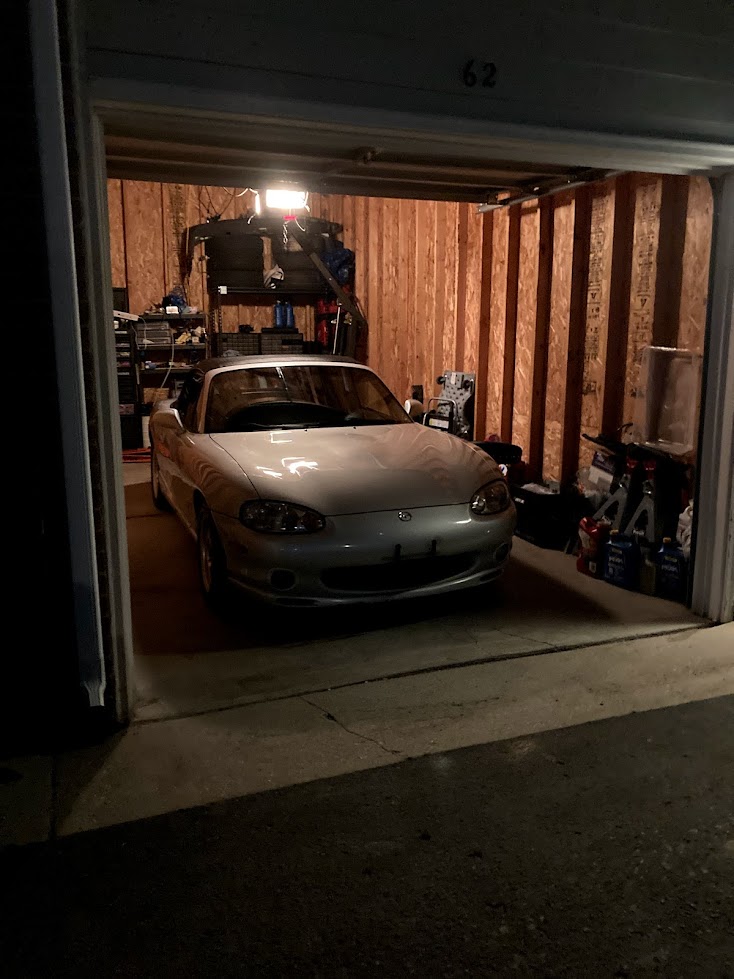
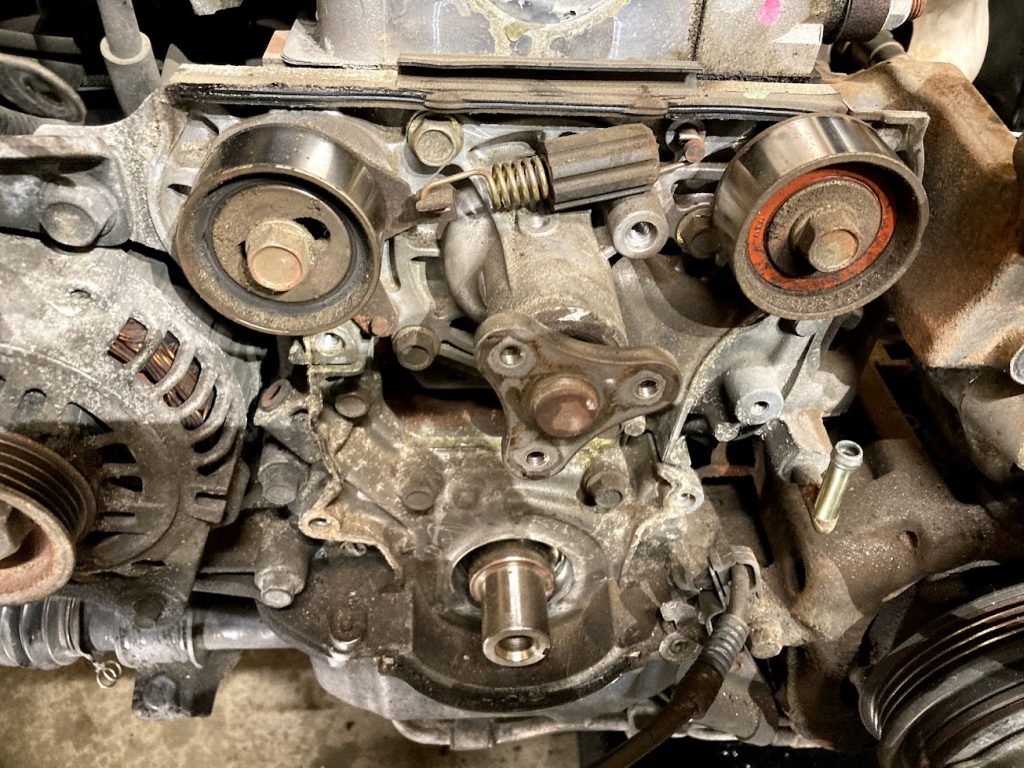
Because the acquired vehicle lacked a documented service history, preventive maintenance immediately superseded performance aspirations. Although the non-interference design of the BP4W engine mitigates catastrophic failure in the event of a timing belt fracture, unexpected roadside breakdowns remain a primary concern for high-mileage drivers. April 2021 was dedicated entirely to mechanical rehabilitation. The owner stripped down core components to address aging wear items, replacing fluids, belts, seals, and ignition components to ensure structural and operational reliability before subjecting the vehicle to the high thermal and mechanical stresses of competitive motorsport environments.
Community Engagement and Exhaust System Optimization
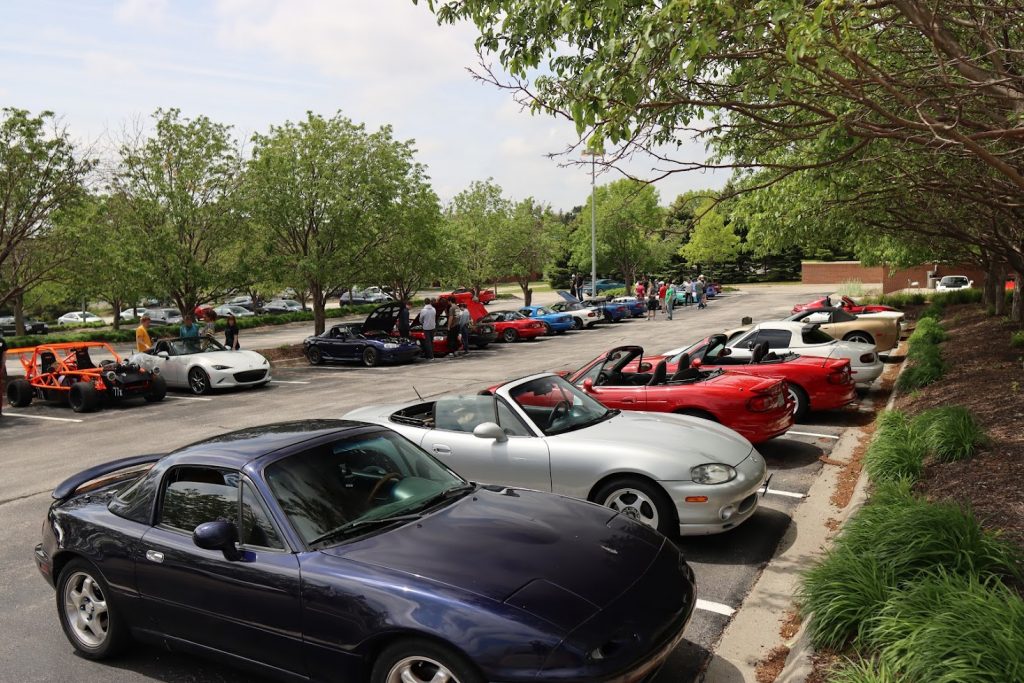
With the mechanical baseline secured, May 2021 shifted focus toward automotive community integration. Attendance at a regional Mazda Owners meet provided valuable insight into the diverse subcultures surrounding the MX-5 platform. The gathering featured vehicles spanning all four generations, ranging from factory-spec cruisers and forced-induction turbo and supercharged setups to extreme track-focused builds, such as a V8-powered Exocet tube-frame kit car. Such events underscore the unmatched aftermarket support and modular versatility that have sustained the Miata’s dominance in grassroots motorsports for over three decades.
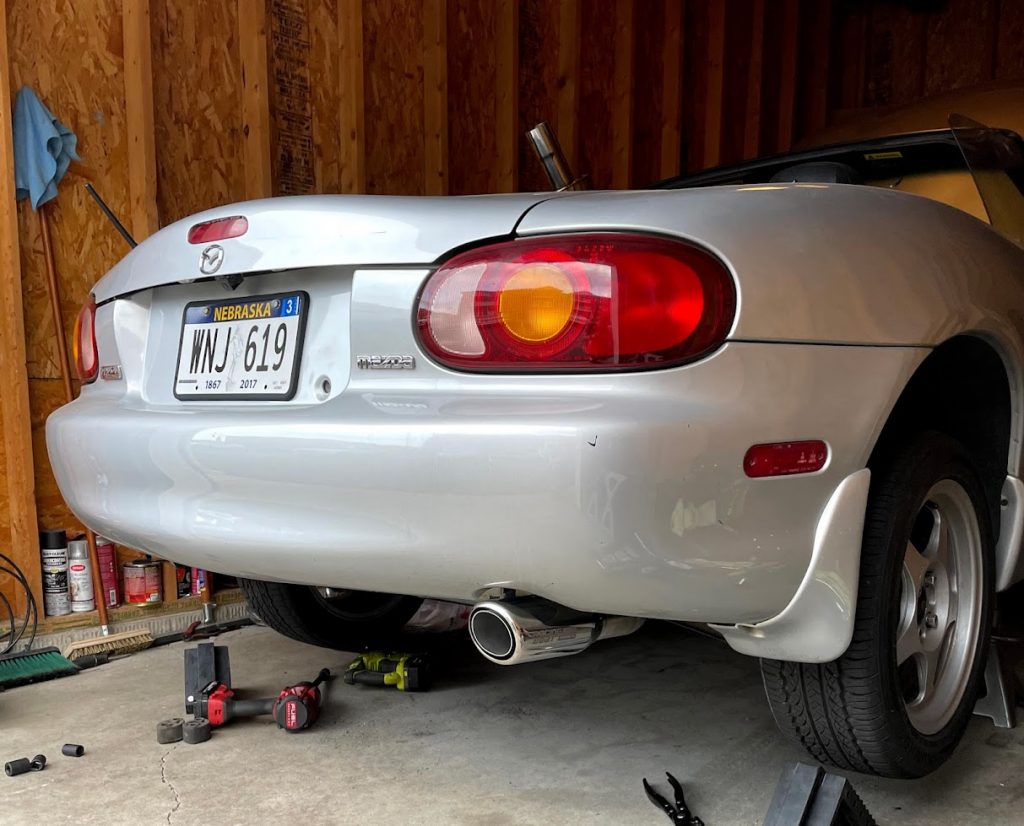
By June 2021, attention turned to resolving chronic exhaust system degradation, characterized by persistent catalytic converter diagnostic trouble codes and heavily oxidized mounting hardware. The factory system was completely excised and replaced with a performance-oriented aftermarket architecture. The installation of a Raceland exhaust header, a Cobalt midpipe, and a Racing Beat Power Pulse muffler successfully optimized the acoustic profile, delivering a resonant, balanced tone that avoided excessive cabin drone. However, the installation process highlighted the complexities of backyard tuning; an oversight involving the omission of the Exhaust Gas Recirculation (EGR) pipe re-connection triggered subsequent engine management codes, illustrating the delicate equilibrium required when modifying modern emissions-controlled engines.
Aesthetic Transformation: Transitioning to the Track
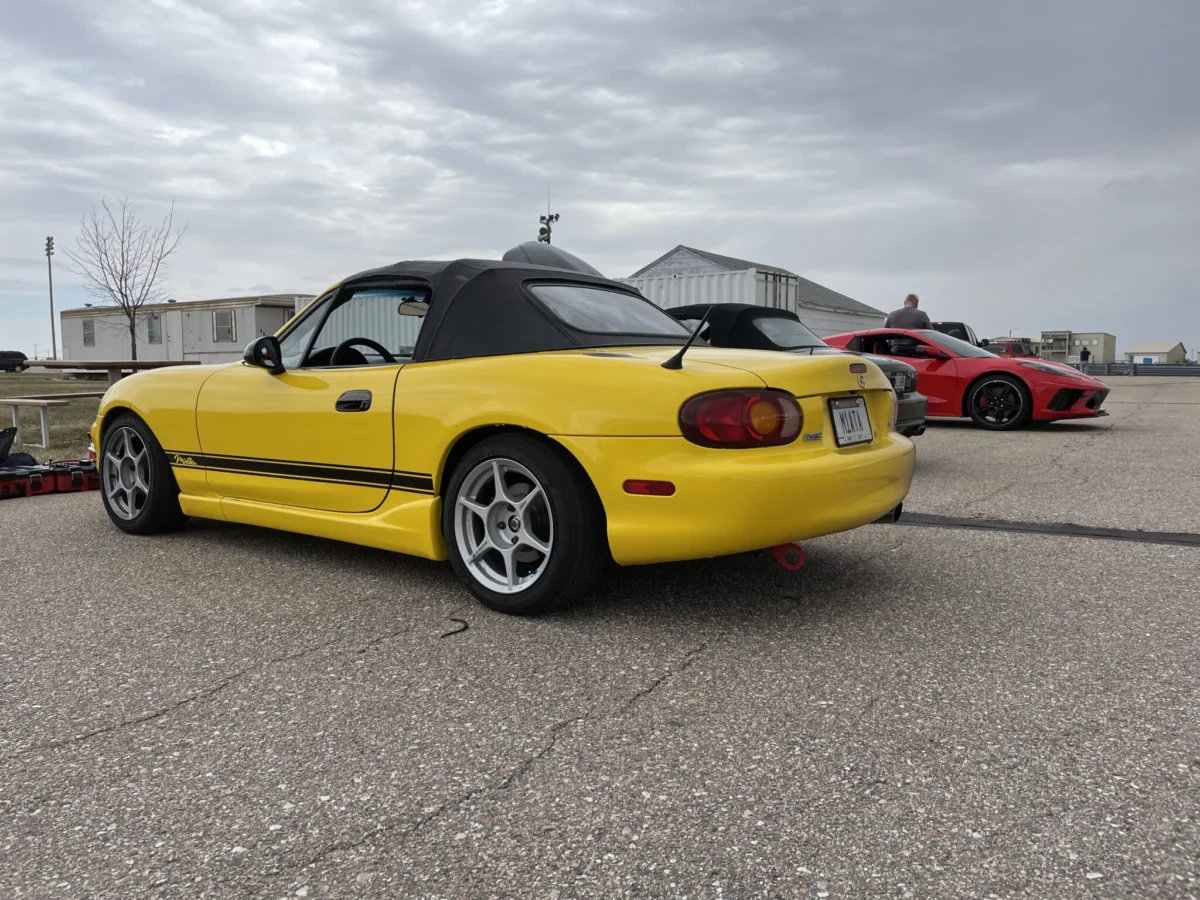
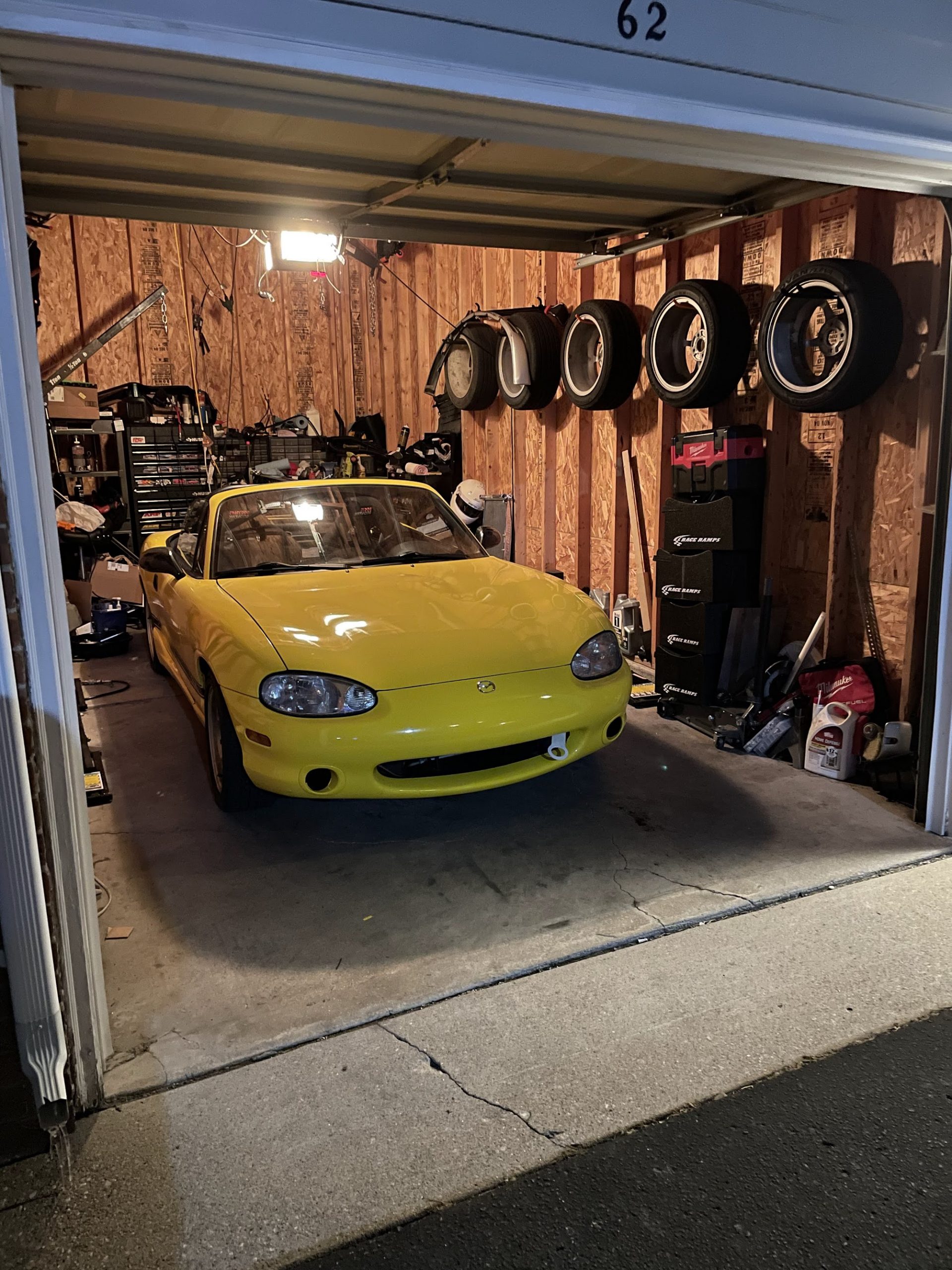
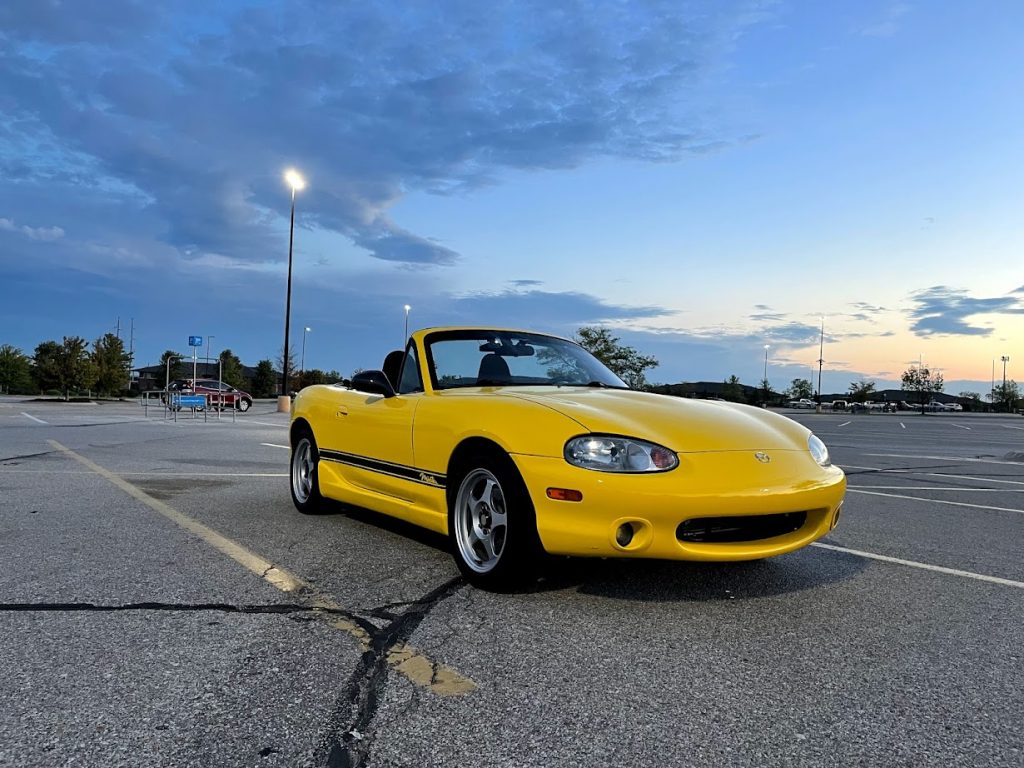
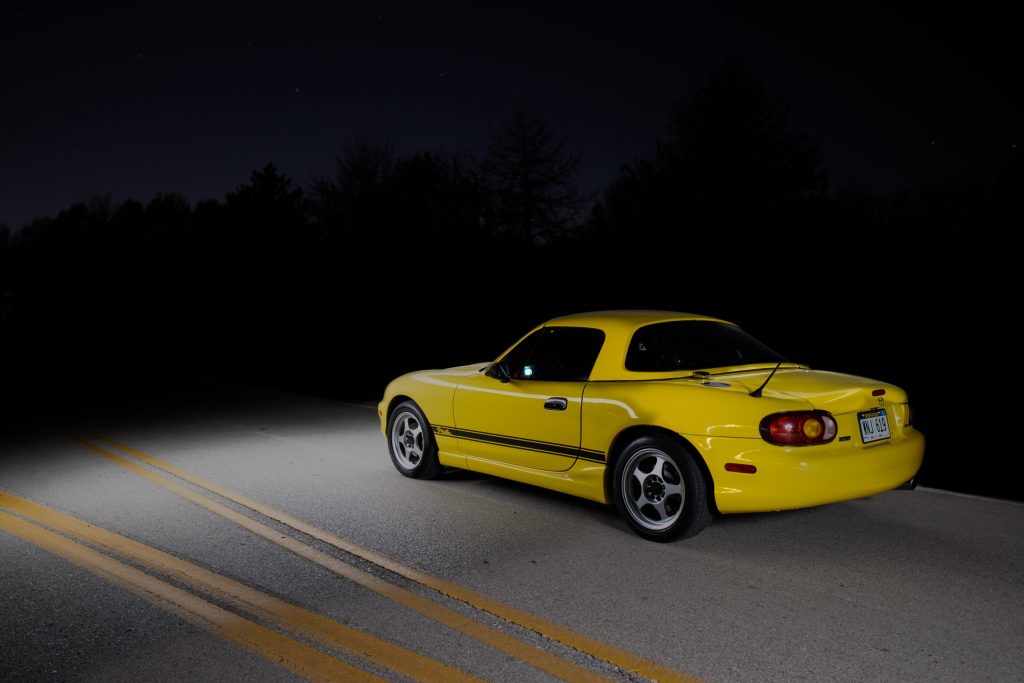
July and August 2021 marked a significant visual and aerodynamic transition for the project car. Prior to undergoing a complete color change, the vehicle required minor bodywork, including the replacement of a damaged front fender with a primed aftermarket component. By late July, the exterior had been transformed via a vibrant yellow vinyl wrap. While the factory silver finish offered understated subtlety, the saturated yellow hue accentuated the roadster’s sweeping body lines and aligned with traditional motorsport aesthetics.
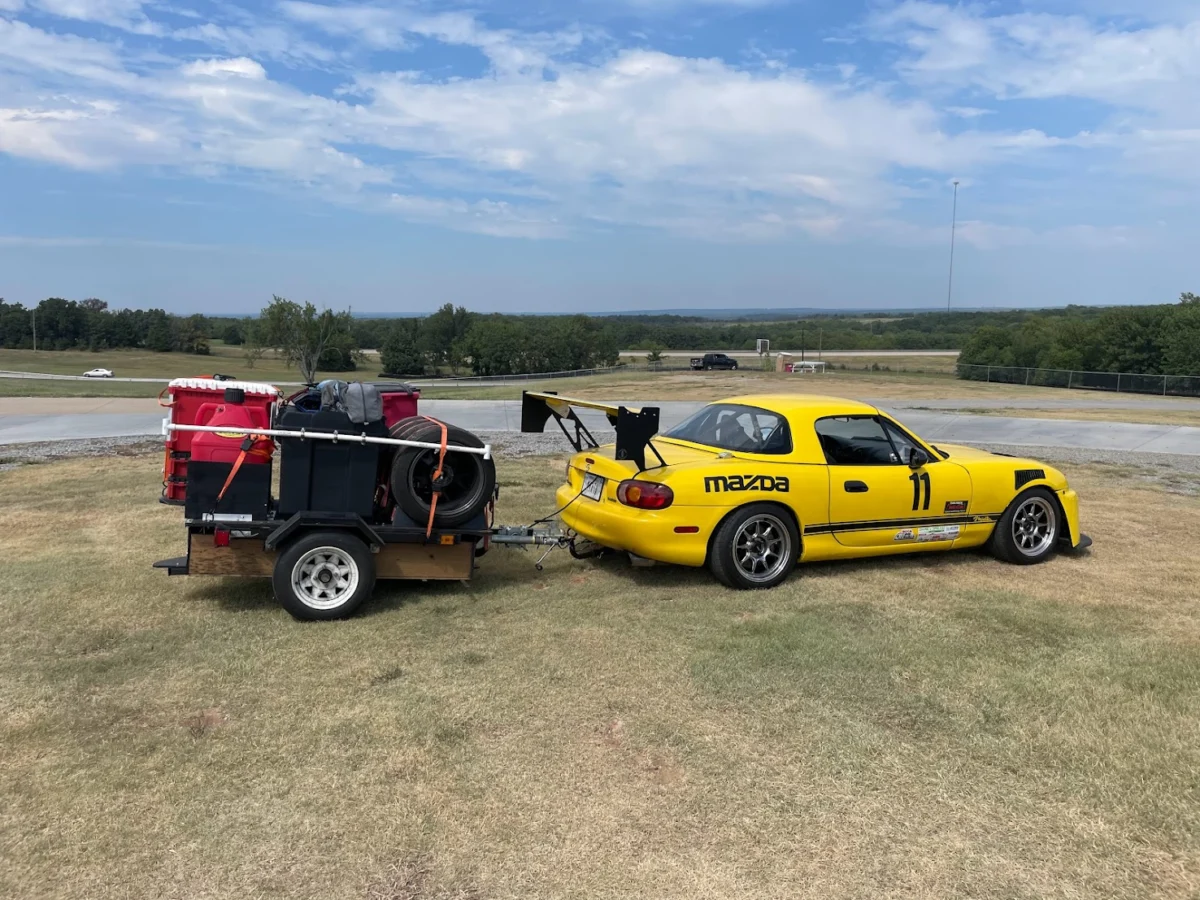
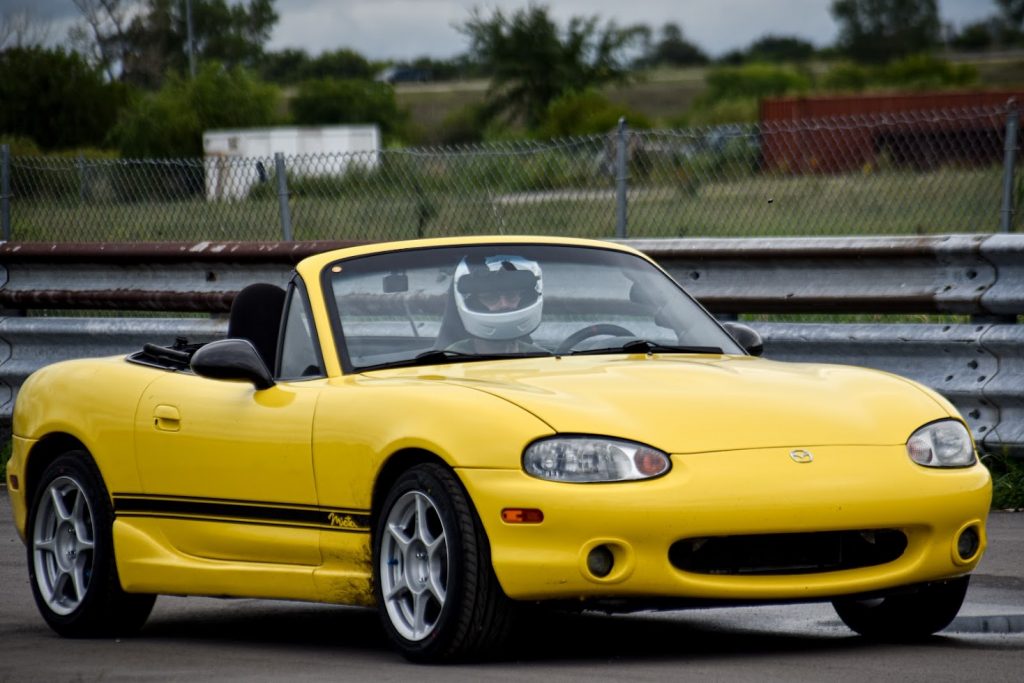
This visual transformation preceded the vehicle’s entry into competitive dynamic testing. In September 2021, the Miata made its debut at Raceway Park of the Midlands for a high-performance driver education (HPDE) track day. The event provided critical empirical data regarding the vehicle’s suspension compliance, braking endurance, and power delivery under sustained loads. Rather than exposing mechanical limitations, the track day validated the chassis design, cementing the owner’s commitment to further safety and suspension development.
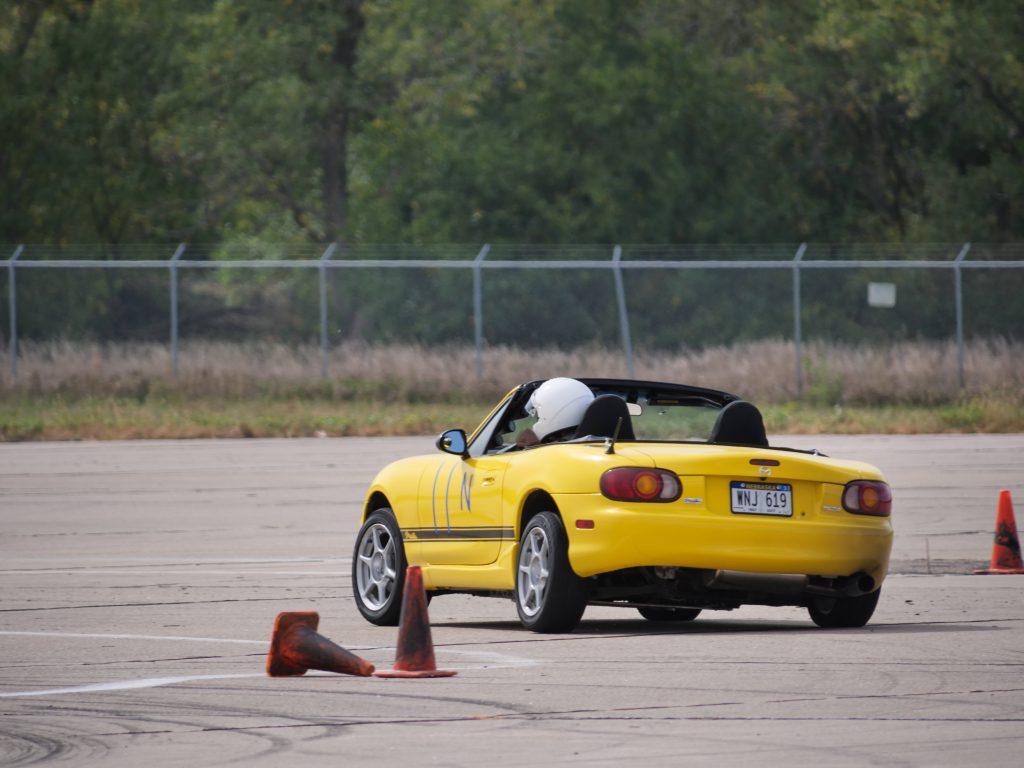
The competitive momentum continued into October 2021 with participation in a local autocross event. Compared to full-circuit track days, autocross proved to be a cost-effective, technically demanding discipline emphasizing tight cornering precision, car control, and transient weight transfer—areas where the short-wheelbase NB platform naturally excels.
Winter Storage, Suspension Upgrades, and Powertrain Overhaul
Operating rear-wheel-drive sports cars in regions prone to heavy winter precipitation presents unique logistical challenges. In November 2021, as freezing temperatures approached in Nebraska, the owner confronted the existential threat of road salt corrosion. Because second-generation Miatas are historically susceptible to rocker panel and frame-rail oxidation—often exceeding the vulnerability rates of the preceding NA generation—the vehicle was retired from daily service before winter salting operations commenced. The installation of a factory removable hardtop during this period not only mitigated thermal and moisture intrusion but also altered the vehicle’s structural silhouette and high-speed aerodynamics.
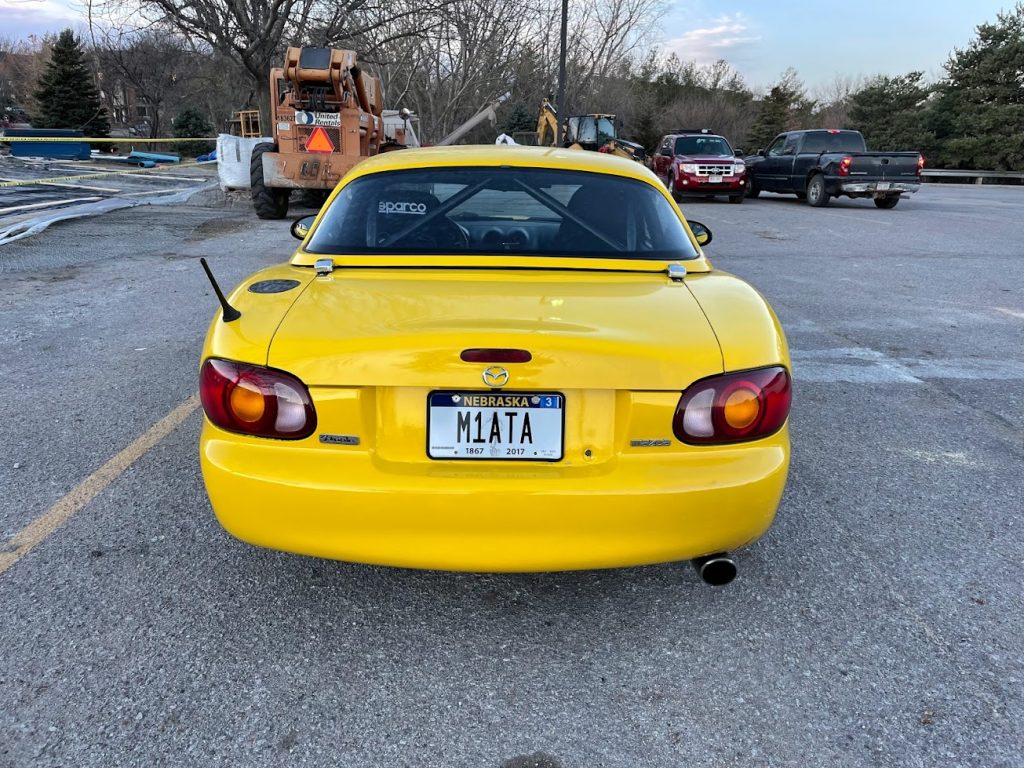
Although sidelined from road use, the winter months facilitated intensive garage-based engineering projects. December 2021 initiated a comprehensive suspension overhaul. Aging bushings, dampers, and control arms were systematically replaced with upgraded performance components to sharpen handling feedback. Simultaneously, vanity plates reading "M1ATA" were secured, finalizing the vehicle’s legal persona.
The mechanical scope broadened dramatically in January 2022 with a complete engine-out service. Removing the powertrain allowed unhindered access to chronic failure points that are exceptionally difficult to service in-situ. During this window, technicians and mechanics addressed a leaking rear main seal, replaced a stripped oil pan drain plug, and installed an aftermarket coolant reroute kit to correct the inherent thermal imbalance of the rear cylinders in the BP engine. Critical coolant hoses situated beneath the intake manifold were likewise renewed, ensuring long-term thermal reliability.
Chassis Dynamics, Safety Compliance, and Annual Review
As mild weather returned in February 2022, the vehicle re-emerged for final preparations ahead of the spring motorsport calendar. With zero recorded snowfall during the month, the owner prioritized driver safety equipment and precision chassis alignment to meet rigorous track-day regulations.
Safety compliance mandates rigorous occupant containment systems for sustained track use. Consequently, the interior was upgraded with Track Dog Racing UltraShield Rally Sport fixed-back bucket seats, six-point racing harnesses, a securely anchored fire extinguisher, and a HANS (Head and Neck Support) restraint system. These modifications were specifically engineered to accommodate the strict "broomstick test"—ensuring that a helmeted driver’s head remains safely below the plane defined by the roll bar and windshield header.
Suspension tuning concluded with a meticulous do-it-yourself (DIY) alignment procedure. While professional laser alignment racks offer absolute precision, the custom garage alignment successfully dialed in aggressive camber and toe specifications tailored for track rotation, providing a balanced, predictable handling envelope with provisions for iterative field adjustments.
Economic and Technical Implications of Grassroots Motorsport Projects
The culmination of this twelve-month restoration and modification cycle highlights the enduring viability of the Mazda MX-5 NB as an entry point into automotive engineering and amateur motorsport. Market analyses within the automotive sector consistently demonstrate that the affordability of parts, combined with an exhaustive global knowledge base, insulates platforms like the NB Miata from economic volatility.
From an engineering perspective, the project underscores the systemic trade-offs inherent in vehicle modification. While aftermarket exhaust installations and cosmetic wraps enhance sensory appeal and aesthetic individuality, they frequently introduce secondary diagnostic hurdles, such as emissions code recalibrations. Conversely, structural interventions like coolant reroutes and comprehensive cooling hose replacements mitigate documented thermal fatigue in high-mileage powerplants, directly expanding the operational lifespan of vintage performance vehicles.
As the vehicle enters its second year of ownership, the documented progression from a neglected commuter roadster to a track-ready, safety-compliant machine serves as an instructive case study in modern enthusiast car building. The integration of empirical track testing, preventive mechanical overhauls, and structural reinforcement establishes a robust framework for future developmental phases as the project continues to evolve.