 Cecilia Chamidah Nur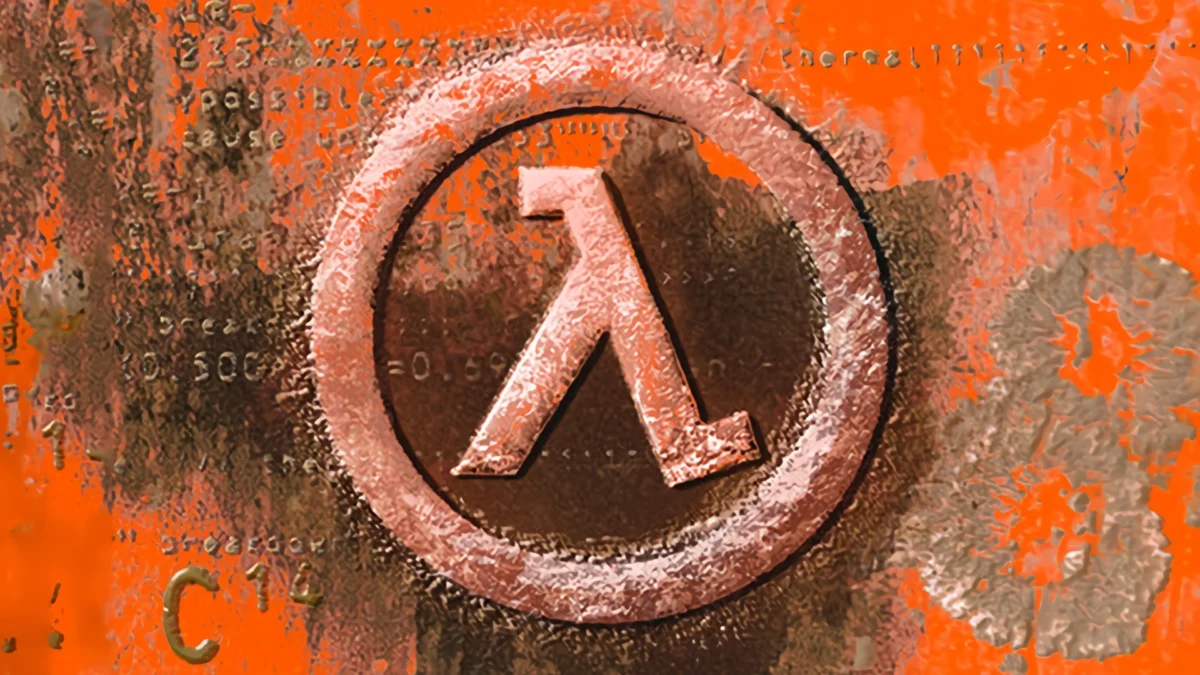
The enduring mystery of the cancelled Sega Dreamcast port of Valve Corporation’s seminal 1998 first-person shooter, Half-Life, has reached a significant milestone. Through the diligent work of modder "maximqad," the game’s long-dormant source code has been successfully decompiled, providing the homebrew community with unprecedented access to the project’s internal architecture. Perhaps most notably, this effort has culminated in the restoration of online multiplayer functionality, a feature that was buried deep within the game’s files and remained inaccessible for over two decades.
A Legacy of Cancellation and Discovery
To understand the significance of this development, one must first look at the turbulent history of the Dreamcast edition of Half-Life. Originally announced in 1999, the port was intended to bring the PC experience to Sega’s cutting-edge hardware. Developed by Gearbox Software in partnership with Valve and published by Sierra Studios, the port was highly anticipated. However, as the Dreamcast’s commercial viability waned in the face of the burgeoning PlayStation 2 market, the project faced a series of delays.
By the time the plug was pulled in 2001, the game was essentially finished. Despite the official cancellation, the game lived on in the form of prototype discs and leaked ISOs that circulated throughout the early 2000s enthusiast community. While fans were able to play the single-player campaign, the multiplayer component remained a ghost in the machine—present in the data, but incomplete and non-functional. For 25 years, the code sat dormant, representing a "what-if" scenario for Sega enthusiasts.
The Technical Achievement: Decompilation and Reconstruction
The project led by maximqad represents a sophisticated exercise in reverse engineering. Utilizing their previous experience in porting the Xash3D engine to the Dreamcast—a project that laid the groundwork for running modern Half-Life-based code on Sega’s legacy hardware—the modder approached the Half-Life DC files with a surgical level of precision.
Decompilation involves translating machine code back into a human-readable format, such as C or C++. By successfully reconstructing the source code for the Dreamcast build, maximqad was able to identify the missing libraries and broken hooks that prevented the multiplayer engine from initializing. According to documentation provided by the developer via the GitHub repository for the project, the restoration required filling significant gaps in the native code. By "filling in the blanks" and bridging the divide between the game’s intended functionality and the limitations of the original prototype’s build, the modder effectively revived a service that was never meant to go live.
Chronology of the Half-Life Dreamcast Port
The trajectory of this project is best understood through the timeline of the game’s public history:
- 1999: Half-Life for Sega Dreamcast is officially announced at E3.
- 2000: The project suffers multiple delays as Sega’s market share declines.
- 2001: The cancellation is formalized by Sierra Studios; the game is officially shelved.
- Early 2000s: Early prototype builds leak to the public, allowing fans to explore the single-player campaign.
- 2024–2025: Modder maximqad releases the Xash3D Dreamcast port, proving that modern code can run on the hardware.
- September 2026: Full source code decompilation is achieved, and the multiplayer component is successfully restored for public use.
Implementation and User Accessibility
It is important to note that this restoration is not an official "plug-and-play" experience. The complexity of the mod reflects the state of the original software. Users interested in accessing the multiplayer functionality must possess the original 2001 prototype GDI (the standard image format for Dreamcast discs).

The process involves rebuilding this GDI image, injecting the custom-coded fixes provided by the modder, and then executing the modified software via a Dreamcast emulator or hardware with an ODE (Optical Drive Emulator). This technical barrier ensures that the mod remains within the purview of the enthusiast community, rather than being an accessible consumer product. However, the release of the source code on GitHub ensures that the documentation and the fixes are open-source, allowing for future community-led bug fixes and potential refinements to the multiplayer stability.
The Broader Impact on Video Game Preservation
The restoration of Half-Life’s multiplayer on the Dreamcast is more than a technical curiosity; it is a vital act of digital preservation. Video game history is often plagued by "lost media," particularly concerning titles that were cancelled shortly before release. When a project is cancelled, the assets are often scattered, lost to corrupted hard drives, or held behind proprietary legal walls.
By decompiling the source code, the modding community has ensured that this specific iteration of Half-Life is preserved in a playable state. Furthermore, it sets a precedent for other cancelled titles. The methods used by maximqad—leveraging existing open-source engines like Xash3D to facilitate the running of legacy code—provide a roadmap for future preservation efforts. It demonstrates that with enough technical expertise, the "lost" features of cancelled games can be reconstructed, effectively granting these titles a second life long after the original publishers have moved on.
The Role of the Modding Community
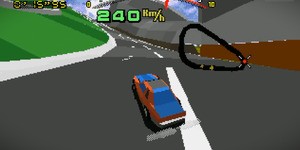
The modding community has historically acted as the unofficial archivists of the gaming industry. While corporations like Valve and Sega may view these projects as low-priority or legally ambiguous, the enthusiast response highlights a demand for the preservation of these experiences. The recent success in porting other titles, such as the fan-driven work on the Daytona USA Sega 32X project or the restoration of the LEGO Racers recreation, signals a broader trend: the community is no longer satisfied with just playing the "retail" version of history. They are increasingly taking control of the source code to ensure that cancelled, buggy, or incomplete games are brought to a finished state.
Implications for Future Software Development
From an engineering perspective, the ability to successfully inject modern, custom-coded multiplayer functionality into a 25-year-old console build is an impressive feat of systems programming. It highlights the modularity of the Half-Life engine (GoldSrc), which was designed to be extensible. By successfully integrating these features, the modder has highlighted the structural integrity of Valve’s early code.
Moreover, this project serves as a case study for software interoperability. By using the Dreamcast’s native architecture to handle the game logic while using modern tools to patch the connectivity layer, the project team has demonstrated that legacy consoles can still serve as functional platforms for multiplayer experiences, provided the network protocols are properly adapted.
Conclusion
The "Rise and Shine" moment for the Dreamcast edition of Half-Life is a testament to the perseverance of the modding community. Over two decades after the game was left for dead by its publishers, fans have not only unearthed the code but have actively completed the vision that Gearbox and Valve originally set out to achieve.
As the digital archives of gaming continue to grow, the importance of such projects cannot be overstated. By restoring functionality to a piece of software that was never meant to function, modders like maximqad are ensuring that the history of the medium remains dynamic and accessible. Whether through the lens of preservation, technical curiosity, or simple nostalgia, the revival of Half-Life on the Dreamcast stands as a monumental achievement in the history of game modification, proving that even in the world of software, legends never truly die—they just wait for the right code to be written.