 Cecilia Chamidah Nur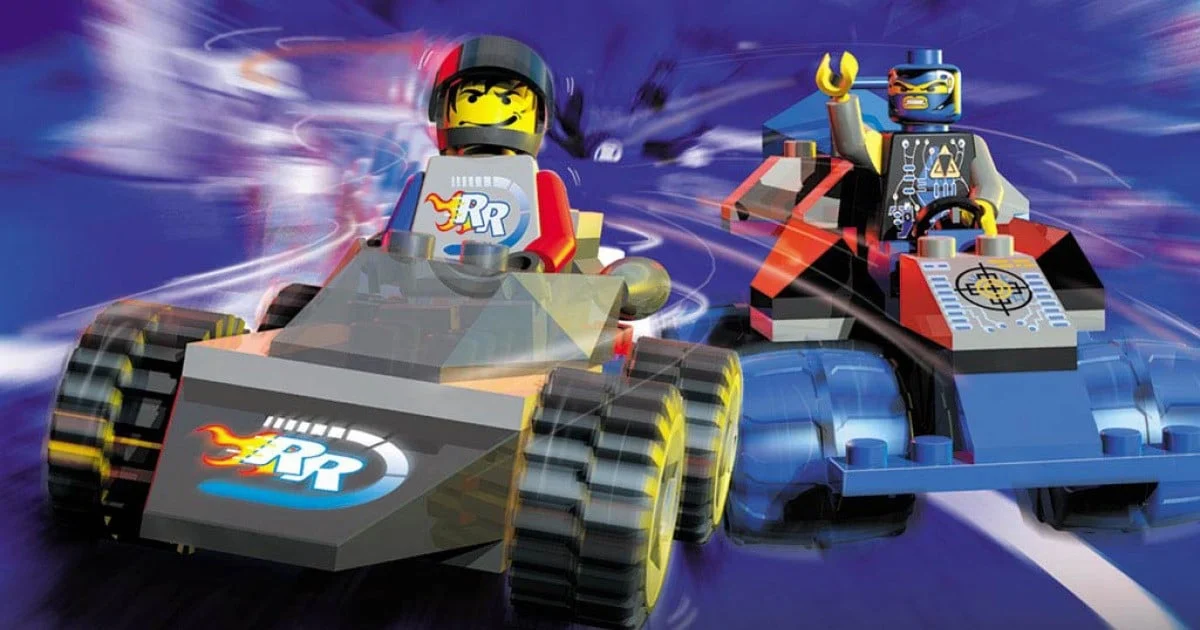
The release of this project, hosted on the indie platform itch.io, marks a significant milestone in the preservation of late-90s PC gaming. By leveraging a comprehensive decompilation effort—a process that involves reverse-engineering machine code back into high-level source code—developer Navigator Sharp has successfully ported the beloved title to Windows, Linux, Mac, and Android, while also enabling in-browser play. This endeavor serves as both a functional modernization and an archaeological recovery project for a title that defined a specific era of LEGO-branded digital entertainment.
A Chronology of LEGO Racers: From 1999 to the Present
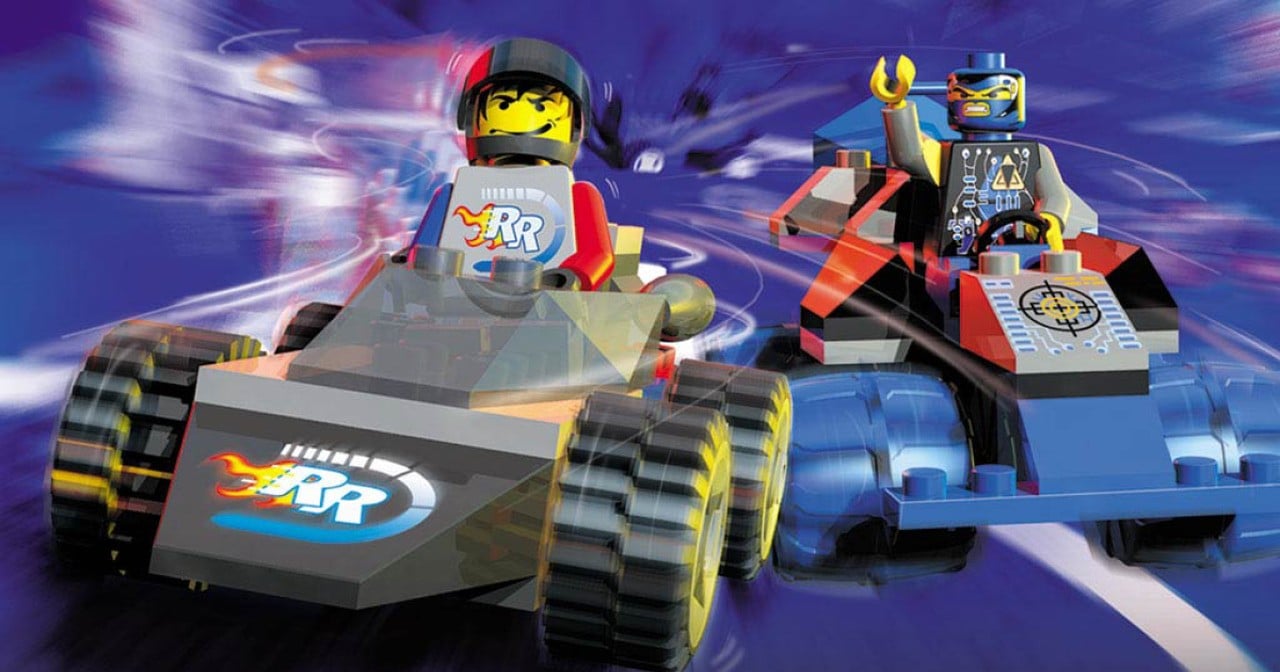
The original LEGO Racers, released in 1999, was a cornerstone of the burgeoning LEGO Media division. It was developed by High Voltage Software and published by LEGO Media for Windows, Nintendo 64, and PlayStation, with a distinct version for the Game Boy Color released the same year. The game was notable for its robust character and vehicle customization system, which allowed players to build their own racers brick by brick, a feature that felt remarkably ahead of its time.
The title saw moderate critical success upon release. Publications such as FamilyPC and GameFan lauded the title for its accessible, non-violent design, awarding it scores of 91% and 88% respectively. This success paved the way for the 2001 sequel, LEGO Racers 2, which expanded the scope to an open-world environment. However, as hardware evolved, the original game became increasingly difficult to run on modern operating systems, leading to a period of dormancy where the title was largely relegated to enthusiasts using virtual machines or legacy hardware.
The current project, Step On It, represents the culmination of a multi-year effort by the community to peel back the layers of the original executable. The foundation for this project was the "isledecomp" initiative, a collaborative fan project dedicated to decompiling various LEGO games from that era. By reverse-engineering the binary files, developers have been able to document the game’s underlying logic, which had previously been obscured by the lack of original source code documentation.
The Technical Challenges of Reverse Engineering
Recreating a game from 1999 presents immense technical hurdles, primarily due to the loss of original development documentation. When source code is compiled into an executable, human-readable variable names and comments are stripped away. Navigator Sharp described the process of interpreting these "g_unk" variables—placeholder names for unidentified functions—as a process of "unwinding" the original physics simulation.
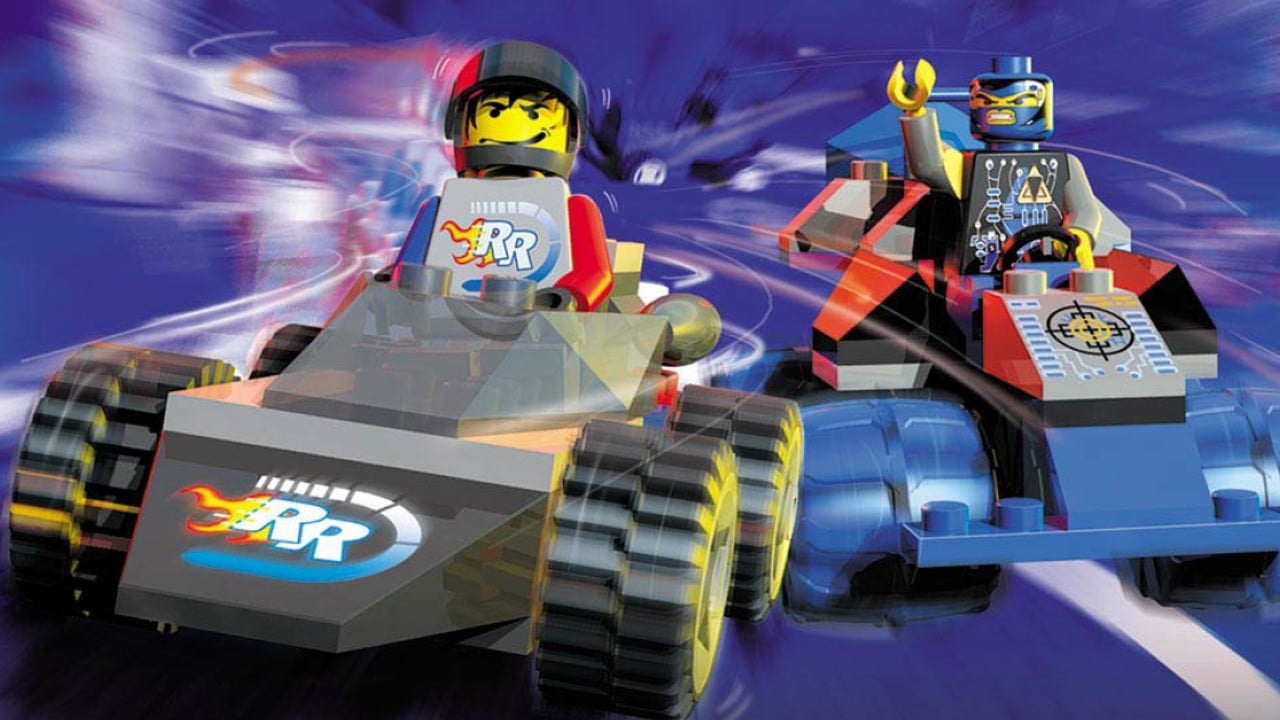
By porting the core logic into a modern C++ environment, the developer has managed to maintain the "feel" of the original physics while enabling features that were technically unfeasible in the late 90s. This includes native online multiplayer and 4-player split-screen functionality. Furthermore, the inclusion of tracks ported from the "Rocket Racers" arcade game—a rare attraction from LEGOLAND Windsor—adds a layer of historical completeness that the original retail version lacked.
The developer has been transparent about the use of generative AI in the project, clarifying that its involvement was peripheral. While the fan-led decompilation efforts—which may have utilized automated tools—were instrumental, the core development of the new engine remains a manual, human-driven process. The creator explicitly stated that they avoided upscaling assets to preserve the original aesthetic, emphasizing that the project is intended as a preservationist tribute rather than a modern "remaster" that alters the visual identity of the game.
Historical Context and the Preservationist Movement
The preservation of legacy software has become a burgeoning field, often driven by volunteer communities rather than original rights holders. The LEGO Group, unlike some intellectual property holders, has historically maintained a "Fair Play" policy that, while not explicitly endorsing fan-made games, often allows them to exist as long as they do not infringe upon trademarks or commercialize the intellectual property.
Similar projects, such as the fan-made remake of the 1999 strategy game LEGO Rock Raiders—titled "Manic Miners"—have successfully existed for years by distancing themselves from the official branding. This precedent provides a roadmap for projects like Step On It. By avoiding the direct use of the "LEGO" name in the title and focusing on community-led, non-profit distribution, these developers create a buffer against potential intellectual property disputes.
The implications of these remakes are profound. They ensure that software which would otherwise succumb to "bit rot"—the phenomenon where digital media becomes unreadable due to changing file systems and hardware—remains accessible to new generations. As gaming platforms move increasingly toward subscription models and cloud-based services, the ability to independently run and host software becomes a critical component of digital literacy and historical archiving.
Analysis of Impact and Industry Relations
From a professional standpoint, the existence of Step On It highlights a disconnect between the longevity of legacy gaming brands and the reality of software maintenance. While large corporations often lack the resources or the business case to update twenty-five-year-old titles for modern operating systems, the fan community has proven itself capable of bridging this gap.
The project also serves as a case study in the utility of open-source decompilation. By mapping out the functionality of older titles, developers are effectively creating "living documentation" that can be used for future projects. This methodology is becoming increasingly standard in the preservation community, where the goal is to move beyond mere emulation—which requires running the original, often buggy code—to "re-implementation," where the game is rebuilt to be native to modern hardware.
Regarding the risk of a potential "cease and desist" order from the LEGO Group, the developer maintains a pragmatic outlook. The strategy of operating under the "Fair Play" policy while ensuring the project remains a free, non-commercial endeavor is a calculated risk. Should the project be forced to shut down, the work done to date remains documented on platforms like GitHub, ensuring that the knowledge gained during the reverse-engineering process is not lost.
Looking Toward the Future
The release of Step On It: LEGO Racers is more than a nostalgic exercise; it is an act of digital stewardship. As the gaming industry continues to evolve, the necessity for such projects will only grow. The ability for a lone developer to take a piece of 1999 software and bring it to modern platforms—complete with online multiplayer and restored, previously cut content—is a testament to the power of open-source collaboration and the enduring appeal of the titles released during LEGO’s initial foray into the interactive space.
While the future of Step On It remains subject to the discretion of the LEGO Group’s legal department, the project has already succeeded in its primary objective: providing a robust, playable version of a classic title that had been left behind by time. Whether it remains available for years to come or serves as a fleeting moment of community innovation, the project provides a blueprint for how independent developers can honor the legacy of early software while adapting it for a new era of connectivity and performance.
The ongoing discourse around such projects underscores the need for clearer industry standards regarding fan-made remakes. As companies continue to leverage their back catalogs, the relationship between official intellectual property and grassroots fan development will remain a dynamic and often tense frontier. For now, players can enjoy the work of Navigator Sharp, experiencing the tracks and challenges of LEGO Racers with a level of fidelity and accessibility that was simply not possible when the game first hit store shelves in the final year of the 20th century.