 Farhan hamdan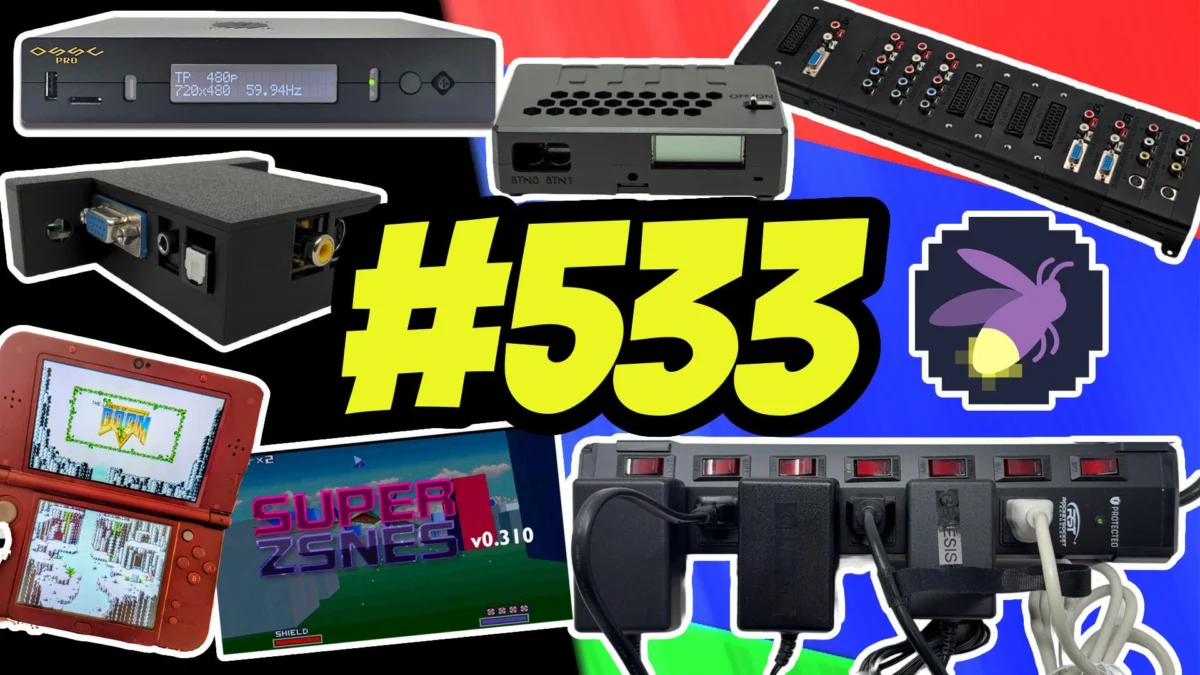
The retro gaming community continues to experience a steady wave of hardware innovation, software preservation, and homebrew development, as documented in the latest edition of the industry-standard news digest. Published on September 30, 2026, RetroRGB Weekly Roundup #533 captures a diverse cross-section of advancements affecting retro hardware enthusiasts, homebrew developers, and video purists alike. From the release of classic emulators on modern smart TV platforms to specialized physical hardware modifications for high-end video scalers, this week’s lineup underscores the enduring popularity of vintage electronic entertainment and the community-driven solutions designed to keep it relevant in a modern digital landscape.
Main Facts and Highlights of Episode 533
The latest weekly roundup covers several prominent developments across the retro gaming ecosystem. Among the primary highlights is the introduction of a new homebrew port of Legend of Doom tailored specifically for the Nintendo 3DS, demonstrating the handheld console’s continued viability as a target for independent developers and homebrew creators years after its commercial sunset.
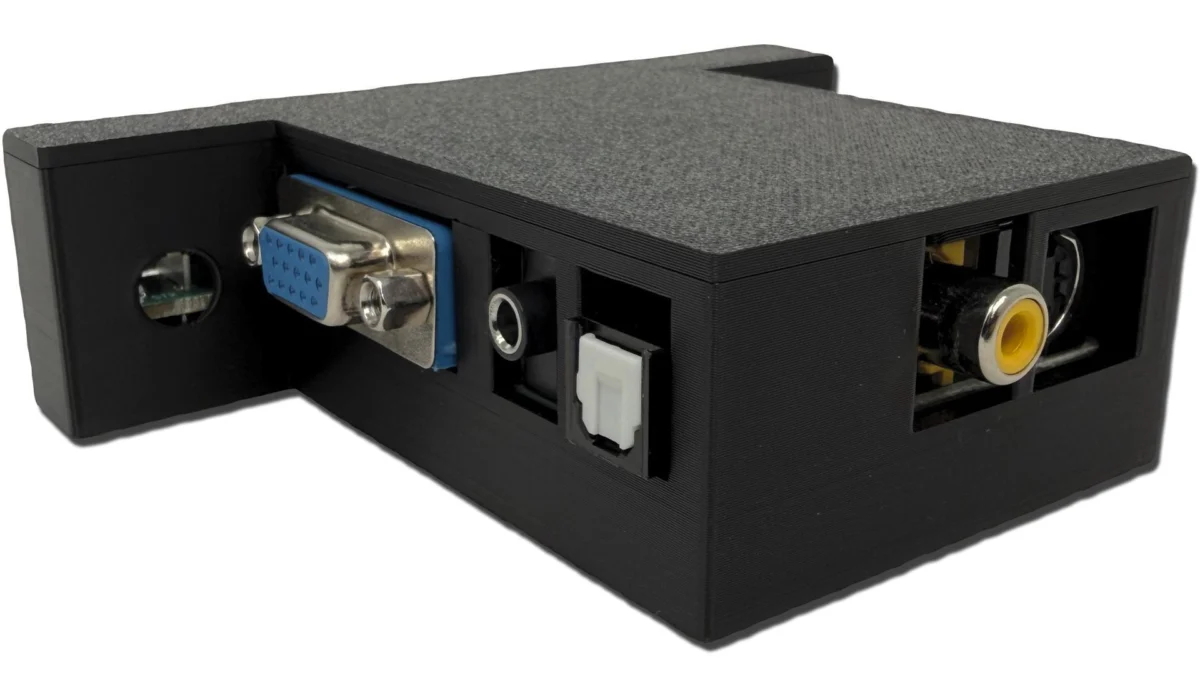
In the realm of advanced display technology and signal processing, hardware enthusiasts received notable updates concerning the OSSC Pro. Specifically, a new 3D-printable case designed to house the Extra AV-Out v2 module has been detailed, alongside comprehensive setup guides for OSSC Pro and Lumacode profiles. These tools are increasingly vital for enthusiasts seeking pristine analog-to-digital video conversion and optimal color space management for vintage consoles.
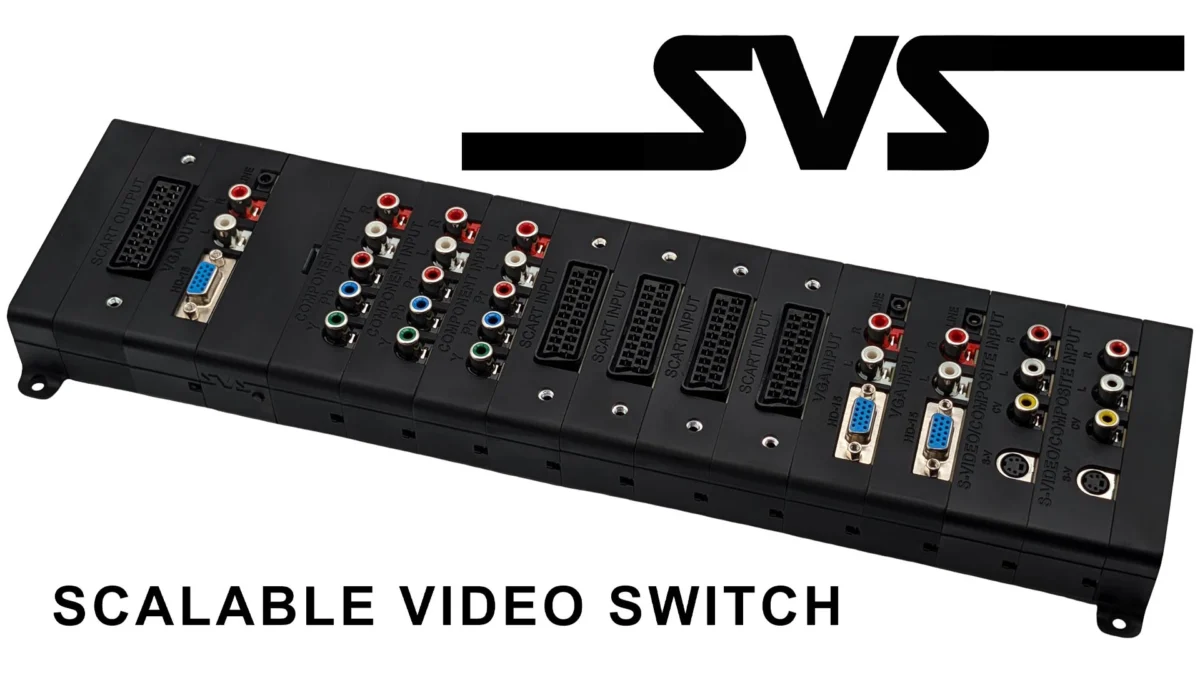
Power management and signal routing also featured prominently in this week’s broadcast. Reviewers highlighted the utility of the CRST metal power strip equipped with individual switches—a practical accessory for managing complex retro gaming setups prone to standby power draw and signal interference. Additionally, news broke that a highly anticipated scalable video switch has returned to stock, offering relief to collectors struggling to manage multiple RGB and component video sources.
Software emulation updates rounded out the technical announcements, notably the arrival of Super ZSNES support for Apple TV and Android TV platforms. This development brings classic 16-bit Super Nintendo entertainment directly to living room streaming boxes with native remote and controller compatibility. Finally, hardware logistics and micro-cabling solutions were addressed with a spotlight on 1-foot MicroHDMI cables, proving that even minor physical interconnects play a crucial role in compact upscaler and capture card arrangements.
Chronology and Evolution of Retro Gaming Hardware and Software
The trajectory of retro gaming preservation has shifted significantly over the past decade. What began as a niche hobby focused primarily on composite-to-CRT setups has evolved into a sophisticated sub-industry involving FPGA-based consoles, high-bandwidth digital-to-analog converters, and open-source line doublers like the Open Source Scan Converter (OSSC) and its successor, the OSSC Pro.
The timeline of developments featured in Roundup #533 reflects this methodical progression. The OSSC Pro ecosystem, which has been maturing through iterative firmware updates and hardware add-ons, represents years of engineering by open-source hardware developers. The introduction of the Extra AV-Out v2 3D-printed case signifies a shift toward modularity and user customization, allowing hobbyists to safely house complex auxiliary boards without relying on costly industrial fabrication.
Concurrently, the homebrew scene on legacy portable hardware like the Nintendo 3DS continues to thrive. Released originally in 2011, the 3DS hardware architecture remains a favorite among independent coders due to its robust dual-screen layout, physical controls, and extensive documentation. Ports like Legend of Doom illustrate how contemporary programming techniques can extract performance from aging silicon, bridging the gap between retro aesthetics and modern game design principles.
In the software emulation sector, the expansion of Super ZSNES to Apple TV and Android TV highlights the democratization of living room gaming. Emulators that once required dedicated desktop hardware or specialized consoles can now run effortlessly on compact streaming sticks and set-top boxes powered by mobile system-on-chip architectures.

Supporting Data and Ecosystem Infrastructure
Managing a comprehensive retro gaming setup requires robust supporting infrastructure, a topic frequently emphasized in the RetroRGB broadcasts. Modern enthusiast setups often incorporate multiple legacy consoles, audio receivers, switchers, capture cards, and line doublers, creating unique electrical and cable management challenges.
The inclusion of the CRST metal power strip with individual switches addresses a fundamental need in the enthusiast community. Retro gaming systems often remain plugged in continuously, which can lead to standby power consumption, unnecessary wear on internal power supplies, and potential ground-loop hums in audio paths. Providing dedicated physical switches for individual outlets allows users to isolate each console safely, protecting vintage capacitors and transformers from premature degradation.
Furthermore, the availability of scalable video switches directly impacts signal integrity. In analog video transmission, signal degradation, crosstalk, and impedance mismatches are constant hazards. High-quality switchers ensure that RGB, S-Video, and component signals maintain their pristine fidelity before reaching upscalers like the OSSC Pro or Framemeister. The return of these switchers to retail inventory provides essential hardware relief for collectors striving for lossless video routing.
Technical Analysis: OSSC Pro, Lumacode, and Signal Processing
The technical deep-dives featured in the latest roundup shed light on the complexities of modern retro video processing. The OSSC Pro has established itself as an indispensable tool for enthusiasts utilizing legacy cathode-ray tube (CRT) alternatives, such as high-end flat-panel monitors and OLED televisions.
Lumacode profiles, which bridge the gap between traditional analog signals and advanced digital color processing, represent a major leap forward in color accuracy and scanline reproduction. By utilizing standardized configuration guides, users can achieve hardware-accurate color representation that mirrors the original output of vintage consoles without the visual artifacts typically introduced by substandard scaling algorithms.
Industry analysts note that as vintage display units become increasingly scarce, expensive, and difficult to maintain, the burden of preserving the authentic visual experience falls entirely upon external scaler hardware and software profiles. The meticulous documentation of these profiles by community leaders ensures that future generations of players can experience retro titles under optimal technical conditions.
Broader Impact and Implications for the Industry
The developments highlighted in RetroRGB Weekly Roundup #533 carry significant implications for the broader gaming preservation community. As commercial entities increasingly rely on subscription-based cloud services and digital storefronts with uncertain longevity, physical retro hardware and community-driven homebrew initiatives serve as a vital bulwark against digital obsolescence.
The cross-platform migration of emulation software to living room ecosystems like Apple TV and Android TV demonstrates the growing fluidity between traditional console gaming and modern smart home architecture. By lowering the technical barrier to entry for emulation on mainstream operating systems, developers are ensuring that classic software libraries remain accessible to broader audiences.
Concurrently, the sustained demand for niche hardware accessories—such as specialized 3D-printed enclosures, industrial-grade power strips, and low-latency video switchers—proves that retro gaming is no longer a transient nostalgic fad, but a permanent, self-sustaining technological subculture. Manufacturers and open-source contributors who cater to this market are building a resilient ecosystem capable of supporting vintage hardware for decades to come.
As the retro gaming landscape continues to evolve, weekly digests like those provided by RetroRGB remain essential chronicles of community achievement, technical ingenuity, and hardware preservation. Enthusiasts seeking further details on individual projects, software updates, and hardware installation guides can access the complete episode archive and supplementary documentation via official podcast networks and the primary RetroRGB web portal.