Edi Durjana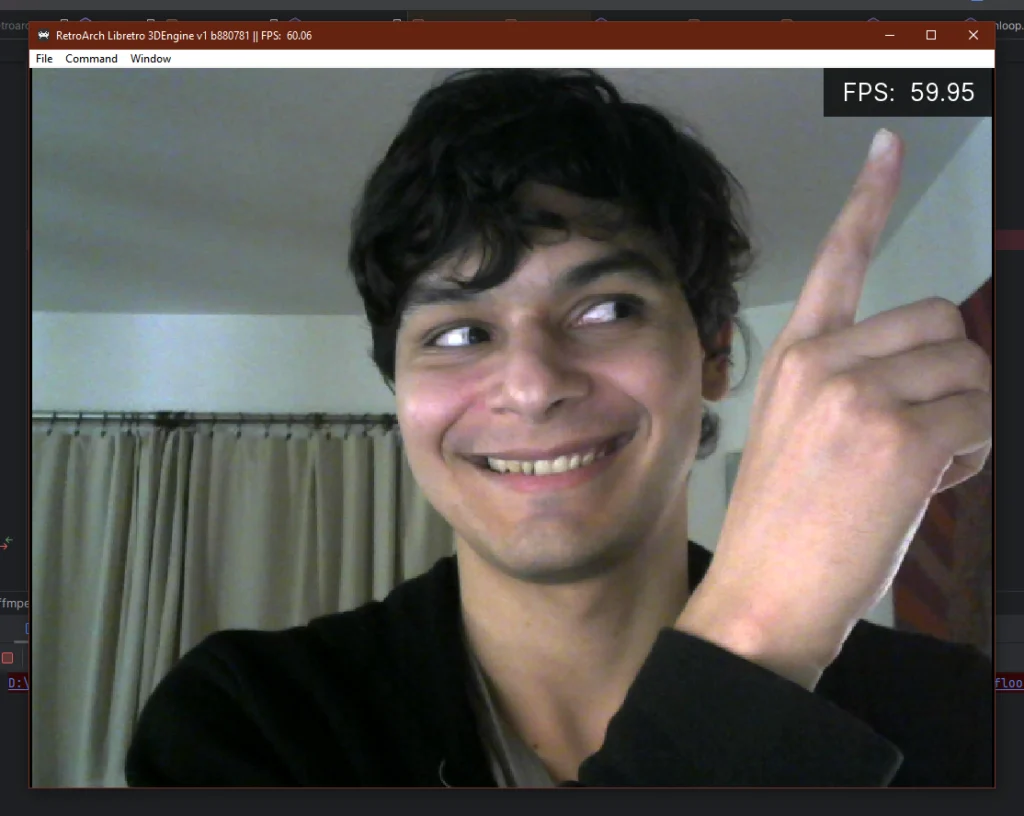
The highly anticipated release of RetroArch 1.20.0 marks a significant milestone in the world of video game emulation, introducing revolutionary features that push the boundaries of visual fidelity and interactive immersion. Available for download now across its wide array of supported platforms, this update from the Libretro team delivers innovations like a cutting-edge CRT beam simulation shader leveraging "subframe" capabilities and pioneering illuminance sensor support for Linux, including the popular Steam Deck. These advancements underscore RetroArch’s unwavering commitment to providing a free, open-source, and uncompromised retro gaming experience, entirely sustained by community support rather than commercial monetization.
The Foundation: Understanding RetroArch and the Libretro Ecosystem
RetroArch is more than just an emulator; it is a powerful, cross-platform frontend for the Libretro API, a modular interface that allows for the creation of "cores" – essentially specialized emulators, game engines, or media players – that can be run through a unified user interface. Since its inception, RetroArch has aimed to be the definitive digital hub for classic gaming, offering unparalleled flexibility, customization, and performance across an astonishing breadth of hardware, from desktop PCs and consoles to mobile devices and single-board computers. The project’s philosophy centers on open access, robust features, and an uncompromising user experience, steadfastly refusing to integrate in-app advertisements, monetization SDKs, or paywalled features that have become commonplace in much of the software industry. This ethical stance has cemented its reputation as a community-driven beacon in the digital preservation landscape, relying solely on the generous donations of its user base to fund ongoing development and infrastructure. This model, supported through platforms like Patreon, Github Sponsors, and its official Teespring merchandise store, enables the core development team and myriad contributors to dedicate countless hours to refining and expanding the platform’s capabilities, ensuring it remains at the forefront of emulation technology.
Revolutionizing Visuals: The Shader Subframes Innovation
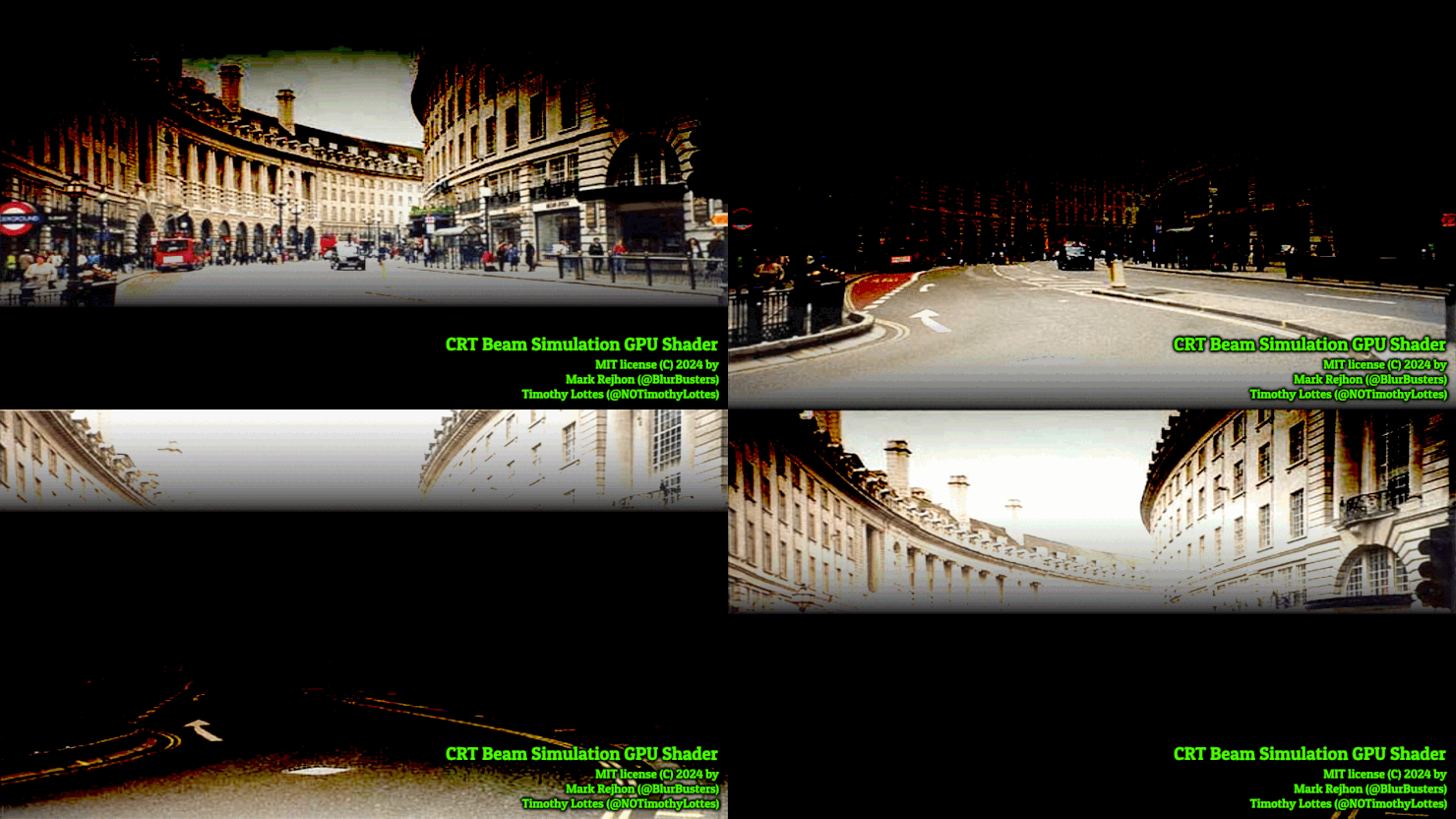
At the forefront of RetroArch 1.20.0’s enhancements is the introduction of a sophisticated CRT beam simulation shader, a collaborative masterpiece from display technology luminary Mark Rejhon of BlurBusters and graphics programming legend Timothy Lottes, known for the original FXAA shader and the highly regarded crt-lottes shaders. This new shader directly addresses one of the most persistent challenges in retro gaming emulation on modern displays: accurately replicating the unique visual characteristics and motion clarity of cathode ray tube (CRT) monitors.
Modern LCD and OLED panels, while offering superior resolution and color reproduction, fundamentally differ from CRTs in how they display motion. CRTs utilized a scanning electron beam, displaying each line of an image sequentially, creating a natural motion blur that reduced perceived stutter and provided a distinct visual aesthetic, often associated with scanlines and subtle phosphorescence. In contrast, modern displays typically hold each frame for the entire refresh cycle, leading to "sample-and-hold" motion blur that can make fast-moving retro games appear less fluid and authentic. This effect is particularly noticeable in 2D pixel-art games where precise sprite movement is critical to the original artistic vision.
Previous attempts to mitigate this on modern displays often involved techniques like Black Frame Insertion (BFI). BFI works by inserting a black frame between each game frame, effectively reducing the "sample-and-hold" time and improving perceived motion clarity. While effective to some extent, BFI comes with significant drawbacks: it drastically reduces overall screen brightness, can dull colors, and, perhaps most critically, increases the risk of image persistence (often mistakenly called "burn-in") on certain LCD and OLED panel types, a concern that has rightfully made many users hesitant. These limitations often forced users to choose between improved motion clarity and a vibrant, bright display, a compromise that diminished the overall retro experience.
RetroArch 1.20.0’s innovation lies in its newly integrated "subframe" shader capabilities. This advanced rendering technique allows the shader to operate at a granularity finer than a single display frame, enabling a more nuanced and accurate simulation of the CRT electron beam’s behavior. Instead of simply inserting black frames, the subframe system permits the shader to simulate the subtle inter-frame luminance and persistence effects that were inherent to CRTs. This means the new shader can dynamically adjust pixel luminosity and decay characteristics across multiple sub-frame intervals, mimicking the way phosphors would glow and fade on a real CRT. The result is a dramatic improvement in motion clarity, a faithful recreation of scanline effects, and an overall visual experience that is strikingly close to original hardware, all without the detrimental effects of brightness reduction, color desaturation, or image persistence risks associated with traditional BFI. This represents a significant technical achievement, moving beyond simple visual filters to a dynamic, physics-informed simulation of display technology.
The involvement of Mark Rejhon, a leading authority on display motion and founder of BlurBusters, a resource dedicated to display technologies and motion clarity, and Timothy Lottes, a pioneer in real-time graphics effects whose work has influenced numerous games, lends immense credibility to this advancement. Their expertise in display technology and shader development has been instrumental in crafting a solution that not only addresses technical limitations but also preserves the artistic intent and nostalgic feel of classic games. For retro gaming enthusiasts, this feature represents a significant leap forward, promising a level of visual authenticity that was previously unattainable on contemporary display hardware, effectively bridging the gap between past and present display technologies. A dedicated article on the Libretro website provides further technical insights into this groundbreaking "CRT Beam Racing Simulator" shader.
Beyond the Screen: Illuminance Sensor Integration for Linux
Another groundbreaking feature introduced in RetroArch 1.20.0 is the pioneering support for illuminance sensors on Linux systems, a development spearheaded by community contributor Jesse Talavera. This innovation brings a new dimension of immersive gameplay by allowing emulated games to interact with real-world ambient light conditions. The most immediate and compelling application of this technology is for games like Boktai: The Sun is in Your Hand for the Game Boy Advance, and its sequels, which famously incorporated a solar sensor directly into their game cartridges. These action-RPGs required players to physically expose their Game Boy to sunlight to charge the protagonist’s "Gun Del Sol" (Solar Gun) and progress through the game, making the sun itself a crucial gameplay mechanic.
Historically, emulating these titles has presented a significant challenge, often requiring players to resort to cheats or manually adjust virtual light levels, thereby diminishing the intended interactive experience. The absence of a physical solar sensor on standard emulation platforms meant that a core aspect of the game’s design was lost, forcing workarounds that broke immersion and deviated from the original developer’s vision. With RetroArch 1.20.0, Linux users equipped with compatible ambient light sensors – such as those found integrated into modern portable gaming devices like the Steam Deck – can now play Boktai (and other light-dependent titles) precisely as their creators intended. As demonstrated in a compelling video clip by Jesse Talavera, where Lunar Knights (a Boktai spiritual successor for the Nintendo DS) runs on a Steam Deck, the game’s in-game light levels dynamically respond to real-time changes in ambient lighting. Adjusting the physical lights in the room directly impacts the gameplay, providing an unprecedented level of authenticity and immersion. This integration turns a modern gaming device into a faithful recreation of the original hardware experience, adding a tangible layer to digital preservation.
This feature is a testament to the Libretro team’s dedication to hardware accuracy and the faithful preservation of unique gameplay mechanics. The technical implementation involves RetroArch interfacing with the Linux kernel’s input subsystem (often /dev/input/eventX devices or through iio – Industrial I/O framework) to read data from integrated illuminance sensors. This data is then translated and fed into the emulated core, mimicking the original hardware’s sensor input. The complexity lies in abstracting various sensor types and ensuring reliable data transmission to the diverse range of cores within RetroArch.
The implications extend beyond just the Boktai series. Jesse Talavera’s work also hints at future expansions, including solar sensor support for the melonDS DS core in its next update, which would further enhance titles on that platform. Even more broadly, the announcement of forthcoming camera support for additional platforms suggests a future where emulated games can interact with webcams or integrated cameras, potentially opening up possibilities for titles that utilized peripherals like the Game Boy Camera, PlayStation EyeToy, or even Nintendo DS camera functions. This level of hardware-software integration for emulation represents a significant leap, blending the digital and physical worlds in a way that enriches the retro gaming experience and ensures that niche, innovative gameplay mechanics are not lost to time. The rising popularity of Linux-based handhelds like the Steam Deck, which often feature robust sensor arrays, makes this particular feature exceptionally timely and impactful for a growing segment of the retro gaming community, transforming these devices into versatile platforms for authentic retro play.
A Commitment to the Community: The RetroArch Funding Model
The release of RetroArch 1.20.0 also serves as a poignant reminder of the project’s unique and ethically driven funding model. In an era dominated by subscription services, microtransactions, and pervasive in-app advertising, RetroArch stands as a defiant outlier. The developers explicitly state their mission: "This project exists for the benefit of our users, and that we wouldn’t keep doing this were it not for spreading the love to our users." This commitment translates into a firm rejection of commercial monetization strategies that could compromise the user experience or introduce barriers to access. There are no in-app ads, no data-mining monetization SDKs, and absolutely no paywalled features within RetroArch. This principle ensures that every user, regardless of their financial capacity, has full access to the platform’s extensive capabilities without intrusive interruptions or hidden costs. This stance aligns with the broader open-source philosophy of making technology accessible and user-controlled.
This unwavering dedication to user-centric development comes at a cost, as maintaining and developing a project of RetroArch’s scale requires significant resources, including developer time, server infrastructure, and testing hardware. Consequently, the project relies entirely on voluntary contributions from its community. Users who wish to support the developers and ensure the continued evolution of RetroArch have several avenues for doing so. The long-standing Patreon campaign allows for recurring monthly contributions, providing a stable income stream for core development, enabling consistent progress. More recently, the team has also embraced Github Sponsors, offering another direct way for individuals and organizations to financially back the project, often with transparent tiered benefits or recognition for their support within the development community. Furthermore, the official Teespring store offers a range of merchandise, from t-shirts to accessories, allowing users to show their support while acquiring tangible items that also act as promotional tools for the project. Each donation, whether monetary or through merchandise purchases, directly contributes to the project’s sustainability, enabling the developers to continue their vital work in game preservation and advanced emulation. This transparent and community-driven funding model is a cornerstone of RetroArch’s identity, reinforcing its status as a project truly built for and by its users, a testament to the power of collective support in advancing technological innovation.
Looking Ahead: The Broader Impact of 1.20.0
While the provided changelog for 1.20.0 was concise, a full release typically includes a myriad of other improvements, bug fixes, core updates, and platform-specific optimizations that collectively contribute to a more stable, performant, and feature-rich experience. These often encompass enhancements to user interface navigation, accessibility options, backend driver updates, and compatibility fixes for various emulated systems, all of which contribute to the platform’s robust and user-friendly nature. The incremental refinement of existing features, alongside the introduction of headline innovations, is a hallmark of RetroArch’s development cycle, reflecting a continuous pursuit of excellence.
The release of RetroArch 1.20.0 with its dual focus on visual authenticity and real-world interaction solidifies the platform’s position as a leader in the emulation space. The CRT beam simulation shader not only enhances the visual appeal of retro games but also serves as a crucial tool for digital preservation, ensuring that the original artistic intent and aesthetic qualities of these titles can be experienced accurately on modern hardware. This is vital for both nostalgic players seeking an authentic trip down memory lane and historians studying game design and visual evolution.
The illuminance sensor support, on the other hand, opens new frontiers for gameplay mechanics, demonstrating how emulation can go beyond simply running old software to actively recreating the original hardware experience, including its most unique and interactive peripherals. This approach to "hardware-level" emulation could pave the way for future integrations, perhaps involving motion sensors, gyroscopes, or even more advanced environmental inputs, further blurring the lines between the emulated and real worlds and enriching a wide array of classic titles that leveraged such features. This innovative direction highlights RetroArch’s role not just as a playback device, but as a dynamic platform for re-experiencing and preserving interactive history.
In essence, RetroArch 1.20.0 is not merely an update; it is a declaration of intent. It reaffirms the Libretro team’s dedication to innovation, user experience, and the ethical principles of open-source development. By continually pushing the boundaries of what is possible in emulation, RetroArch ensures that the rich history of video games remains accessible, playable, and authentically enjoyable for generations to come, all while fostering a vibrant and supportive global community. The future of retro gaming, as envisioned by RetroArch, is one where fidelity, immersion, and community collaboration reign supreme.