 Farhan hamdan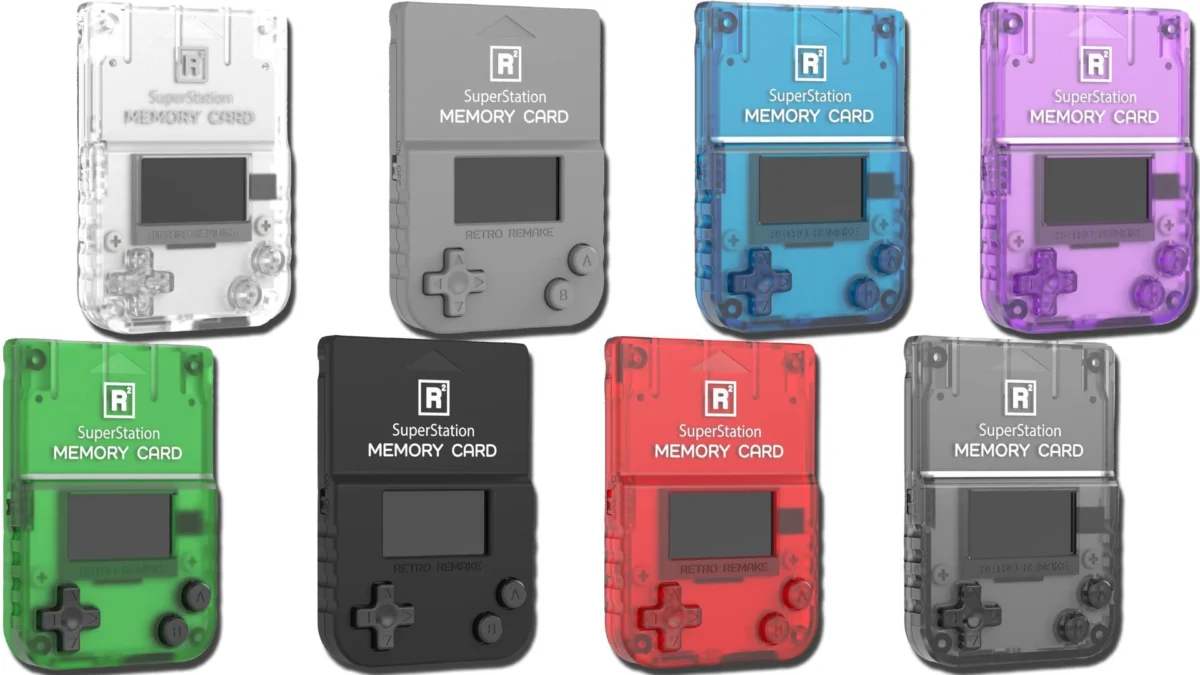
The landscape of retro gaming hardware modification continues to evolve rapidly as hardware developer and retailer Retro Remake officially opens pre-orders for its custom iteration of the open-source SD2SPX. Priced at $35, the device functions as a modern, high-capacity memory card compatible with both original Sony PlayStation 1 and PlayStation 2 consoles. By leveraging MicroSD storage technology, the peripheral modernizes legacy hardware workflows, offering enthusiasts support for virtual memory cards, FreeMcBoot installations, GameID features, and streamlined file management. Manufactured in a diverse array of eight distinct colorways—ranging from solid opaque finishes to classic transparent translucent shells—the units are slated to begin shipping to consumers in November.
Alongside the flagship SD2SPX release, Retro Remake has introduced several complementary hardware products to its storefront. These include a dedicated open-source BlueRetro wireless PlayStation controller receiver, a specialized breakout video cable designed specifically for the SuperStation One console to output native signals via standard RCA connections, and a budget-friendly "Lite" edition of the SD2SPX. Industry analysts note that demand for these niche open-source hardware solutions remains exceptionally high, evidenced by the rapid sell-out of the lower-cost Lite variant shortly after pre-orders went live.
Background Context and Technological Evolution
To understand the significance of the SD2SPX release, one must examine the hardware limitations of Sony’s fifth and sixth-generation home consoles. The original PlayStation, launched in Japan in 1994, and the PlayStation 2, introduced in 2000, relied on proprietary magnetic and flash memory cards with severely constrained capacities. A standard PlayStation 1 memory card offered a mere 128 kilobytes of storage, divided into 15 blocks, while the PlayStation 2 standard memory card provided 8 megabytes. Over time, these physical cards degraded, became easily misplaced, and were entirely inadequate for modern homebrew developments, save-state backups, and extensive game libraries.
The open-source hardware community has spent years engineering modern alternatives to alleviate these bottlenecks. Devices utilizing MicroSD cards plugged directly into console expansion ports or memory card slots allow users to store thousands of virtual memory card images on a single removable medium. The integration of software exploits such as FreeMcBoot (FMCB) on the PlayStation 2 revolutionized how enthusiasts load software, run diagnostic tools, and execute backups from external storage media without requiring modchips. By incorporating these capabilities into a mass-produced, commercially manufactured accessory, companies like Retro Remake bridge the gap between complex DIY soldering projects and accessible plug-and-play consumer hardware.

Chronology of the Open-Source Retro Hardware Movement
The trajectory leading to the current commercial availability of the SD2SPX spans several key milestones within the global retro gaming modification community:
- Early 2000s to 2010s: The discovery and popularization of software exploits, such as FreeMcBoot for the PlayStation 2, lay the groundwork for software-based console modifications. Enthusiasts rely on modified game saves and memory card exploits to bypass region locks and run homebrew applications.
- Mid-2010s: Independent hardware developers begin sharing schematics for open-source hardware projects on platforms like GitHub. Projects focusing on optical disc emulators (ODEs) and storage adapters gain significant traction among retro gaming preservationists.
- Late 2010s to 2020: The rise of affordable microcontrollers and open-source wireless communication protocols, such as BlueRetro, allows developers to design modern Bluetooth receiver adapters for legacy controllers, eliminating the tether of original controller cords.
- 2021–2023: Iterative designs for MicroSD-to-memory card interfaces circulate within hobbyist circles. Early adopters typically source components independently or rely on small-batch makers printing circuit boards at home.
- 2024–Present: Commercial entities like Retro Remake step in to manufacture polished, injection-molded, mass-produced versions of these open-source designs. By offering reliable manufacturing, quality control, diverse color options, and organized fulfillment logistics, these companies transition niche hobbyist projects into mainstream retail products.
Supporting Data and Ecosystem Analysis
The market for retro gaming accessories has expanded into a multi-million-dollar global industry, driven by aging hardware demographics and a strong cultural push toward video game preservation. Industry data highlights several key aspects of this ecosystem:
- Pricing Strategy: At $35, the SD2SPX positions itself competitively against both vintage OEM memory cards—which command inflated collector prices—and other proprietary modern storage solutions.
- Logistics and Shipping Costs: Given that many retro hardware consumers order multiple items simultaneously, retailers frequently bundle accessory drops. Retro Remake’s concurrent launch of the BlueRetro receiver and SuperStation One video cables allows international buyers to consolidate shipments, mitigating the notoriously high postal rates associated with cross-border parcel delivery.
- Material Diversity: Offering eight distinct aesthetic variations caters directly to the modern custom console community, where color-matching translucent shells (reminiscent of the late-1990s and early-2000s transparent electronics trend) serve as a major selling point.
- Hardware Compatibility: The inclusion of GameID functionality ensures that virtual memory cards can automatically switch or map correctly depending on the software currently running, drastically reducing user error and streamlining the gameplay experience.
Industry Implications and Market Impact
The commercialization of open-source hardware designs by entities like Retro Remake carries several distinct implications for the broader video game community. First, it democratizes access to advanced hardware modifications. Previously, enthusiasts wishing to utilize modern storage solutions or Bluetooth controllers on original hardware required advanced soldering skills or had to rely on scarce, hand-assembled units sold via decentralized forums. Standardization and professional manufacturing lower the barrier to entry, enabling a wider audience to maintain and enhance legacy systems.
Second, these products address the hardware decay crisis facing original gaming platforms. As mechanical and electronic components age, optical drives fail and original storage media corrupts. Solutions that replace or supplement mechanical failure points with solid-state storage extend the operational lifespan of millions of PlayStation 1 and PlayStation 2 consoles worldwide. This directly supports the preservation efforts of museums, archivists, and independent researchers who rely on functional hardware to study software history.
Finally, the success of open-source hardware commercialization validates the open-source model within consumer electronics. By adhering to open-source licenses while providing value-add services—such as mass manufacturing, quality assurance, custom shell injection molding, and customer support—companies can build viable retail businesses around community-created designs. As pre-orders for the SD2SPX and its companion products proceed toward their November fulfillment window, market watchers anticipate sustained high demand for peripherals that bridge the technological divide between twentieth-century gaming hardware and twenty-first-century storage solutions.