Cecilia Chamidah Nur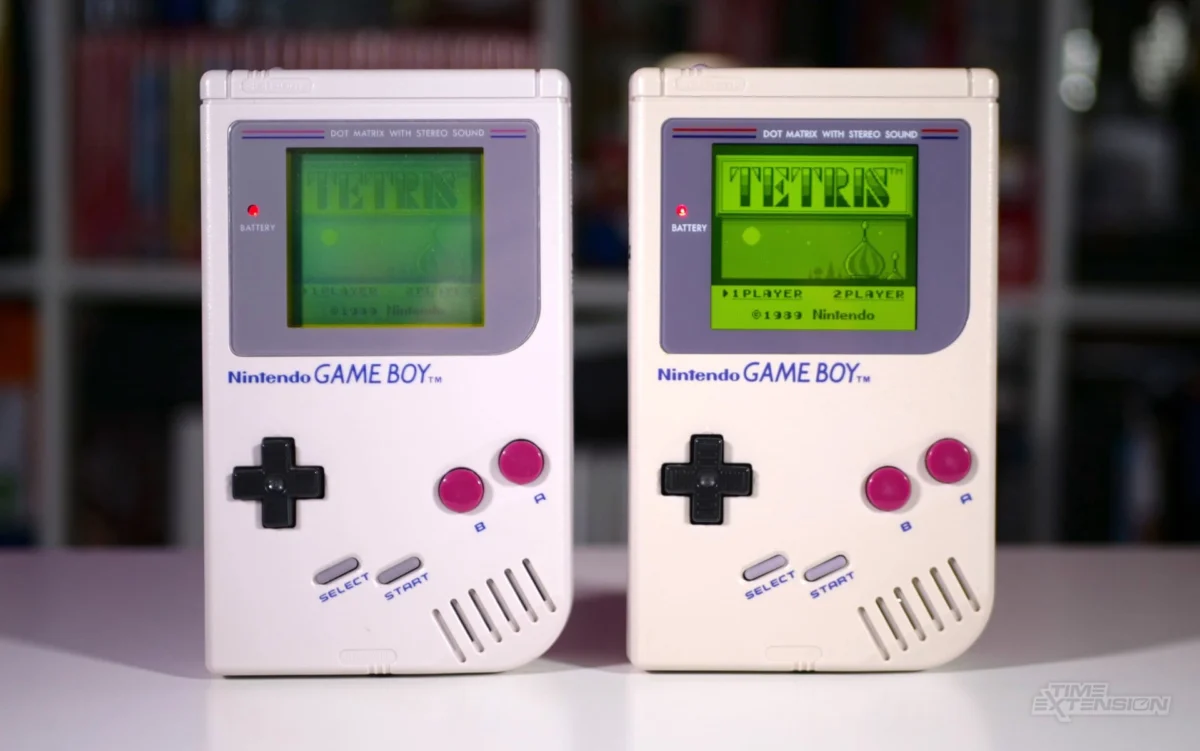
The world of retro gaming continues to demonstrate its vibrant and complex evolution, with the past week, concluding July 5th, 2026, delivering a spectrum of news ranging from major industry shifts in physical media distribution to the ongoing integration and controversy surrounding generative AI, alongside a plethora of exciting classic game revitalizations and community-driven preservation efforts. These developments underscore a crucial period where nostalgia meets cutting-edge technology and shifting consumer paradigms.
The Accelerating Shift Towards Digital-Only Gaming
A significant announcement reverberating through the gaming industry this week was Sony’s confirmation that it will cease disc-based physical releases for PlayStation 5 and future consoles by 2028. This declaration marks a decisive step in the industry’s long-anticipated transition to an all-digital distribution model, a move that has been met with both strong support and considerable apprehension from various stakeholders.
The decision by Sony is not an isolated event but rather the culmination of a trend that has been gaining momentum for over a decade. Back in 2013, Microsoft famously attempted a similar, albeit more restrictive, digital-first approach with its Xbox One console. That initial strategy, which included stringent Digital Rights Management (DRM) policies that would have severely limited second-hand game sales and required always-online connectivity, faced an overwhelming backlash from consumers, media, and even retailers. Microsoft was subsequently forced to execute an embarrassing U-turn, revising its policies to allow for offline play and physical media trading.
David Darling, co-founder of the esteemed game development studio Codemasters, provided a notable perspective on this matter during the 2013 controversy. In an interview with GamesIndustry.biz at the time, Darling contended that Microsoft’s capitulation to consumer and media pressure was a mistake, suggesting that physical media was akin to "having a dead body handcuffed to Xbox One." His viewpoint highlighted the operational and logistical efficiencies that a purely digital ecosystem could offer publishers, including reduced manufacturing, distribution, and retail costs, as well as enhanced control over intellectual property.
Fast forward thirteen years, and Sony’s move in 2026 suggests that the industry is now perceived to be sufficiently mature and consumer sentiment more amenable to such a radical shift. While some industry analysts predict increased profit margins for publishers and developers due to the elimination of physical production overheads, consumer advocacy groups have voiced concerns regarding game ownership, long-term preservation, and the potential for increased prices in the absence of a competitive physical market. The shift also poses significant challenges for brick-and-mortar game retailers and the vibrant used game market, which has historically provided affordable access to titles and a means for players to recoup some of their investment. The implications for game preservation are particularly stark, as digital-only titles are entirely dependent on platform holders maintaining server infrastructure and storefronts, raising questions about the accessibility of games decades into the future.
Navigating the Ethical Minefield of Generative AI in Gaming
The integration of generative AI (GenAI) into game development workflows continues to be a contentious topic, exemplified this week by a new kerfuffle surrounding Sega’s highly anticipated Crazy Taxi reboot. The project, titled Crazy Taxi World Tour, initially garnered unwanted headlines when it disclosed the use of GenAI in its development process. Sega subsequently attempted to walk back these claims, asserting that all assets in the final product would be "original" and any AI-generated content was merely used as placeholders during early conceptual stages.
This incident is part of a broader, industry-wide debate concerning the ethical implications of GenAI. Critics argue that the use of AI for asset generation can lead to issues of copyright infringement, as these systems are often trained on vast datasets that may include copyrighted material without proper attribution or licensing. There are also concerns about job displacement for artists and animators, and the potential for a homogenization of artistic styles if developers overly rely on AI-generated content. Conversely, proponents argue that GenAI can significantly accelerate prototyping, reduce development costs, and free up human creatives to focus on higher-level design and artistic direction.
The Crazy Taxi situation escalated further this week with a new GenAI-related drama erupting over a piece of merchandise associated with the game, suggesting that the issue of AI-generated content remains a persistent challenge for Sega. This ongoing scrutiny highlights the public’s heightened awareness and skepticism regarding AI’s role in creative industries, compelling companies to be transparent and accountable. Industry experts suggest that the successful integration of GenAI will hinge on developers establishing clear ethical guidelines, ensuring proper compensation and attribution for source material, and maintaining a strong human oversight to preserve artistic integrity and originality.
Adding another layer to the complexities of intellectual property management, Empire Interactive announced its withdrawal from the "3DO Project" less than a week after publicly stating its acquisition of "the trademark and select intellectual property rights of The 3DO Company." The rapid reversal was attributed to the "likelihood of prolonged legal disputes," according to an email sent to Time Extension. A subsequent statement posted on LinkedIn by Empire Interactive confirmed the abandonment of plans to enter "console production" and to "remaster retro games." Instead, the company declared a pivot to focusing efforts on developing "our own next-generation games," to be published under the Empire Interactive label. This episode serves as a stark reminder of the intricate legal landscape surrounding defunct IPs and the substantial risks involved in attempting to revive classic brands, particularly those with a complex history like The 3DO Company. The potential for legal challenges from various rights holders or former collaborators can quickly derail even well-intentioned revival efforts, emphasizing the need for exhaustive due diligence.
Classic Titles Reimagined and Enhanced for Modern Audiences
Despite the industry’s forward march, the enduring appeal of retro games continues to drive significant development, with several beloved classics receiving modern updates and re-releases.
Nintendo’s recent revisit to Star Fox 64 on the new Switch 2 console has once again captivated fans, showcasing why Fox McCloud and his mercenary team remain iconic. The new iteration reportedly harbors an "insanely deep" Easter Egg, a testament to the development team’s profound appreciation for the series. Velan Studios, the team behind the game, has demonstrated a keen understanding of the franchise’s lore, delighting long-time fans with subtle nods and references that enrich the Star Fox universe. This approach of incorporating deep fan service not only acknowledges the series’ legacy but also strengthens the connection between the developers and the dedicated fanbase.
The new handheld edition of Banjo-Kazooie has also revealed delightful surprises beyond its initial announcement of a secret music player. Players who achieve 100% completion of the game have unlocked a hidden cheat menu. This menu offers a range of conveniences, including infinite blue eggs, infinite feathers, and infinite air supply, enhancing replayability and accessibility for players who wish to explore the game without resource constraints. More intriguingly, the menu includes an option to reset secret items, presumably the "Swop ‘N Stop" items, and introduces a previously unseen move for Kazooie called "Breegull Boost." Such additions demonstrate a commitment to providing genuine new content and quality-of-life improvements that go beyond simple emulation, catering to both nostalgic players and those new to the title.
Japanese players are celebrating the release of M2’s Ganbare Goemon! Daishuugou collection, a comprehensive package bringing 13 games from Konami’s popular Ganbare Goemon series to Nintendo Switch, PS5, and Steam. M2, renowned for its meticulous emulation and porting work, has delivered a collection that is a treasure trove for fans. Adding to the excitement, the collection reportedly includes a fascinating bonus: Crisis Force, a 1991 Famicom-exclusive shoot ’em up from Konami that has never before received an official port. This inclusion highlights the value of such collections in not only preserving well-known classics but also unearthing rare and previously inaccessible titles for a wider audience, underscoring M2’s dedication to game preservation and quality.
Meanwhile, the Truxton series, a staple in the arcade shoot ’em up genre since 1989, is set to receive a modern update with Truxton Extreme. Helmed by Masahiro Yuge, a former Toaplan staffer and the original composer and driving force behind the series, Truxton Extreme promises to stay true to the challenging core of its predecessors while delivering a 2026 visual and technical polish. A recent preview event offered a unique hands-on experience in Nottingham, where the game was showcased on a massive ‘Epic’ screen at VUE’s Corner House cinema. This innovative presentation method suggests developers are exploring new ways to immerse players and highlight the intensity of modern retro-inspired titles, leveraging cinematic technology to amplify the arcade experience.
Community-Driven Preservation and Modernization of Hardware and Software
The retro gaming community continues to be a driving force in both preserving classic hardware and software and enhancing their functionality for contemporary standards.
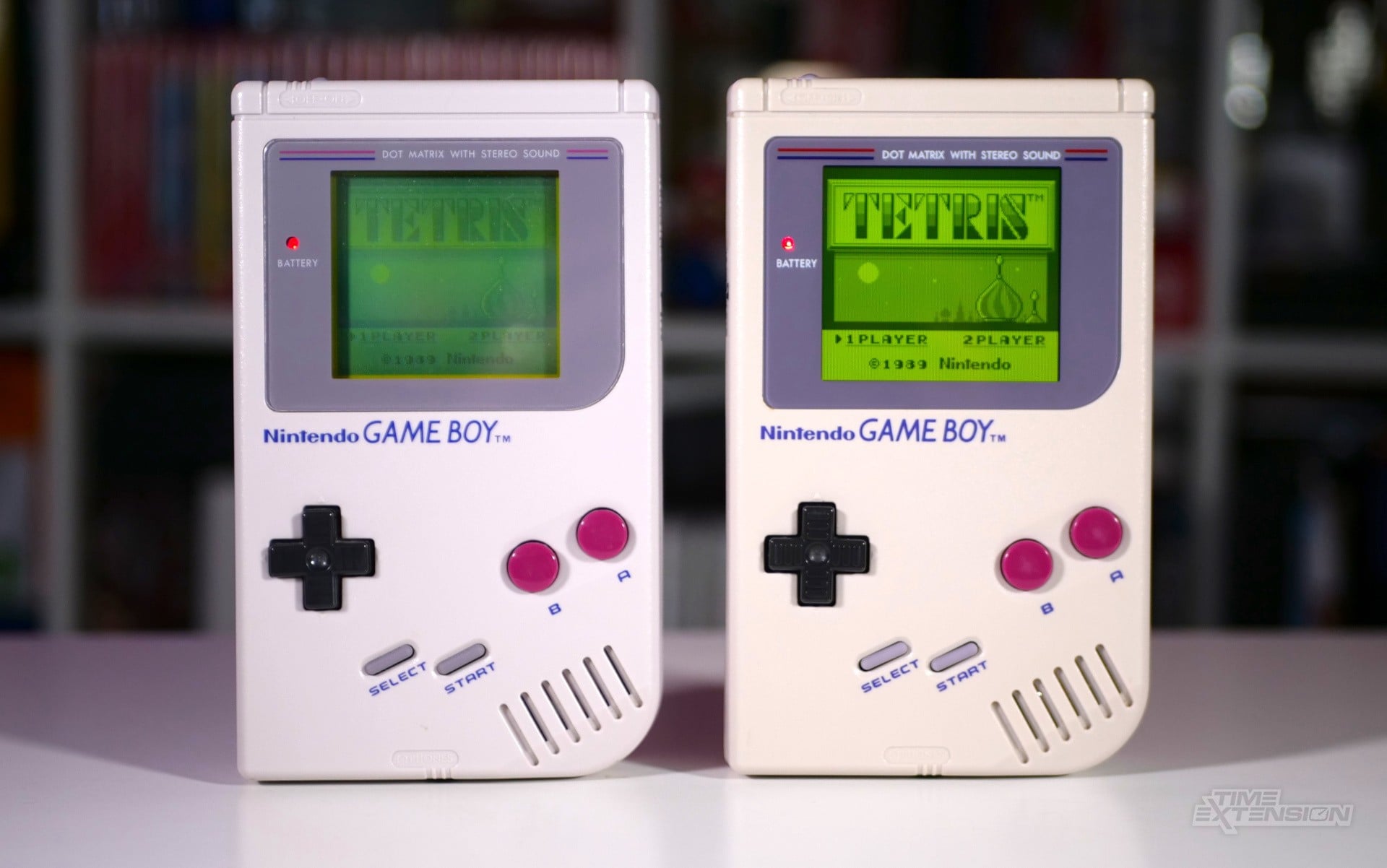
One notable example is the ongoing modernization of the original Game Boy (DMG-01). Enthusiasts like Damien McFerran have highlighted how their beloved handhelds can reach a "final form" through a series of key upgrades. The integration of a fancy new modern-day display significantly improves visual clarity and vibrancy, addressing one of the original hardware’s primary limitations. Coupled with an EverDrive GB X7 flash cart, players can now carry their entire Game Boy collection on a single cartridge, complete with save state support—a feature highly valued in modern gaming and often associated with emulators like the Analogue Pocket. Furthermore, the CleanJuice battery pack eliminates the need for constant AA battery swaps, offering a convenient USB-C rechargeable solution. These modifications collectively enhance the playing experience, making classic games more accessible and enjoyable without resorting to software emulation.
In the realm of software preservation and adaptation, the Xbox Live Arcade (XBLA) version of Konami’s legendary Castlevania: Symphony of the Night has received a significant recompilation treatment. Developed by Marco Andronaco, known as ‘birabittoh,’ and built upon the ReXGlue SDK, this project statically recompiles the Xbox 360 PowerPC xex file into native x86_64 code at build time. The result is a version that runs natively on Windows and Linux, effectively transforming the console port into a moddable "PC port." This community-driven initiative significantly enhances the game’s accessibility and longevity, allowing it to bypass emulation layers and potentially open the door for extensive fan modifications, further enriching the experience of a title widely regarded as a genre-defining masterpiece.
Expanding the Universe of Retro Brands
Beyond direct game revivals, the appeal of retro brands is also expanding into new media. The Tetris Company has announced a new CG-animated adventure series for children aged 6 and up, titled Tetris: World Builders. Developed in collaboration with executive producer Chuck Williams, known for his work on video game adaptations like the original Sonic the Hedgehog movie, the series was unveiled at the Annecy International Animation Film Festival. Tetris: World Builders is slated to blend "imaginative storytelling with STEAM-inspired problem-solving," aiming to leverage the foundational principles of science, technology, engineering, arts, and mathematics inherent in the classic puzzle game. This initiative demonstrates a strategic effort to broaden the Tetris brand’s appeal to younger audiences, introducing the timeless concepts of spatial reasoning and problem-solving through an engaging animated format, further cementing its cultural relevance across generations.
The past week in retro gaming highlights a dynamic and multifaceted landscape. From the industry’s grapple with digital distribution and the ethical implications of AI to the meticulous efforts of developers and communities in revitalizing and preserving classic titles, the retro gaming sphere continues to evolve. It is a space where nostalgia is constantly reinterpreted through modern lenses, ensuring that the legacy of gaming’s past remains vibrant and relevant for current and future generations of players.