Cecilia Chamidah Nur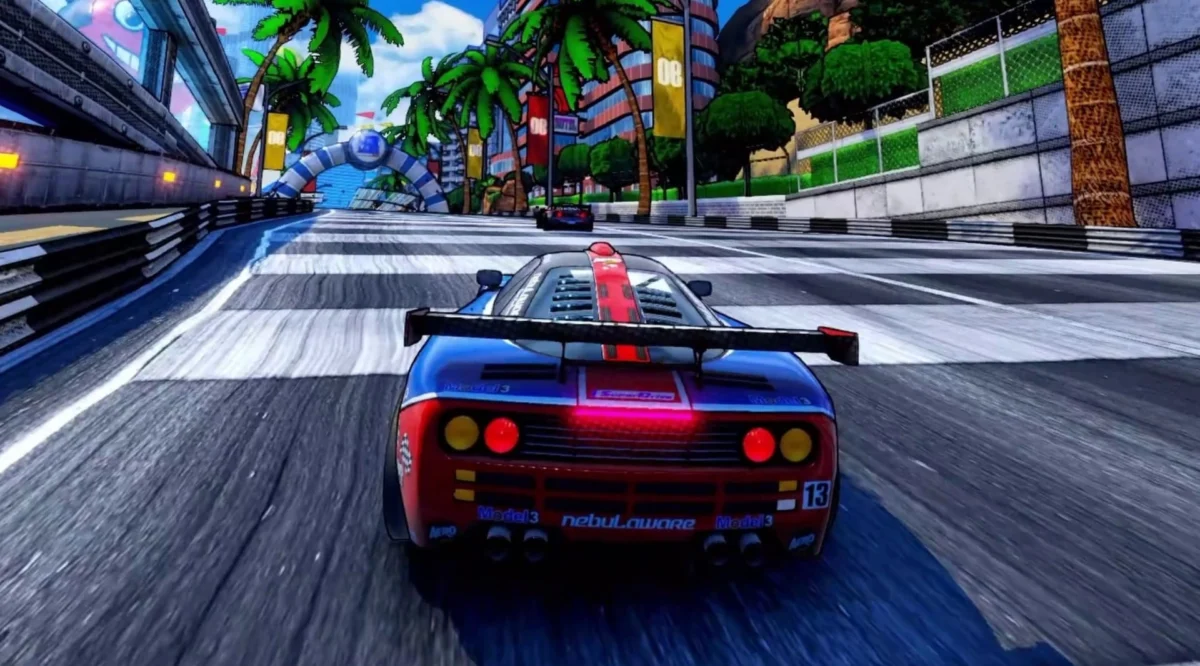
The protracted saga of a retro-inspired racing game, initially titled 90’s Arcade Racer and later ’90s Super GP, has taken an unexpected turn with the emergence of a spiritual successor, Overtake, embedded within a new game by the original developer, Antonis Pelekanos. This development signals a potential resolution, albeit an unconventional one, for a project that has languished in development for over a decade, having been an early success story in the crowdfunding era of the early 2010s. The new game, Takeover 2, is slated for a September launch, offering a glimpse into a creator’s determined effort to reclaim and realize his original vision.
The story began in 2013 when 90’s Arcade Racer captured the imagination of retro gaming enthusiasts. Pitched as a heartfelt homage to the iconic arcade racers of the 1990s, such as Sega’s Daytona USA and Scud Race, the project quickly garnered significant support through a successful crowdfunding campaign. At the time, crowdfunding platforms like Kickstarter and Indiegogo were burgeoning hubs for independent game development, promising direct engagement between creators and their communities. 90’s Arcade Racer tapped into a deep vein of nostalgia, appealing to those who fondly remembered the high-octane, vibrant, and often simplistic thrills of coin-op racing cabinets. The initial promise was to deliver a game that encapsulated the spirit of these classics, offering a blend of fast-paced action, distinct visual aesthetics, and accessible gameplay, with an initial target of launching on modern systems, prominently featuring the Nintendo Wii U.
The Unfulfilled Promise: A Decade in Development Hell
The appeal of 90’s Arcade Racer lay in its clear inspiration. Daytona USA, released by Sega AM2 in 1993, set a benchmark for 3D arcade racing with its groundbreaking textures, smooth framerates, and iconic soundtrack. Its success spawned numerous imitators and cemented the arcade racer as a genre defined by immediate gratification and competitive multiplayer. Scud Race (known as Sega Super GT in North America), released in 1996, further refined this formula with enhanced graphics and physics, continuing Sega’s dominance in the arcade racing scene. Pelekanos’s project aimed to distill this essence into a modern title, a concept that resonated strongly with a gaming community eager for such a revival.
However, the enthusiasm that greeted 90’s Arcade Racer‘s announcement and crowdfunding success soon gave way to a prolonged period of uncertainty. The proposed launch window, initially anticipated for 2014 or early 2015, was missed. This pattern of delays, while not uncommon in game development, particularly for independent studios or solo developers, began to sow seeds of doubt among backers and observers. The challenges inherent in game development, from unforeseen technical hurdles to scope creep, often weigh heavily on smaller teams lacking the extensive resources of larger publishers. For a solo developer like Antonis Pelekanos, navigating the complexities of game design, programming, art, and business logistics simultaneously proved to be a formidable task.
A Shifting Landscape: Renaming, Platform Changes, and Editorial Silence
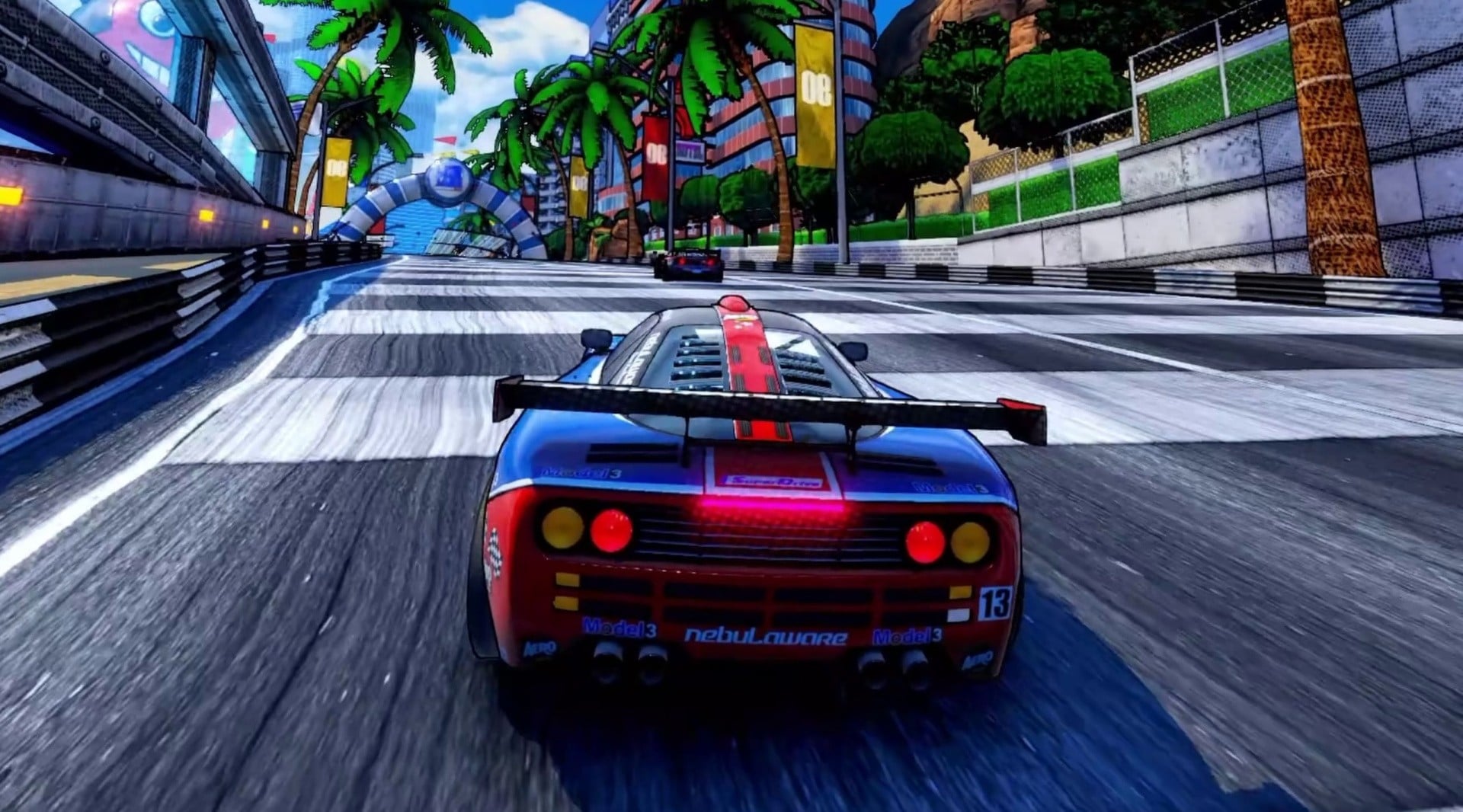
By 2016, the project underwent a significant transformation. It was officially renamed ’90s Super GP, a change that coincided with a re-evaluation of its target platforms. The Nintendo Wii U, initially a key platform, was dropped from the development roadmap. This decision reflected the broader market realities of the time; the Wii U, despite its innovative GamePad concept, struggled to gain significant market traction and was eventually succeeded by the highly successful Nintendo Switch in 2017. The game was then slated for release on the Switch, PlayStation 4, and Steam, indicating a strategic shift towards more popular and widely adopted platforms.
This period was marked by sporadic updates and a growing sense of apprehension within the gaming community. Backers, who had enthusiastically supported the game years prior, found themselves in a familiar crowdfunding predicament: investing in a dream that seemed perpetually just out of reach. The challenges of developing for multiple platforms, each with its unique technical requirements and certification processes, undoubtedly contributed to the extended development cycle. For a solo developer, such an undertaking represents a monumental effort, often requiring significant time and financial resources that can quickly outpace initial crowdfunding estimates.
Publisher Intervention and the Developer’s Departure
The most pivotal turn in the ’90s Super GP saga occurred in 2019. It was officially confirmed that Antonis Pelekanos, the game’s sole developer and the visionary behind its original concept, was no longer involved with the project. The publishing rights and sole ownership of ’90s Super GP had been transferred to Nicalis, Inc., a publisher known for its involvement with successful indie titles such as The Binding of Isaac and Cave Story, but also for projects with extended development timelines and occasional controversies regarding communication and developer relations.
The transfer of ownership effectively distanced Pelekanos from his creation, leaving the future of ’90s Super GP entirely in Nicalis’s hands. While Nicalis maintains a game page for ’90s Super GP on its official website, promoting it with screenshots and a brief description, the game has yet to see a release. Years have passed since the publisher took over, and the title remains in a state of indefinite limbo, a classic example of "vaporware"—a product announced to the public but never officially released. This situation left many wondering if the game would ever truly materialize, especially given the significant time elapsed and the original developer’s departure.
From Stalled Project to Spiritual Successor: The Birth of Overtake
For Antonis Pelekanos, the separation from ’90s Super GP appears to have been a catalyst for a new creative direction. Rather than passively waiting for the stalled project to potentially see the light of day under Nicalis’s stewardship, Pelekanos embarked on a new venture. His latest game, Takeover 2, is not a racing game in its primary genre, but rather a side-scrolling fighter. However, it is within Takeover 2 that Pelekanos has discreetly, yet powerfully, resurrected his original racing vision.
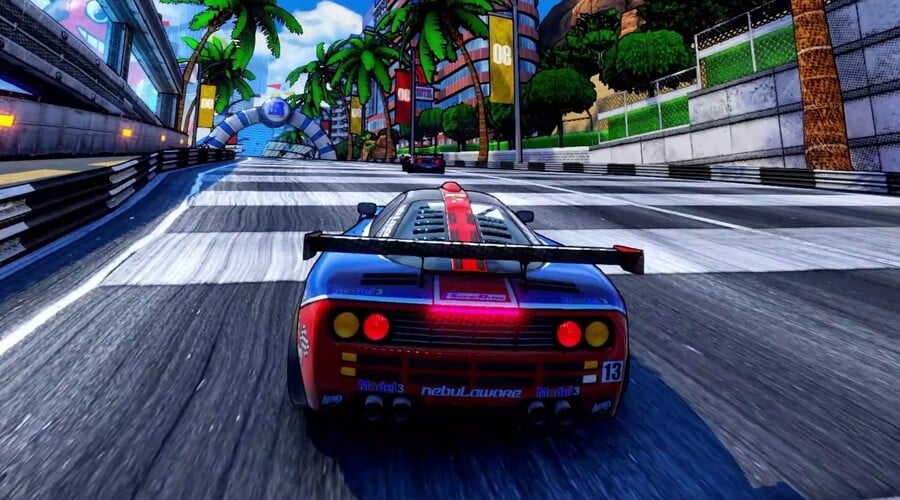
Included as a bonus mini-game within Takeover 2 is a title called Overtake. The name itself is a clever and poignant nod to the original project, 90’s Arcade Racer, and its subsequent iteration. It symbolizes a developer’s act of "overtaking" the circumstances that prevented his first racing game from launching, and perhaps, metaphorically, "overtaking" the publisher who now holds the rights to his initial work.
Overtake is described as a "retro-inspired, white-knuckle racing challenge where if you don’t finish first…you’re last." This description perfectly encapsulates the high-stakes, competitive philosophy that defined the arcade racing genre of the 1990s. These games were not about long campaigns or intricate narratives; they were about raw speed, immediate competition, and the thrill of crossing the finish line ahead of rivals. The inclusion of Overtake within Takeover 2 serves as a powerful statement from Pelekanos, allowing him to deliver on the spirit of his original promise to his community, even if the original game itself remains unreleased.
Furthermore, Takeover 2 extends its homage to the arcade golden age with another bonus game, Jet Fury. This mini-game is explicitly presented as a tribute to Sega’s After Burner, another iconic 1980s arcade title that put players in the cockpit of a fighter jet for high-speed aerial combat. The presence of both Overtake and Jet Fury strongly suggests that Takeover 2 is not just a new game from Pelekanos, but a broader celebration of classic arcade gaming, channeled through his distinctive development lens.
The Broader Context of Crowdfunding and Game Development Ethics
The story of 90’s Arcade Racer and its transformation into Overtake is emblematic of several broader trends and challenges within the independent game development landscape and the crowdfunding ecosystem.
Crowdfunding’s Double-Edged Sword: In the early 2010s, crowdfunding offered a democratic alternative to traditional publishing, empowering creators and fostering direct community engagement. However, it also exposed the inherent risks of game development to a wider audience. Many projects, like 90’s Arcade Racer, faced unforeseen hurdles, leading to significant delays, scope changes, or even outright cancellation. This led to "backer fatigue" and a more cautious approach from investors and players towards crowdfunding campaigns, particularly those promising ambitious projects from small teams. The 90’s Arcade Racer saga serves as a case study in the complexities of managing expectations, finances, and development timelines within a crowdfunded model.
Developer Ownership vs. Publisher Control: The transfer of ’90s Super GP to Nicalis highlights the delicate balance between a developer’s creative vision and a publisher’s commercial interests. While publishers often provide crucial funding, marketing, and distribution channels, they also typically acquire intellectual property rights or significant control over a project’s direction and release schedule. When a developer separates from their creation, as Pelekanos did, the original vision can be altered or indefinitely shelved. This scenario underscores the importance of clear contractual agreements and understanding of intellectual property rights in game development partnerships.
The Resilience of Indie Creators: Despite the setbacks and the loss of his original project, Pelekanos’s decision to integrate a spiritual successor into Takeover 2 speaks volumes about the resilience and passion of independent game developers. It demonstrates a commitment to delivering on an artistic vision, even if it must be through an alternative channel. This approach allows creators to move forward, learn from past experiences, and continue innovating, rather than being perpetually tied to unreleased projects. The concept of "spiritual successors" is a well-established tradition in gaming, often emerging when creators wish to revisit themes or mechanics from past works they no longer control.
Implications for the Industry and Gamers
The eventual launch of Takeover 2 with Overtake carries several implications for the gaming industry and its community:
- Renewed Trust (Cautiously): For those who followed the 90’s Arcade Racer story, Overtake offers a measure of closure and a testament to Pelekanos’s dedication. It might cautiously rebuild some faith in developers who face difficulties, showcasing that even stalled projects can find a form of redemption.
- The Power of the Niche: The continued desire for retro-inspired content, particularly from the 90s arcade era, remains strong. The existence of Overtake and Jet Fury within Takeover 2 proves that there is a significant audience for these experiences, validating the original premise of 90’s Arcade Racer.
- Lessons for Publishers: The protracted delay of ’90s Super GP under Nicalis’s ownership could serve as a reminder of the importance of clear communication and timely release strategies, especially for projects with pre-existing community investment.
Looking Ahead: Takeover 2’s September Launch
As Takeover 2 prepares for its September launch, all eyes will be on Antonis Pelekanos’s latest endeavor. While ’90s Super GP remains an unreleased enigma on Nicalis’s roster, Overtake provides a tangible and playable experience that channels the spirit of its long-lost predecessor. This strategic inclusion offers a unique resolution to a decade-long development saga, allowing the original developer to finally deliver a piece of his beloved retro racing vision to a waiting audience. The journey of 90’s Arcade Racer to ’90s Super GP and now, symbolically, to Overtake, is a compelling narrative of ambition, unforeseen challenges, and the enduring creative spirit of an independent game developer.