 Cecilia Chamidah Nur
The Origins of Karate Champ and the Rise of the Fighting Genre
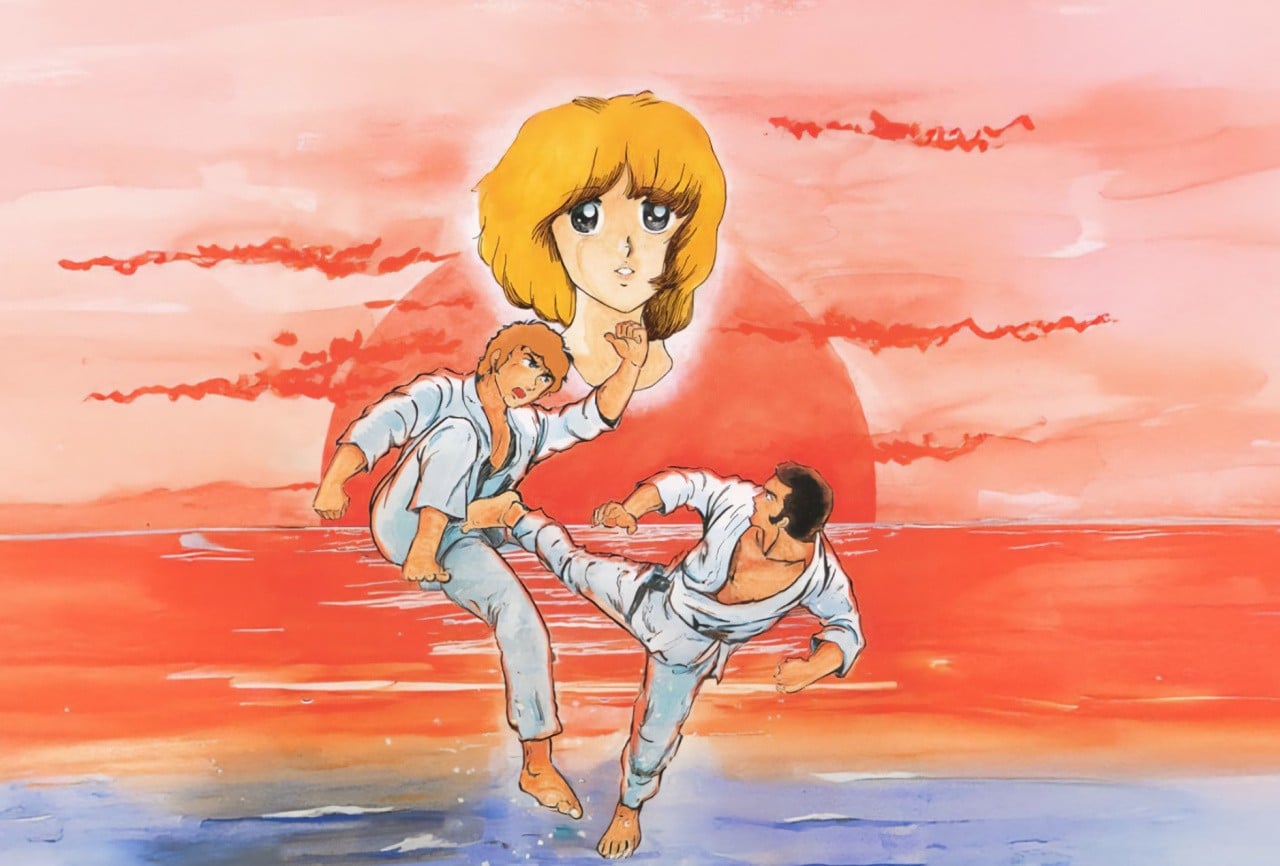
To understand the cultural context of Karate Champ, one must look back to the early 1980s, a period defined by the rapid evolution of arcade technology. The original Karate Champ, developed by Data East and released in the arcade market in 1984, was a pioneer. Before the genre was dominated by the combo-heavy systems of the 1990s, Karate Champ introduced the concept of one-on-one combat featuring realistic, human-scale character sprites.
The game was designed by Yoshihisa Kishimoto, who would later achieve fame for his work on Renegade and the Double Dragon series. In the arcade version, the controls were unconventional, utilizing dual joysticks to execute specific martial arts maneuvers. This mechanical complexity was a deliberate design choice intended to mirror the nuance of actual karate training. When the title was ported to the Nintendo Entertainment System (NES) in 1986, the limitations of the console’s hardware—specifically the single D-pad and two-button controller configuration—necessitated a radical redesign of the input system.
Chronology of the Console Port
The transition from the arcade cabinet to the home console was a common practice during the mid-1980s, but it was rarely a seamless process.
- 1984: The original Karate Champ arcade cabinet debuts, setting a new standard for competitive gameplay.
- 1985: Data East sees continued success as the game spawns various iterations and international distributions.
- 1986: The NES conversion is released, attempting to bring the arcade experience to a broader audience.
- 2026: Hamster Corporation, through its licensing agreements with G-Mode (which currently holds the rights to Data East’s legacy catalog), brings the NES version to modern platforms as part of their ongoing digital archive initiative.
The 1986 port was released at the height of the "Karate Mania" phenomenon in North America and Europe. Following the massive box-office success of 1984’s The Karate Kid, martial arts-themed media saturated the market. The popularity of the sport extended into toy aisles and video game catalogs, as developers rushed to capitalize on the public’s fascination with dojos and combat sports.
Technical Limitations and Gameplay Challenges
The NES port of Karate Champ is frequently cited in retrospectives for its steep difficulty curve, which is largely attributed to its control scheme. Unlike modern fighting games that rely on standardized "hitbox" mechanics and input buffering, the NES version of Karate Champ utilized contextual attacks that were highly sensitive to the player’s position and the timing of their inputs.

The game operates on a best-of-three match format, where the first player to score two "full point" strikes—or a combination of two "half-point" strikes—is declared the winner. Matches are set against a variety of backdrops, ranging from static dojos to more adventurous environments like piers and cliff edges. While these environmental shifts provided visual variety, the core gameplay remained focused on precise, often unforgiving, directional inputs.
Analysis of the port reveals that the synthesized audio cues—the referee’s announcements—remain one of the most recognizable features of the game. For many players, the distinct, digitized voice clips that bookend each bout serve as the most prominent link to the arcade original, masking the technical shortcomings that plagued the 8-bit conversion.
The Role of Hamster Corporation in Digital Preservation
Hamster Corporation’s strategy with the Console Archives series is to provide a faithful, unedited recreation of original software. By making Karate Champ available on the PlayStation 5 and Nintendo Switch 2, the company ensures that modern players can experience the game exactly as it existed in 1986, complete with its original limitations.
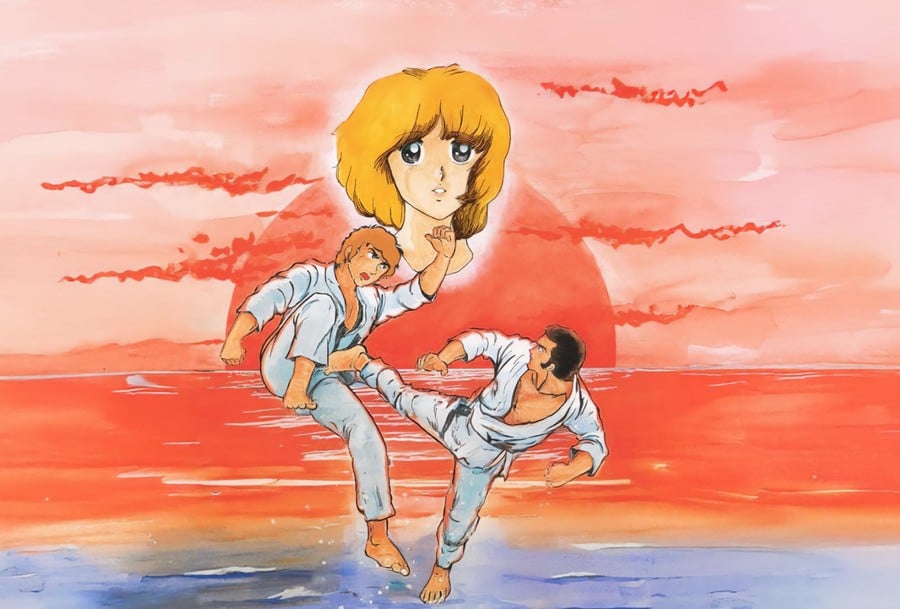
From a preservationist standpoint, this release is significant. It avoids the temptation to "remaster" or "fix" the controls, which would fundamentally alter the historical document that is the NES port. By maintaining the integrity of the original code, Hamster allows historians and enthusiasts to study the design philosophy of the 1980s, including the early attempts to solve the problem of how to map complex martial arts movements to a simplified controller.
Market Implications and Cultural Legacy
The release of Karate Champ in the current gaming landscape offers an interesting study in the evolution of consumer expectations. Modern fighting games are defined by accessibility and refined frame data, elements that were entirely absent from the 1986 NES port.
Data analysts often categorize such releases as "heritage software." While they may not compete with contemporary titles in terms of player retention or mechanical depth, they serve as essential components of a digital library. The inclusion of the NES version, rather than the original arcade cabinet, provides a specific look at how home consoles were positioned as secondary markets during the 8-bit era.
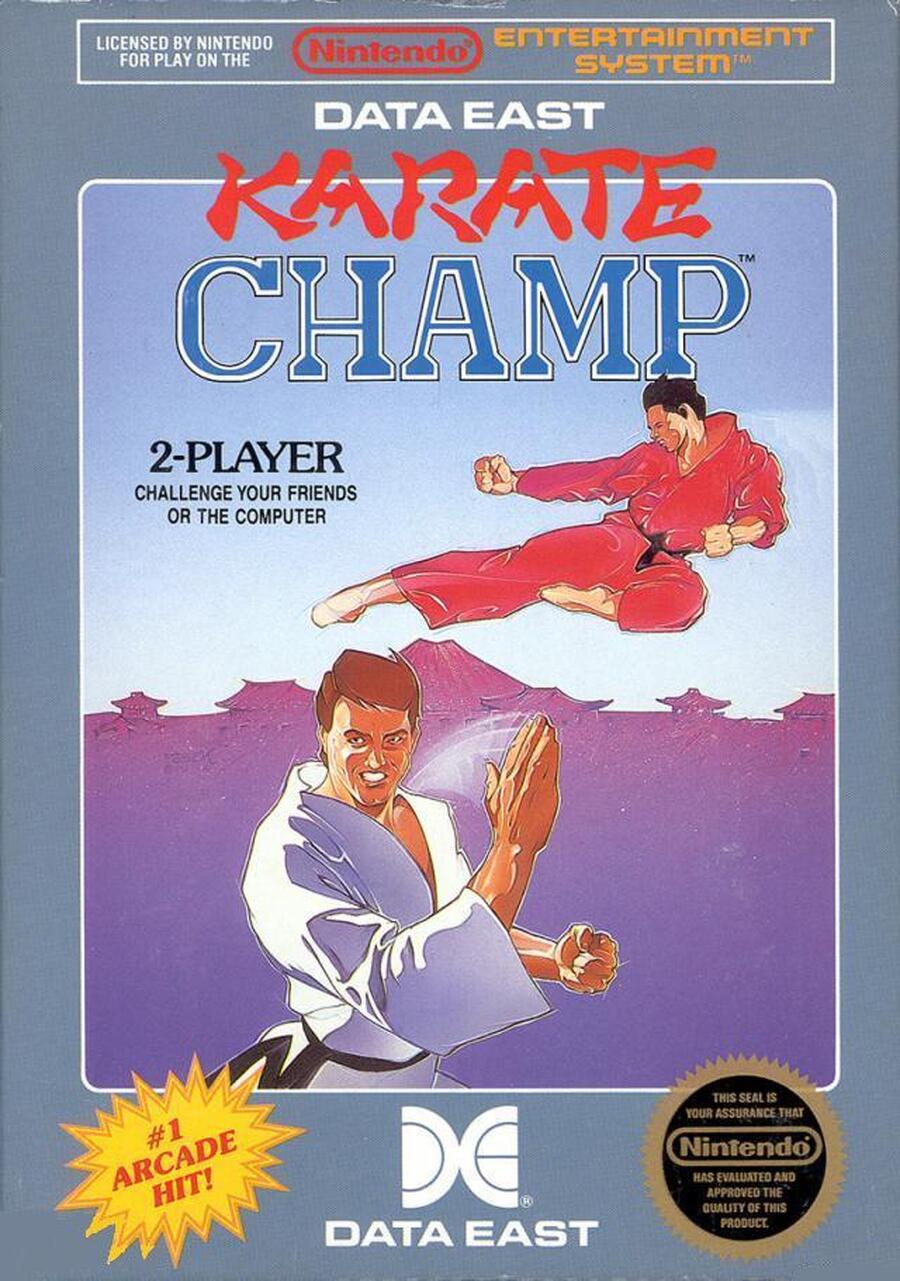
Furthermore, the longevity of the Karate Champ intellectual property speaks to the endurance of its core concept. Despite the frustrations of the port’s controls, the game’s template of two fighters facing off in a contained arena remains the foundation of a multi-billion dollar industry. Modern titles, from Street Fighter 6 to Tekken 8, owe a debt to the foundational experiments performed by developers at Data East four decades ago.
The Broader Impact on Martial Arts Gaming
The wave of "gi-wearing titles" that flooded the market in the late 1980s helped establish the fighting game as a viable genre for the home console. Titles such as International Karate and the Last Ninja series also benefited from this trend. These games moved away from the "collect-the-dots" mentality of early arcade titles, favoring a more directed, confrontational style of play that resonated with a generation raised on Hong Kong cinema and suburban karate schools.
As Karate Champ joins the library of titles on modern consoles, it serves as a bridge to a formative era of digital entertainment. While the game may prove challenging for players accustomed to modern, forgiving mechanics, its presence in the Console Archives is a vital piece of the ongoing effort to ensure that the history of interactive media remains accessible.

For those interested in the history of the fighting genre, the arrival of Karate Champ is less about the current gameplay experience and more about the historical significance of the software. It represents the early, often clumsy, steps taken by developers to translate the grace of martial arts into the rigid, grid-based logic of 8-bit hardware. By providing this title to a new generation, the industry acknowledges that the value of video games is not found solely in modern graphics or refined inputs, but in the preservation of the milestones that built the foundation for everything that followed.