 Cecilia Chamidah Nur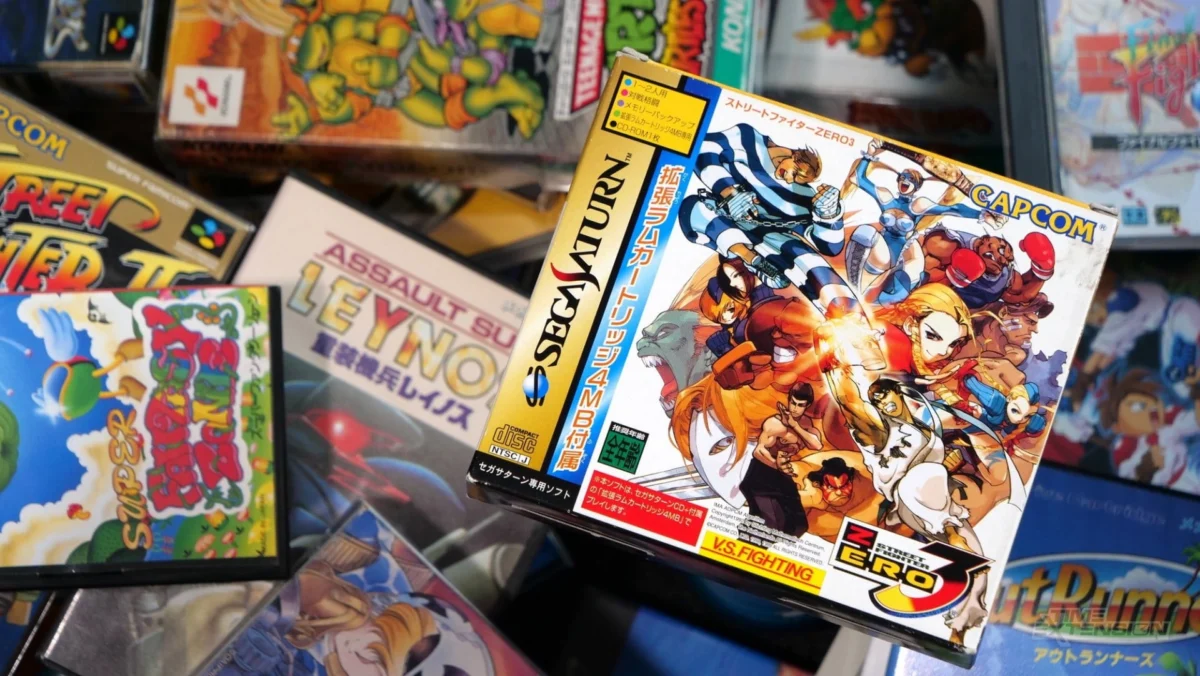
The Historical Context of the Import Market
During the 1980s and 1990s, the video game industry was heavily fragmented by regional locking. Console manufacturers implemented these technical barriers to control pricing, content distribution, and the release schedules of games across North America, Europe, and Japan. Consequently, a game released in Tokyo might not reach London or New York for months, or in many instances, might never see a Western release at all.
This regulatory environment created a secondary market fueled by specialist retailers. In the United Kingdom, magazines such as Computer and Video Games (CVG) and Mean Machines became vital resources, providing reviews and coverage of Japanese imports. These publications did more than inform; they fostered a culture of aspiration, where owning a Japanese Mega Drive or a Super Famicom was considered a status symbol among enthusiasts.
The chronology of this era is defined by the physical acquisition of hardware and software. Before the ubiquity of the internet, consumers relied on small, independent boutiques—often referred to as "import shops"—that operated in major urban centers. These retailers maintained direct supply lines to Asian distributors, allowing them to stock titles for the Sega Saturn, Sony PlayStation, and Nintendo 64 long before their official local release dates.
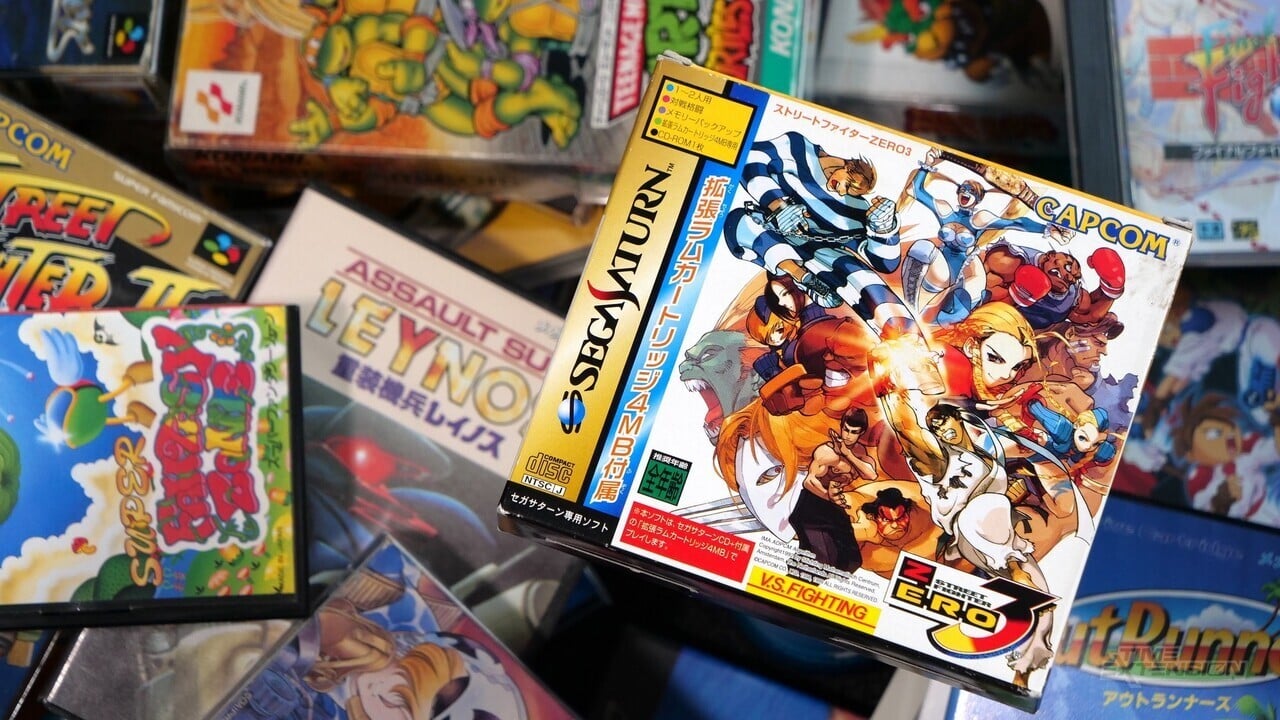
Timeline of the Import Evolution
- 1985–1990: The Emergence of the Grey Market. Early adopters utilize custom converters or modify their consoles to bypass physical region-locking mechanisms, establishing the foundational infrastructure for the import trade.
- 1991–1996: The Peak of the Specialist Retailer. With the rise of 16-bit and 32-bit consoles, magazines act as the primary bridge for import news. Independent retailers, such as the early iterations of CeX (Complete Entertainment Exchange) in the UK, become hubs for trading imported Japanese software.
- 1997–2005: The Global Integration Era. The advent of mod-chips and early e-commerce platforms makes importing more accessible to the average consumer. Despite legal friction from manufacturers, the trade becomes a significant, albeit niche, industry.
- 2006–2015: Transition to Digital Distribution. The PlayStation 3 and subsequent hardware generations begin to phase out region locking for software, though physical imports remain popular for collectors seeking exclusive Japanese editions.
- 2016–Present: The Era of Digital Sovereignty. The Nintendo Switch, with its largely region-free architecture, removes the final major hardware barrier. Importing is now largely a choice based on aesthetic preference or exclusive content, rather than a technical necessity.
Analyzing the Prevalence of the Practice
Recent discourse suggests that while many gamers engaged in importing, the scale of this engagement varied significantly based on geographic and socioeconomic factors. Data regarding the "grey market" of the 90s is notoriously difficult to quantify, as these transactions often occurred outside of traditional retail audits. However, the density of import shops in cities like Birmingham, London, and Tokyo suggests a robust, localized economy.
Critics of the idea that importing was a "common" experience point to the financial barrier to entry. In the early 1990s, the cost of an imported console, combined with the necessity of specialized power converters and the risk of software incompatibility, meant that importing was, by definition, a pursuit for the dedicated enthusiast rather than the casual player.
Furthermore, demographic data from the era indicates that import gaming was largely an urban phenomenon. Players residing in rural areas without access to specialist retailers were effectively excluded from the practice until the rise of mail-order catalogs and, eventually, online auction platforms.
Industry and Regulatory Perspectives
From the perspective of console manufacturers, the import market was historically viewed with hostility. Companies like Nintendo and Sony frequently cited the need for regional restrictions to maintain quality control, ensure proper translation, and respect regional marketing strategies.
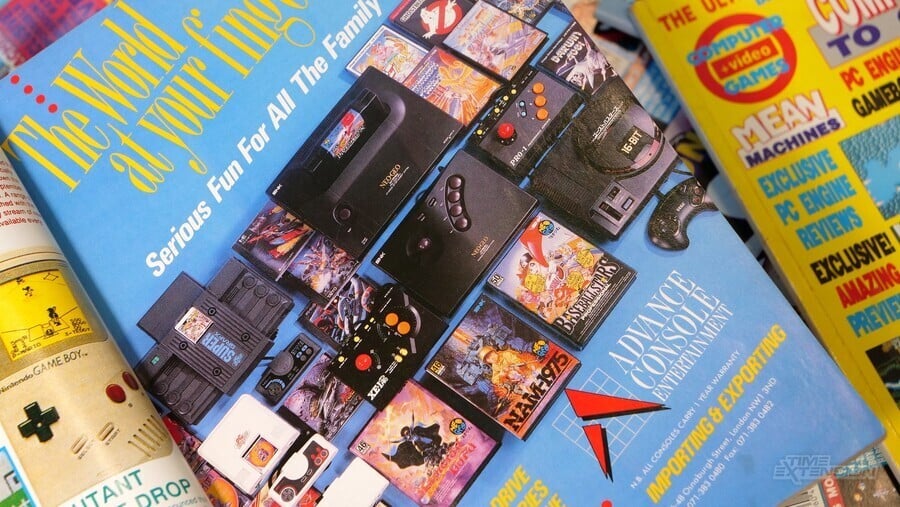
"The regional lockout was a double-edged sword," says industry analyst Marcus Thorne. "While it protected the business interests of regional branches, it inadvertently created a vibrant, decentralized community of gamers who were willing to pay a premium to bypass these controls. The eventual shift toward region-free gaming, seen most prominently with the Nintendo Switch, was not merely a consumer-friendly choice; it was an acknowledgment that the globalized internet had rendered the old geographic barriers obsolete."
Official responses from retailers who survived the transition—such as those who shifted from physical import shops to global digital marketplaces—emphasize that the "import" community has simply evolved. Today, the practice is driven by the desire for Japanese-exclusive cover art, limited edition hardware bundles, and titles that lack a localized translation.
Broader Impact and Implications
The debate over the significance of import gaming touches upon the wider issue of game preservation and regional accessibility. When a title is not officially released in a specific region, the import market becomes the sole mechanism for consumer access.
The implications of this history are twofold. First, it highlights the importance of independent retail in shaping the early gaming landscape; without these shops, much of the cultural exchange between Japan and the West would have been delayed or entirely stifled. Second, it serves as a reminder of the fragility of software access. In an era where digital storefronts can be shuttered and licensing deals expire, the physical import market—and the community that sustains it—remains a vital, if aging, defense against the loss of interactive history.

As the industry continues to move toward a purely digital ecosystem, the concept of "importing" faces a slow obsolescence. The ability to download software from a Japanese PlayStation Store account or purchase a digital title on a global eShop is the final evolution of the practice. While the physical thrill of the import shop—the specialized hardware, the translated manuals, and the distinct scent of imported plastic—may be fading, the underlying impulse that drove a generation of gamers to look beyond their own borders remains a defining characteristic of the global video game community.
In conclusion, while it may be reductive to label import gaming as a "universal" experience, it is equally inaccurate to dismiss it as a non-existent one. The import market was a foundational element of the 1990s and early 2000s gaming culture, acting as both a bridge for cultural exchange and a testament to the dedication of players who refused to let geographic borders dictate their access to interactive entertainment. Whether one considers it a niche hobby or a mainstream pursuit depends entirely on the era, the geography, and the commitment of the individual gamer.