 Cecilia Chamidah Nur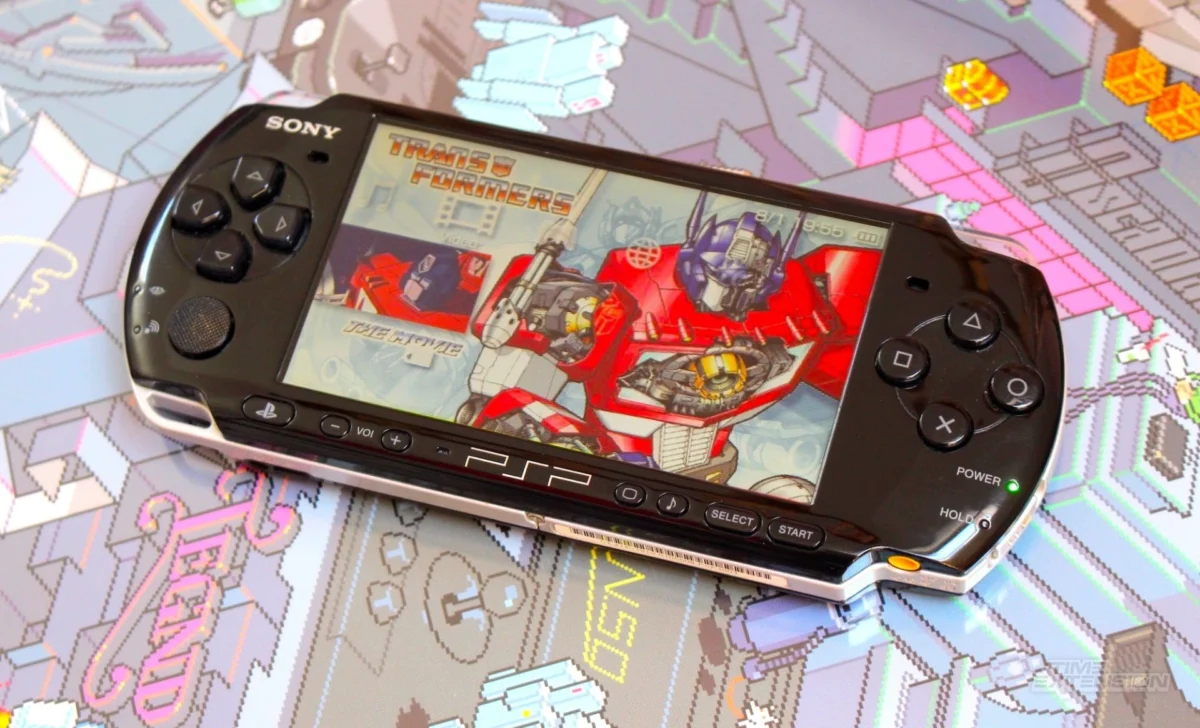
The history of the handheld gaming market is defined by a series of fierce rivalries and technological pivots, with perhaps no moment more illustrative of the tension between Sony and Nintendo than the mid-2000s emergence of the PlayStation Portable (PSP). Former Sony Interactive Entertainment executive Shawn Layden recently provided rare, candid insight into the competitive atmosphere of the era, recounting how the announcement of the PSP prompted an immediate and visceral reaction from his peers at Nintendo.
The Genesis of the PSP Rivalry
In the early 2000s, the portable gaming landscape was almost entirely dominated by Nintendo’s Game Boy line. Having established a near-monopoly with the Game Boy, Game Boy Color, and Game Boy Advance, Nintendo was viewed as the undisputed king of handheld hardware. However, Sony—buoyed by the unprecedented success of the PlayStation 1 and PlayStation 2—sought to disrupt this ecosystem.
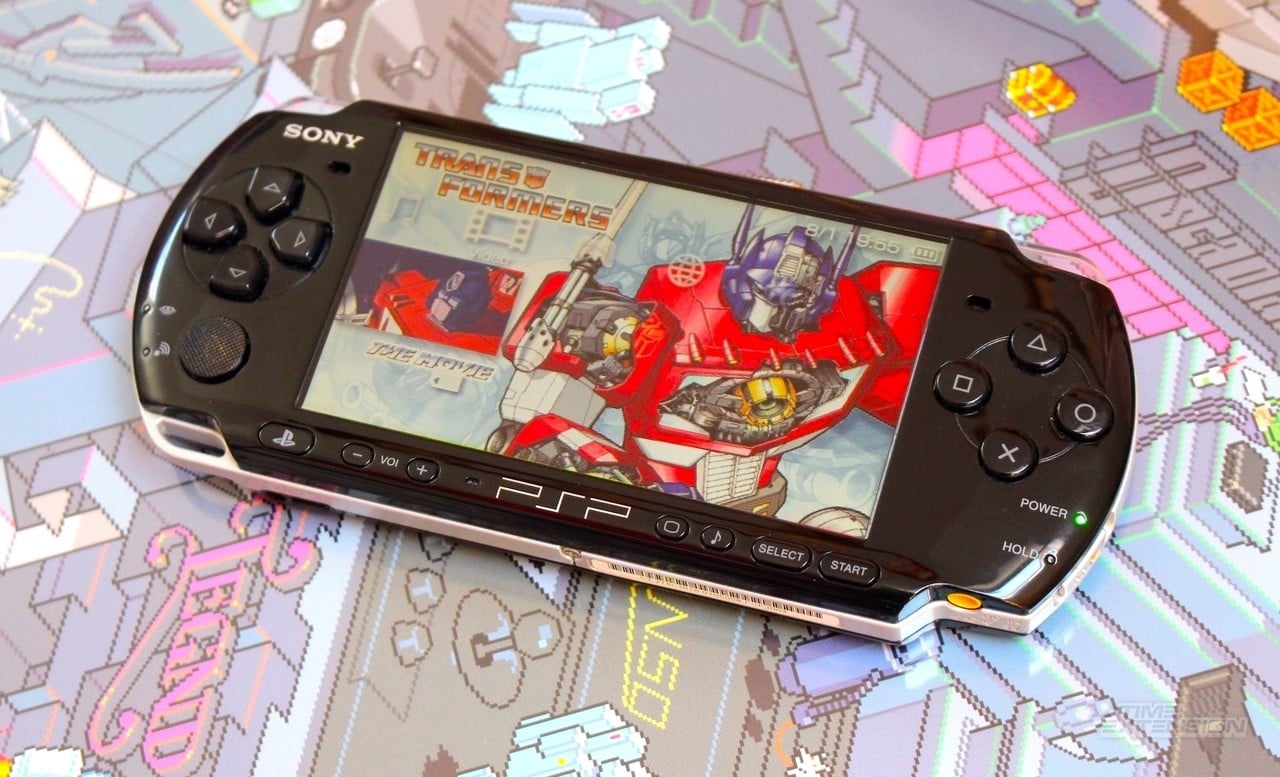
When Sony unveiled the PSP in 2004, it represented a radical departure from the low-power, cartridge-based philosophy of Nintendo. The device featured a widescreen LCD, high-fidelity 3D graphics, and the innovative Universal Media Disc (UMD) format, effectively positioning it as a "Walkman for the 21st century." The announcement was a watershed moment that signaled Sony’s intent to capture the mobile consumer by offering a "console-quality" experience on the go.
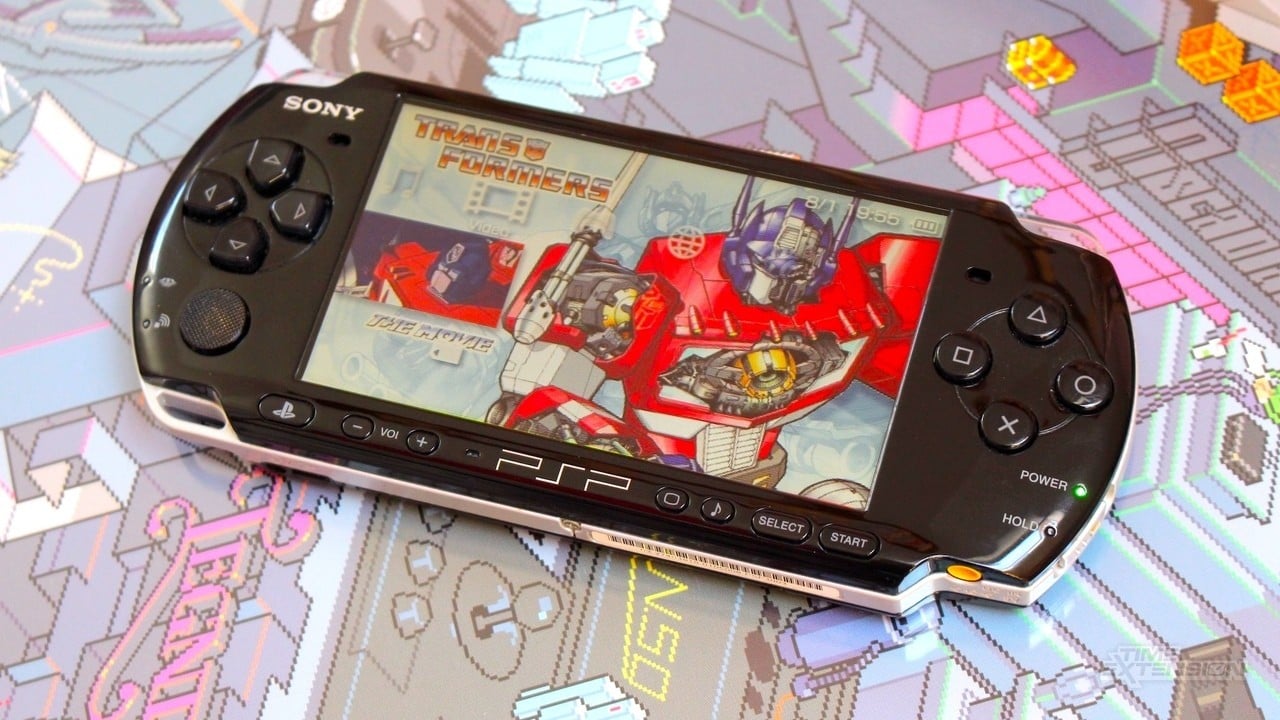
Shawn Layden, reflecting on this period in a recent interview with The Expansion Pass, recalled the intensity of the industry’s response. He noted that upon the PSP’s reveal, a contact of his within Nintendo sent a succinct, frustrated text message: "You bastards." Layden’s recollection underscores the high-stakes environment of the time, where hardware launches were treated with the gravity of military maneuvers.
Chronology of the Handheld Wars
The rivalry between the two companies reached its peak between 2004 and 2011, a period characterized by divergent hardware philosophies.
- 2004: The PSP launches in Japan, followed by a 2005 Western release. It is marketed as a multimedia powerhouse, capable of playing films and high-end 3D games.
- 2004: Nintendo responds to the threat of the PSP by launching the Nintendo DS. Featuring a dual-screen design and touchscreen capabilities, the DS initially met with skepticism from analysts who viewed its lower-spec hardware as a weakness.
- 2006–2008: The PSP experiences a massive surge in popularity, particularly in Japan, driven by the explosive success of the Monster Hunter franchise. During this period, the PSP became a cultural phenomenon.
- 2011: Sony releases the PlayStation Vita, attempting to iterate on the PSP’s success with dual analog sticks and a touch-sensitive rear panel.
- 2011: The Nintendo 3DS launches, solidifying Nintendo’s commitment to the handheld market despite the growing encroachment of mobile smartphones.
Market Performance and Statistical Analysis
While the "You bastards" anecdote highlights the respect Nintendo held for Sony’s engineering prowess, the eventual commercial reality favored Nintendo’s approach. By the end of their respective product life cycles, the sales figures offered a clear narrative regarding consumer preference.
The Nintendo DS family, including the DS Lite, DSi, and DSi XL, sold a staggering 154.02 million units worldwide. In contrast, the PSP, despite its status as a critical and technical success, sold approximately 76.4 million units. This discrepancy is often cited by industry analysts as evidence that the mass market prioritized accessibility, battery life, and unique gameplay experiences—the cornerstones of Nintendo’s strategy—over the high-fidelity graphical output that Sony championed.

Strategic Missteps and the Vita Legacy
The conversation regarding the PSP often leads to a discussion of its successor, the PlayStation Vita. Layden, who held senior roles at Sony throughout these transitions, has been vocal about the strategic failures that hampered the Vita’s longevity. According to Layden, the primary issue was a misunderstanding of the portable user’s intent.
"People just want a good handheld experience on their handheld," Layden explained. "They don’t want to replicate a console experience necessarily."
This insight points to a recurring issue in Sony’s mobile strategy: the attempt to shrink home console experiences, such as complex third-person shooters or technical RPGs, into a smaller form factor. These games often required inputs that were not ergonomically suited for a portable device, leading to a frustrating user experience. Nintendo, conversely, designed software that was inherently built for short, iterative bursts of play, which aligned better with the lifestyle of a mobile gamer.
Implications for the Future of Handheld Hardware
Recent industry rumors regarding a potential successor to the PlayStation 5, and speculation surrounding a high-performance Sony handheld, have brought Layden’s critiques back into the spotlight. Layden suggests that if Sony were to re-enter the handheld market, the company would need a fundamental shift in its internal structure.
"There’s an argument to be made that if Sony does get in the handheld business again, you might almost set up a different company to do it," Layden stated. "That would be their only focus instead of having one marketing budget trying to put it against a handheld and a console and software."
This perspective implies that the failure of the Vita was not purely a failure of hardware, but a failure of corporate focus. By splitting resources between home consoles and handhelds, Sony often found its mobile platforms under-supported in terms of exclusive software and marketing, leaving them vulnerable to competition from both Nintendo’s dedicated devices and the rapidly rising mobile smartphone market.
Professional Analysis: The Lessons of the Past
The historical tension between Sony and Nintendo provides a blueprint for understanding modern hardware competition. The current success of devices like the Nintendo Switch and the Steam Deck suggests that the industry has finally found a middle ground: the portability of a handheld with the power and library of a home console.
For Sony, the lessons of the PSP and Vita are twofold. First, hardware success is not merely a function of technical specifications. While the PSP was technically superior to the DS, it struggled to maintain a consistent identity. Second, market positioning is paramount. Sony’s attempt to treat the handheld as an extension of the PlayStation console ecosystem ultimately alienated the audience that was looking for a distinct mobile experience.

As the industry looks toward the next generation of hardware, the anecdote of the "bastard" PSP serves as a reminder of a time when the battle for the player’s attention was fought in the palms of their hands. Whether Sony chooses to return to this arena will depend on its ability to reconcile the high-end fidelity of its home console brand with the specialized, lean, and user-centric demands of the mobile market. If history is any indicator, the company that best understands the unique nature of handheld play—rather than the one that simply packs the most power into a chassis—will dictate the future of the segment.