 Hartono Sudibyo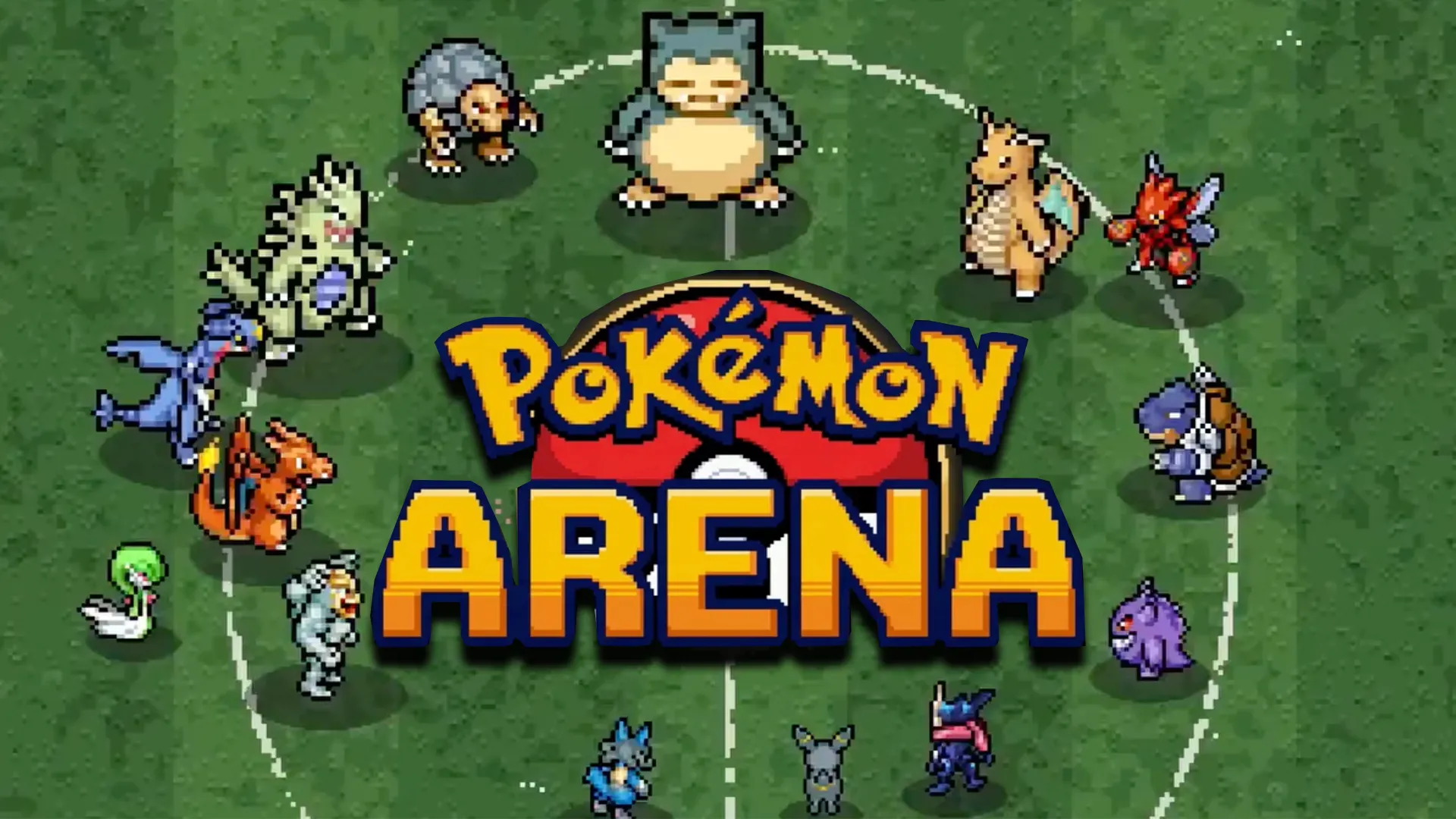
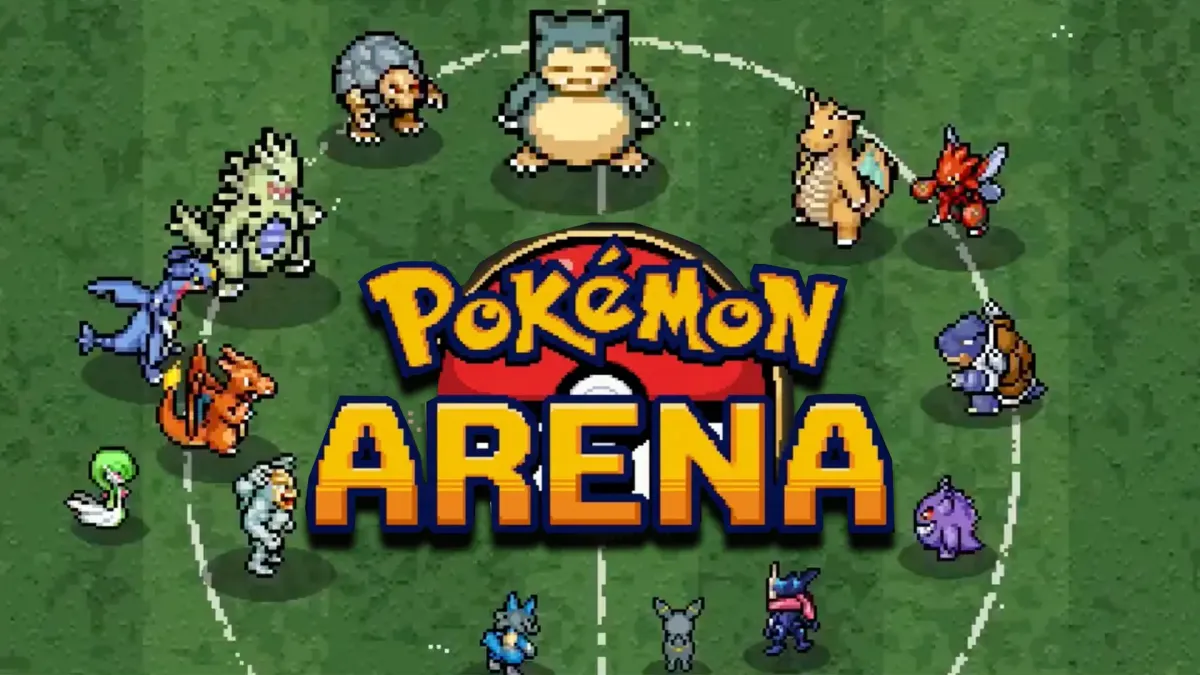
The independent development group Big Kid Nation has unveiled Pokémon Arena 2D, an upcoming fangame that seeks to redefine the traditional Pokémon battle formula by fusing classic, sprite-based aesthetics with real-time, arena-based combat mechanics. The project, which has spent nearly two decades in conceptualization and two years in active development, aims to deliver a fast-paced gameplay loop reminiscent of titles like Pokkén Tournament, while maintaining the nostalgic visual charm of early-generation Pokémon titles. As the project approaches its initial public beta testing phase, it has drawn significant attention from both retro gaming enthusiasts and the broader independent development community, raising questions regarding its technical architecture, design philosophy, and potential standing within the copyright-sensitive sphere of Nintendo fangames.
Development History and Conceptual Origins
The genesis of Pokémon Arena 2D traces back approximately seventeen years, according to statements released by Big Kid Nation via social media channels. For much of that period, the project existed solely as a conceptual framework, constrained by the technical limitations of contemporary fan-development tools and the sheer scope of reimagining turn-based role-playing mechanics into a dynamic action format.
Active development commenced two years ago, driven by substantial financial investments from the independent publisher. Built entirely from the ground up utilizing the Python programming language, the project represents a departure from traditional ROM hacking frameworks—such as those utilizing standard Game Boy Advance decompilation tools—by constructing a standalone application focused squarely on physics-based, real-time combat. The developers have stated that the financial expenditure required to reach the current pre-beta milestone significantly exceeded initial projections, underscoring the ambition behind the custom-built engine.
Gameplay Mechanics and Technical Architecture
Unlike the classic mainline Pokémon entries or spin-offs like Pokémon Stadium, which rely on structured turn-based command inputs executed in predetermined sequences, Pokémon Arena 2D operates on a real-time combat model. Players directly control individual Pokémon rendered in original retro sprite styles, maneuvering them across enclosed, multi-terrein arenas.
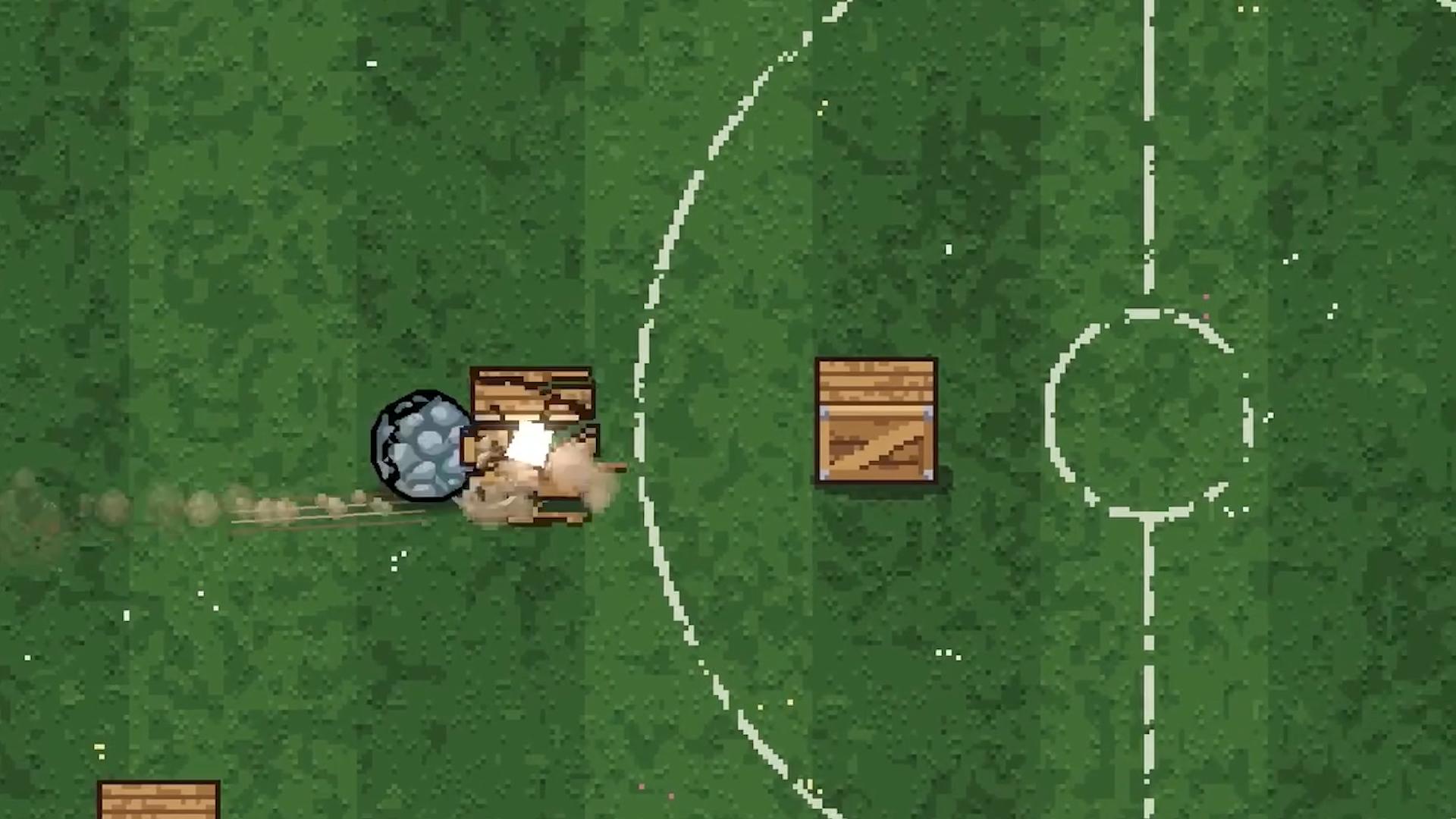
The combat mechanics emphasize spatial awareness, timing, and reflexes. Characters must actively dodge incoming projectiles and physical lunges, drawing clear parallels to the arcade fighting mechanics of Pokkén Tournament. Furthermore, the battle environments feature dynamic terrain interaction. Arenas encompass varied surfaces including water, concrete, grass, and dirt, each reacting to the force of combat. Moves such as Dig or Body Slam leave visible impact craters, fractures, and structural alterations in the environment, directly influencing spatial mobility during matches.

Demonstrated footage has showcased simultaneous combat involving up to five Pokémon within a single arena. Big Kid Nation has confirmed that expanding this functionality into a dedicated multiplayer mode is a primary objective for the development roadmap over the coming months.
Transparency and the Integration of AI Technology
A focal point of community discussion surrounding Pokémon Arena 2D involves the developer’s utilization of artificial intelligence tools. Public scrutiny on platforms like Instagram highlighted the presence of AI-generated profile imagery and promotional marketing assets associated with Big Kid Nation.
In response to community inquiries, the developers clarified their operational boundaries regarding AI implementation. Big Kid Nation explicitly stated that all visual assets presented within the gameplay trailers are authentic representations of the game engine, built and rendered through custom programming rather than generated via AI diffusion models. While the extent of AI assistance in the underlying Python codebase remains unspecified, industry observers note a growing trend among independent developers utilizing language models for syntax troubleshooting and boilerplate code generation, distinct from full-scale automated development. The distinction between promotional media generation and in-engine asset creation has become a critical metric for evaluating the legitimacy of independent game projects in the modern digital landscape.
Industry Implications and the Fangame Ecosystem
The emergence of Pokémon Arena 2D highlights the persistent and evolving nature of the Pokémon fangame and ROM hack community, a subculture that has continuously reinterpreted the intellectual property for decades. Projects operating outside official channels frequently navigate a complex landscape of legal oversight by intellectual property holders, alongside technical hurdles in maintaining performance stability.
By opting for a custom Python-based architecture rather than modifying an existing ROM, Big Kid Nation has positioned Pokémon Arena 2D outside the traditional definition of a ROM hack, aligning it more closely with indie action games inspired by established franchises. This technical separation may offer greater flexibility in implementing complex physics engines, dynamic environmental destruction, and robust netcode for future multiplayer integration.
However, independent projects utilizing high-profile intellectual properties consistently face the precarious reality of copyright enforcement. Historically, publishers such as Nintendo have exercised strict control over unauthorized commercial and non-commercial derivative works utilizing their characters, sprites, and universes. While Big Kid Nation has not announced any commercial monetization plans for the title—positioning it instead as a passion project nearing a free public beta test—the long-term viability of high-profile Pokémon fangames remains subject to corporate legal postures.
Outlook and Next Steps
As Pokémon Arena 2D moves closer to its initial public beta release, community anticipation centers on the execution of its real-time combat mechanics and the stability of its custom Python engine. The transition from controlled promotional clips to unrestricted public testing will provide definitive data regarding latency in multiplayer environments, balance across diverse roster options, and the overall responsiveness of the control scheme.
For the independent development sector, the project serves as a compelling case study in bridging retro aesthetics with modern action-genre frameworks. Whether Pokémon Arena 2D establishes a new standard for independent sprite-based fighters or encounters the structural and legal barriers common to high-profile derivative works will become clearer as the developers release further build iterations and open the testing floodgates in the coming weeks.