 Hartono Sudibyo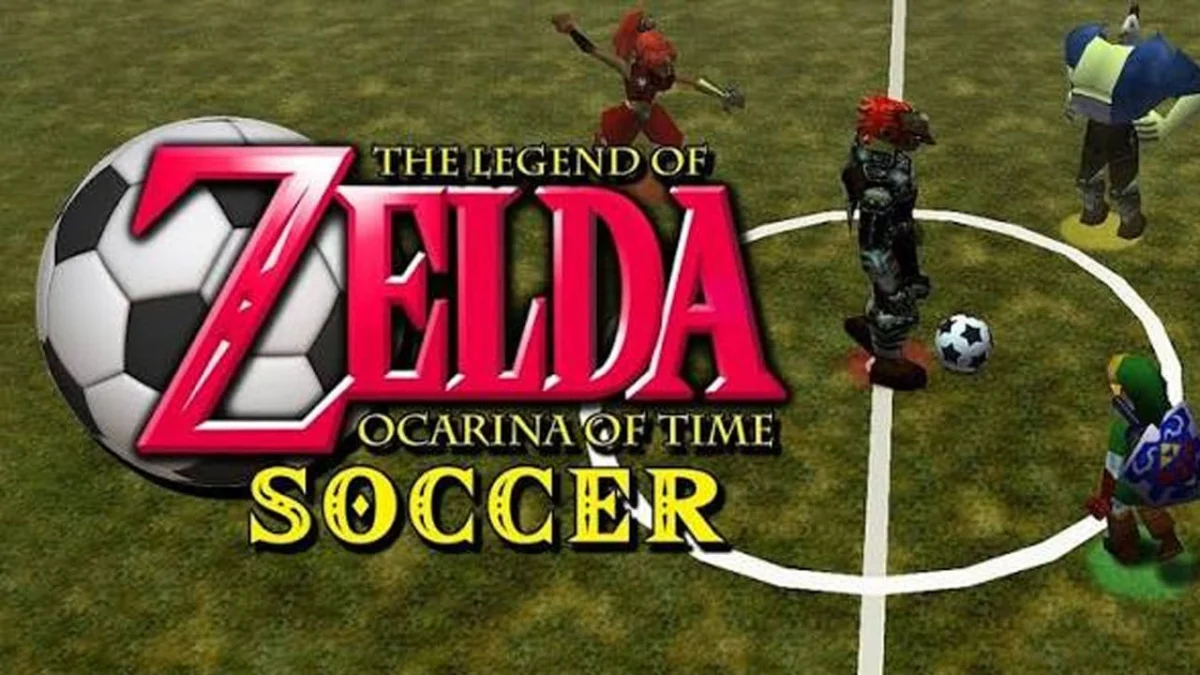
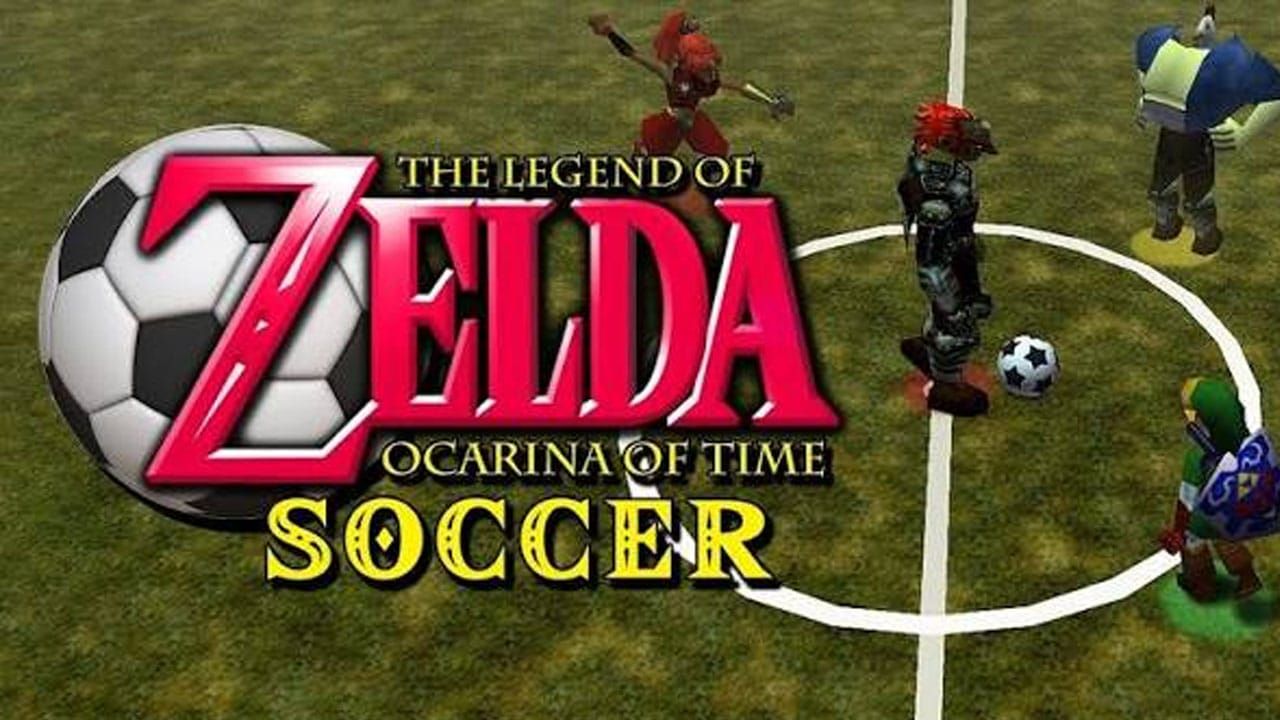
The intersection of retro video game preservation, community-driven modification, and emerging artificial intelligence tools has yielded one of the most eccentric fan projects in recent memory. Titled Soccerina of Time, a newly showcased work-in-progress ROM hack for the Nintendo 64 classic The Legend of Zelda: Ocarina of Time transforms the sprawling fantasy epic into a competitive sports title. Developed by modder shonj352 and brought to broader public attention via footage shared by content creator n2existance, the project reimagines the kingdom of Hyrule as a turf for organized football matches. Featuring iconic characters, custom team rosters, and a hybrid development pipeline utilizing AI code generation, the mod has sparked both enthusiasm and debate within the retro gaming community.
Main Facts of the Modification
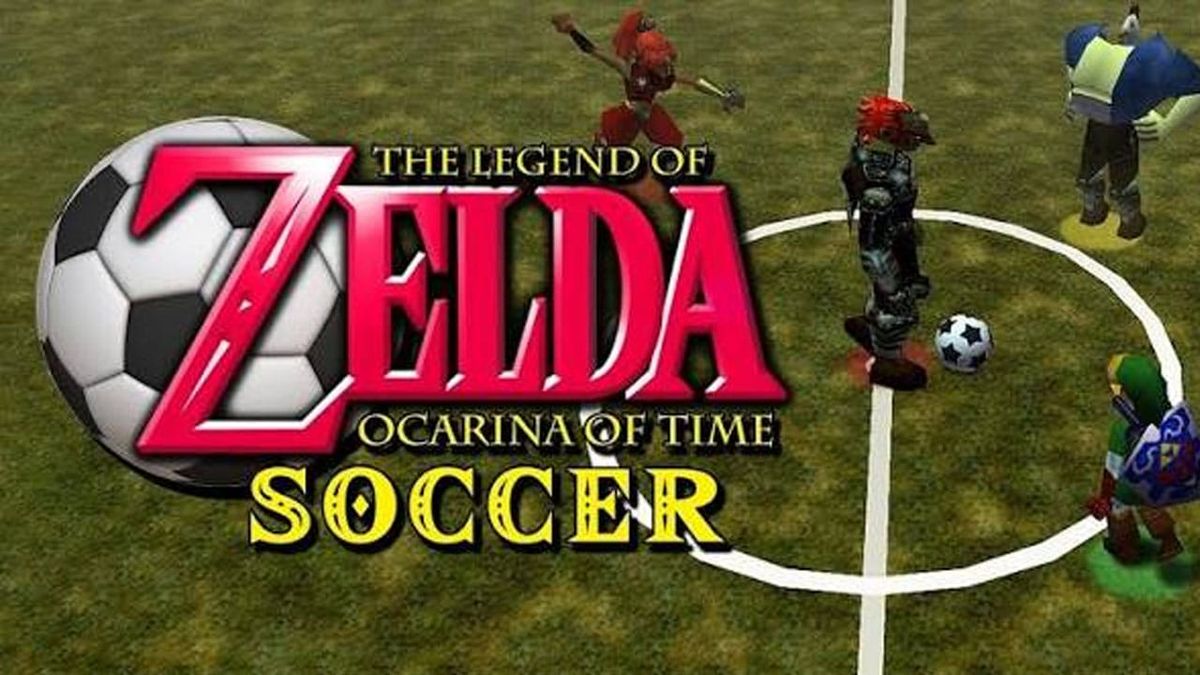
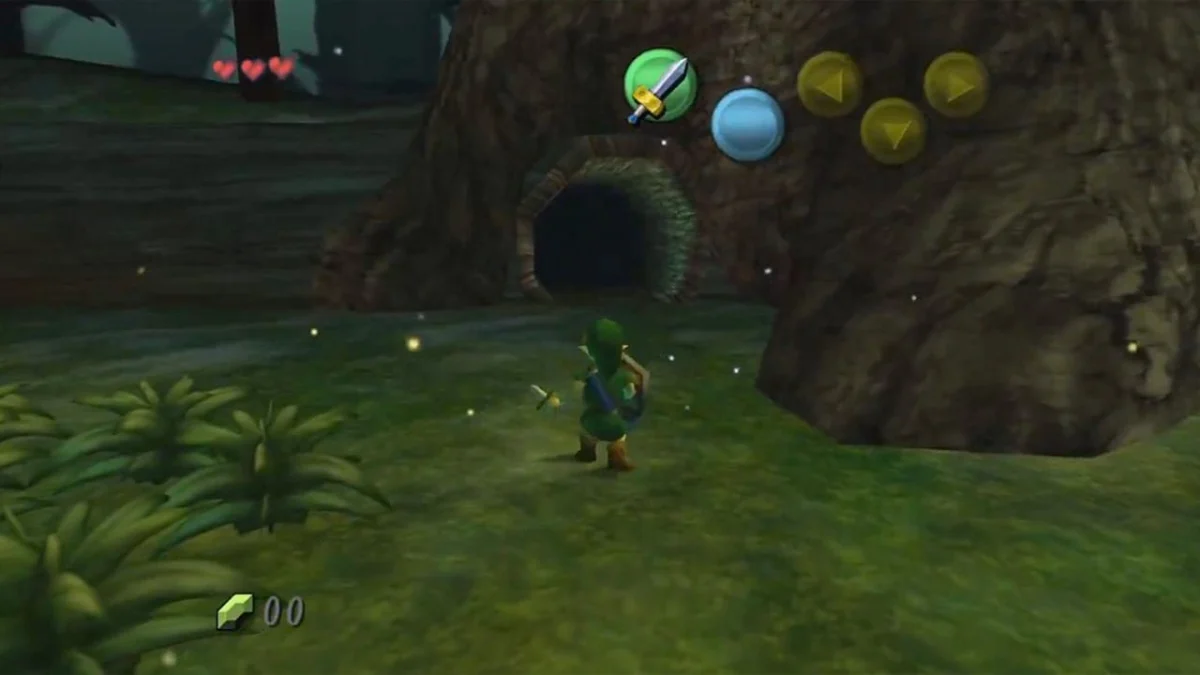
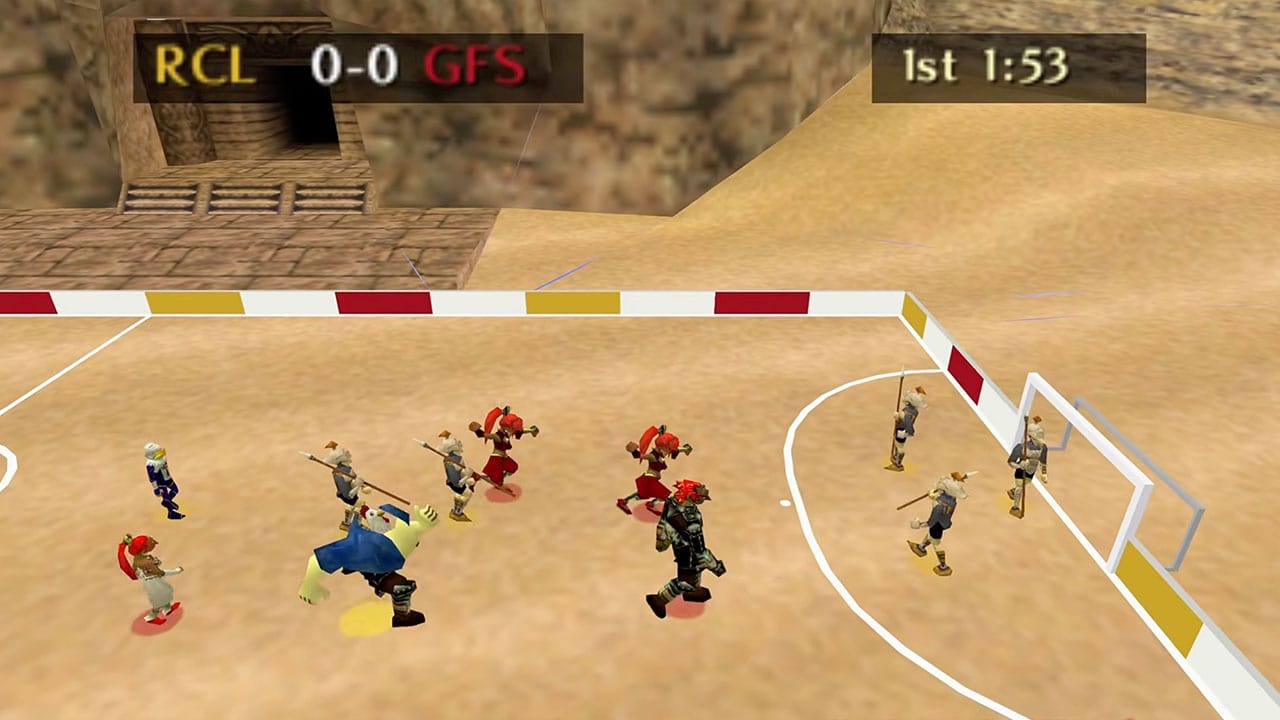
Soccerina of Time repurposes the architecture, assets, and engine of the 1998 Nintendo 64 masterpiece The Legend of Zelda: Ocarina of Time to support fully playable football (soccer) matches. Rather than embarking on a traditional hero’s journey to defeat Ganondorf, players select teams representing different factions within the Zelda universe—such as Kokiri FC, Goron FC, and the Gerudo Fortress team—to compete in athletic contests.
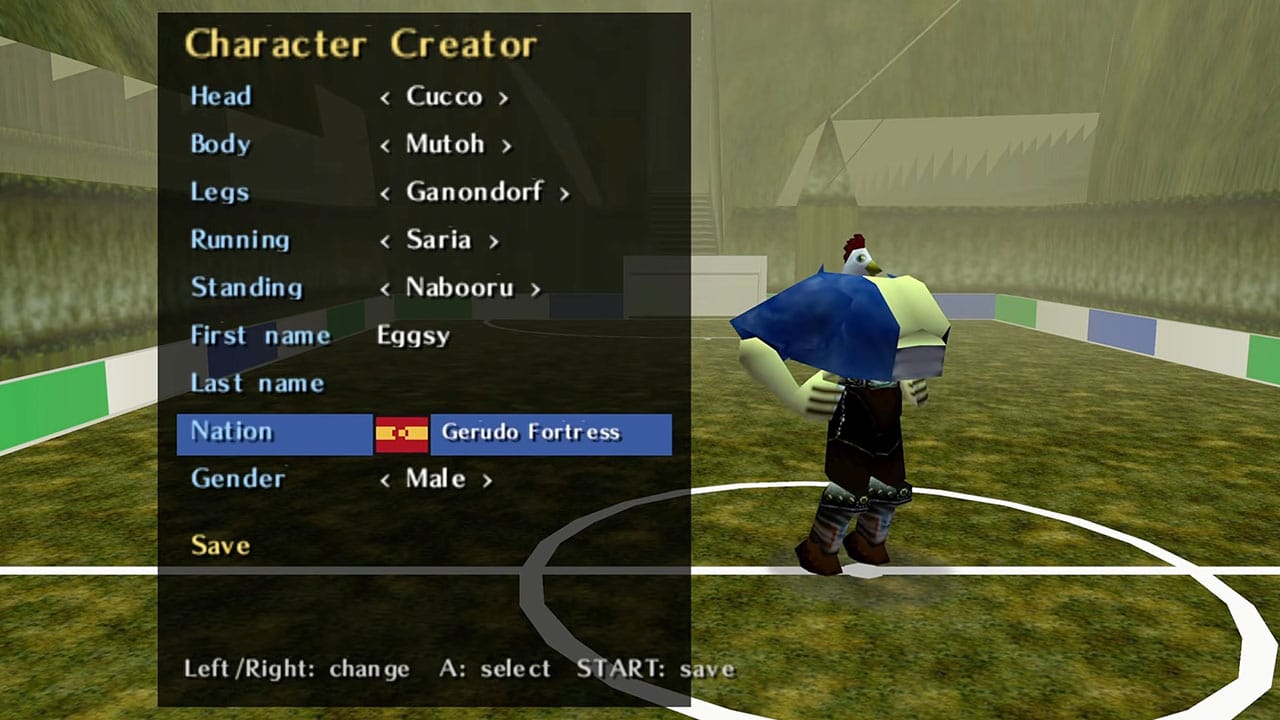
The modification introduces unexpected gameplay systems, including a character creation suite that allows users to assemble bizarre hybrid athletes. Prominent examples showcased in early demonstrations include players featuring anatomical mashups, such as the head of a Cucco paired with the muscular legs of the series antagonist, Ganondorf. The roster of selectable and competing entities spans the breadth of Ocarina of Time’s cast, incorporating Link, Malon, Sheik, the Lake Hylia Professor, Castle Town Guards, and various non-player characters. Furthermore, tactical match elements integrate series-specific mechanics, such as Deku Scrubs and Kokiri characters entering the pitch to substitute players or alter the flow of the match.
Chronology and Development Background

The conceptual foundation of Soccerina of Time draws ironic inspiration from phonetic overlap, specifically the resemblance between the word "ocarina" and the American designation for association football. While Nintendo previously explored sports crossover titles with properties like Super Mario Strikers on the Nintendo GameCube in 2005, an official Zelda-themed sports spin-off was never released during the N64 era or subsequent console generations.
The development of Soccerina of Time began quietly within modding circles before gaining public visibility through promotional and gameplay footage. Content creator shonj352 spearheaded the creation of the mod, while fellow community member n2existance published comprehensive video showcases detailing its mechanics. Unlike traditional ROM hacks that rely entirely on assembly language or C-decompilation projects written from scratch by human developers, shonj352 adopted a modern approach by integrating generative AI into the coding process. According to statements shared by the developer on Discord, the foundational logic and base code of the mod were initially structured using Anthropic’s Claude AI model.
The Role of Artificial Intelligence in Retro Modding
The disclosure regarding the use of AI tools has positioned Soccerina of Time at the center of ongoing discussions surrounding artificial intelligence in software development and video game preservation. While automated code generation tools are increasingly utilized in modern commercial software engineering, their application in retro ROM hacking—particularly for hardware as constrained as the Nintendo 64—remains a developing frontier.
Addressing community inquiries, shonj352 clarified the division of labor between human oversight and automated assistance. The developer stated that while artificial intelligence authored the primary base architecture of the code, he personally handled the rigorous testing, bug-fixing, model creation, custom music composition, and graphical logo design. This workflow highlights a collaborative model where AI serves as a scaffolding tool to accelerate initial development, leaving fine-tuning and creative asset generation to human hands. Nonetheless, the disclosure has prompted calls within the modding community for greater transparency regarding AI-assisted tools in legacy hardware projects.
Broader Impact and Technical Implications
The emergence of Soccerina of Time underscores the enduring longevity of the Nintendo 64 modding ecosystem, nearly three decades after the original release of Ocarina of Time in November 1998. The advent of decompilation projects—which convert compiled game ROMs back into readable source code languages like C—has exponentially expanded the capabilities of modders, allowing for total conversions that transcend simple texture swaps or level edits.
From a technical standpoint, adapting an action-adventure engine built for single-player exploration into a functional multiplayer or AI-driven sports simulation represents a significant engineering hurdle. Ocarina of Time’s original engine handles collision detection, camera control, and entity management under strict hardware limitations, including the N64’s 4MB of RAM (expandable to 8MB with the Expansion Pak). Transforming these systems to accommodate fast-paced ball physics, goal detection, and multiple independent character models demonstrates advanced proficiency in reverse engineering, regardless of the initial assistance provided by AI code generators.
Industry Context and Community Reception
Nintendo’s intellectual property policies are famously stringent regarding unauthorized fan projects, commercial distribution of ROM hacks, and the unauthorized use of copyrighted assets. While many high-profile Nintendo fan projects face swift legal scrutiny or cease-and-desist notices—particularly if they infringe upon active commercial properties—ROM hacks distributed as patch files that require users to supply their own legally dumped game ROMs occupy a complex legal gray area, though they remain subject to platform takedowns.
Within the retro gaming community, reception to Soccerina of Time has been overwhelmingly positive regarding its creativity and humor, tempered by cautious curiosity about its eventual completion. The developer has expressed ambitious long-term goals for the project, suggesting in community forums that the scope of the final release could rival or exceed traditional expectations for a standard ROM hack. As development continues, observers and prospective players alike await further technical breakdowns, stable beta releases, and additional clarity on the extent of AI integration in the project’s source material.