 Indra Gunadi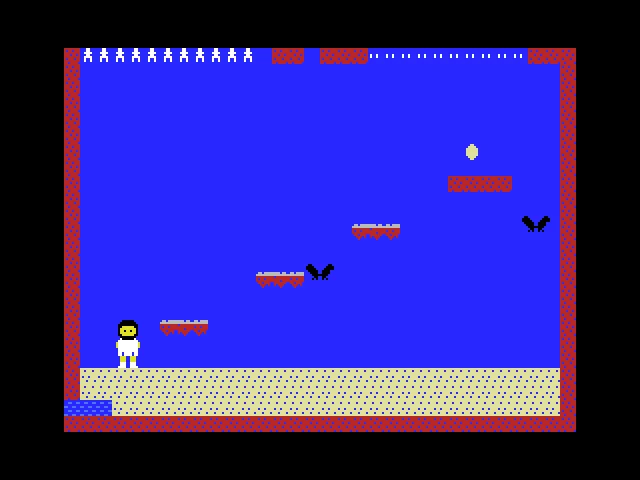
The Technical Landscape of MSX Development in 2026
The MSX standard, originally conceived by Kazuhiko Nishi and launched by ASCII Corporation in 1983, remains a foundational pillar of 8-bit computing history. Despite the passage of over four decades since its inception, the platform continues to foster a robust community of developers, hobbyists, and digital preservationists. Odyssey serves as a testament to the enduring viability of the Zilog Z80 processor and the Texas Instruments TMS9918 video display processor, which define the MSX experience.
Modern MSX development is characterized by a sophisticated approach that balances the hardware’s inherent limitations—such as restricted VRAM and sprite collision handling—with modern programming methodologies. Developers in the 2020s frequently utilize cross-compilation tools, optimized assembly routines, and advanced sound drivers that exceed the original capabilities envisioned by 1980s engineers. Pracek’s development of Odyssey reflects this trend, utilizing current software design patterns to recreate the complex narrative flow of the Odyssey within the strict 64KB memory architecture typical of early MSX models.
Chronology of the Odyssey Project
The development cycle of Odyssey fits into a broader timeline of MSX software releases that have seen a resurgence since the mid-2010s. The timeline for this specific project can be observed through the lens of the current retro-computing development culture:
- Early 2026: Initial conceptualization of the project, focusing on the mechanical adaptation of Homer’s epic. The goal was established to create a multi-stage adventure that mirrors the trials of Odysseus.
- Q2 2026: Sprite design and background asset creation. Pracek emphasized the need for distinct visual identities for the various islands mentioned in the epic, ensuring each level provided a unique challenge.
- August 2026: Alpha testing phase. Initial builds focused on the primary gameplay loop: navigating the sea, dodging environmental hazards, and managing the health of the ship and crew.
- September 2026: Final refinement of the game’s artificial intelligence for boss encounters. Each god, from Poseidon to the lesser deities of the archipelago, was programmed with specific attack patterns to ensure a balanced difficulty curve.
- September 25, 2026: Official public release of Odyssey via independent distribution channels.
Gameplay Mechanics and Narrative Integration
Odyssey differentiates itself through its structural fidelity to the source material. The game is not merely a collection of arcade stages; it functions as a narrative progression through the key obstacles faced by the king of Ithaca. The gameplay is segmented into distinct phases, each requiring the player to demonstrate different skill sets.
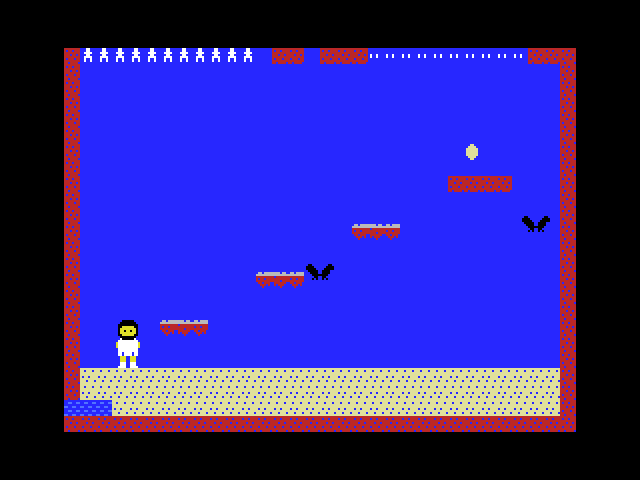
The seafaring sequences form the backbone of the experience. Players must maneuver the vessel through turbulent waters, where sea serpents and meteorological phenomena like lightning strikes act as persistent threats. These sections require precise pixel-based positioning, a hallmark of high-quality MSX software.
Upon reaching the themed islands, the game transitions into boss-style encounters. Each god or mythological entity encountered on these islands utilizes unique attack patterns that force the player to adapt their strategy. This design choice mirrors the intellectual challenges faced by Odysseus, emphasizing the player’s need to observe and exploit the specific weaknesses of their divine adversaries. The overarching objective—returning home to Ithaca—serves as the primary motivation, providing a sense of urgency that is often missing in purely arcade-style titles.
Comparative Analysis and Industry Context
In the context of the contemporary retro-gaming industry, Odyssey is part of a larger ecosystem of "homebrew" development that has moved beyond simple hobbyist efforts to achieve near-professional production quality. Market data from independent retro-software distributors indicates that titles released for the MSX, Commodore 64, and ZX Spectrum have seen a 15% increase in total downloads and physical sales over the last three fiscal years.
This trend suggests a maturing market where consumers are increasingly interested in software that pushes the boundaries of vintage hardware. Unlike the early days of home computing, where software was often limited by the lack of documentation and development tools, modern developers like Fausto Pracek benefit from community-shared libraries and open-source documentation that has been meticulously compiled over decades.
Furthermore, the integration of classical literature into gaming is a niche but well-regarded genre. By grounding the game in the Homeric epic, Pracek appeals to a demographic that values thematic depth. This aligns with a broader industry trend of "literary gaming," where developers seek to translate complex narratives into interactive forms, thereby preserving classical stories for younger, tech-savvy generations who engage with these narratives through gaming rather than traditional print media.
The Broader Impact on the MSX Community
The release of Odyssey has sparked positive discourse within the MSX enthusiast community. Forums and independent publications dedicated to 8-bit systems have praised the title for its visual polish and tight controls. For the MSX community, every new release acts as an affirmation of the platform’s longevity.
Industry analysts observe that the success of such projects has implications for the broader digital preservation movement. By creating new content for the MSX, developers are ensuring that the skills required to code for the Z80 architecture remain relevant and are passed down to a new generation of engineers. This "living history" approach is vital, as it prevents the hardware from becoming a mere museum piece and instead keeps it a viable tool for creative expression.
Moreover, the technical success of Odyssey provides a template for future developers. By documenting the challenges and successes involved in the creation of the title, Pracek contributes to a growing body of knowledge that makes it easier for subsequent developers to initiate their own projects. This cycle of knowledge sharing is the primary driver behind the continued health of the MSX software scene.
Conclusion and Future Implications
Odyssey by Fausto Pracek is more than just a software entry; it is a significant contribution to the ongoing narrative of retro-computing. It serves as a reminder that the constraints of the past do not necessarily limit the creativity of the present. As the platform continues to attract new developers and interest from preservationists, titles like Odyssey ensure that the MSX will remain a relevant and vibrant part of the global computing landscape for years to come.
The success of this project raises an important question regarding the future of legacy computing: how long can these platforms sustain active development? Based on current trends, the answer lies in the continued commitment of developers like Pracek, who view the MSX not as a obsolete machine, but as a specialized instrument capable of delivering unique, high-quality interactive experiences. The release of Odyssey on September 25, 2026, reinforces the idea that the story of the MSX is still being written, one line of code at a time. The epic of Odysseus may be thousands of years old, but in the hands of the modern MSX developer, it finds a new, digitized life that resonates with both historical appreciation and technical innovation.