 Hartono Sudibyo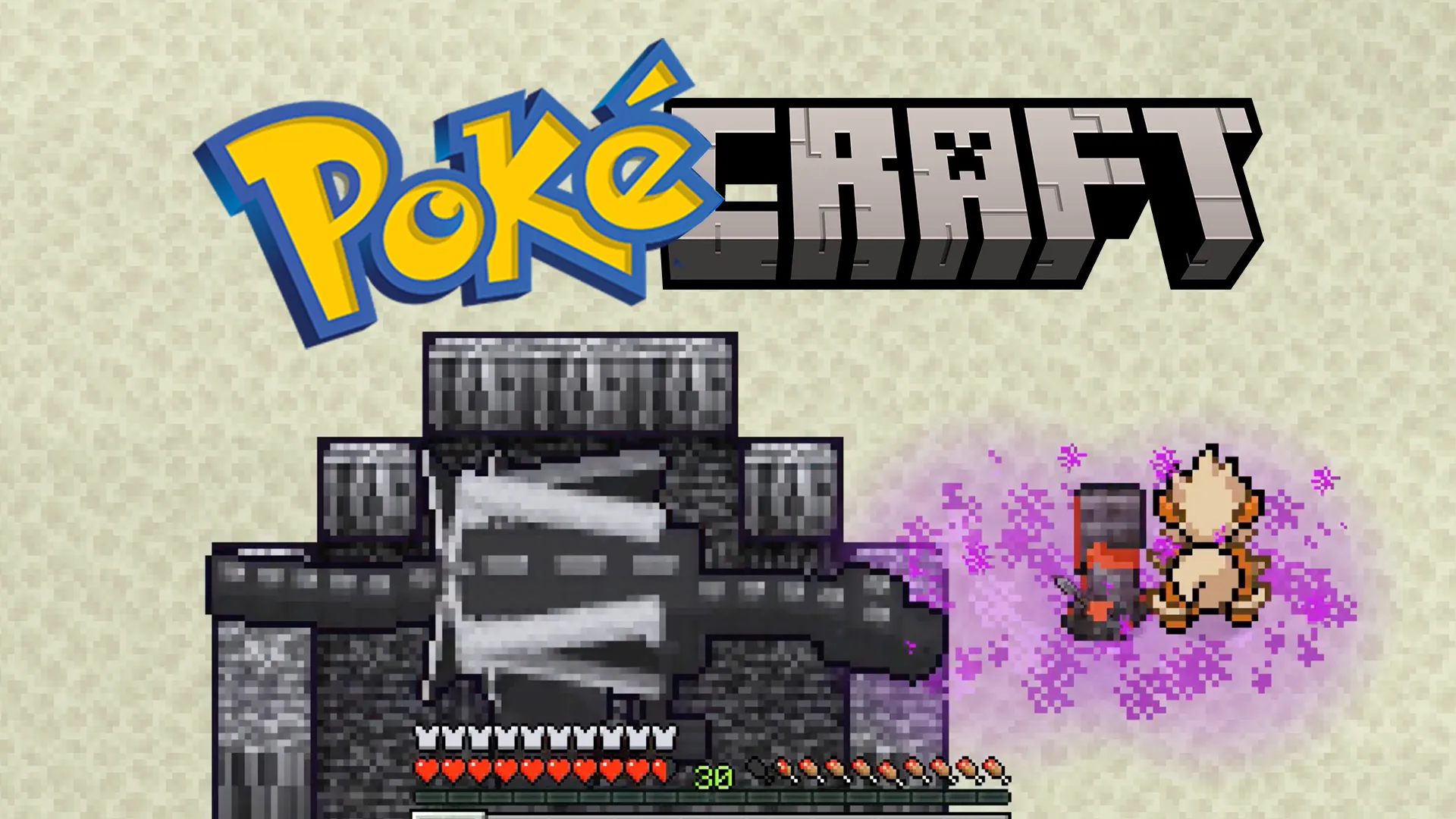
The intersection of two of the most lucrative and culturally enduring intellectual properties in video game history has materialized through an unexpected fan-made ROM hack titled Pokémon Redstone. Developed by independent creator MozeTech and announced via social media platform X in October 2026, the project amalgamates the foundational mechanics of Game Freak’s classic Game Boy Advance title Pokémon FireRed with the distinct sandbox survival elements of Mojang Studios’ Minecraft. The resulting browser-based game allows players to assume the role of Minecraft’s iconic protagonist, Steve, as he navigates, mines, and builds across the familiar terrain of the Kanto region.
Despite remaining in active development, the hybrid project has attracted widespread attention within the retro gaming and emulation communities, demonstrating the ongoing viability of browser-based fan projects and highlighting the evolving role of artificial intelligence-assisted coding in independent game development.
Main Facts and Core Gameplay Mechanics
Pokémon Redstone is constructed as a comprehensive overhaul of Pokémon FireRed, utilizing an advanced toolset that integrates block-based mechanics into a traditional top-down Japanese Role-Playing Game (JRPG) framework. Players begin their journey in Pallet Town, where they are introduced to standard Minecraft harvesting mechanics alongside classic Pokémon progression paths. Rather than selecting a traditional human avatar, the player controls Steve, equipped with a foundational pickaxe capable of interacting with the Kanto environment.
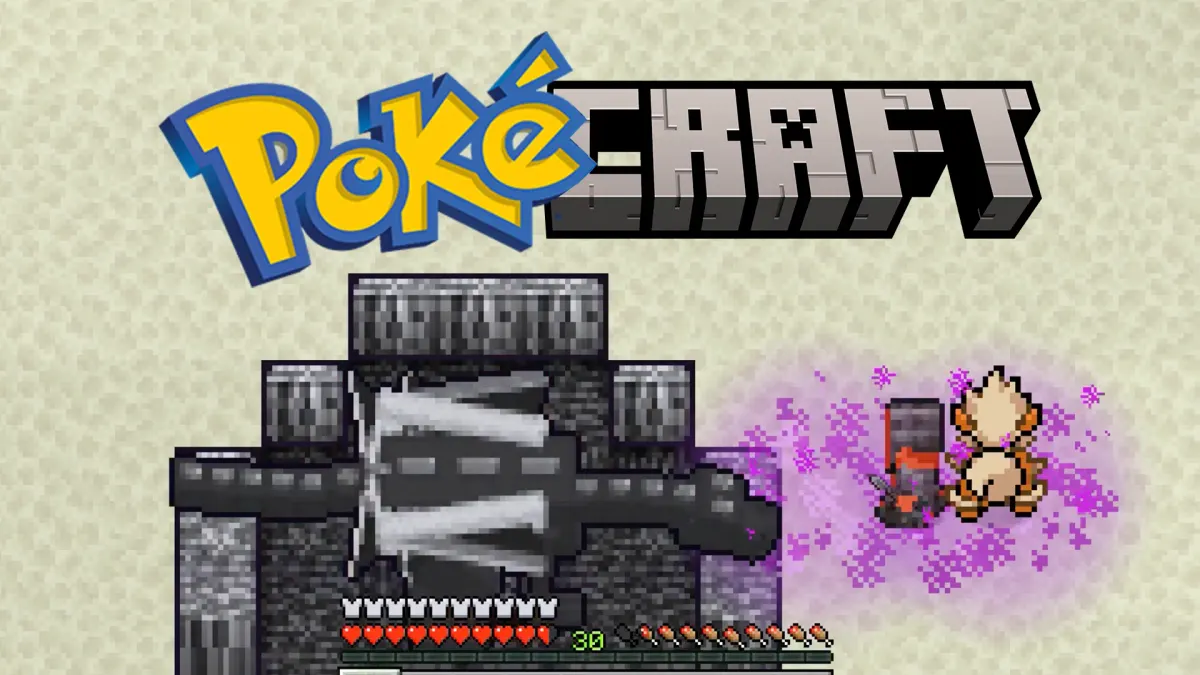
The gameplay loop successfully bridges two distinct genres by requiring players to balance resource management with traditional monster collection. Environmental objects, such as trees, can be systematically dismantled into raw wood blocks to facilitate building, crafting, and crafting-tree progression. Simultaneously, players encounter wild Pokémon, engage in turn-based battles, collect badges from gym leaders, and populate the Pokédex. Notably, combat encounters are framed around Steve’s direct participation, merging the character archetypes of both franchises.
Beyond the borders of traditional Kanto geography, the modification introduces core endgame dimensions and mechanics native to Minecraft. Players can construct Nether Portals, venture into the Nether where fire-type Pokémon naturally spawn, and contend with classic hostile mobs including Endermen and Ghasts. The ultimate objective mirrors the structural climax of Minecraft: players must locate and defeat the Ender Dragon. In a synthesis of the two game loops, this encounter is positioned to function as a direct parallel to the Pokémon League Elite Four challenge. Successful completion grants the player the Ender Dragon egg and entry into the Hall of Fame, with subsequent mechanics allowing the dragon to be summoned and follow the player through the overworld.
Chronology and Development Timeline
The public introduction of Pokémon Redstone occurred in early October 2026, when developer MozeTech released initial video footage and screenshots detailing the project on X. The showcase immediately captured the attention of retro gaming enthusiasts, leading to a sudden influx of web traffic that temporarily overwhelmed the original hosting servers. In response to the high volume of concurrent users, the developer migrated the distribution to an alternative cloud hosting service within forty-eight hours of the initial announcement.
Currently accessible via web browsers at no cost, the project has established a rapidly expanding user base. While the browser iteration serves as the primary accessibility channel, the development roadmap includes dedicated native ports for both Android mobile devices and personal computers. The accelerated timeline from initial public disclosure to widespread viral distribution underscores the contemporary appetite for high-concept crossover modifications within the emulation community.

Integration of Artificial Intelligence in Development
A notable dimension of Pokémon Redstone’s production is its utilization of artificial intelligence assistance during the development process. MozeTech confirmed that the project leveraged AI tools, specifically referencing Fable 5.5, to streamline coding processes, sprite mapping, and mechanical integration between the two vastly different game engines.
The integration of AI within ROM hacking and independent game development represents an evolving trend in the software engineering sector. While traditional ROM hacks have historically relied on manual assembly language programming, hex editing, and dedicated community tools such as Advance Map and PokEM, the incorporation of modern large language models and code-generation assistants allows solo developers to execute complex cross-genre logic at an accelerated pace. This technological shift has lowered the barrier to entry for ambitious fan projects, enabling developers to merge incompatible frameworks—such as a 3D-inspired sandbox survival engine with a 2D grid-based JRPG—with greater technical stability.
Supporting Data and Community Reception
The viral adoption of Pokémon Redstone reflects broader consumer trends surrounding nostalgia-driven media and cross-franchise experimentation. Within seventy-two hours of its public debut, the project’s dedicated browser portal experienced traffic surges that necessitated emergency infrastructure scaling, placing it among the most widely discussed independent fan projects of the fourth quarter of 2026.
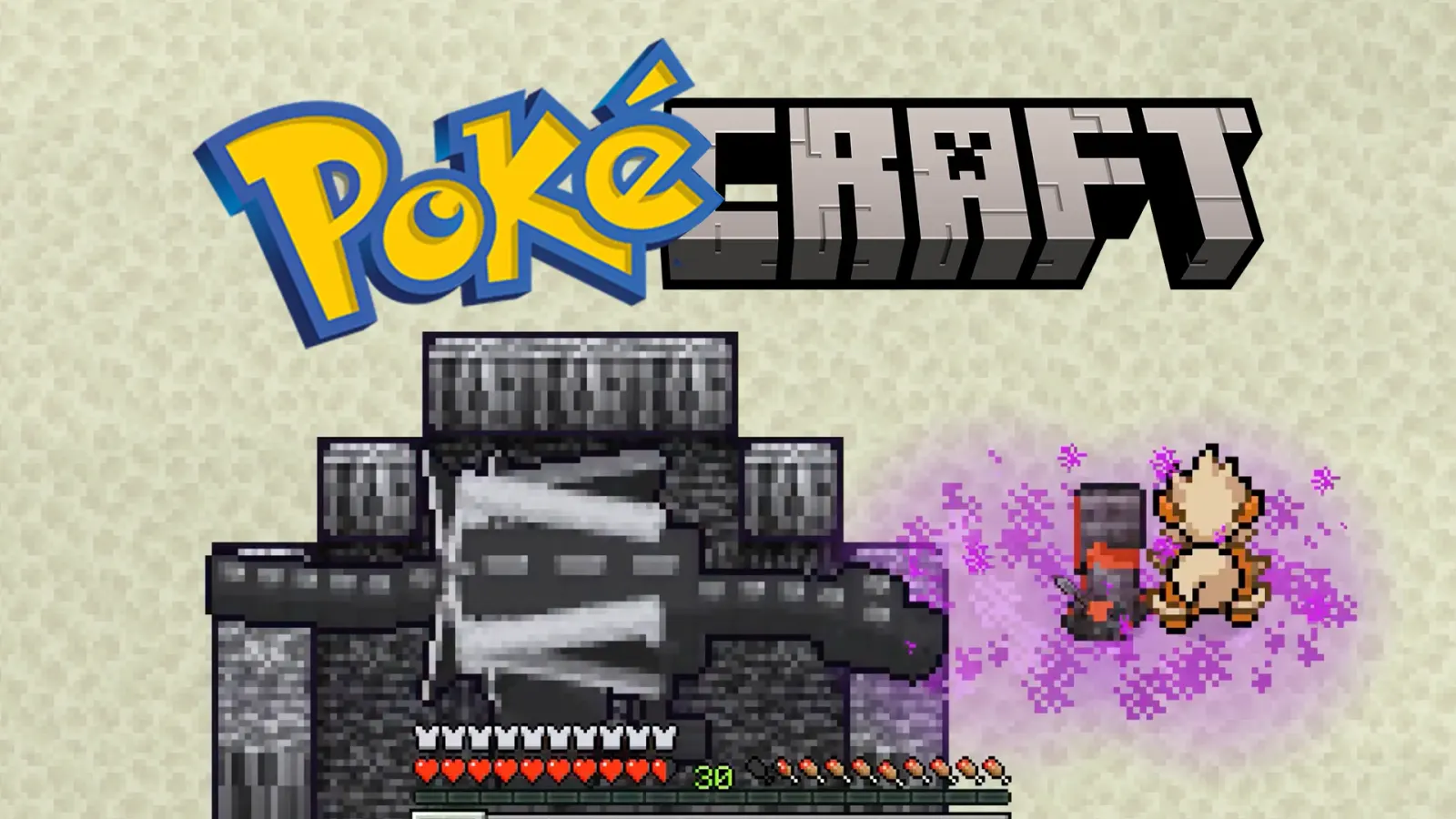
Fan reception across digital forums has focused primarily on the technical novelty of operating Minecraft mechanics within a Game Boy Advance architecture. The inclusion of crafting tables, armor forging, in-game achievements, and procedural resource gathering has resonated with demographics spanning multiple generations of gamers who grew up with both the original release of Pokémon FireRed in 2004 and the subsequent global expansion of Minecraft following its alpha release in 2009.
Legal and Industry Implications
The release of Pokémon Redstone highlights ongoing legal and structural questions concerning intellectual property management within the video game industry. Both Nintendo (co-owner of the Pokémon franchise alongside Game Freak and The Pokémon Company) and Microsoft (owner of Mojang Studios and the Minecraft intellectual property) maintain strict proprietary protections over their respective commercial portfolios.
Historically, major copyright holders have taken varying stances on non-commercial fan modifications and ROM hacks. While corporate policies frequently result in cease-and-desist orders or hosting takedowns for projects utilizing copyrighted assets, browser-based distribution methods and decentralized hosting platforms have introduced new operational dynamics for independent developers. Projects hosted via third-party static web deployment services often present distinct enforcement challenges for legal departments, even when utilizing recognizable character sprites and audio cues from commercial releases.
Furthermore, the existence of such projects underscores the economic value of user-generated content and community-driven innovation. Independent ROM hacks frequently serve as an informal testing ground for cross-genre mechanics that official developers rarely pursue due to commercial risk aversion. The ability of a single developer to successfully synthesize sandbox survival with monster-catching mechanics points to potential market opportunities for hybrid game concepts within the broader indie development sector.

Future Outlook
As MozeTech continues to refine Pokémon Redstone, the immediate focus remains on stabilizing the browser build, addressing server capacity constraints, and finalizing the architecture for the planned PC and Android ports. The integration of community feedback regarding balance patches, expanded crafting recipes, and refined encounter rates will dictate the project’s long-term retention metrics.
Whether Pokémon Redstone will remain available in its current format or face regulatory intervention from the underlying copyright holders remains uncertain. However, its rapid rise to prominence illustrates the enduring influence of community-led development and the capacity of nostalgic mashups to capture the collective attention of the global gaming audience.