 Hartono Sudibyo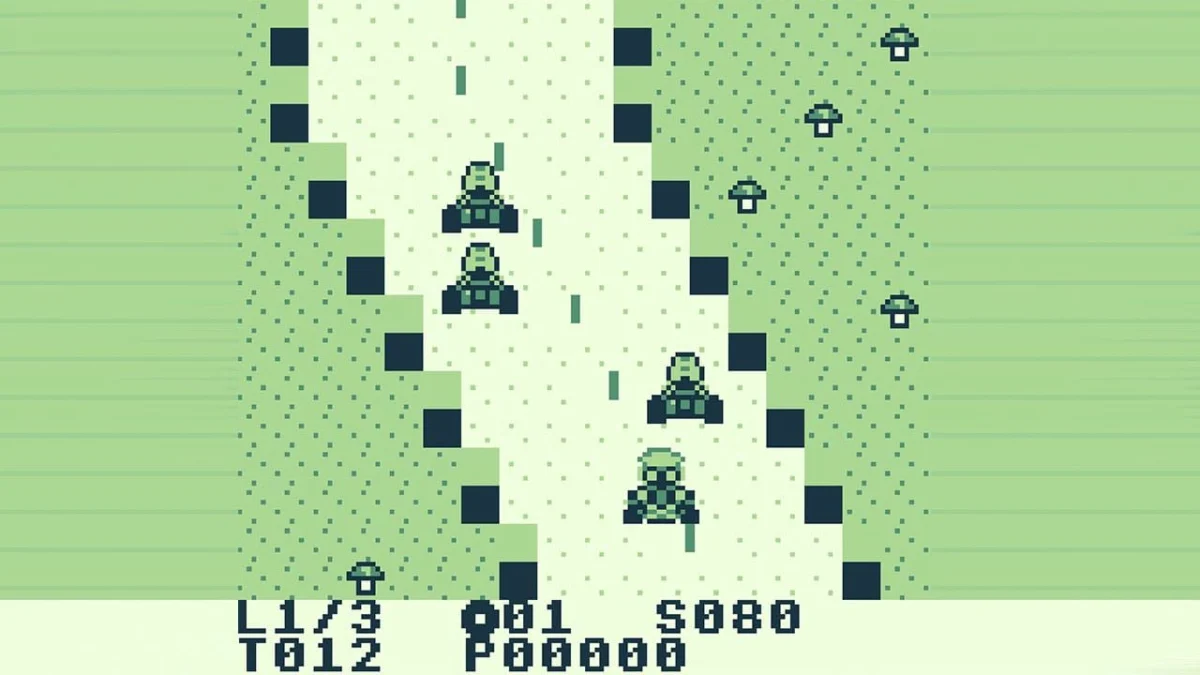
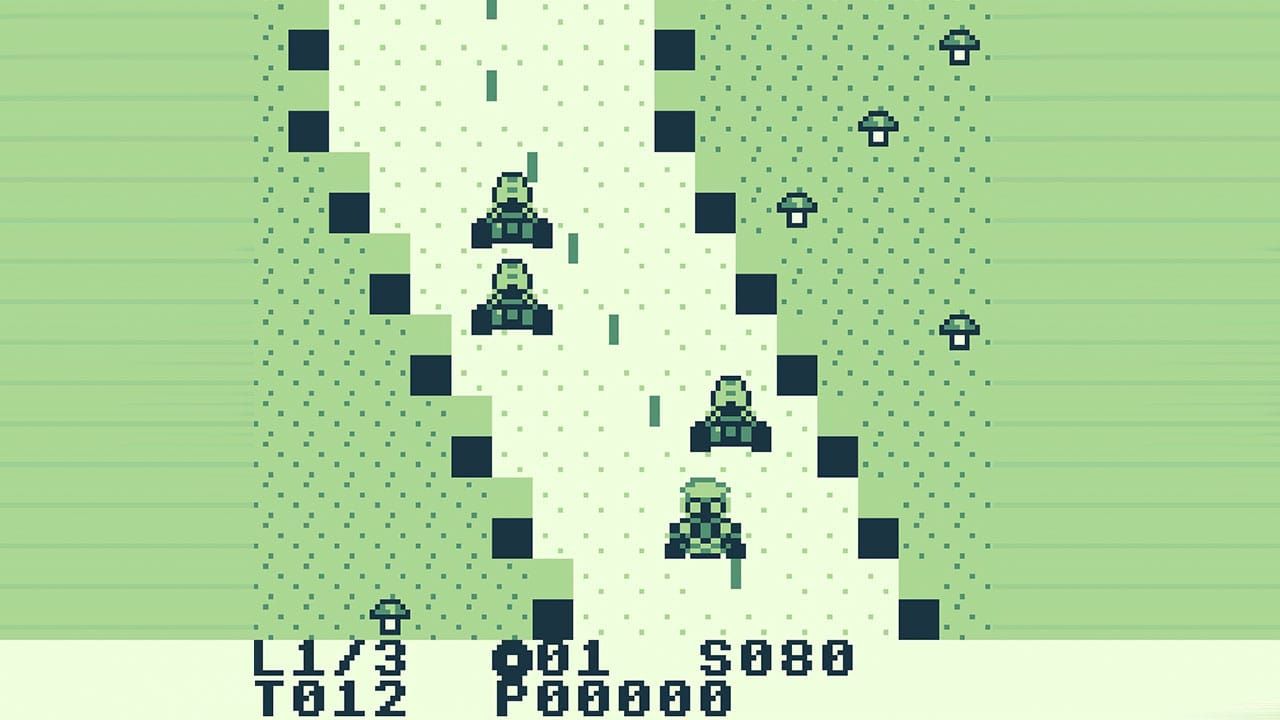
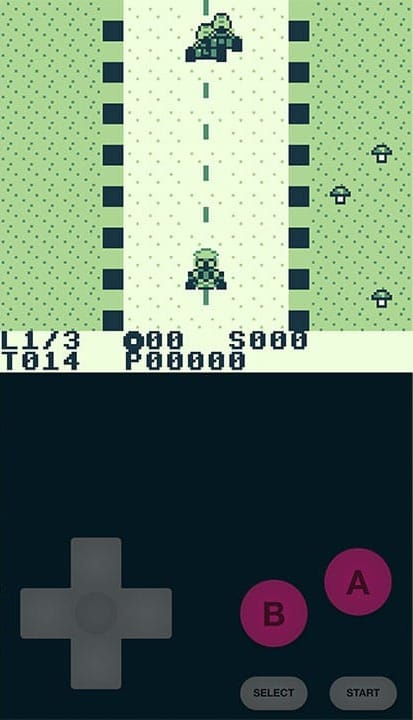
The intersection of classic video game nostalgia and modern browser-based accessibility has yielded a compelling new fan-made project titled Mario Kart Rally DMG. Developed by independent creator dallasapp711 and released on the digital distribution platform Itch.io, the game reimagines Nintendo’s iconic kart-racing franchise as if it had debuted during the original monochrome Game Boy era. Entirely crafted without the use of artificial intelligence tools, the title combines 8-bit dot matrix visuals with authentic chiptune audio, offering a distinct retro-arcade experience that operates natively within modern web browsers on both desktop and mobile devices.
Main Facts and Gameplay Mechanics
Mario Kart Rally DMG channels the foundational spirit of early portable gaming hardware, specifically mimicking the technical limitations and aesthetic charm of Nintendo’s classic 1989 handheld, the Game Boy (often referred to by its development model designation, DMG-01). Despite sharing thematic DNA with the world’s most recognizable racing franchise, the gameplay diverges significantly from traditional circuit racing found in later installments like Mario Kart: Super Circuit or Super Mario Kart.
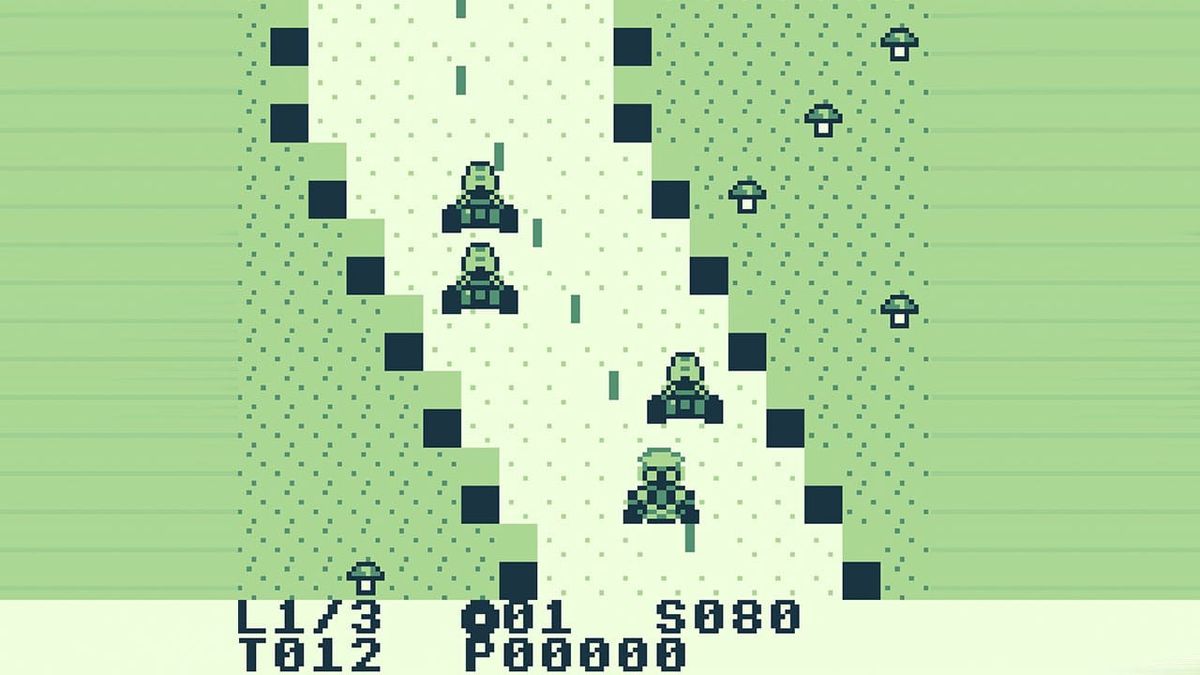
Instead of competing against a grid of computer-controlled racers across standard multi-lap tracks, players face a time-attack arcade challenge. The core objective requires racers to navigate through designated checkpoints before an on-screen timer expires, introducing a brisk pace and high-stakes progression system. The tracks themselves draw direct inspiration from classic gaming environments, rendered entirely in a signature four-shade monochrome palette.
Crucially, the game has been engineered for seamless accessibility. Rather than requiring users to configure complex emulation software or download dedicated ROM files, Mario Kart Rally DMG runs directly within standard internet browsers. This architecture allows users on iOS and Android devices, as well as desktop computers, to engage with the title instantly via a streamlined, touch-friendly interface designed to emulate physical handheld controls.
Background Context and Chronology of Handheld Mario Kart
To understand the conceptual appeal of Mario Kart Rally DMG, one must examine the hardware history of Nintendo’s portable ecosystems. When Nintendo released Super Mario Kart for the Super Nintendo Entertainment System (SNES) in 1992, the title revolutionized the racing genre through its pioneering use of Mode 7 pseudo-3D graphics. However, the hardware capabilities of the original Game Boy—featuring a non-backlit, low-resolution 160×144 monochrome LCD screen and an 8-bit Sharp LR35902 processor—were fundamentally inadequate for rendering such computational feats.

Consequently, Nintendo famously bypassed the original Game Boy generation for its flagship kart racer, waiting until the launch of the Game Boy Advance (GBA) in 2001 to release Mario Kart: Super Circuit. That title successfully brought the franchise’s traditional mechanics to a portable platform, bridging the gap between SNES-era track design and modern handheld convenience.
Over the decades, the retro gaming and homebrew development communities have frequently explored counter-factual software design—asking how classic franchises would have functioned if constrained by older, less powerful hardware. Projects like Mario Kart Rally DMG occupy this creative space, serving as interactive thought experiments that bridge technological eras. The release on Itch.io in October 2026 adds to a rich tradition of demakes, a niche subset of game development where modern concepts are deliberately stripped of contemporary graphical power to emulate vintage systems.
Development Insights and Creator Intent
In official release notes published alongside the software on Itch.io, the developer dallasapp711 emphasized the project’s design philosophy. "Mario Kart Rally DMG packs the quick thrills and racing chaos of a classic directly into your Game Boy," the creator noted, highlighting the intentional shift toward fast-paced, arcade-style progression rather than prolonged Grand Prix tournaments.
Furthermore, the development process stands out within the modern independent gaming landscape for its adherence to entirely human-generated assets. In an era where generative artificial intelligence tools are increasingly utilized for concept art, coding assistance, and asset generation, dallasapp711 confirmed that the entirety of Mario Kart Rally DMG—from its custom pixel art to its chiptune soundtrack and event logic—was created through traditional manual development methods. This commitment to authentic 8-bit craftsmanship has resonated strongly within retro gaming communities, earning praise for its fidelity to historical hardware aesthetics despite running in a modern web environment.
Technical Implications and Accessibility
The decision to optimize the game specifically for browser-based deployment rather than physical Game Boy cartridges or hardware flash carts represents a pragmatic approach to distribution. While original Game Boy hardware enthusiasts occasionally utilize homebrew cartridges, browser deployment removes all barriers to entry, allowing millions of smartphone and tablet users to experience the title without specialized technical knowledge.
Although the title cannot be flashed directly onto original DMG-01 hardware due to its web-centric engine architecture, it successfully captures the psychological and sensory experience of playing a portable console from the early 1990s. The inclusion of authentic sound chip emulations and restrictive graphical parameters forces players to rely on spatial awareness and timing rather than sprawling visual cues.
Broader Impact on the Retro Gaming Ecosystem
Fan-made demakes and alternative-platform ports hold a unique position in contemporary digital culture. They serve simultaneously as artistic homages, technical exercises, and preservationist statements regarding the evolution of game design. By distilling complex 16-bit and 32-bit concepts down to bare-bones 8-bit frameworks, developers like dallasapp711 demonstrate how core gameplay loops can remain engaging when stripped of photorealistic graphics and advanced physics engines.
Moreover, projects hosted on platforms like Itch.io continue to highlight the viability of browser-based gaming for independent creators. By bypassing traditional digital storefront gating and hardware licensing agreements, developers can release experimental software instantaneously to a global audience.
As the retro gaming community looks toward the future, projects exploring alternate technological histories—such as what an 8-bit iteration of a major franchise might have looked like—provide enduring entertainment. Mario Kart Rally DMG successfully bridges a thirty-year gap in gaming history, offering a bite-sized, mobile-friendly window into an alternate timeline where Mario and his racing rivals debuted on the world’s most famous monochrome handheld.