Retno Hari Mulyono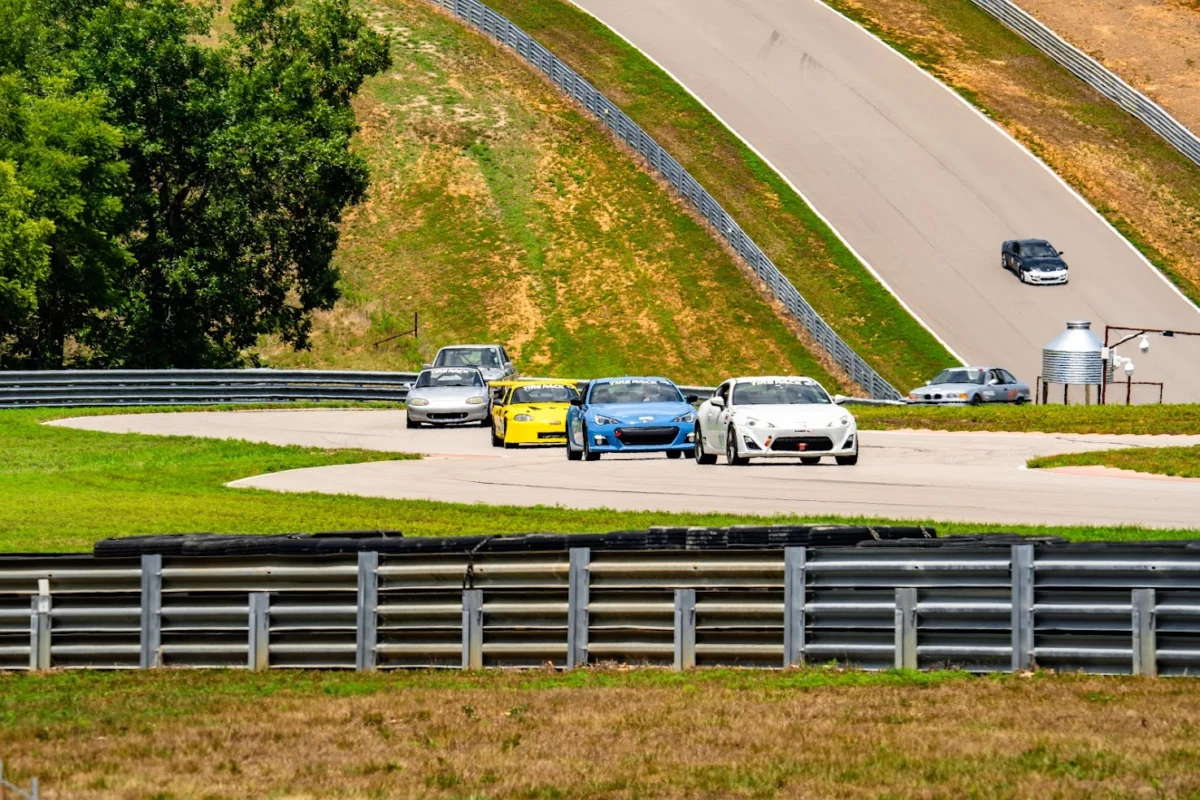
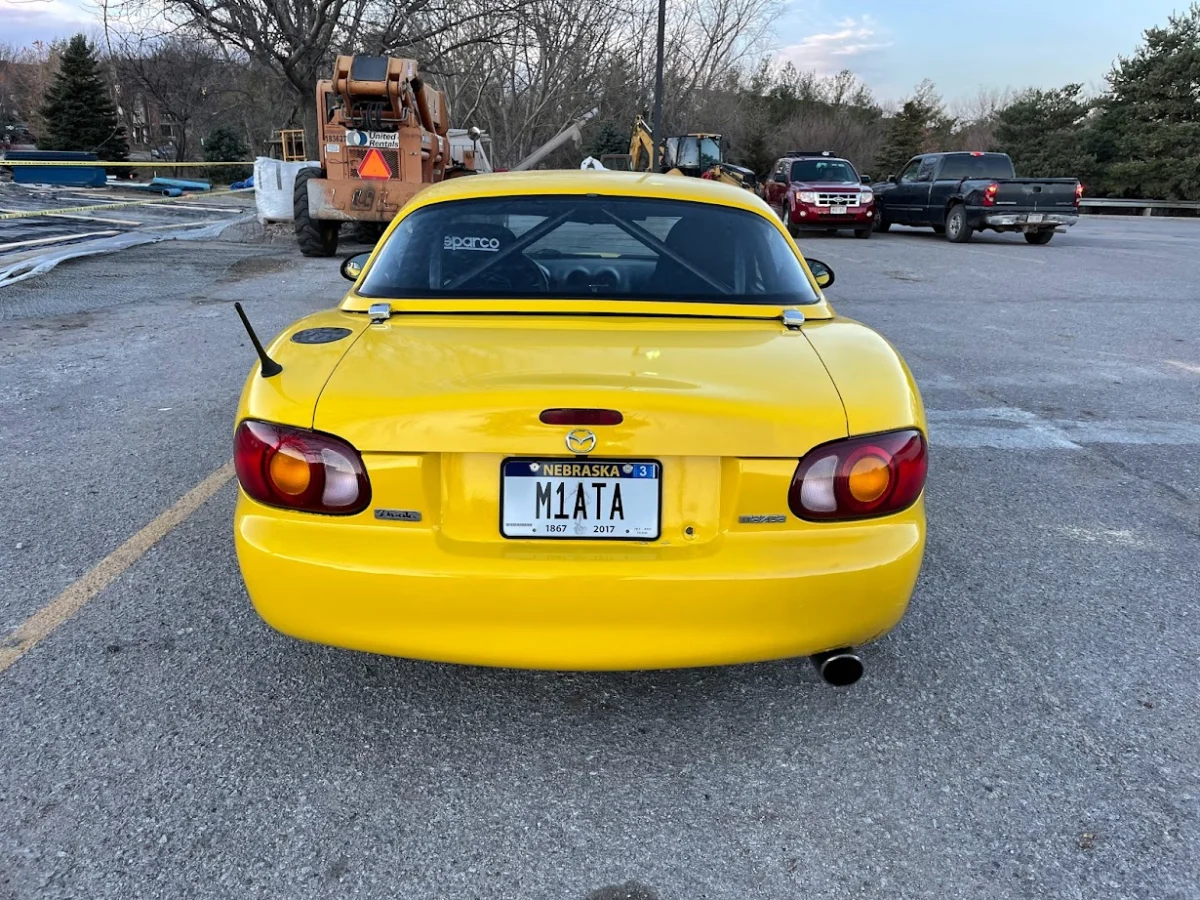
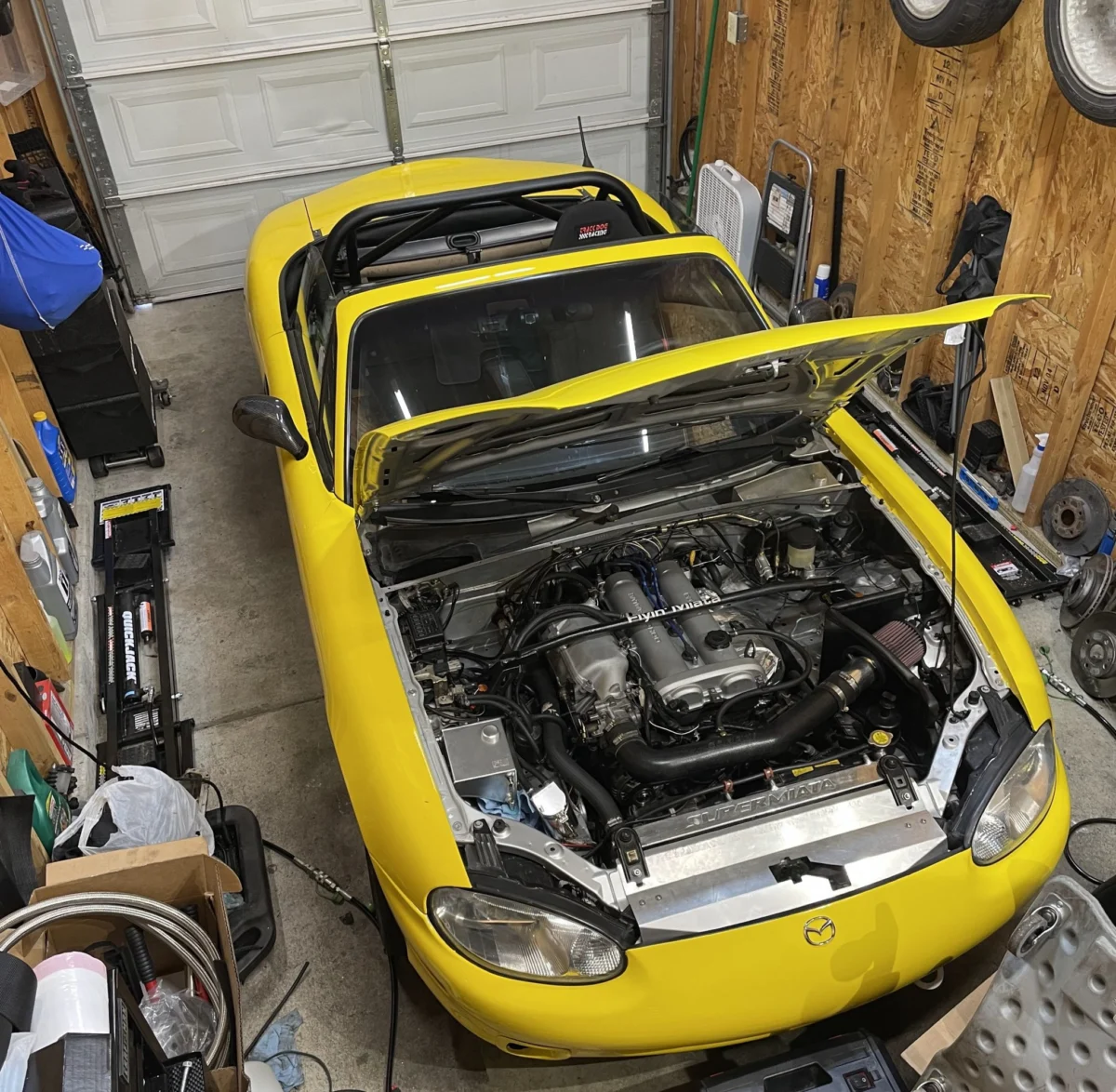
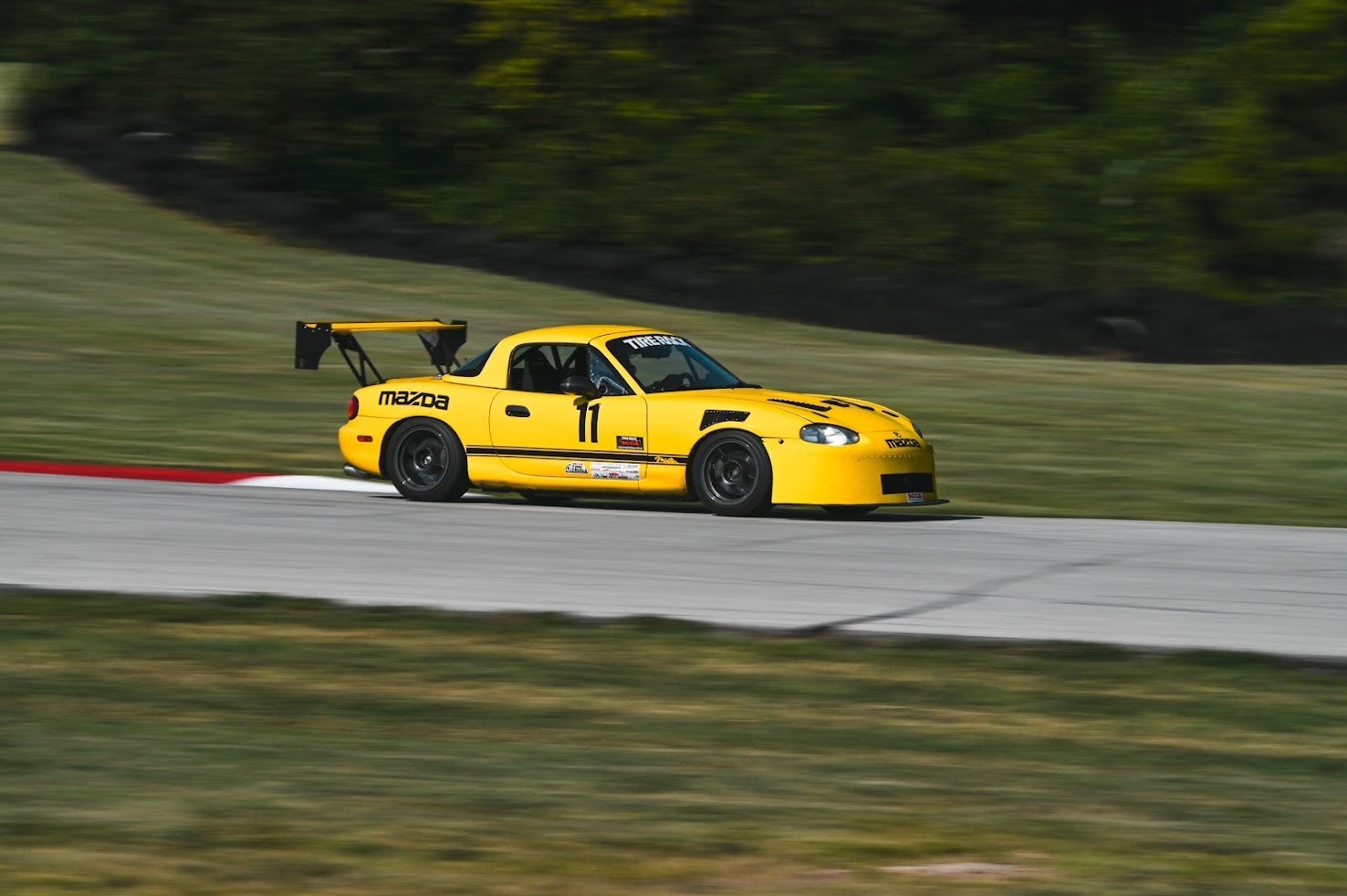
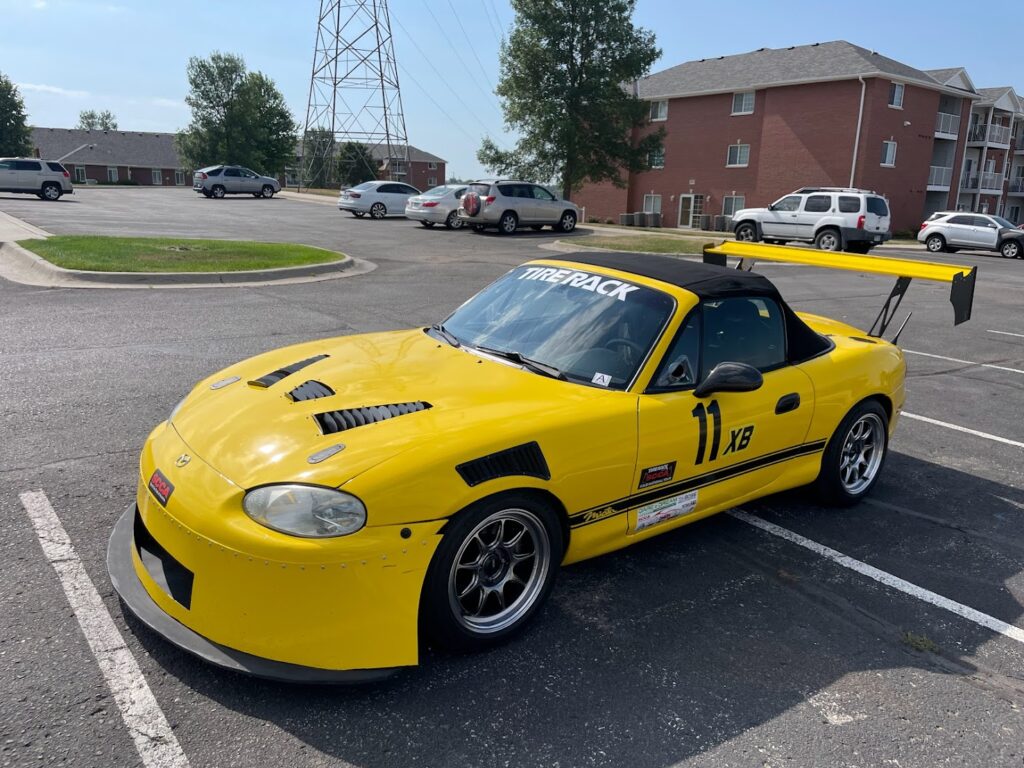
The third year of ownership for this NB-generation Mazda Miata, spanning from March 2023 through February 2024, marked a pivotal transition from a dual-purpose street-and-track vehicle to a highly specialized tool for SCCA Time Trials and autocross competition. Over the course of twelve months, the vehicle underwent significant aerodynamic, mechanical, and ergonomic refinements, while the owner navigated the complexities of competitive racing across five different states. This period of ownership was defined not only by performance gains but also by the logistical challenges of amateur motorsports, including mechanical failures, track closures, and the ongoing quest for weight reduction.
Aerodynamic Integration and Structural Challenges
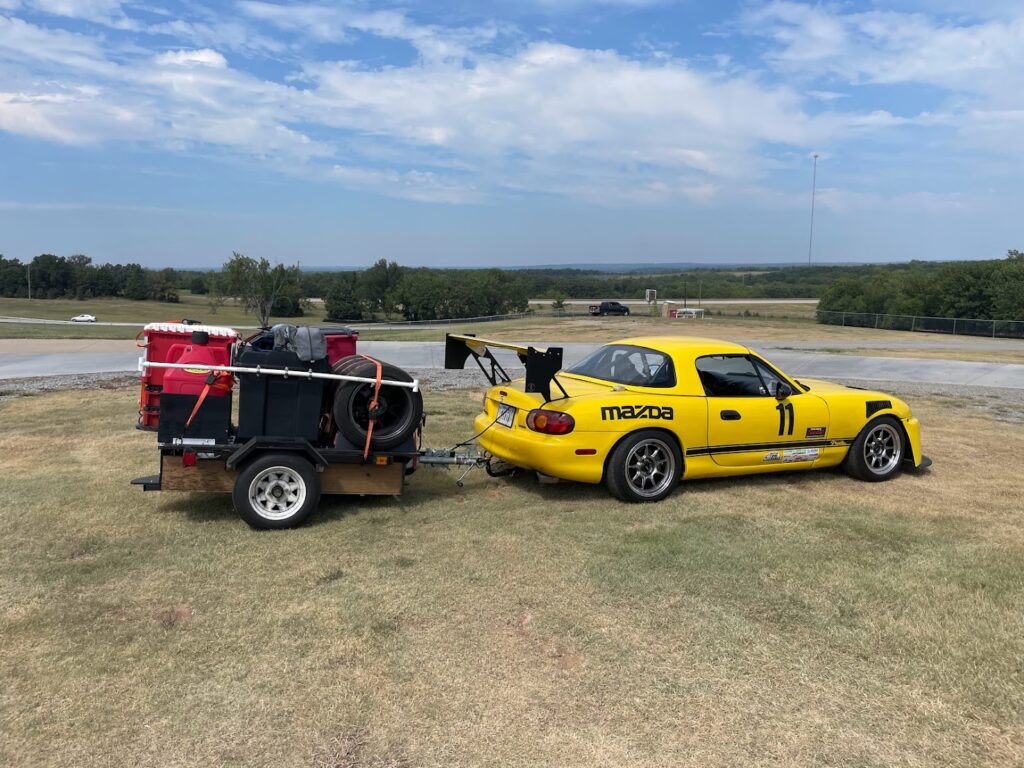
The 2023 season began with an emphasis on aerodynamic efficiency and logistical self-sufficiency. In March 2023, the focus was placed on upgrading a custom-built tire trailer, a critical component for a driver who drives their vehicle to events rather than using a dedicated tow rig. The modifications included a lowered deck for a better center of gravity, a 15-gallon fuel cell to replace smaller jugs, and specialized storage for aerodynamic components such as splitter spares and wing Gurney flaps.
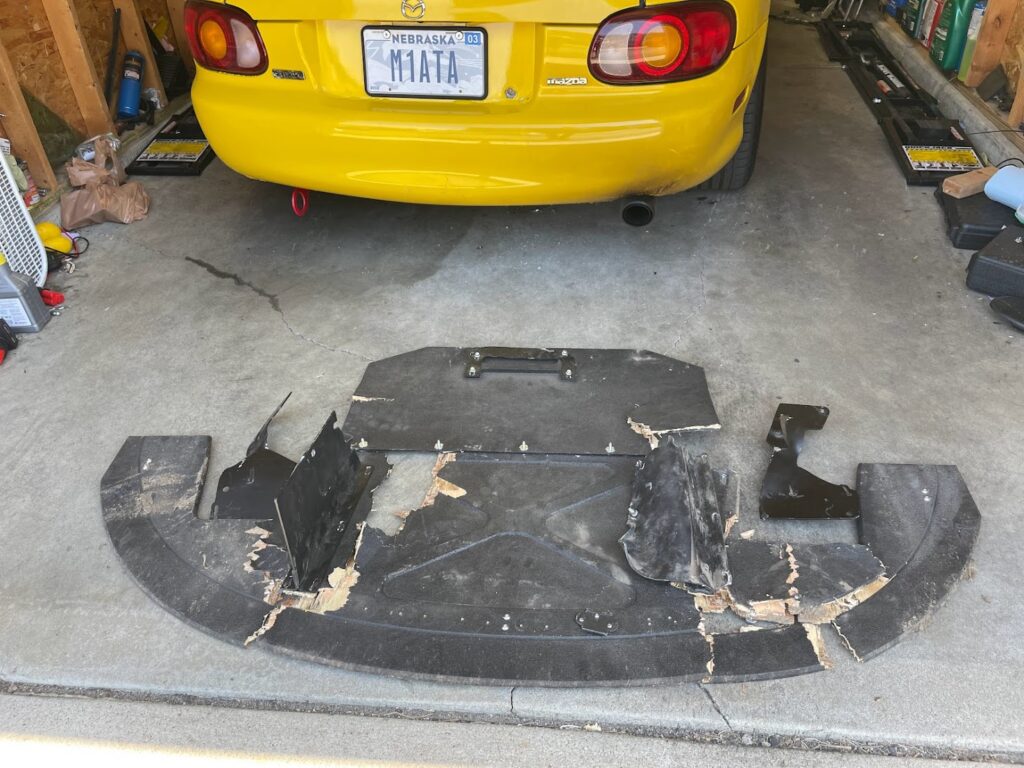
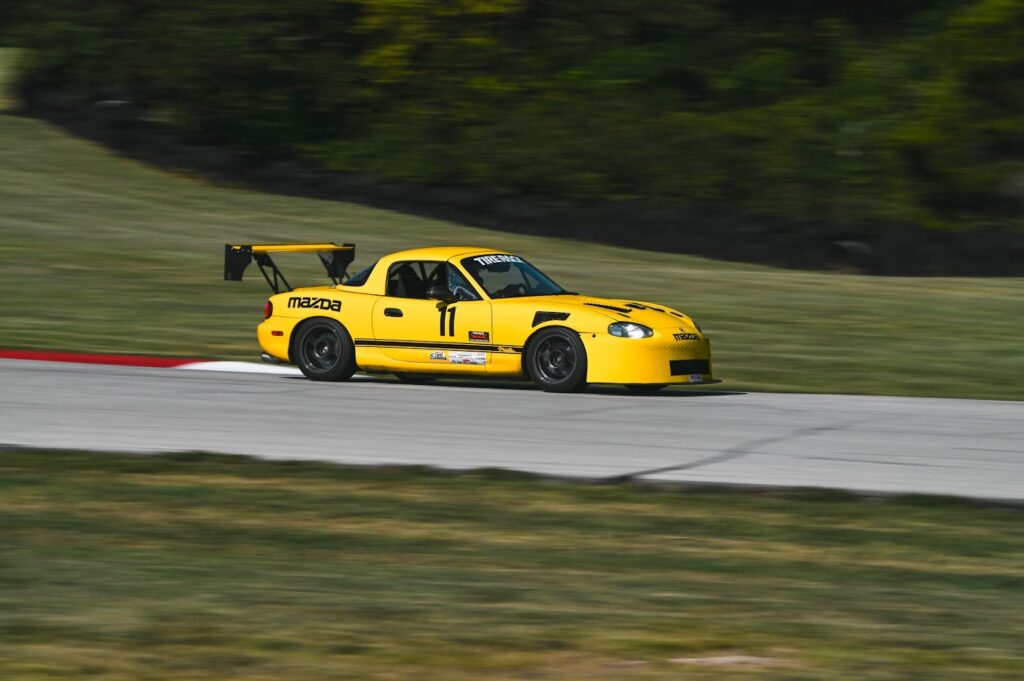
However, the practical application of high-downforce aerodynamics presented immediate challenges. In April 2023, following the installation of a Nine Lives Racing medium downforce kit, the vehicle suffered significant damage during its first track outing of the year. An off-track excursion at high speed resulted in the destruction of the front splitter, bent mounting brackets, and a damaged radiator support. This incident highlighted the fragility of low-slung aerodynamic components in a track environment. The subsequent transition to 1/2-inch plywood for splitter construction served as a cost-effective and durable solution, allowing for easier replacement and better resistance to the high-load scraping common in competitive Time Trials.
Regional Motorsports Landscape: The Loss of Heartland Motorsports Park
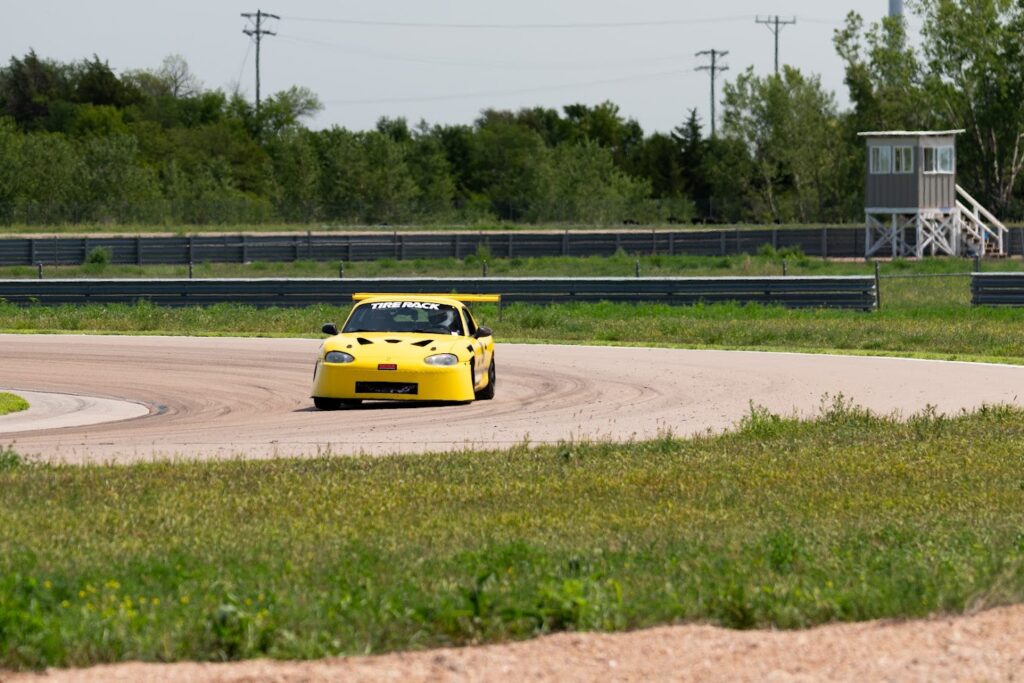
In May 2023, the vehicle participated in the SCCA Time Trials at Heartland Motorsports Park in Topeka, Kansas. This event was underscored by a broader crisis in the regional racing community. Heartland Motorsports Park, a staple of Midwestern motorsports since 1989, faced a permanent closure at the end of the 2023 season. The closure stemmed from a protracted legal dispute regarding property taxes, resulting in the auctioning of the land and equipment.
The loss of such a facility forces regional competitors to travel further to find comparable venues, increasing the logistical burden on amateur racers. For this NB Miata project, the May event represented a final opportunity to gather data on the 2.5-mile road course using 225/45R15 Falken RT660 tires. The shift from the previous year’s Hankook RS4 tires to the RT660s provided a necessary increase in grip, though it also accelerated the wear cycle, a common trade-off in the pursuit of lower lap times.
Mechanical Resilience and Technical Upgrades
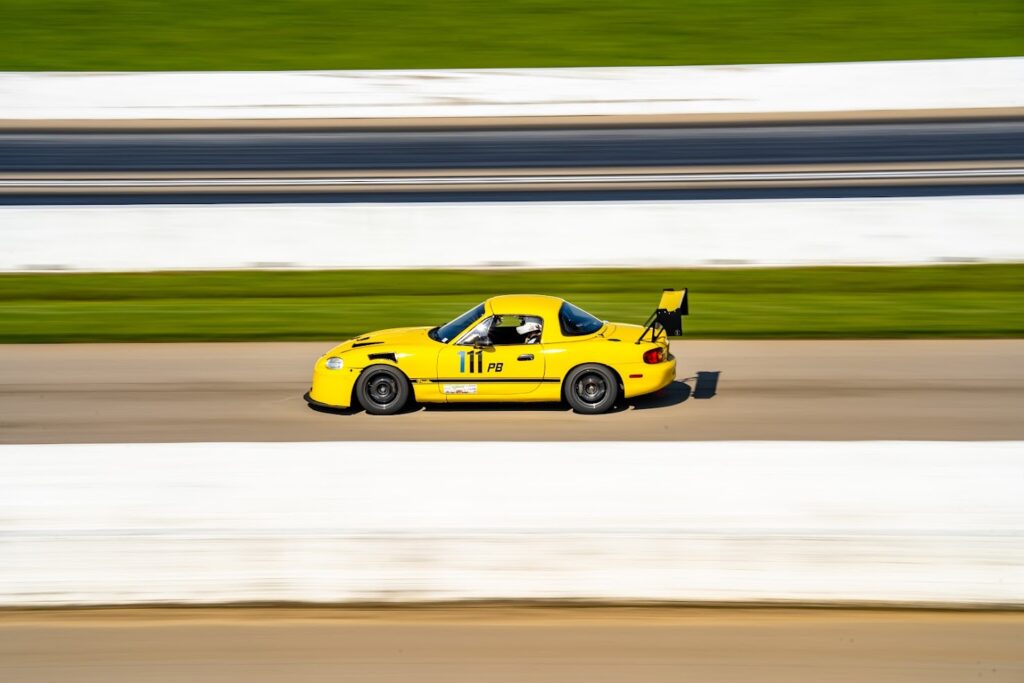
The mid-season was characterized by a balance of mechanical setbacks and proactive weight management. In June 2023, the decision was made to permanently remove the vehicle’s soft top. Technical testing indicated that the rear wing’s efficiency was significantly compromised by the turbulent airflow of an open-top configuration. By committing to a permanent hardtop setup, the vehicle shed weight and improved the laminar flow to the rear element, while simultaneously gaining easier access to the fuel pump and rear suspension components.
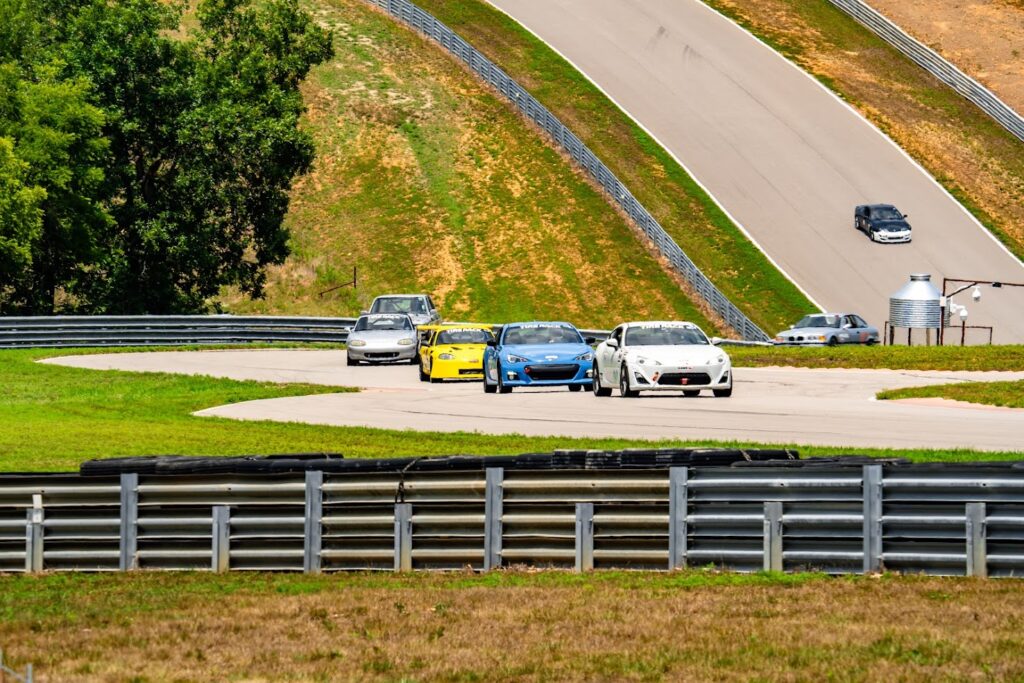
July 2023 brought a major mechanical hurdle when the clutch began to slip immediately prior to an event at Ozarks International Raceway (OIR). Given the time constraints, a standard organic replacement clutch was installed. This incident served as a reminder of the stresses placed on drivetrain components by increased grip levels and aerodynamic loads. Despite the "parts-store" quality of the replacement, the vehicle successfully navigated OIR—a notoriously technical track with 1,200 feet of elevation change and 19 turns. The owner’s cautious approach at OIR reflects a common reality for "arrive-and-drive" racers: the need to balance aggressive lap times against the risk of a mechanical failure that would leave the driver stranded hundreds of miles from home.
Performance Benchmarking and Driver Endurance
By August 2023, the focus shifted to benchmarking the car’s performance against established racing standards. At Motorsports Park Hastings, the vehicle recorded a lap time of 1:42.78. For context, the NASA Spec Miata lap record at this circuit is approximately 1:40.415. While Spec Miatas are restricted in power and aerodynamics, they benefit from highly optimized racing suspensions and lower weights. The NB Miata’s ability to approach these times with a relatively stock engine suggests that the aerodynamic and tire upgrades were successfully compensating for the vehicle’s remaining weight and power deficits.
In September, the project addressed the often-overlooked factor of driver fatigue. During the "Miatas at Hallett" event at Hallett Motor Racing Circuit, a "Cool Shirt" system was integrated into the cockpit. In a closed-cockpit environment with no air conditioning and the requirement for long-sleeve safety gear, core temperature regulation is vital for maintaining the cognitive focus required for high-speed driving. This upgrade represented a shift in the project’s philosophy, recognizing that a more comfortable driver is a more consistent and safer competitor.
Engine Management and the BP4W/BP6D Dilemma
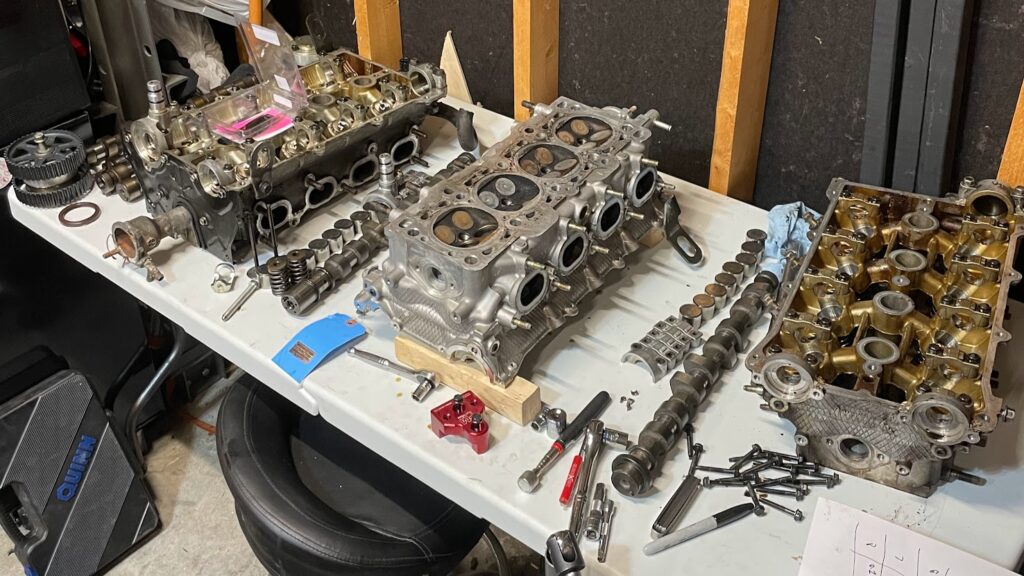
As the 2023 season wound down in October, attention turned to the long-term health of the powertrain. The original BP4W engine, while reliable, began showing signs of wear, specifically oil consumption at high RPM and smoke during engine braking. The owner’s inventory of spare parts—including two BP4W blocks and a VVT-equipped BP6D head—highlights the modular nature of the Mazda B-series engine.
The technical strategy evolved into a hybrid build: a BP4W bottom end paired with a rebuilt BP6D head and high-compression pistons. This "Frankenstein" approach is common in the Miata community to maximize the flow characteristics of the later VVT heads while maintaining the simplicity of the earlier blocks. This ongoing engine project aims to move the car toward the upper limit of its power-to-weight ratio class in Time Trials, where it currently sits in a competitive "no man’s land."
Data-Driven Results: The 2023 Competition Summary
The conclusion of the competitive season in November 2023 provided an opportunity for a data-driven analysis of the year’s progress. The vehicle’s activity levels saw a significant increase over 2022:
- Total Track Days: 15 (up from 10 in 2022)
- Total Autocross Days: 15 (up from 9 in 2022)
- Tire Performance (Bridgestone RE71-RS): Completed 17 events (approx. 70 runs) with remaining tread.
- Tire Performance (Falken RT660): 8.5 hours of track time over 38 heat cycles.
The data suggests that while the RT660 is a superior track tire for longevity, the Bridgestone RE71-RS remains the benchmark for autocross responsiveness. Looking toward the 2024 season, the owner plans to transition to Yokohama A052 and Nankang CRS v2 tires, following the industry trend toward "Super 200" category tires that offer near-slick levels of grip.
Winter Refinements: Weight Reduction and Ergonomics
The winter months (December 2023 – February 2024) were dedicated to structural and ergonomic optimization. A comprehensive weight reduction program resulted in a 50-pound loss. This was achieved through:
- Removal of the dashboard’s internal structural components and excess wiring.
- Elimination of the heater core and associated HVAC ducting.
- Replacement of the factory steering wheel and airbag with a 330mm OMP quick-release wheel.
The removal of 50 pounds from a vehicle that already weighs approximately 2,300 pounds represents a significant 2% improvement in power-to-weight ratio. Furthermore, the installation of the quick-release steering wheel addressed a functional need; as the vehicle becomes more track-focused with the addition of racing seats and potential future roll cages, the ability to remove the wheel becomes a safety requirement for rapid egress.
The final modification of the year was the fabrication of a dedicated trunk mount for the Cool Shirt system. By moving the cooler from the passenger seat to the trunk using custom aluminum brackets, the vehicle regained its ability to carry passengers for "ride-along" sessions without sacrificing driver cooling.
Analysis of Implications and Future Outlook
The third year of this NB Miata project demonstrates the incremental nature of amateur racing development. The shift from basic maintenance to advanced aerodynamics and engine building reflects a common trajectory for enthusiasts who outgrow the "stock" capabilities of their vehicles.
The broader implications of this project highlight the resilience of the Miata platform. Despite being nearly two decades old, the NB chassis remains a viable and competitive choice in modern Time Trials. However, the project also underscores the rising costs and logistical hurdles of the sport, from the increasing price of high-performance tires to the loss of historic venues like Heartland Motorsports Park.
As the vehicle enters its fourth year, the focus remains on closing the gap to the top of its Time Trials class. While the current naturally aspirated setup is reliable, the eventual introduction of forced induction—either via turbocharging or supercharging—appears inevitable if the car is to compete for podium finishes. For now, the combination of refined aerodynamics, significant weight reduction, and increased driver seat time has established a solid foundation for the 2024 racing season.