Retno Hari Mulyono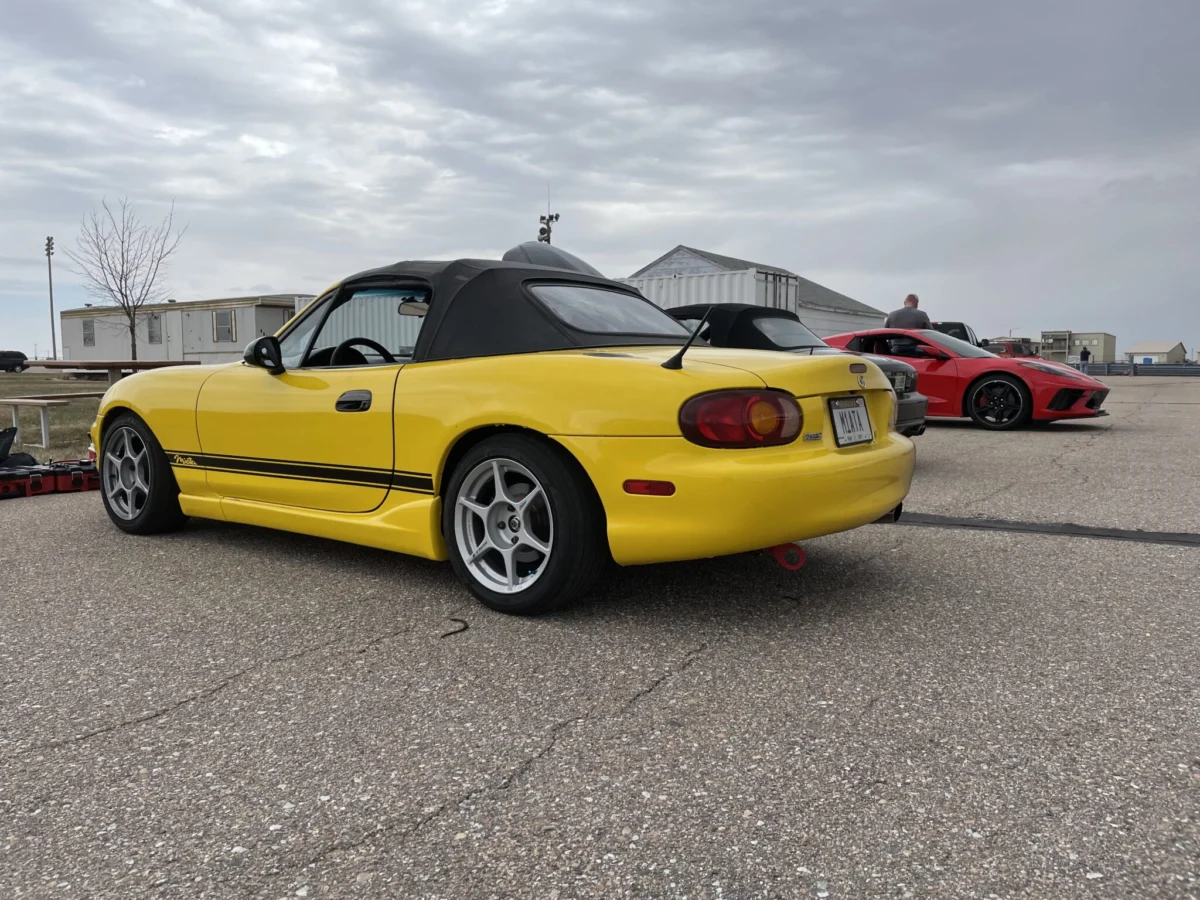
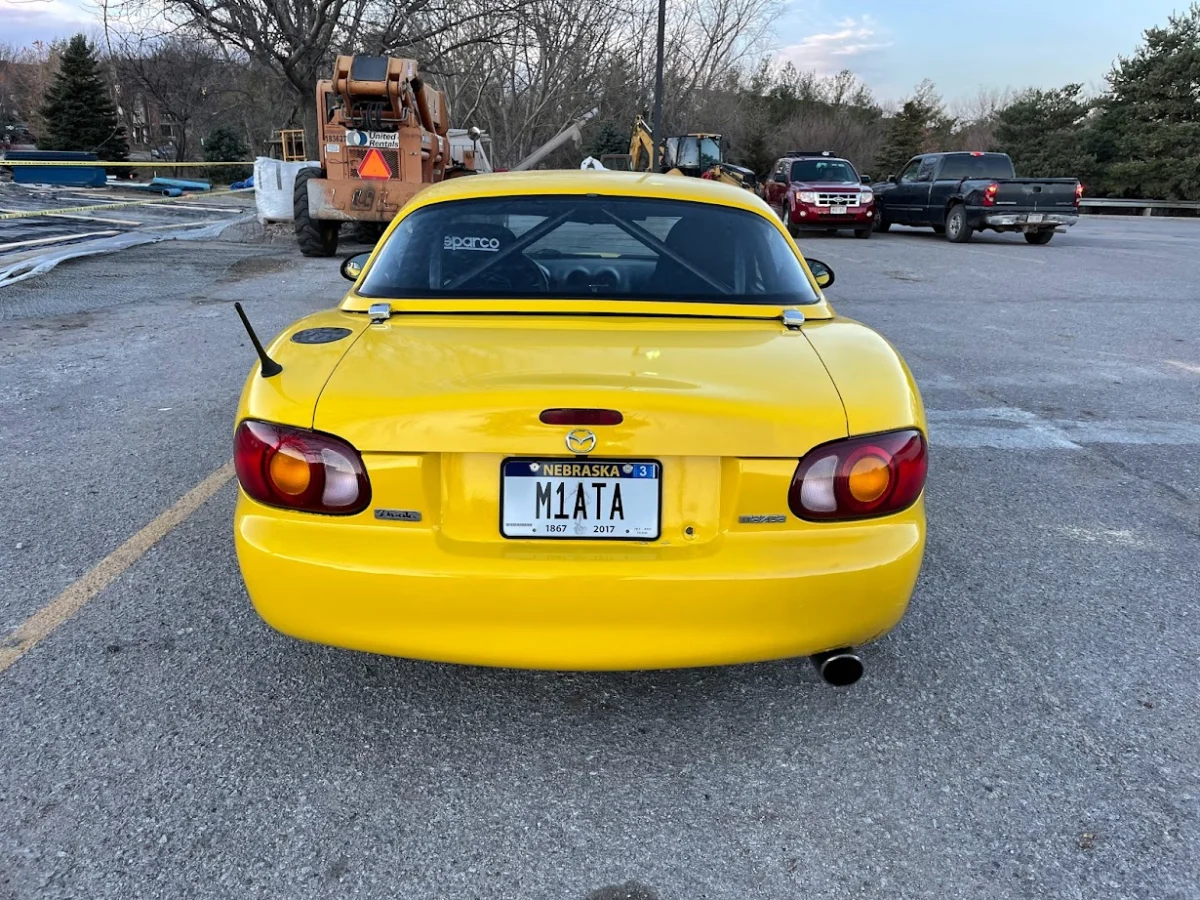
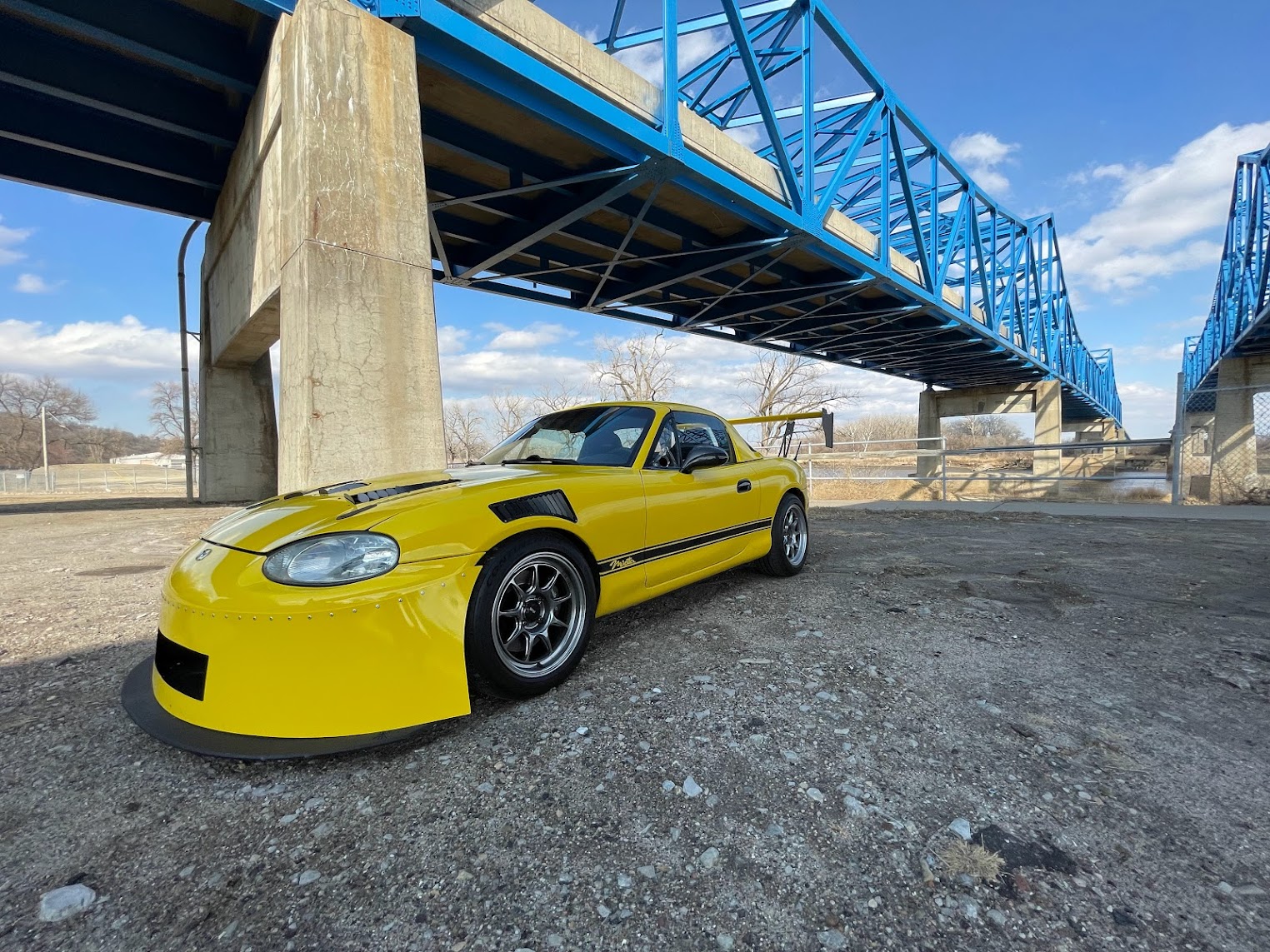
Grassroots motorsports and the culture of amateur time-attack racing have seen a significant resurgence as enthusiasts seek to maximize the performance of affordable, lightweight platforms. Among these, the second-generation Mazda Miata, known internally as the NB, remains a primary candidate for developmental projects due to its balanced chassis and extensive aftermarket support. Following a 24-month development cycle, a comprehensive review of a specific NB Miata project reveals the intricate balance between mechanical upgrades and the refinement of driver telemetry. Between March 2022 and February 2023, the vehicle underwent a radical transformation, evolving from a modified street car into a purpose-built track machine capable of competitive lap times and multi-discipline versatility.
The Quantitative Impact of Driver Development
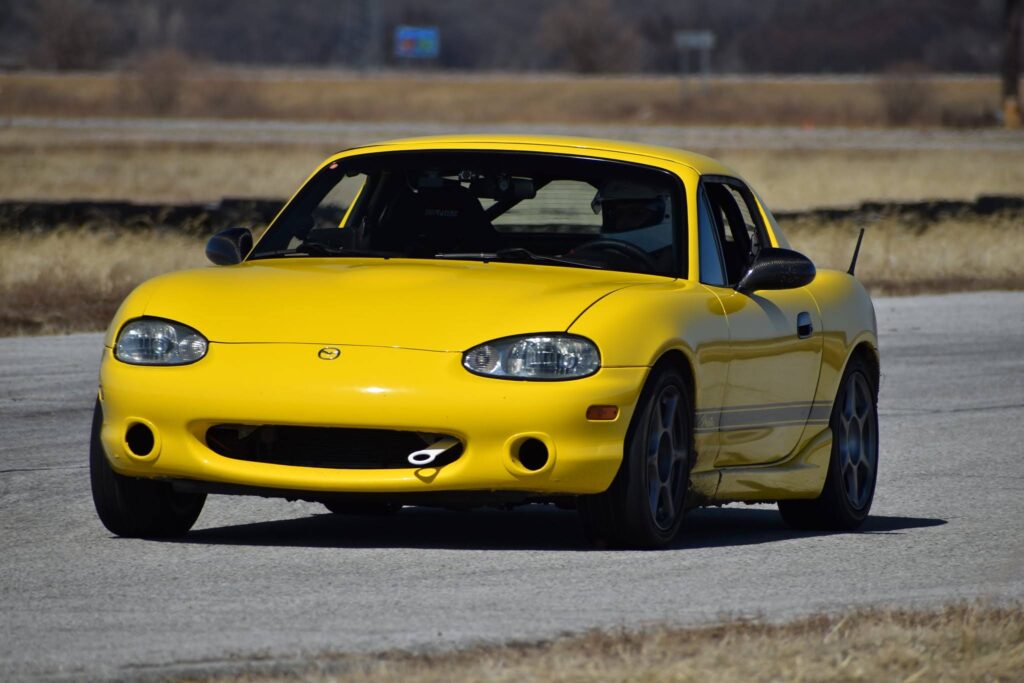
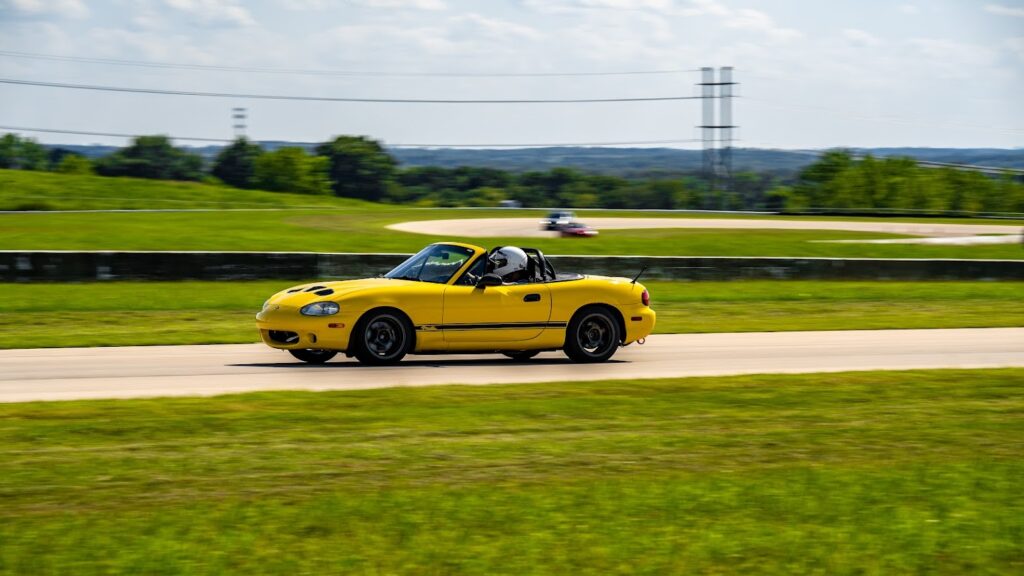
The second year of ownership for this NB Miata began with a return to Raceway Park of the Midlands (RPM), a facility characterized by its demanding, uneven surface and technical corner sequences. While hardware upgrades are often the focus of automotive journalism, the data from this period highlights the critical role of driver education. Upon re-entering the circuit in March 2022, the driver focused on consistency and limit-testing. Over the subsequent seven months, the vehicle recorded an 11.29-second improvement in lap times at RPM.
Professional racing analysts suggest that an improvement of this magnitude is rarely attributed to power alone. Instead, it reflects a deepening understanding of the vehicle’s slip angle, braking zones, and the "line" through complex sectors. The owner’s strategy of frequenting the nearest track—attending eight sessions at RPM—provided the repetitive environment necessary to isolate variables in driving technique. This was contrasted with visits to Motorsports Park Hastings (MPH), where a newly repaved asphalt surface provided a high-grip environment. The comparison between the bumpy, patched surface of RPM and the smooth, clubhouse-equipped MPH underscores the necessity for a versatile suspension setup capable of handling diverse track conditions.
Mechanical Optimization and Power Delivery
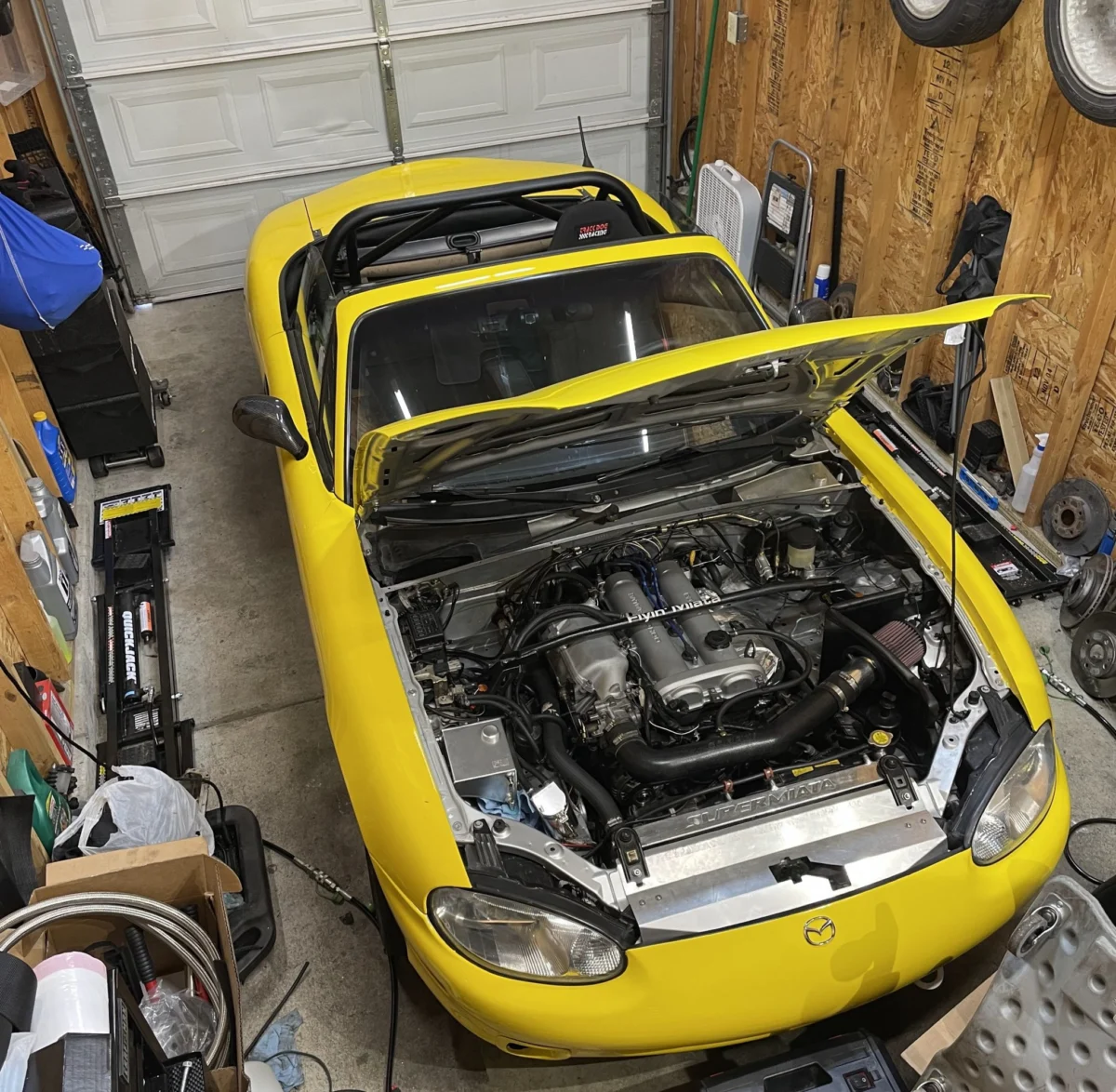
In July 2022, the project reached a quantitative milestone during a dynamometer (dyno) session. In the previous year, the NB1 Miata, equipped with basic bolt-on modifications including an intake, headers, and exhaust, produced 115 wheel-horsepower (whp) and 106 lb-ft of torque. By the summer of 2022, the integration of a "squaretop" intake manifold—a component originally found in non-US markets known for its superior airflow—combined with a Megasquirt standalone ECU and a transition to E85 fuel, resulted in a significant power jump.
The dyno results recorded 136 whp and 119 lb-ft of torque. This represents an 18% increase in horsepower and a 12% increase in torque. Industry experts note that for a naturally aspirated 1.8-liter BP4W engine, these gains are substantial without internal modifications. The use of E85 (85% ethanol) allows for more aggressive ignition timing due to its higher octane rating and cooling properties, which is particularly beneficial during the high-stress environment of summer track days.
Logistics and Infrastructure: The Tire Trailer Solution
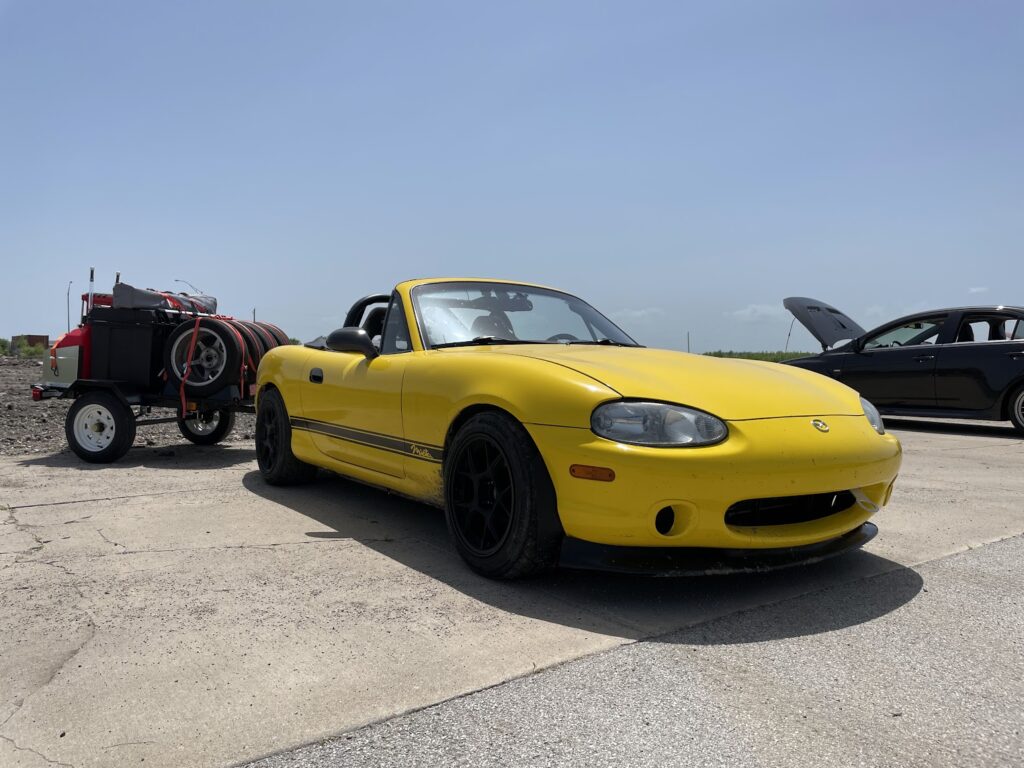
A recurring challenge for Miata owners is the vehicle’s inherent lack of cargo space, which complicates the logistics of attending track events. To remain self-sufficient, the owner engineered a custom tire trailer solution in June 2022. Utilizing a 40×48 Northern Tool trailer frame with an extended plywood deck, the setup was designed to carry four spare tires, tools, fluids, a canopy for shade, and extra fuel.
Towing with a vehicle that has a short wheelbase and a low-torque engine requires careful weight distribution. The completed trailer weighed approximately 700 lbs when fully loaded. Over 1,000 miles of towing proved that the NB Miata is a capable tow platform when the load is managed correctly. This logistical upgrade allowed the driver to utilize dedicated track tires (Hankook RS4) without subjecting them to the heat cycles and wear of highway driving, thereby preserving the tires’ competitive edge for the circuit.
Diversification into Rallycross and Autocross
The versatility of the Miata platform was further tested through participation in SCCA Rallycross and Autocross. In August 2022, the vehicle was entered into a Rallycross event at I80 Speedway in Nebraska. Despite the car’s low ground clearance—which resulted in the loss of a front lip spoiler—the event provided valuable lessons in low-traction car control.
Concurrently, the owner participated in a full season of SCCA Autocross. The data from these events showed a clear upward trajectory in competitive standing. At the beginning of the season, the driver’s times were in the bottom 8% of the field. By the season’s conclusion, the driver had moved into the top 50%. This progression in the XS-B class (Extreme Street) demonstrates how the tight, cone-defined courses of Autocross complement the high-speed learning of road courses, specifically in the areas of weight transfer and rapid steering response.
Incident Analysis and Structural Resilience
High-performance driving carries inherent risks, which materialized in October 2022 when the vehicle struck a tire wall at Raceway Park of the Midlands. The incident occurred during the final track day of the season. After correcting a slide in Turn 10, the vehicle carried excessive speed into Turn 11, leading to an understeer condition that sent the car off-track.
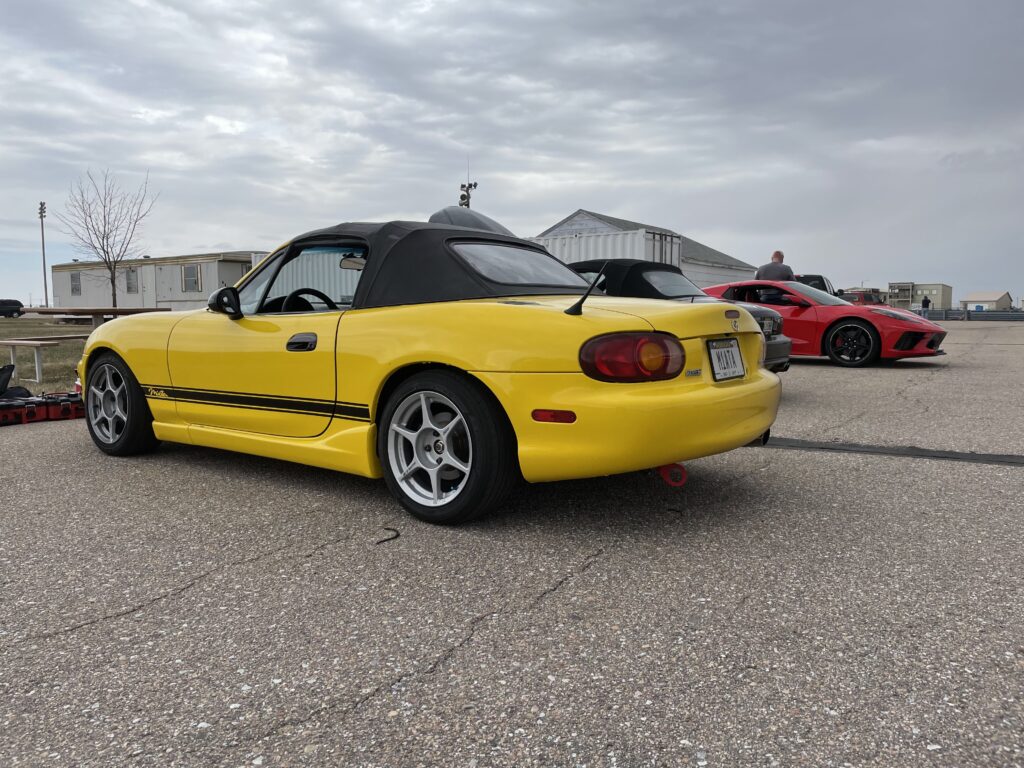
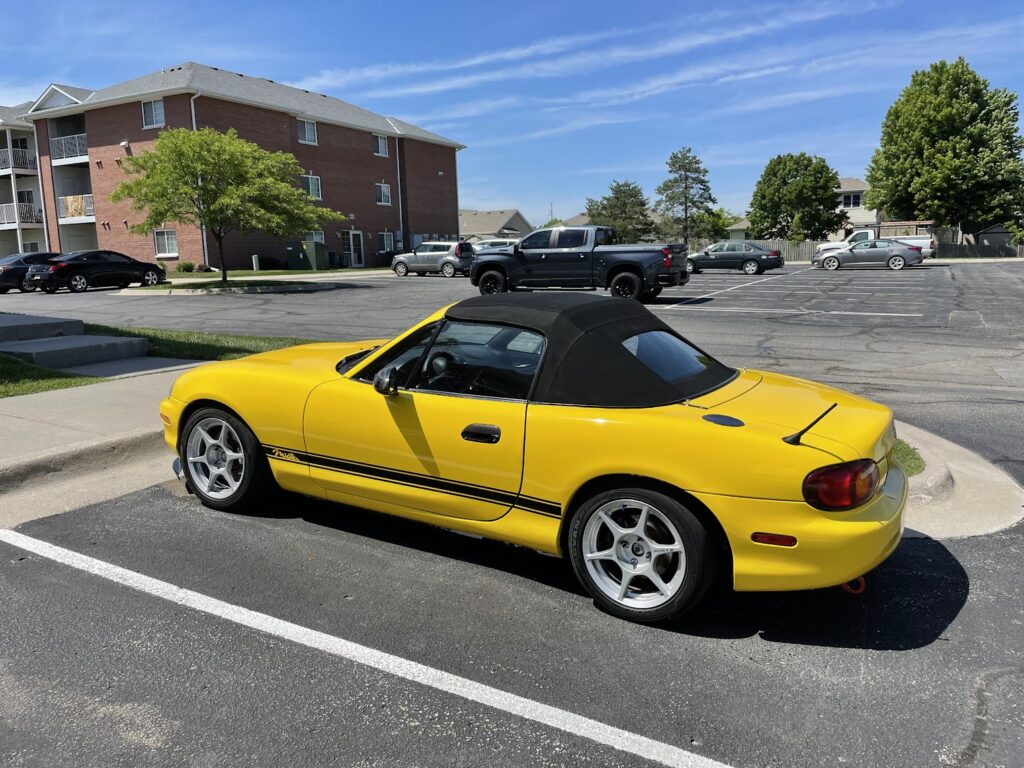
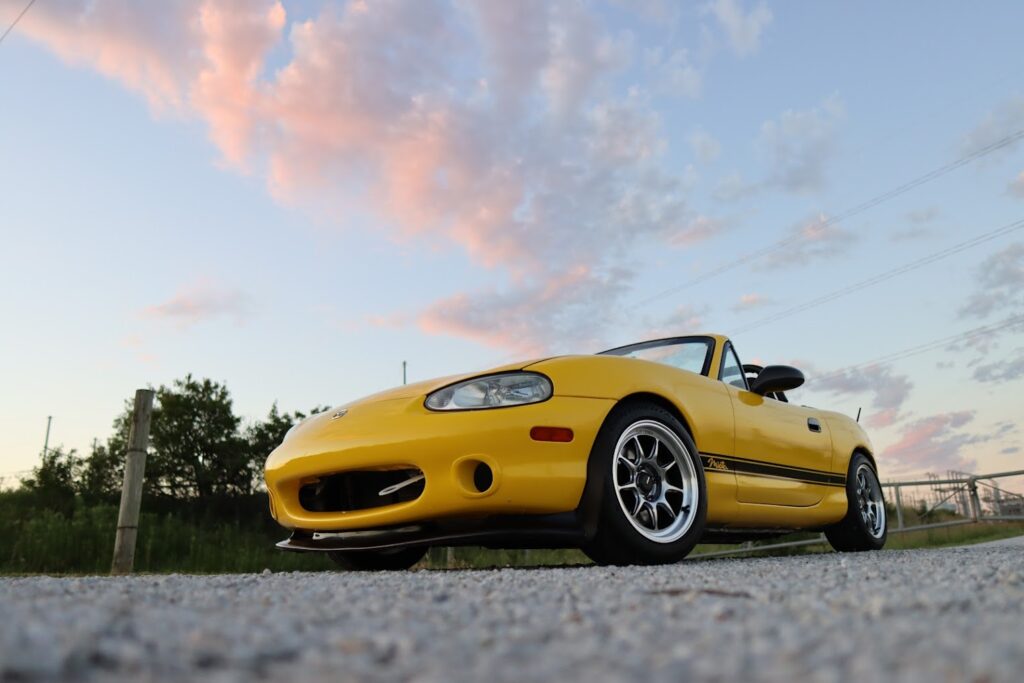
The impact occurred at approximately 60 mph. Analysis of the damage revealed that the tire wall performed its safety function effectively, absorbing the majority of the kinetic energy. The damage was limited to the hood, front bumper, fender, and one headlight. Notably, the vehicle remained mechanically sound and was driven home. This incident highlights the Miata’s "modular" nature; by November, the owner had sourced and installed replacement body panels. The use of a yellow vinyl wrap rather than traditional paint allowed for a cost-effective cosmetic restoration, illustrating a practical approach to track car aesthetics where "mismatched" panels are easily concealed.
Advanced Engineering: Bushings and Aerodynamics
The winter months of late 2022 and early 2023 were dedicated to significant hardware overhauls. In December, the suspension was upgraded with A1 Ground Control Nylatron bushings and Paco Motorsports adjustable rear upper control arms. The transition from rubber or polyurethane to Nylatron—a self-lubricating, high-strength plastic—was a strategic choice to eliminate bushing bind. While this increased Noise, Vibration, and Harshness (NVH) during street use, it provided a more precise and repeatable suspension geometry under cornering loads.
In February 2023, the project entered a new phase with the installation of a Nine Lives Racing "Medium Downforce" aero kit. The kit features a single-element aluminum rear wing and a front air dam/splitter combination. Aerodynamic lift is a known issue for the Miata at high speeds; the addition of functional downforce is intended to stabilize the car in fast sweepers. Initial street testing suggested that the car felt more "planted" at speed, with the owner noting that the wing’s rigid mounting to the trunk sides allowed it to support significant weight without deflection.
Technical Acquisitions and Future Outlook
As the second year concluded, the project’s scope expanded with the acquisition of a BP6D engine. This 1.8-liter powerplant features Variable Valve Timing (VVT), which offers a broader powerband compared to the BP4W currently in the car. Additionally, a 6-speed manual transmission was secured to replace the 5-speed unit, providing closer gear ratios to keep the engine in its optimal power range.
The cumulative data from Year Two indicates that the NB Miata project has transitioned from a hobbyist’s weekend car into a sophisticated technical exercise. With the integration of professional-grade aerodynamics, a bespoke suspension, and an upcoming engine swap, the vehicle is positioned to challenge higher-performance classes in the 2023 season. The owner’s journey underscores a fundamental truth in motorsports: performance is a product of both mechanical evolution and the persistent refinement of the person behind the wheel. As the project enters its third year, the baseline for success has been redefined by data-driven results and a resilient approach to the challenges of the track.