Retno Hari Mulyono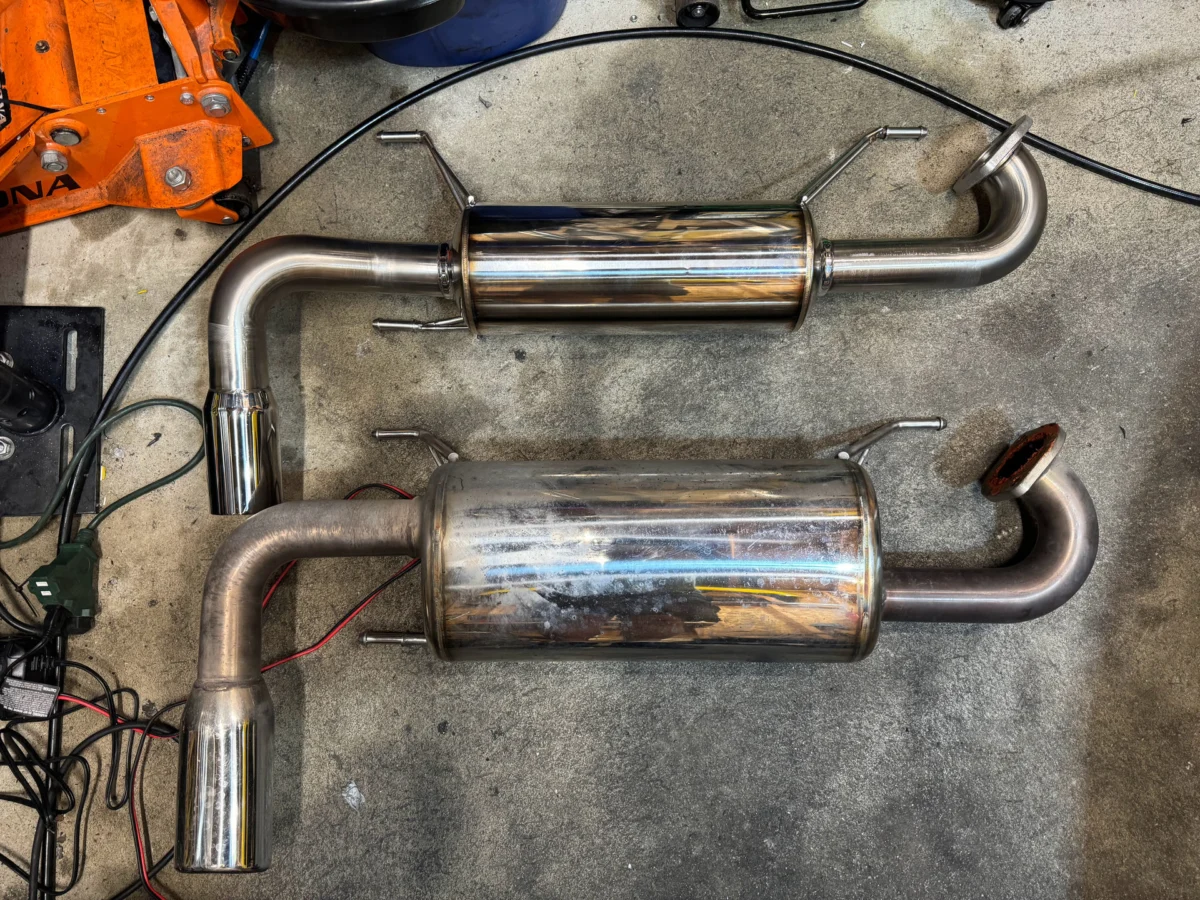
The second-generation Mazda Miata, known internally as the NB chassis, has long served as a cornerstone of grassroots motorsports due to its balanced rear-wheel-drive platform and mechanical simplicity. For one dedicated developer, the period between March 2024 and February 2025 marked the fourth year of a rigorous iterative build process aimed at optimizing the vehicle for competitive time trials and high-performance driver education (HPDE) events. This chronological analysis details the mechanical transitions, logistical upgrades, and competitive data gathered during a year defined by both engineering setbacks and significant performance gains.
The VVT Engine Transition and Mechanical Resilience
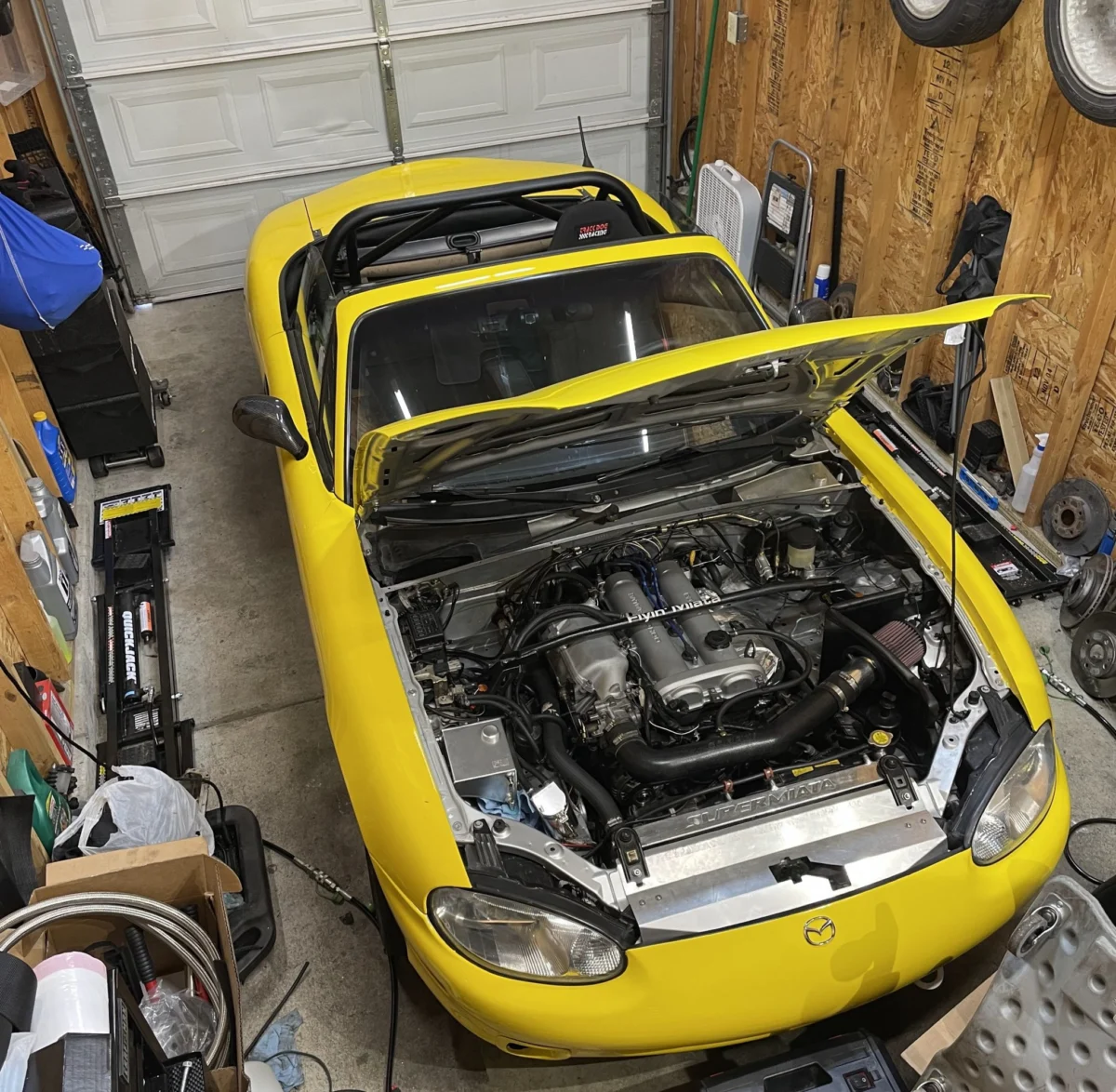
The 2024 season commenced with an ambitious attempt to modernize the vehicle’s powertrain. In March 2024, the original BP4W engine was slated for replacement by a rebuilt BP6D motor, which features Variable Valve Timing (VVT). The VVT system is highly regarded in the Miata community for its ability to broaden the power band, providing better low-end torque without sacrificing high-end horsepower.
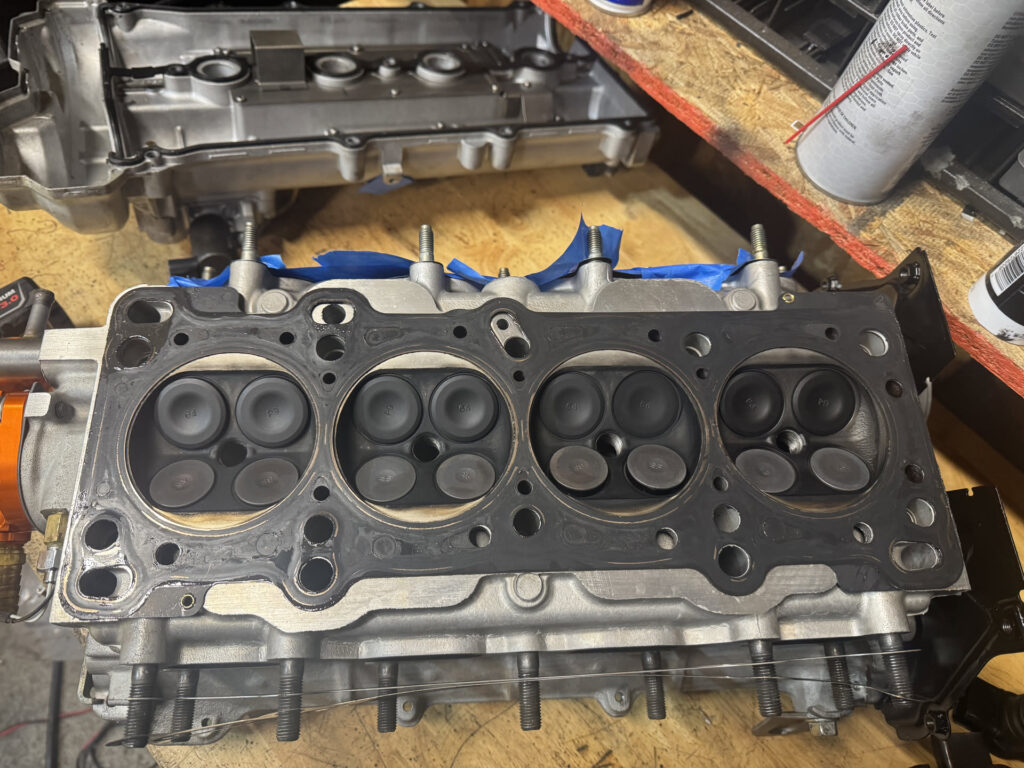
The engine build involved a comprehensive "slippery slope" of upgrades, including a cylinder head rebuild necessitated by poor valve sealing. The bottom end received a manual hone, new Original Equipment Manufacturer (OEM) rings, and aftermarket pistons. To complement the increased power potential, the five-speed manual transmission was replaced with a more robust six-speed unit.
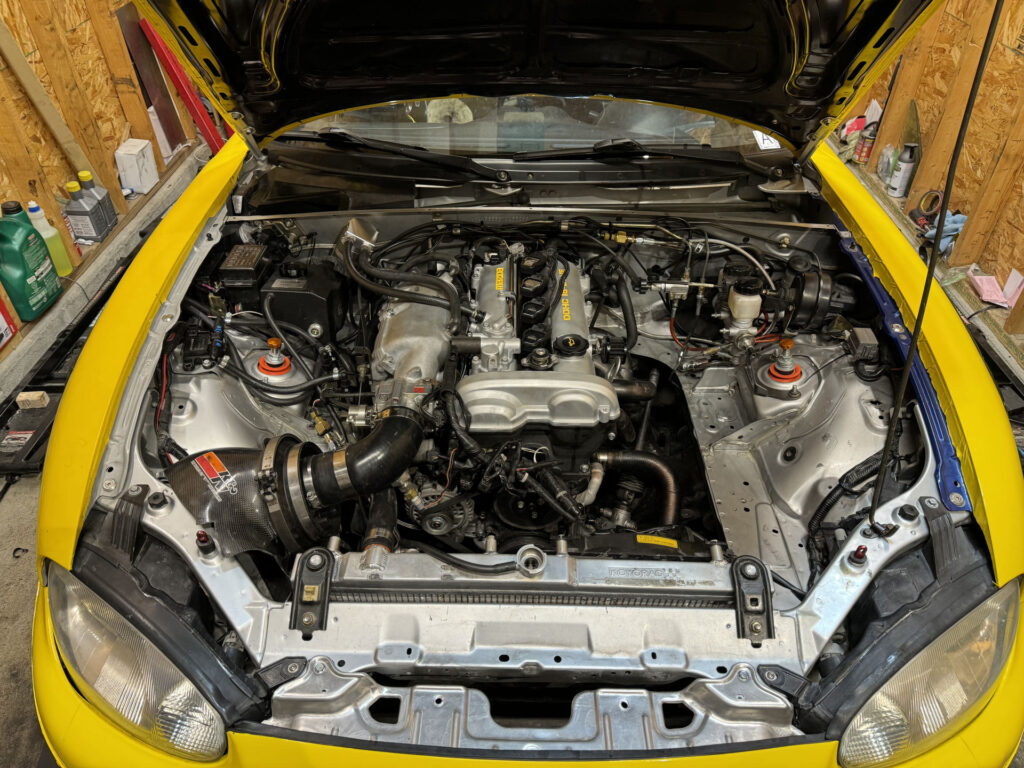
However, the transition highlighted the volatility of custom engine builds. During an early-season autocross event, the vehicle suffered a head gasket failure. The high-RPM demands of the competition caused excessive pressure within the cooling system, leading to the ejection of a freeze plug—the path of least resistance. This failure necessitated a temporary reversion to the original BP4W engine to preserve the racing season, though the six-speed transmission remained in place. This setback underscores a common theme in privateer racing: the necessity of having a reliable "baseline" configuration to fall back on when experimental upgrades fail under load.
Thermal Management and Braking Efficiency
In April 2024, the focus shifted from power to deceleration and thermal management. The vehicle was already equipped with a Supermiata BX11 brake kit, but the developer noted that the thin profile of the pads led to a shortened service life under track conditions. To mitigate this, a custom brake cooling duct system was installed.
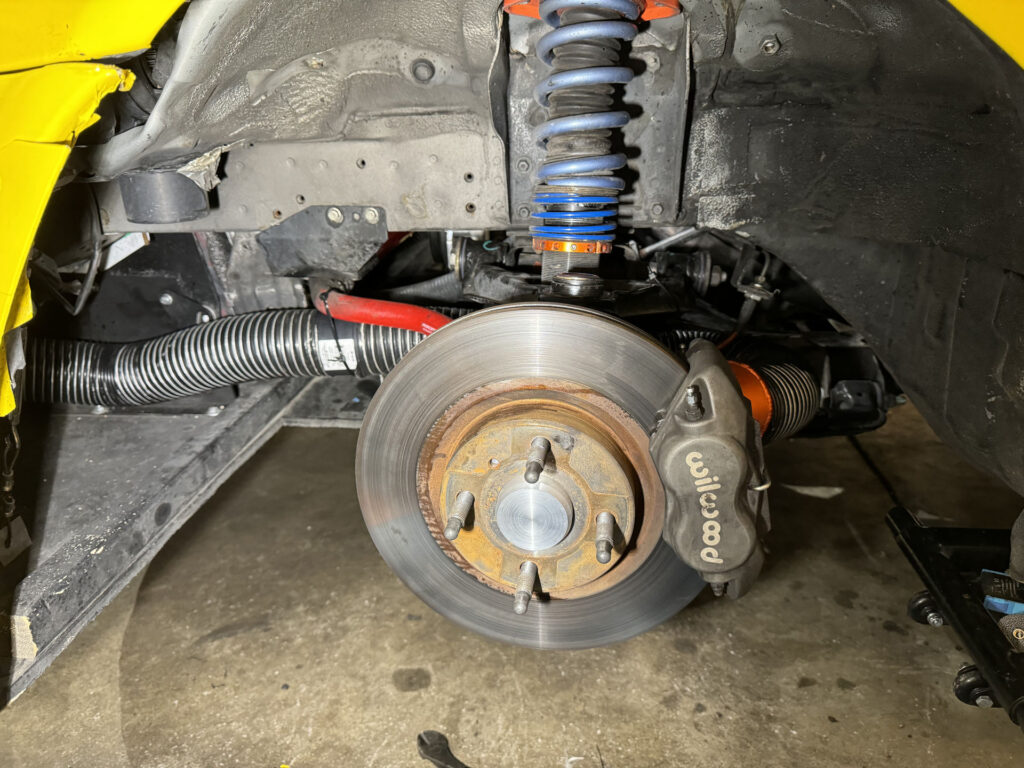
The system utilized a modular design featuring two sections of hose joined by a central coupler. This engineering choice allows for more cost-effective maintenance; should one section of the hose become damaged by road debris or tire rub, only that specific segment requires replacement. Data collected throughout the season indicated that these ducts approximately doubled the life of the brake pads, demonstrating the critical importance of airflow in managing the kinetic energy of track-driven vehicles. While the hoses introduced minor complexities in terms of wheel clearance and maintenance access, the economic and performance benefits of reduced pad fade and increased longevity were substantial.
Exhaust Dynamics and Weight Reduction
By May 2024, the vehicle’s exhaust system underwent a strategic revision. The existing Racing Beat Power Pulse muffler was replaced with a Racing Beat Race Muffler. The objective was two-fold: marginal weight reduction and an increase in auditory feedback for the driver.
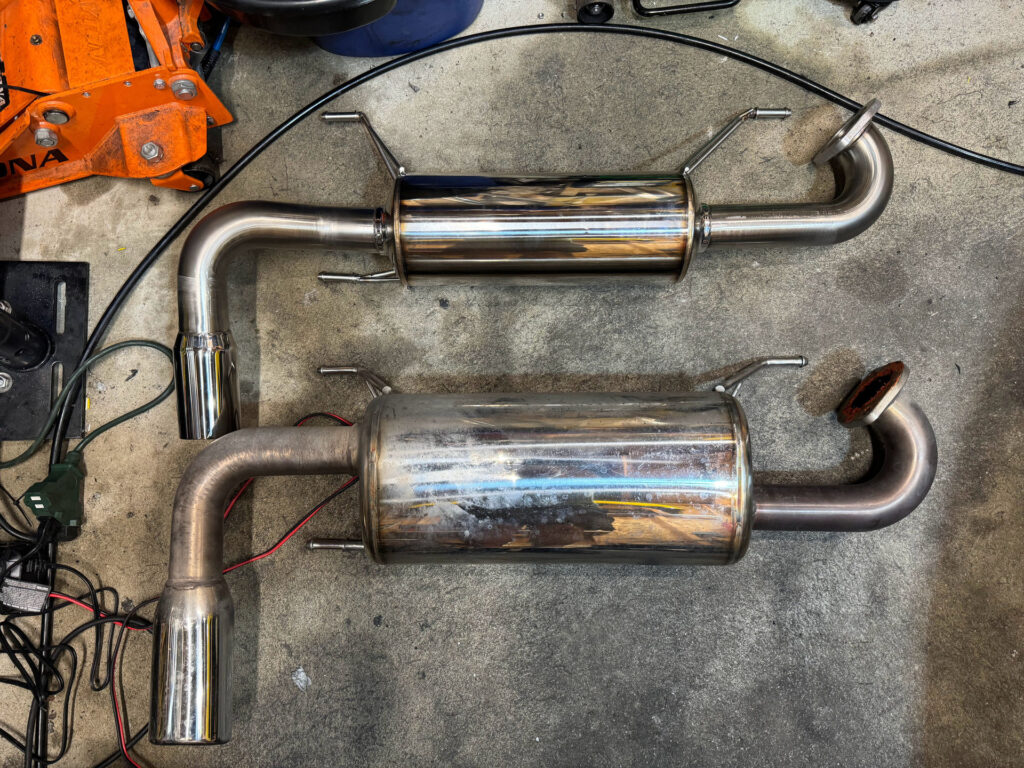
The final exhaust configuration—comprising a Raceland header, a Racing Beat Race resonated midpipe, and the Race muffler—struck a balance between performance and regulatory compliance. Many racing circuits enforce strict decibel limits to maintain amicable relations with surrounding communities. This setup provided the necessary flow characteristics for high-RPM operation while remaining quiet enough to avoid "noise meat" violations at strictly regulated venues.
Regional Track Analysis and Competitive Benchmarking
The summer months of 2024 saw the vehicle campaigned across several prominent Midwestern and Western circuits, providing a wealth of telemetry data and comparative performance metrics.
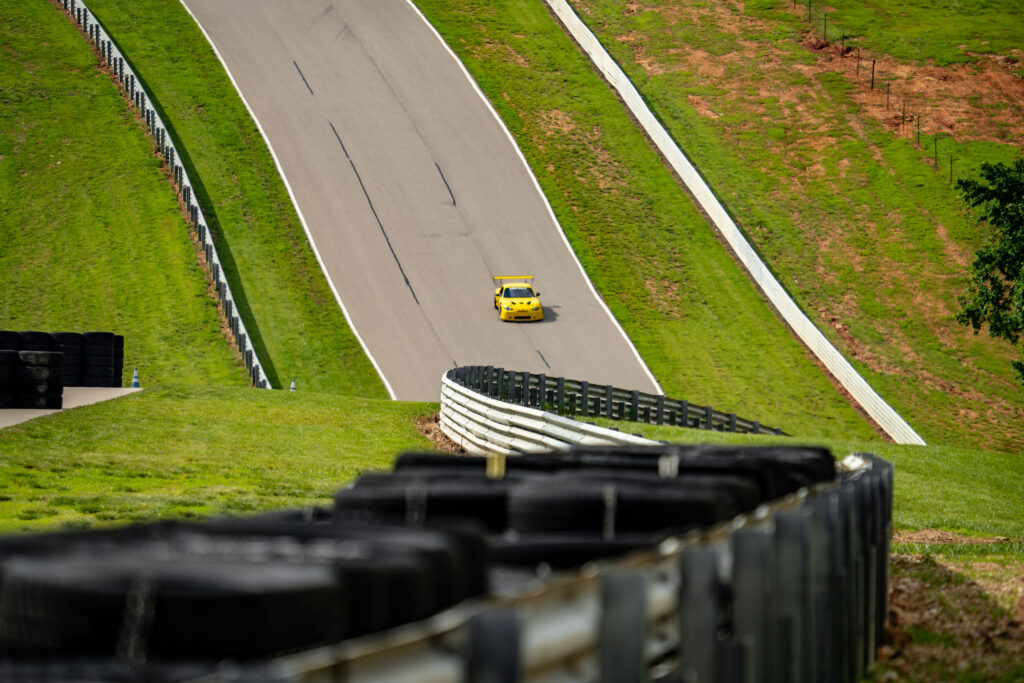
Ozarks International Raceway (June 2024)
Ozarks International Raceway is noted for its extreme elevation changes and technical complexity. The June outing revealed significant year-over-year improvements in lap times. The developer noted that the technical nature of the track rewards driver familiarity and confidence, particularly in blind corners where elevation drops significantly.
High Plains Raceway (July 2024)
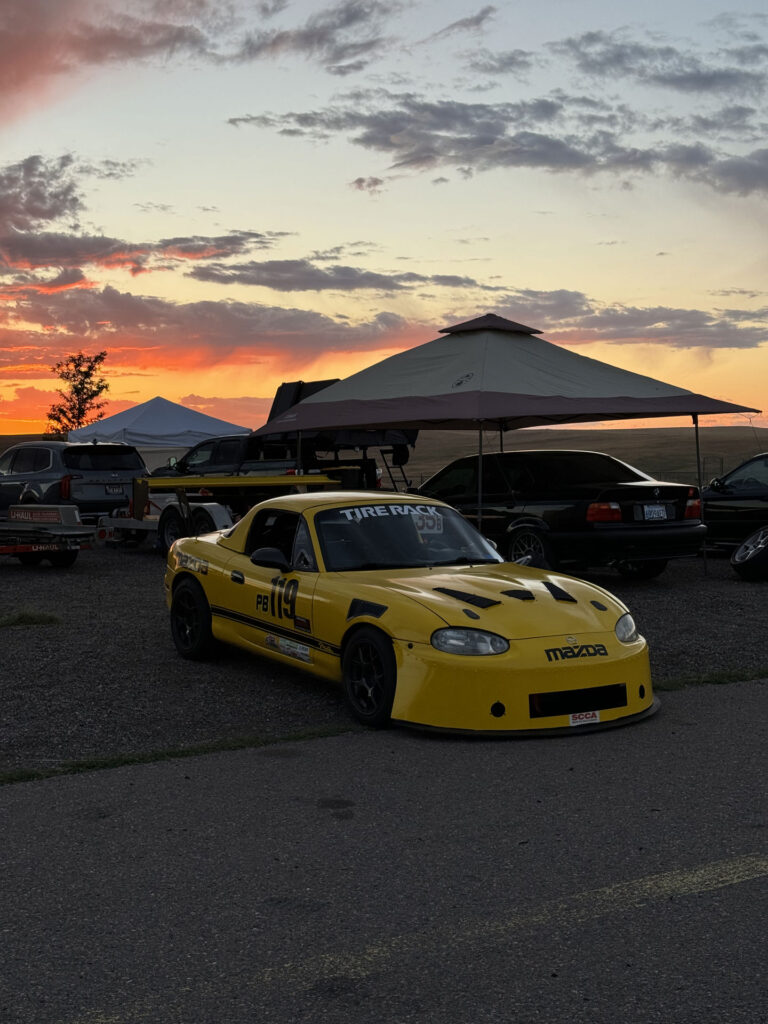
A 900-mile round trip to High Plains Raceway served as the first major test of the vehicle’s new logistical support system. This event marked a transition from driving the race car to the circuit to towing it with a dedicated support vehicle. Despite minor ignition issues involving oil-fouled spark plugs in the tow vehicle, the trip validated the decision to move toward a trailered setup, which offers better driver recovery and equipment security.
Motorsports Park Hastings (August 2024)
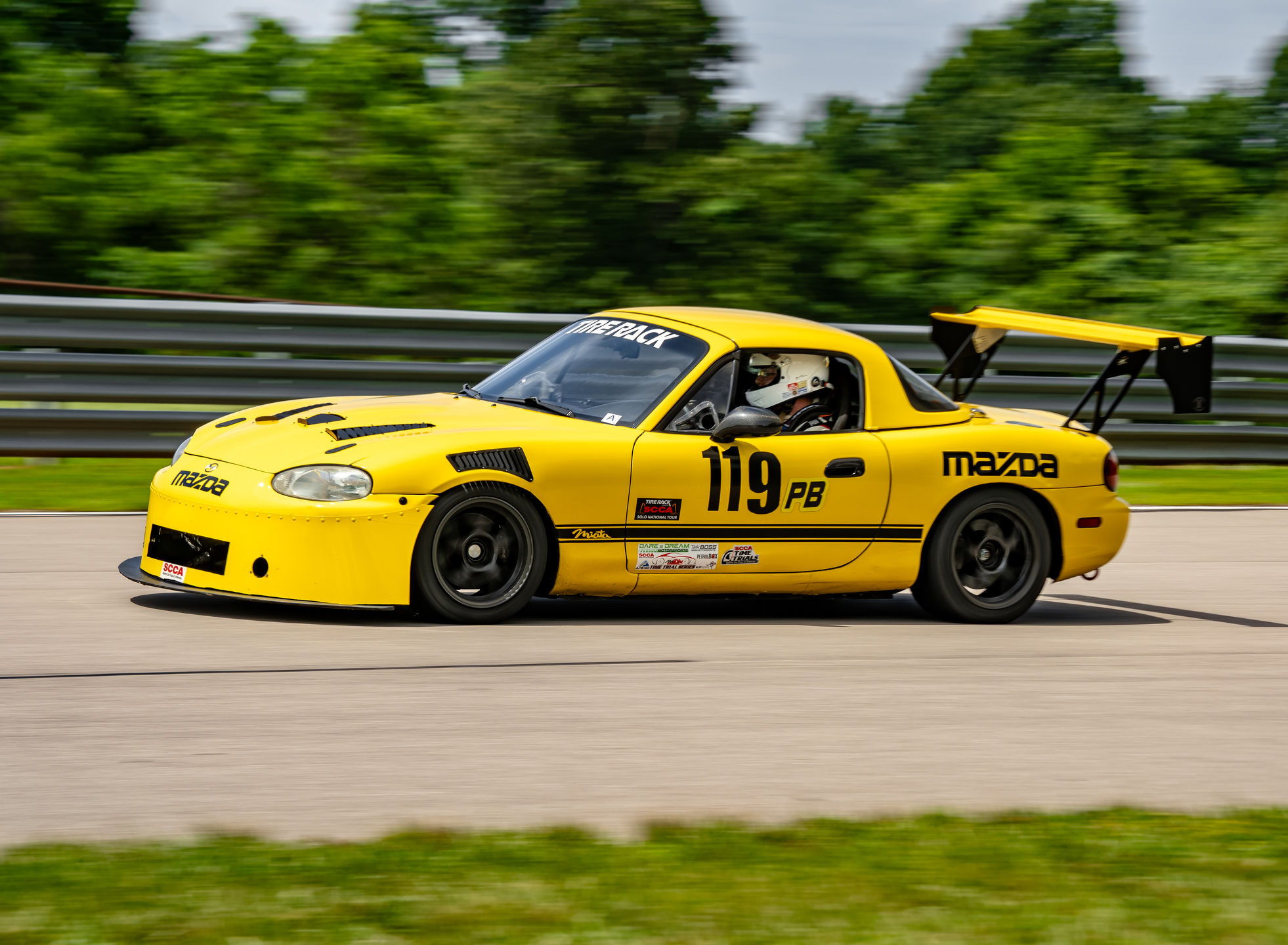
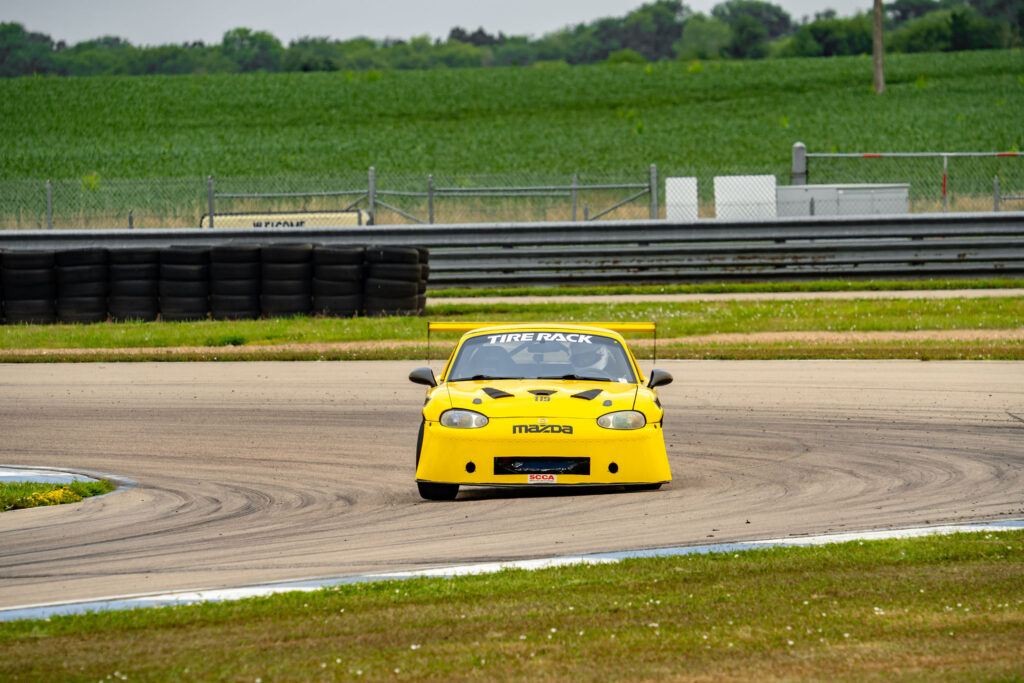
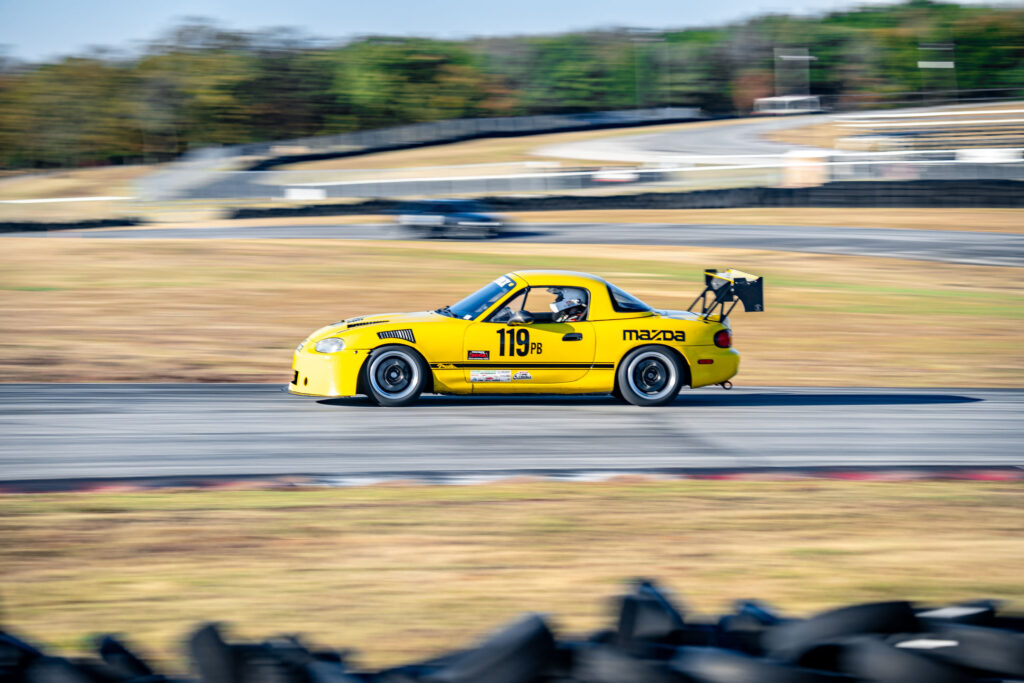
The August event at Motorsports Park Hastings (MPH) provided the most definitive data on the car’s competitive standing. Participating in the SCCA Time Trials, the Miata led every session in its class. The fastest lap of 1:39.19 represented a 3.59-second improvement over the previous year.
For context, this time outperformed the NASA Spec Miata track record (1:40.415) and the NASA TT6 record (1:39.625). While it did not reach the NASA TT5 record of 1:34.110, the car’s performance placed it firmly in the upper echelon of its classing, validating the cumulative effect of the suspension, braking, and aerodynamic modifications.
Logistical Evolution: The Truck and Trailer System
The latter half of 2024 was defined by the development of a self-contained racing ecosystem. The acquisition of a pickup truck and an 18-foot open car hauler shifted the focus from purely mechanical car upgrades to logistical efficiency.
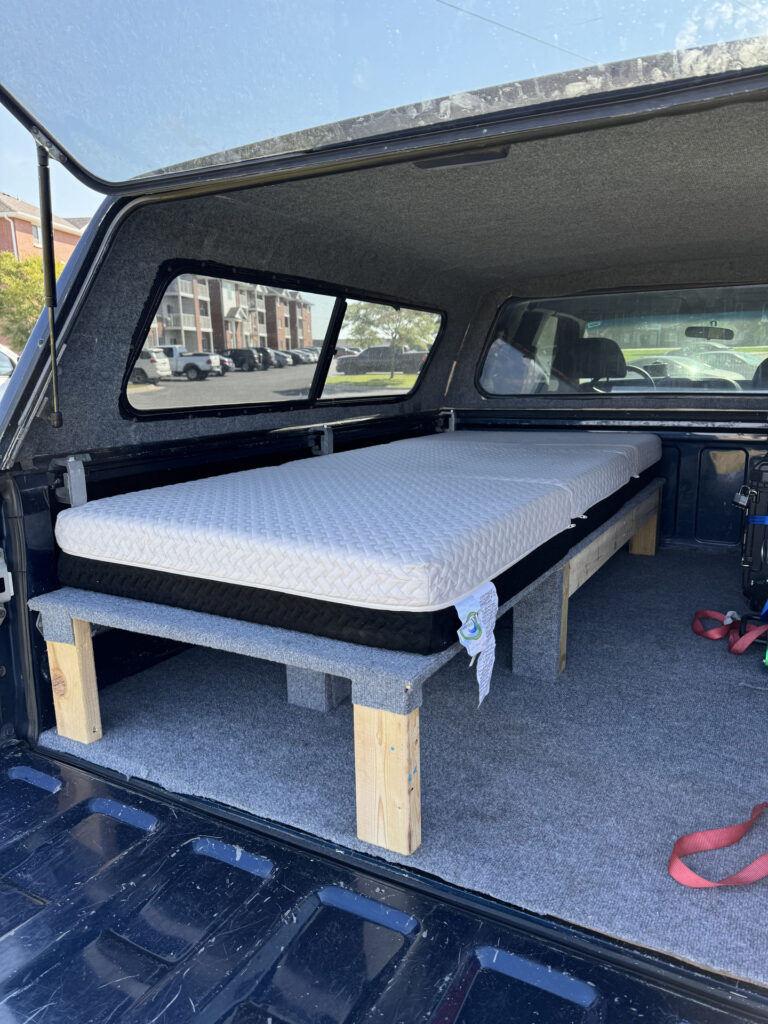
The truck was outfitted with a color-matched camper shell and a custom-built sleeping platform. This "truck bed camping" setup included a trifold memory foam mattress, a MaxxFan Deluxe RV roof vent for climate control, and solar panels to maintain auxiliary battery levels. This transition significantly reduced the time and physical toll associated with traditional tent camping at the track.
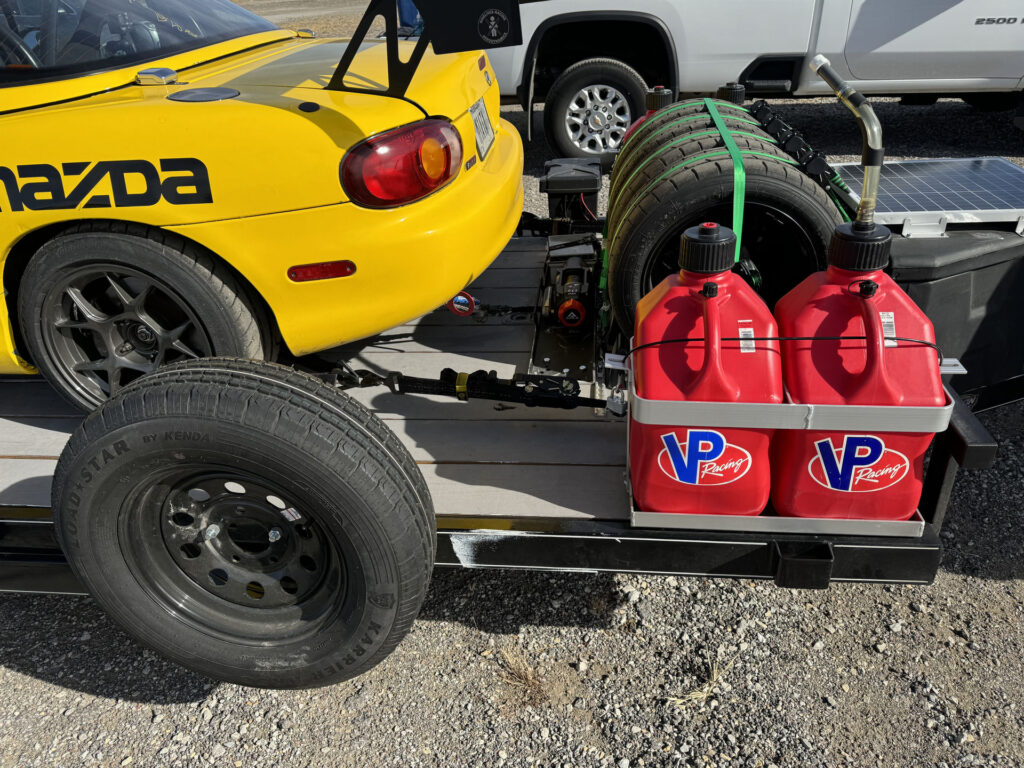
The trailer underwent a series of professional-grade modifications between July and October, including:
- Installation of an electric winch for non-running vehicle recovery.
- A front-mounted tongue box for tool and strap storage.
- The addition of a full-size spare tire.
- Upgraded LED lighting and a wireless backup camera for safer transit.
- Customized tie-down points (E-track) for secure vehicle positioning.
One noted challenge was the fixed dovetail angle of the trailer, which proved problematic for the low ground clearance of the Miata. This necessitated the use of wooden ramps to prevent the frame rails and front splitter from scraping during loading, a common hurdle in the transport of track-optimized vehicles.
Final Competitive Rounds and Technical Post-Mortems
In November 2024, the vehicle returned to Hallett Motor Racing Circuit for the SCCA Time Trials. The event utilized both clockwise and counter-clockwise configurations on the same day, testing the driver’s adaptability. Despite heavily worn tires and rear-wheel lockup issues that led to flat-spotting, the vehicle remained competitive, securing first-place finishes in several sessions.
The winter months were dedicated to diagnostic work. In December, the failed VVT motor was disassembled. The inspection revealed no catastrophic failure; the head gasket leak was likely caused by microscopic surface imperfections. This led to a strategic decision to postpone the VVT re-installation in favor of the reliable BP4W, while exploring the use of sealing agents like Hylomar and professional cylinder head skimming for future builds.
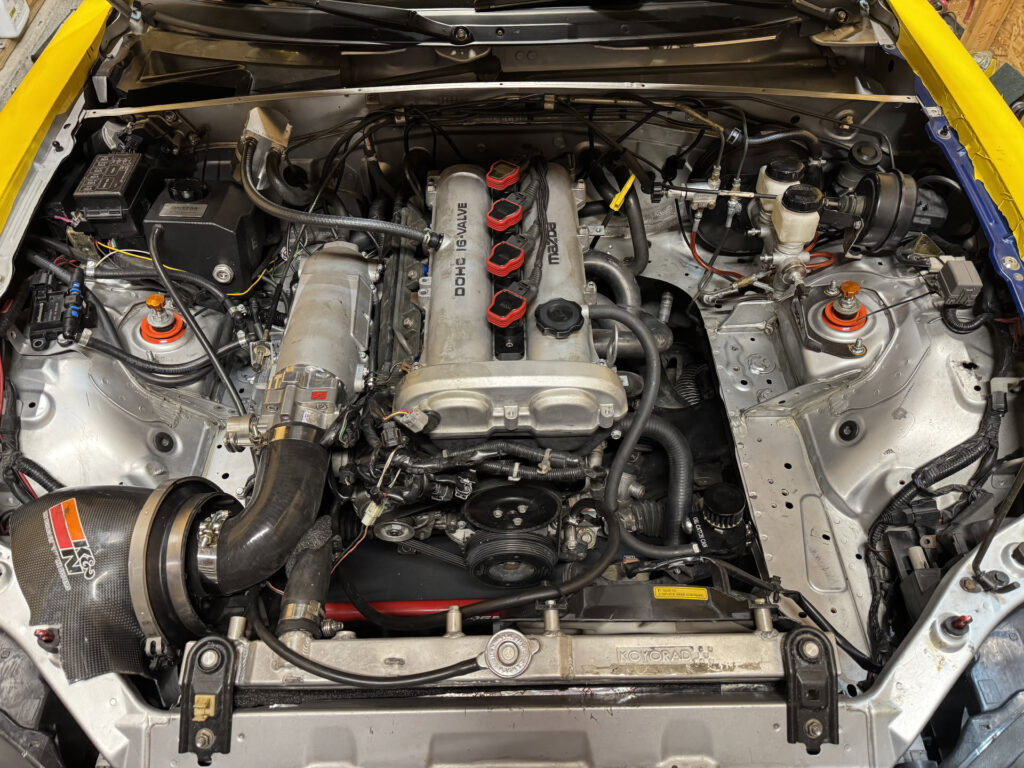
In January 2025, a Skunk2 intake manifold was installed. While the "Squaretop" manifold previously used is highly efficient, the Skunk2 unit is designed to optimize airflow at high RPMs (above 7,000). For a vehicle that spends the majority of its life at the top of the tachometer, even a marginal gain of 1 to 4 wheel horsepower can be decisive in a time trial environment.
Communication and Telemetry
The final upgrade of the year, implemented in February 2025, was the installation of a GMRS (General Mobile Radio Service) communication system. Utilizing a Baofeng UV-5R radio hard-wired to the car’s 12V system and a NASCAR-style helmet harness, the system allowed for real-time communication between the driver and the pit crew.
In the context of time trials, where drivers often have no awareness of their standing relative to competitors while on track, this communication is vital. It allows the pit crew to relay live timing data, enabling the driver to decide whether to push for a faster lap or "cool down" to preserve tires and fuel.
Conclusion: Metrics of a Four-Year Development Cycle
The fourth year of ownership concluded with the vehicle having completed 392 laps in 2024, totaling 12.1 hours of track time across 16 separate days. Lifetime telemetry from the Garmin Catalyst indicates a total of 1,023 laps and 34.6 hours of track driving.
The data suggests a clear trend: as the vehicle becomes more specialized for track use, its utility in other disciplines like autocross diminishes. The owner’s decision to cease autocross participation reflects a broader movement within the hobby toward high-speed circuit racing, where the Miata’s chassis dynamics can be more fully exploited.
As the car enters its fifth year, the focus remains on incremental gains. The transition from a street-driven car with track capabilities to a trailered, dedicated racing machine represents a significant milestone in the lifecycle of a grassroots project. The documentation of this process provides a blueprint for other enthusiasts, emphasizing that performance is found not just in the engine bay, but in the synergy of thermal management, logistics, and data-driven driver development.