Hartono Sudibyo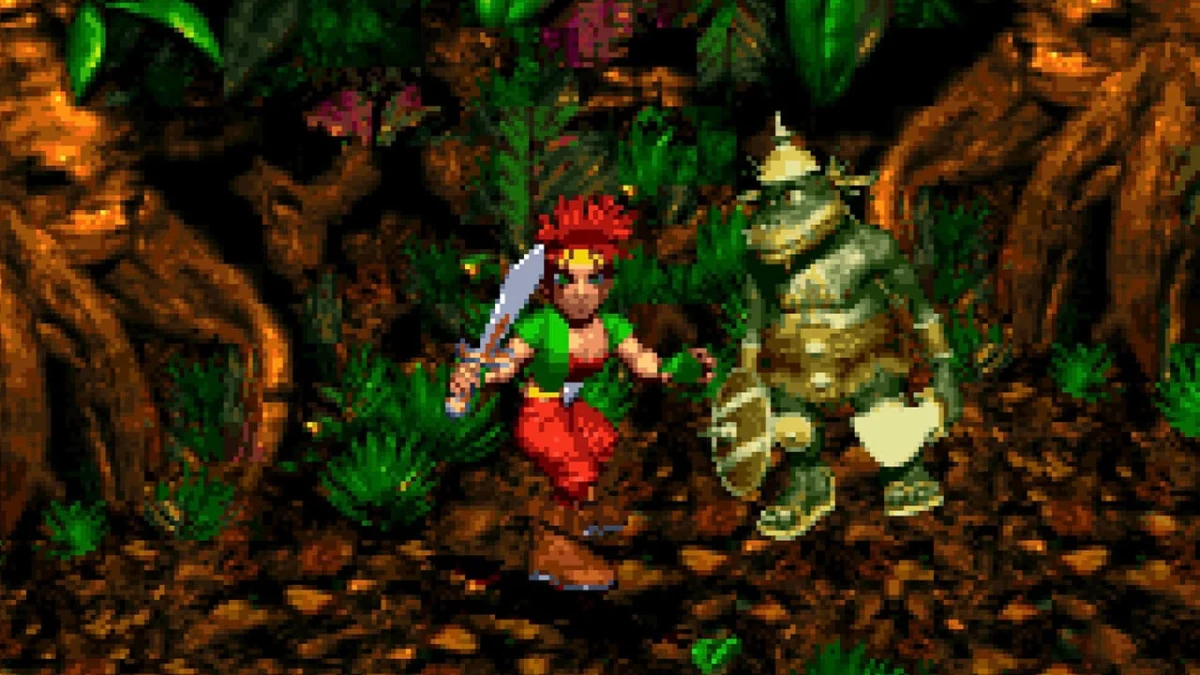
A rare and long-hidden Super Nintendo Entertainment System (SNES) proof-of-concept prototype for Project Dream—the direct conceptual precursor to the beloved Nintendo 64 classic Banjo-Kazooie—has been leaked and published to the Internet Archive by a pseudonymous user known as FvckAsha&Phil. The alpha build offers unprecedented insight into the early development stages of one of the 1990s’ most iconic platforming franchises, showcasing a visual and mechanical style heavily reminiscent of Donkey Kong Country featuring a human female protagonist rather than the titular bear and bird duo.
The release of the prototype marks a significant milestone in video game history and digital archaeology. For decades, rumors surrounding Rareware’s early conceptualization of Project Dream on 16-bit hardware have circulated within retro gaming communities. Now, enthusiasts, historians, and developers have open access to a playable artifact that demonstrates how Rare transitioned from SNES development to 3D polygon platforms on Nintendo’s subsequent console hardware.
Main Facts and Discovery of the Prototype
The newly surfaced archive contains a functional SNES ROM file comprising four distinct playable levels, which can be navigated sequentially using the Tab key. Operating primarily as a functional showreel or vertical slice of early design concepts, the build highlights the technical capabilities and artistic direction Rareware intended to pursue before shifting the project’s scope.
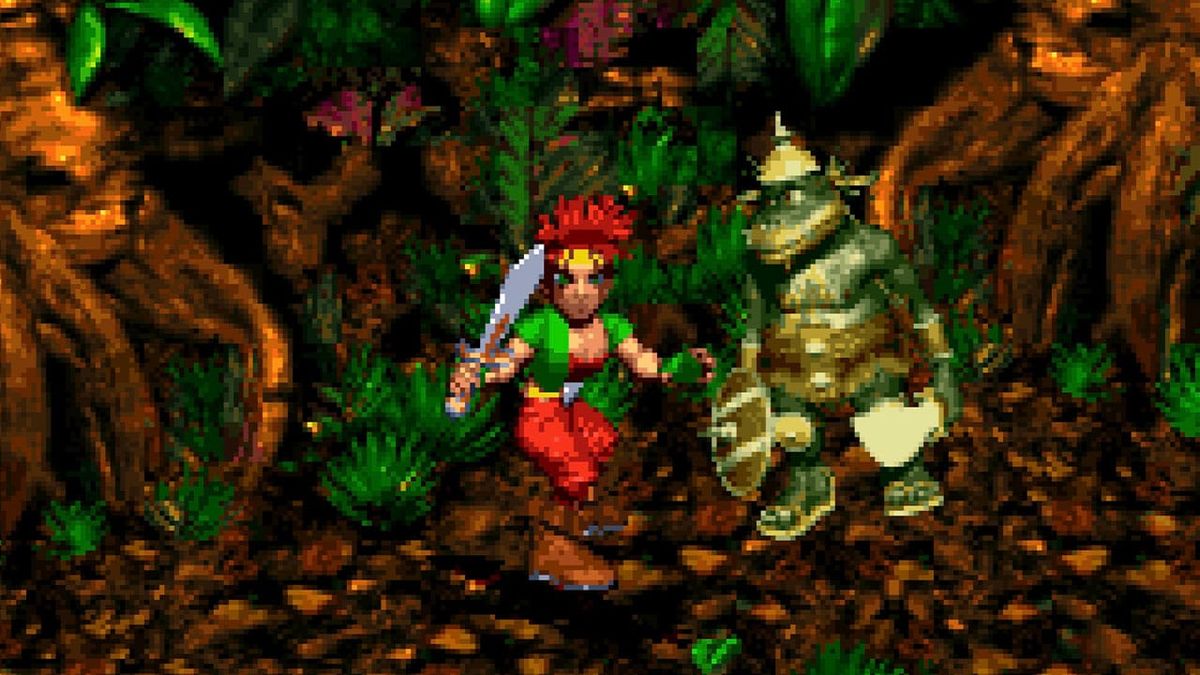
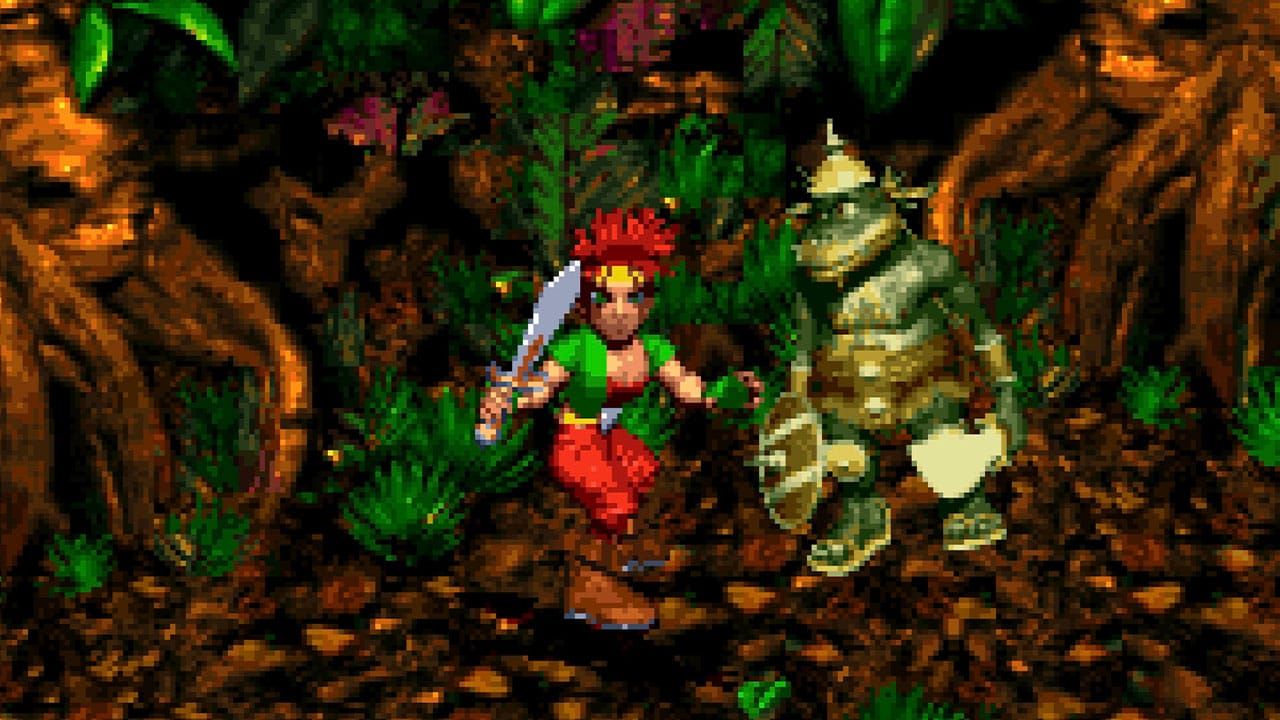
Visually, the prototype features lush, pre-rendered 2D sprite graphics similar to the aesthetic popularized by Donkey Kong Country (1994). The central character is a sword-wielding female protagonist accompanied by a canine companion, navigating jungle and fantasy-themed environments. While mechanics and level design elements differ substantially from the final Banjo-Kazooie game released on the Nintendo 64 in 1998, stylistic DNA connecting Project Dream to Rare’s later output remains clearly visible.
According to accompanying documentation released alongside the ROM, the leaker obtained the file through a private chain of collectors who guarded the asset for years. The decision to finally publish the software was motivated by a desire to preserve video game history against what the uploader describes as industry-wide trends toward anti-preservation, widespread corporate layoffs, and the integration of artificial intelligence tools in game development.
Historical Context and Chronology of Project Dream
To understand the significance of the Project Dream prototype, it is necessary to examine Rareware’s trajectory during the mid-1990s, a period defined by rapid technological shifts in the console gaming market.
In the early development phases following the massive commercial and critical success of Donkey Kong Country, Rare began conceptualizing a grand fantasy adventure game intended for the Super Nintendo Entertainment System. Initially titled Project Dream, the game centered on a young boy named Edison who encountered pirates and magical creatures.

As development progressed and hardware technology advanced, Rare received development kits for Nintendo’s upcoming 64-bit console, then known as Project Reality and later released as the Nintendo 64. Recognizing the limitations of the SNES hardware in realizing their 3D ambitions, the development team transitioned Project Dream from a 2D isometric and platforming concept on 16-bit architecture to a fully 3D engine.
During this iterative transition, the protagonist evolved from a human character into an animal duo. The human boy was eventually replaced by Banjo the honey bear, and later joined by Kazooie the breegull, transforming the project into a collect-a-thon platformer. The original Project Dream codebase for the SNES was largely shelved, leaving behind only promotional screenshots, magazine previews, and developer anecdotes until the recent appearance of this alpha build.
Industry Implications and Digital Preservation
The leak has reignited discussions among gaming historians, legal experts, and developers regarding the preservation of unreleased software and abandoned intellectual property. Video game preservation advocates frequently argue that corporate neglect and aggressive copyright enforcement lead to the permanent loss of culturally significant digital artifacts.
While unauthorized leaks of proprietary code occupy a legally ambiguous space under international copyright law, prominent preservation organizations, such as the Video Game History Foundation, have long maintained that the lack of official archiving channels leaves preservation dependent on private collectors and underground communities. Major publishers rarely make early developmental prototypes publicly available, meaning significant chapters of interactive entertainment history remain locked away on aging physical media subject to magnetic degradation and hardware failure.
Furthermore, the release statement published by FvckAsha&Phil criticized modern corporate practices within the video game industry, citing labor reductions, anti-consumer hardware policies, and shifting corporate priorities among major tech conglomerates like Microsoft, which acquired Rare in 2002. The uploader explicitly called upon other private collectors holding unreleased Rareware or general retro prototypes to follow suit and deposit their assets into public archives before they are lost to time.
Reactions and Ongoing Technical Analysis
Since the release of the ROM on the Internet Archive, retro gaming enthusiasts and emulator developers have begun dissecting the code to understand its inner workings. Community-led analysis has focused on mapping the engine architecture, examining the collision detection systems, and comparing the asset pipelines to known SNES development kits utilized by Rare during the mid-1990s.
While official representatives from Microsoft and Rare have not issued public statements regarding the leak, industry observers note that the historical value of the find outweighs its commercial impact, given that the software represents an abandoned concept from a hardware generation superseded nearly thirty years ago.
As digital archivists continue to mirror the files across multiple platforms to ensure long-term availability, the Project Dream SNES prototype stands as a tangible reminder of the complex evolutionary paths behind iconic video game franchises. The public release ensures that future generations of players and researchers can study the foundational steps of a studio that helped shape the golden era of 16-bit and 64-bit console gaming.