Cecilia Chamidah Nur
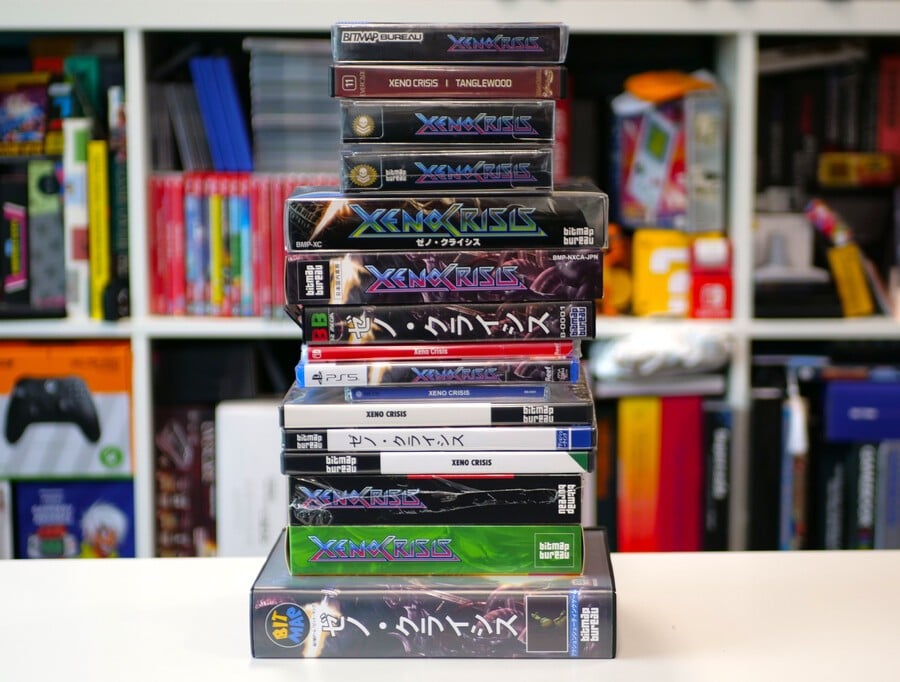
The UK-based independent game development studio, Bitmap Bureau, is poised to commemorate a significant milestone in 2026: a decade of operation in the dynamic and often challenging video game industry. This anniversary arrives amidst a period of notable success for the company, following the acclaimed release of Terminator 2D: No Fate and in anticipation of its next major title, He-Man: Dragon Pearl of Destruction. Further solidifying its legacy, the studio’s breakthrough hit, Xeno Crisis, is receiving new physical editions across Nintendo Switch, PlayStation, and Xbox platforms, underscoring its enduring popularity and the studio’s commitment to its foundational intellectual property.
In a recent interview, Mike Tucker, co-founder and design director of Bitmap Bureau, reflected on the journey that has seen the studio evolve from a compact team focused on niche retro experiences to a prominent developer tackling major licensed properties. His insights offer a comprehensive look into the studio’s past achievements, present endeavors, and ambitious future trajectory, all while maintaining a steadfast dedication to its core principles of pixel art and retro gaming sensibilities.
A Decade of Dedication: Bitmap Bureau’s Evolution
Established in 2016, Bitmap Bureau’s journey through the independent game development landscape has been marked by both strategic growth and a consistent adherence to a distinct creative vision. What began as a small outfit, driven by a passion for classic 16-bit era gaming, has blossomed into a recognized entity capable of managing larger-scale projects and securing partnerships with major intellectual property holders.
Tucker acknowledged the transformative nature of the past ten years, stating, "It’s been quite a ride, but it’s great to see the studio expanding and flourishing, and being able to offer permanent employment to a number of people." This growth is not merely anecdotal; it is reflected in the scale of their productions. While approximately five individuals collaborated on the development of their seminal title, Xeno Crisis, more recent projects like Terminator 2D: No Fate and the upcoming He-Man: Dragon Pearl of Destruction have seen teams ranging from 20 to 30 people contributing in various capacities. This expansion signals a maturation of the studio’s operational capabilities, allowing for more complex game designs and larger asset pipelines, a common trajectory for successful independent studios transitioning to mid-tier development.
Despite this considerable growth in team size and project complexity, Tucker emphasized the studio’s unwavering commitment to its foundational ethos. "I’ll always continue to make games in my own way, though (whilst people want to play them!), and we’re still as committed to developing and porting to retro systems as we ever were," he asserted. This dedication to retro gaming, particularly to platforms like the Sega Mega Drive (Genesis in North America), has not only defined Bitmap Bureau’s aesthetic but has also become a strategic cornerstone of its identity. The studio’s focus on pixel art and classic gameplay mechanics has tapped into a burgeoning market of nostalgic players and new enthusiasts drawn to the timeless appeal and often challenging nature of retro-inspired titles. This niche focus has allowed them to carve out a unique space in an increasingly crowded industry, proving that authenticity to a particular style can be a powerful differentiator.
The indie game sector itself has undergone significant shifts in the last decade, with digital distribution platforms lowering entry barriers while simultaneously increasing competition. Bitmap Bureau’s ability to not only survive but thrive in this environment speaks to its adaptive business model and the quality of its output. Their success reflects a broader trend within the gaming industry where independent studios, once relegated to niche markets, are now capable of producing high-quality games that rival, and sometimes surpass, offerings from larger publishers, especially within specific genres or artistic styles.
Xeno Crisis: A Pillar of Retro Revival
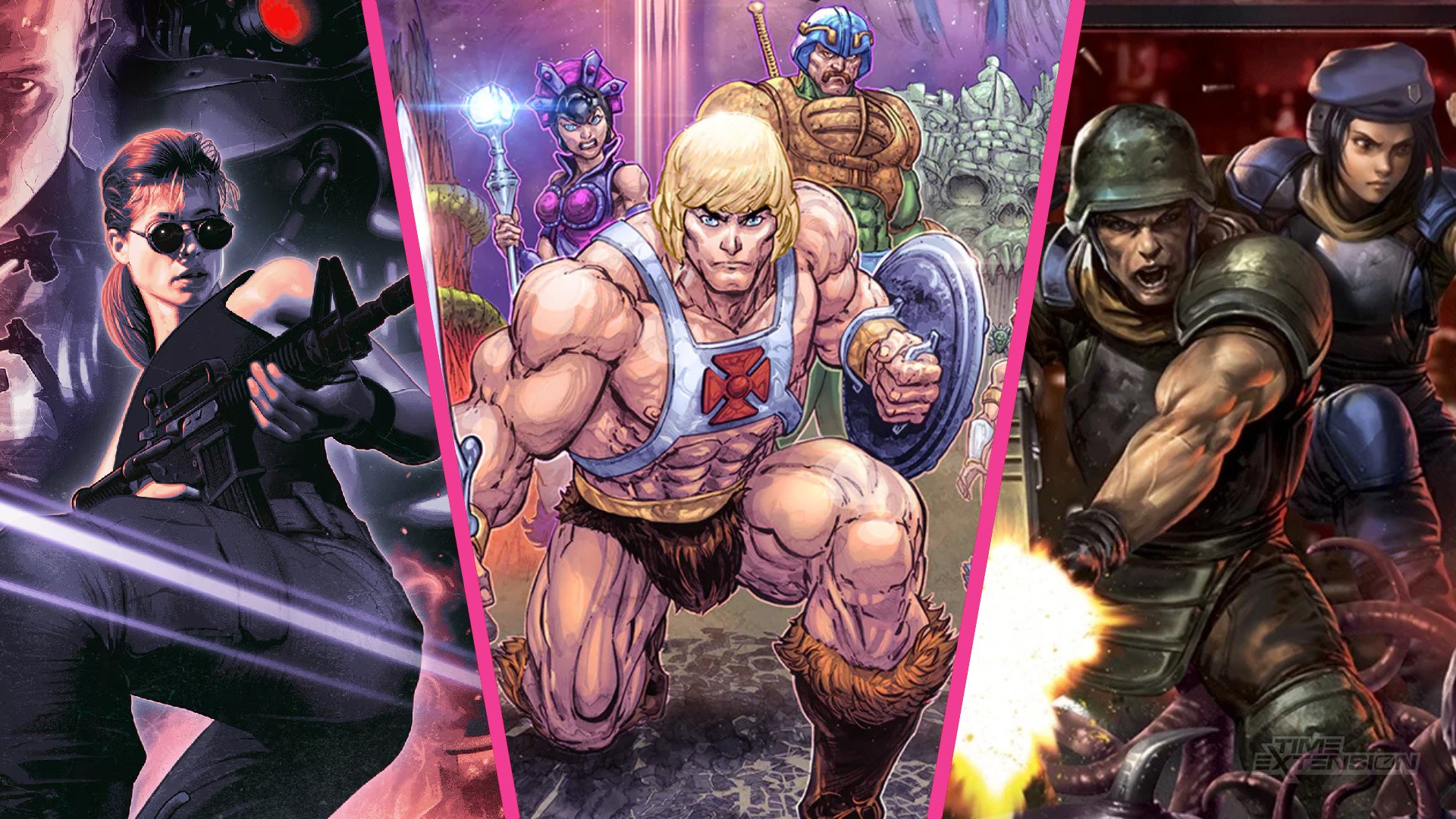
Among Bitmap Bureau’s catalogue, Xeno Crisis stands out as arguably its most iconic and widely recognized title. Released initially for the Sega Mega Drive in 2019 after a successful Kickstarter campaign, it quickly garnered critical acclaim for its polished twin-stick shooter gameplay, meticulously crafted pixel art, and engaging challenge. Tucker views Xeno Crisis as a benchmark achievement for the studio, stating, "I’d like to think that we really raised the bar for ‘homebrew’ retro titles with Xeno Crisis, and we aimed to make every aspect of the game as polished as we could (within 4 megabytes!), from the art to the sound to the game design."
The game’s development was a labor of love for a team deeply rooted in the Mega Drive’s legacy. Its success highlighted the enduring appeal of the 16-bit era and demonstrated that new games could still be created for, and successfully launched on, vintage hardware. This "homebrew" context is crucial, as it refers to games developed by independent enthusiasts for older, often discontinued, systems. Xeno Crisis distinguished itself by achieving a level of polish and commercial viability rarely seen in this sphere, effectively bridging the gap between hobbyist creation and professional product.
Beyond its original Mega Drive release, Xeno Crisis has embarked on an ambitious journey of multi-platform porting, becoming a case study in how a focused retro title can achieve broad market penetration. Its availability across a wide array of modern systems, including Nintendo Switch, PlayStation 4/5, Xbox One/Series X|S, and PC, has ensured its accessibility to a diverse audience. This strategy of continuous porting is a testament to the game’s inherent quality and Bitmap Bureau’s commitment to maximizing its reach. The game’s robust design has proven adaptable across various hardware configurations, maintaining its core appeal regardless of the platform.
Looking ahead, the studio is far from done with its most famous creation. Tucker confirmed an original PlayStation port is "ready to go," albeit facing technical hurdles related to CD duplication that would allow it to run on unmodded consoles. This detail underscores the unique challenges and dedication involved in developing for genuinely retro systems. Furthermore, he teased "a few other ports in the works" that remain undisclosed, signaling a sustained effort to bring Xeno Crisis to even more platforms. The long-term vision for the IP also includes preliminary work on Xeno Crisis 2, indicating the studio’s confidence in the franchise’s potential and its desire to evolve its own creations. This strategy of nurturing original IP alongside licensed projects provides a balanced portfolio for the studio, ensuring creative freedom and sustained revenue streams.
Navigating Iconic Franchises: Terminator and He-Man
Bitmap Bureau’s recent ventures into major licensed intellectual properties, namely Terminator 2D: No Fate and the upcoming He-Man: Dragon Pearl of Destruction, represent a significant leap for the studio. These projects not only elevate their profile but also demonstrate their capability to interpret and deliver on beloved franchises while retaining their distinct artistic signature.
Terminator 2D: No Fate emerged from an unexpected approach by Reef Entertainment, offering Bitmap Bureau the opportunity to work on the iconic Terminator 2: Judgment Day license. Tucker described it as an "opportunity we just couldn’t turn down," despite the inherent challenges of developing a game based on a film with a complex legacy of adaptations. Many previous Terminator games have struggled to capture the essence of the films, a pitfall Bitmap Bureau aimed to avoid.
A highlight for Tucker was the creative freedom afforded within certain parameters, particularly in elevating the role of Sarah Connor. "Being able to build the game largely around Sarah Connor, as although she is undoubtedly one of the most bad-ass movie heroines, she didn’t play much of a role in previous T2 titles," he noted. This decision allowed the studio to expand on a character often relegated to a supporting role in video game adaptations. Additionally, crafting various Future War scenarios for John Connor provided an avenue for creative expansion beyond the film’s brief glimpses, allowing artists like Henk Nieborg to bring these moments to life in pixel art.
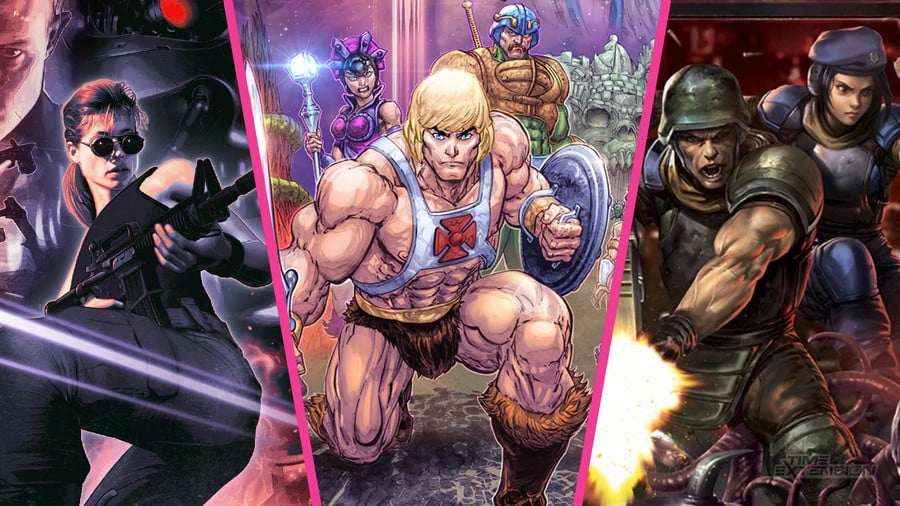
However, working with a major movie franchise also presented specific constraints. Tucker candidly acknowledged, "your hands are somewhat tied in that, for the most part, you need to stick to the movie’s storyline and flow, and you need to shoehorn in iconic scenes." This often necessitates building gameplay around existing narrative beats rather than designing from a blank slate, a common challenge in licensed game development. Despite these limitations, the quality of the source material provided a strong foundation, and the team enjoyed bringing its characters and scenes to a new interactive format. The game’s positive reception suggests a successful navigation of these inherent tensions.
The upcoming He-Man: Dragon Pearl of Destruction is another dream project for Tucker, fueled by a childhood obsession with Masters of the Universe. The timing of its release aligns fortuitously with a broader resurgence of the He-Man franchise, including new animated series and an eagerly anticipated Hollywood movie, adding to its cultural relevance. The project originated from Limited Run Games, a publisher renowned for its physical releases of digital and retro games, and Mattel, the IP owner. This partnership highlights the growing synergy between indie developers, specialist publishers, and major brand holders seeking to leverage the retro aesthetic for new products.
Inspired by classic beat-’em-up titles like Golden Axe, Knights of the Round, Shadow Over Mystara, and Guardian Heroes, Bitmap Bureau envisioned a game that would pay homage to the genre while adding its unique stamp. The beat-’em-up genre has experienced a significant revival in recent years, propelled by critically acclaimed titles like Streets of Rage 4 and Teenage Mutant Ninja Turtles: Shredder’s Revenge. In this competitive landscape, He-Man: Dragon Pearl of Destruction aims to distinguish itself through "interesting mechanics, plenty of potential for crazy combos," and the rich, vibrant world of Masters of the Universe. The game is positioned to capitalize on both the genre’s renewed popularity and the enduring appeal of the He-Man IP, appealing to both seasoned fans and newcomers.
The pressure of handling such beloved properties is immense, requiring a delicate balance between fan service and accessibility for new players. Tucker articulated this challenge: "giving enough lore and easter eggs for fans to enjoy whilst also creating accessible games that newcomers can jump into and enjoy even if they aren’t too familiar with the source material." This dual approach is critical for the commercial success and cultural longevity of licensed games, as they must resonate with existing communities while simultaneously expanding their reach.
The Human Element in a Digital Age: Stance on GenAI
In an era where Artificial Intelligence (AI) and Generative AI (GenAI) are increasingly central to discussions across creative industries, Bitmap Bureau has taken a firm and principled stand. Mike Tucker expressed a vehement opposition to the use of GenAI in their development processes, declaring, "I’m vehemently against GenAI and flat-out refuse to use it in what we do – it feels like intellectual theft and might also deny someone a job, neither of which sits right with me."
This stance is particularly significant given Bitmap Bureau’s specialization in hand-drawn 2D pixel art, a craft-intensive process that stands in stark contrast to AI-generated assets. The debate surrounding GenAI in game development is multifaceted, encompassing ethical concerns about data sourcing (often from copyrighted works without permission or compensation), the potential for job displacement among artists, and questions about artistic integrity and originality. Many artists and developers share Tucker’s concerns, viewing AI-generated content as a form of appropriation that undermines human creativity and labor.
Tucker’s perspective underscores a commitment to traditional artistic methods and the value of human craftsmanship. He articulated a broader philosophical concern: "It’ll be a sad day when humans no longer create anything and defer it all to AI, but I’m hoping that’s a long way off." This position aligns Bitmap Bureau with a segment of the industry that champions human artistry and ethical development practices, potentially attracting players and collaborators who share similar values. In a landscape where AI tools are becoming more prevalent, Bitmap Bureau’s explicit rejection of GenAI serves as a powerful statement about their identity and their vision for the future of game creation.
Looking Ahead: The Next Decade for Bitmap Bureau
As Bitmap Bureau looks towards its next ten years, Mike Tucker outlined a vision that balances continuity with ambitious expansion. The studio aims to explore new creative territories while reinforcing its existing strengths.
One key aspiration is to "try some genres that really push our limits, perhaps even a foray into the world of 3D." This would represent a significant departure from their established 2D pixel art style, requiring new skill sets and potentially a re-evaluation of their technical pipelines. A successful transition into 3D could broaden their appeal and open up new design possibilities, while still potentially retaining their distinctive visual flair or design philosophy. Concurrently, their dedicated retro team is expected to "continue to port our games to every platform under the sun," ensuring that their existing and future titles reach the widest possible audience across both modern and legacy systems.
Tucker also expressed a desire to continue working on "amazing movie and cartoon franchises," acknowledging the unique opportunities and challenges these projects bring. However, he emphasized an equally strong drive to "create a few more original titles, particularly one which I can say I’m 100% satisfied with – we’ve been close on a few occasions, but I know we can still improve!" This pursuit of ultimate creative satisfaction speaks to the inherent drive of game developers to perfect their craft and leave a lasting mark with their original creations. The potential for Xeno Crisis 2 already hints at this commitment to evolving their own IPs.
Beyond the games themselves, Tucker’s vision extends to the human element of the studio. "Most importantly, though, I hope that we continue to offer opportunities to people all around the world and from all walks of life," he stated. This focus on fostering a diverse and inclusive work environment reflects a modern, progressive approach to studio management. The practical aspiration of moving into "larger premises in the near future with carpet and air conditioning!" further underscores a commitment to improving working conditions and cultivating a positive, supportive atmosphere for their growing team.
Bitmap Bureau’s first decade has been a remarkable journey of growth, innovation, and unwavering commitment to a distinct artistic vision. From raising the bar for retro homebrew with Xeno Crisis to successfully navigating the complexities of major licensed properties like Terminator and He-Man, the studio has carved a significant niche in the video game industry. With a clear ethical stance on AI and a forward-looking strategy that embraces both new genres and continued dedication to its retro roots, Bitmap Bureau appears well-positioned for another decade of impactful contributions to the world of interactive entertainment.