Cecilia Chamidah Nur
Sonic the Hedgehog stands as one of the most universally recognizable characters in popular entertainment, a cultural phenomenon whose global fame is rivaled only by figures such as Nintendo’s Mario and Disney’s Mickey Mouse. Yet, it remains striking to recall a period preceding the character’s existence and to have witnessed firsthand his meteoric ascent to superstardom, an event that reshaped the competitive landscape of the video game industry. His debut in 1991 strategically targeted a burgeoning demographic of young gamers, many of whom were already avid fans of Sega’s Japanese Mega Drive console, and who, like millions globally, were captivated by the initial glimpses of the game in leading publications.
The Pre-Sonic Landscape: Sega’s Quest for a Mascot
Prior to Sonic’s arrival, the 16-bit console market was heavily dominated by Nintendo, whose Super Mario Bros. series had established the gold standard for 2D platforming. Sega’s Mega Drive (known as the Genesis in North America), while technically capable and home to a growing library of acclaimed titles, conspicuously lacked a universally appealing mascot that could directly challenge Nintendo’s plumber. Earlier attempts, such as Alex Kidd in the Enchanted Castle, failed to resonate broadly enough, falling short of the critical and commercial impact required to define a console generation. While titles like Magical Flying Hat Turbo Adventure and Castle of Illusion starring Mickey Mouse offered enjoyable platforming experiences, they frequently faced comparisons to Nintendo’s offerings, such as the critically lauded Super Mario Bros. 3, often being perceived as technically inferior or less innovative. This strategic void underscored Sega’s urgent need for a character that could embody the console’s distinct identity and serve as its flagship title.
Sega’s ambition was not merely to compete but to differentiate. The company sought to position the Mega Drive as the "cooler," more technologically advanced alternative to Nintendo’s family-friendly image. This ethos required a mascot that exuded speed, attitude, and an edgy appeal—qualities distinct from Mario’s whimsical charm. The internal mandate was clear: create a character and a game that could leverage the Mega Drive’s hardware capabilities, specifically its faster processor, to deliver an experience unlike anything seen before. This period of intense competition, often dubbed the "Console Wars," provided the perfect crucible for the birth of a gaming icon.
Conception and Development: Crafting the Blue Blur
The development of Sonic the Hedgehog began in earnest within Sega’s newly formed AM8 division, later renamed Sonic Team. The project was spearheaded by programmer Yuji Naka, character designer Naoto Ohshima, and game designer Hirokazu Yasuhara. Their objective was ambitious: to create a character that could rival Mario in recognition and a game that could outpace him in excitement. The core concept revolved around speed, a direct contrast to the methodical platforming prevalent in many contemporary titles. Ohshima’s initial character sketches explored various animal concepts, eventually settling on a hedgehog—an animal known for rolling into a ball and its potential for speed. This led to Sonic’s distinctive blue color, a nod to Sega’s corporate logo, and his iconic, defiant attitude.
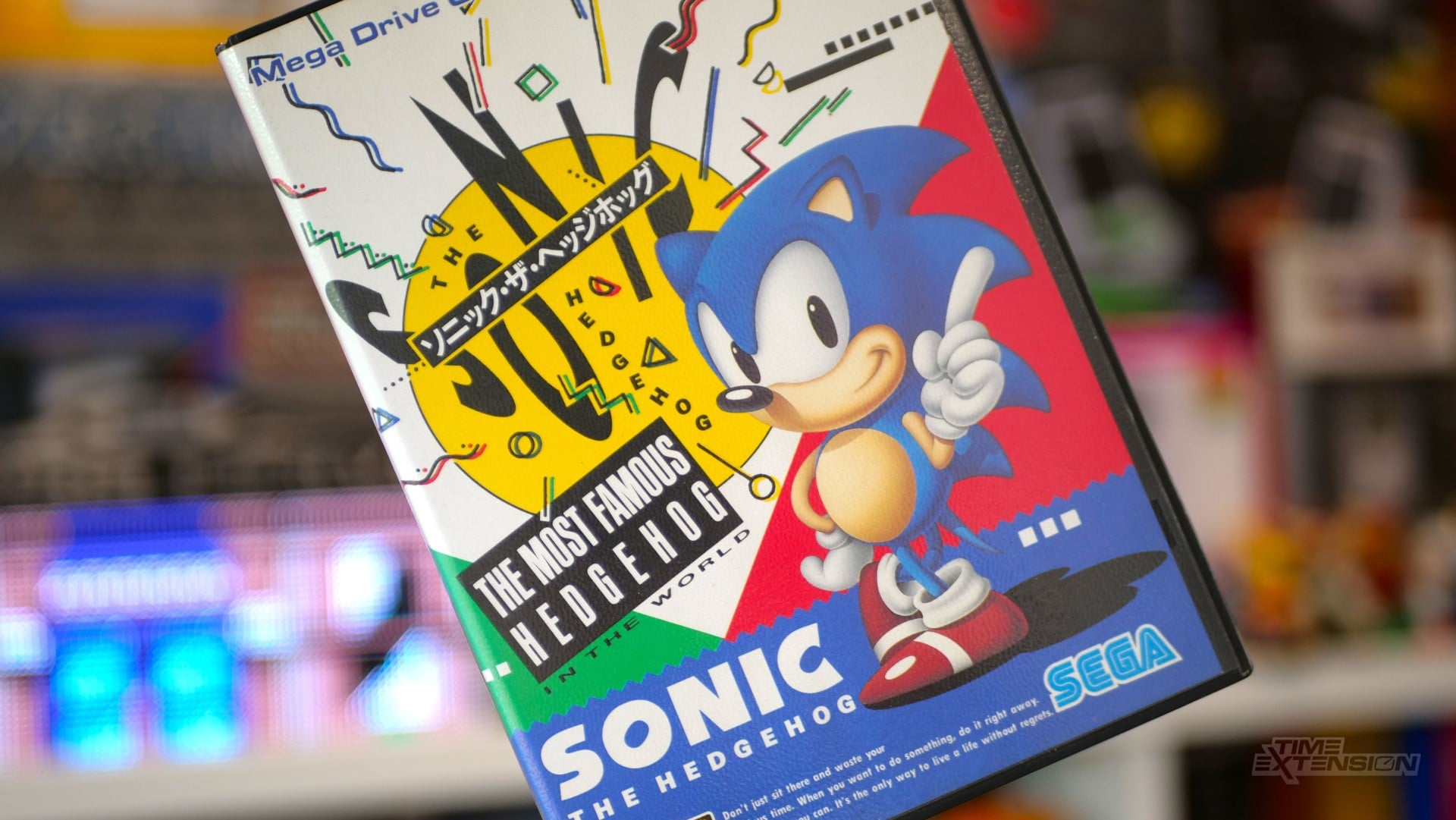
Technically, the game pushed the Mega Drive to its limits. Yuji Naka developed innovative programming techniques to achieve the game’s blistering pace and smooth animation, including a specialized routine for rendering the game’s curved slopes and loop-de-loops, which became a signature element. The vibrant, multi-layered parallax scrolling provided an unprecedented sense of depth, creating visuals that were, for their time, considered revolutionary on home consoles. Masato Nakamura, bassist for the Japanese band Dreams Come True, composed the memorable soundtrack, whose catchy melodies and energetic rhythms perfectly complemented the fast-paced gameplay, imbuding the game with an immediate and lasting identity. The development team aimed for a game that was not just technically impressive but also intuitively fun, rewarding players for exploring levels at high velocity rather than cautious progression.
The Marketing Blitz and Unprecedented Hype
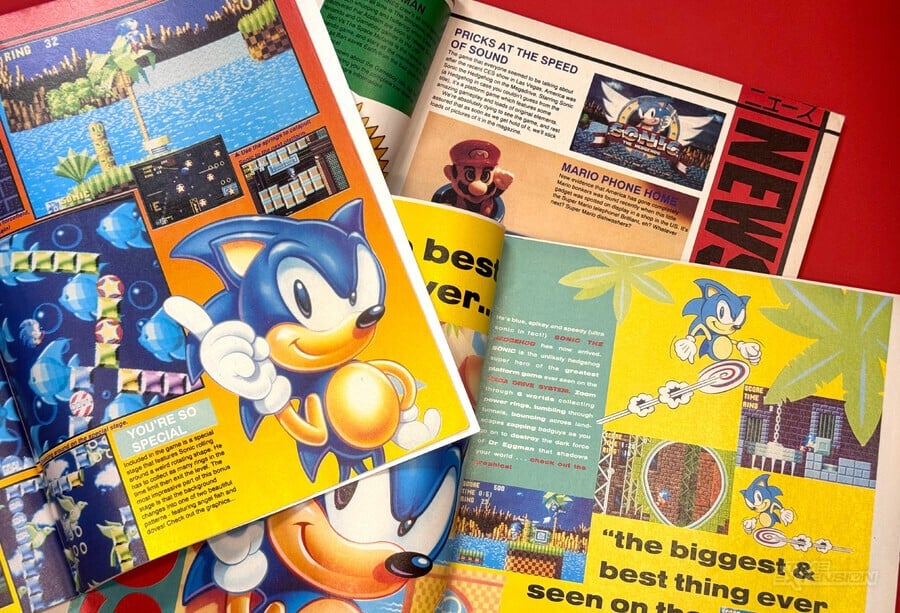
The build-up to Sonic’s release was a masterclass in pre-launch marketing. Sega understood the need to generate immense anticipation to challenge Nintendo’s entrenched dominance. Screenshots of Sonic the Hedgehog began appearing in gaming magazines well in advance of its launch, instantly capturing the imagination of the gaming public. Publications like the UK’s Mean Machines magazine played a pivotal role, dedicating extensive coverage to the enigmatic new character and its groundbreaking visuals. These early previews highlighted the game’s vibrant aesthetics, the lightning-fast gameplay, and Sonic’s distinctive "attitude," signaling a significant departure from the more traditional platformers of the era.
The hype intensified with each subsequent article, as journalists reported on the game’s unprecedented speed and innovative level design. Mean Machines, a prominent voice in the European gaming press, was particularly instrumental in cultivating this excitement. Their detailed analyses and tantalizing screenshots built a narrative of a true "game changer," positioning Sonic as the answer to the Mega Drive’s search for a definitive mascot. This sustained media attention culminated in the magazine’s eventual review, which awarded Sonic the Hedgehog a handsome 92%. This potent combination of critical anticipation and widespread enthusiasm fueled unprecedented demand, making it clear to Mega Drive owners worldwide that this was a must-have title. The marketing successfully conveyed that Sonic wasn’t just another platformer; it was a statement from Sega, a direct challenge to Nintendo’s supremacy.
A Global Debut: The European Anomaly
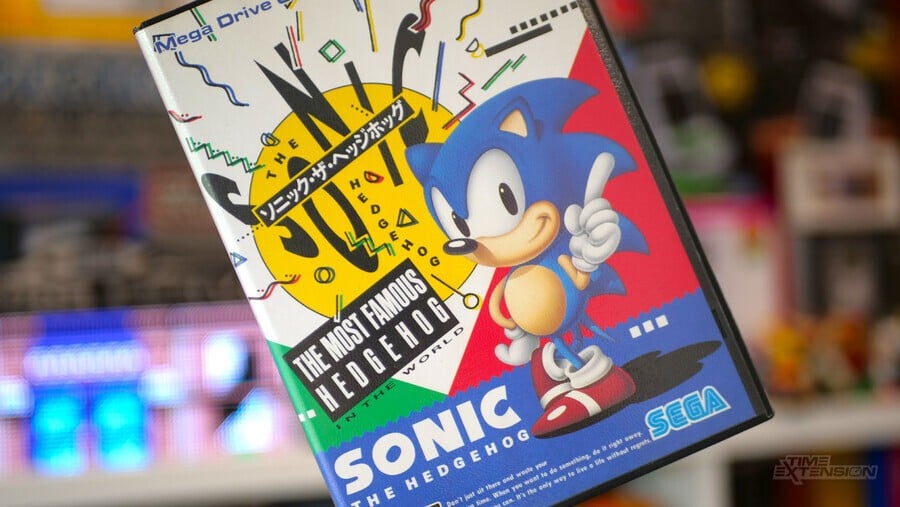
One of the most unusual aspects of Sonic the Hedgehog’s initial release strategy was its staggered global launch, with Europe often having to wait months, if not years, for official game releases, yet receiving Sonic prior to North America and Japan. The game launched in Europe on June 23, 1991, followed by North America on June 24, 1991, and Japan on July 26, 1991. This deviation from the typical release pattern created a unique dynamic, allowing European gamers to experience the title first and generate early buzz that rippled across the Atlantic and Pacific.
This strategic decision by Sega was likely influenced by a combination of factors, including manufacturing and distribution logistics, as well as a calculated effort to build momentum in a key market. For European consumers, accustomed to long waits, this early access was a welcome surprise and further fueled the excitement. It provided a competitive edge in the rapidly expanding European console market, allowing Sega to establish a strong foothold before Nintendo’s Super Nintendo Entertainment System (SNES) officially arrived in the UK in 1992. The immediate availability of such a highly anticipated title, shortly after glowing reviews had saturated the gaming press, created an almost immediate surge in sales and solidified Sonic’s status as a commercial powerhouse from day one.
Revolutionary Gameplay and Technical Prowess
Upon its release, Sonic the Hedgehog was immediately hailed for its revolutionary gameplay mechanics and unparalleled technical achievements. The game’s core innovation was its emphasis on speed. Where traditional platformers, including Nintendo’s Mario titles, often rewarded methodical exploration and precise jumping, Sonic actively encouraged players to "throw caution to the wind" and navigate its stages at blistering speeds. This approach was facilitated by ingenious level design, featuring multiple pathways, slopes, springs, and loop-de-loops that allowed Sonic to maintain momentum. The rings, which acted as a life-preserving shield, further incentivized high-speed play by providing a buffer against damage.
Visually, Sonic the Hedgehog was a revelation for its time. Running at a smooth 60 frames per second, the game’s vibrant color palette, detailed sprites, and advanced parallax scrolling created a sense of depth and dynamism that was virtually unmatched on home consoles. The Green Hill Zone, with its iconic checkerboard patterns and lush scenery, became instantly recognizable. The game’s presentation was capped by the unforgettable "Sega!" shout upon booting up the console, an auditory signature that immediately signaled a premium experience. While some might argue that the original Sonic lacked the intricate depth of later titles like Super Mario World (which launched in Japan in 1990 and North America in 1991, but Europe in 1992), its immediate impact on players was profound. It demonstrated that platforming could be about exhilarating momentum as much as precise navigation, fundamentally shifting perceptions of the genre and setting a new benchmark for technical excellence on the Mega Drive.
Critical Acclaim and Commercial Triumph
The critical reception for Sonic the Hedgehog was overwhelmingly positive, with gaming publications globally showering the title with praise. As noted, Mean Machines awarded it a remarkable 92%, highlighting its speed, graphics, and innovative gameplay. Other reviews echoed this sentiment, consistently commending its fresh approach to platforming and its ability to showcase the Mega Drive’s capabilities. Critics celebrated Sonic’s distinctive personality and the game’s addictive quality, recognizing it as a genuine contender to Nintendo’s long-standing dominance.
Commercially, Sonic the Hedgehog was an unqualified success. It quickly became a system-seller, dramatically boosting Mega Drive console sales worldwide. Often bundled with the console, the game sold an estimated 15 million copies globally, making it one of the best-selling video games of all time and the highest-selling Mega Drive title. This commercial triumph was crucial for Sega, providing the company with significant market momentum and credibility against its rival. The game’s success wasn’t just about sales figures; it was about establishing a brand identity. Sonic became synonymous with Sega’s "attitude" marketing, a character that embodied the company’s aggressive, youth-oriented appeal, directly challenging Nintendo’s more wholesome image.
The Console War Intensifies: Sonic’s Role
Sonic the Hedgehog’s debut marked a pivotal turning point in the Console Wars of the early 1990s. Before Sonic, Nintendo held a near-monopoly on the hearts and minds of gamers, largely due to Mario’s universal appeal and the quality of their first-party software. Sonic provided Sega with the ultimate weapon to counteract this dominance. The character’s "attitude" and the game’s emphasis on speed perfectly aligned with Sega’s marketing slogan, "Sega Does What Nintendon’t," portraying Nintendo as slow and outdated in comparison.
The success of Sonic transformed the rivalry into a fierce, head-to-head battle. Sega’s market share surged, particularly in North America, where the Genesis (Mega Drive) began to seriously challenge the SNES. Sonic became the face of a generation of gamers who sought something different, something faster, and something with more edge. This intense competition spurred innovation across the industry, pushing both Sega and Nintendo to constantly develop more compelling games and technologies. Sonic wasn’t just a game; it was a symbol of Sega’s ambition and its successful effort to carve out a significant segment of the video game market. The impact of the original game rippled through popular culture, solidifying the Mega Drive as a formidable console and setting the stage for a period of intense and often aggressive competition between the two giants.
Evolving Legacy: Beyond the Original
While the original Sonic the Hedgehog laid an undeniable foundation, the franchise’s journey through subsequent console generations was marked by both continued innovation and significant challenges. Sonic 2, released in 1992, built upon the original’s success, introducing Tails as a sidekick, new gameplay mechanics, and even greater speeds, selling over 6 million copies. Sonic CD, released on the Mega CD add-on, showcased full-motion video and introduced Amy Rose and Metal Sonic, demonstrating Sega’s willingness to experiment with new technologies. However, the author’s personal trajectory reflects a broader trend; the rapid succession of sequels like Sonic 3 and Sonic & Knuckles, while critically acclaimed, sometimes struggled to maintain the initial, overwhelming impact as the gaming landscape diversified and new systems like the Super NES offered compelling alternatives like Super Mario World.
The transition to 32-bit consoles proved particularly difficult for the franchise. The Sega Saturn era saw a notable absence of a mainline 3D Sonic title at launch, with Sonic Jam offering a compilation and Sonic R providing a 3D racing spin-off, neither fully capturing the magic of the original 2D entries. This period of relative dormancy for the flagship character allowed other franchises to gain prominence. However, Sonic made a significant comeback on the Sega Dreamcast with Sonic Adventure in 1998. This title was a pivotal attempt to translate Sonic’s speed into a 3D environment, delighting players with its expansive levels and multiple playable characters, while also frustrating some with its camera issues and design inconsistencies, a challenge many early 3D platformers faced. Despite its mixed reception, Sonic Adventure was a strong seller for the Dreamcast and revitalized interest in the Blue Blur as Sega navigated its final console generation.
Enduring Icon: Sonic’s Place in Pop Culture
Even as Sega transitioned from hardware manufacturer to third-party software developer, Sonic the Hedgehog maintained his status as an enduring pop culture icon. His initial jaw-dropping debut in 1991 not only sold millions of Mega Drive consoles but also cemented his place alongside industry giants. The character’s appeal has transcended the gaming medium, extending into animated television series, comic books, extensive merchandise, and blockbuster live-action films that have successfully introduced Sonic to new generations.
The design philosophy of speed, attitude, and vibrant aesthetics established in that first game has influenced countless titles and remains a core tenet of the character’s identity. While the quality of subsequent Sonic games has varied, the original’s impact on game design, console competition, and popular culture is undeniable. Sonic the Hedgehog continues to be a powerful symbol of the early 90s console boom, a testament to the innovative spirit of Sega, and a beloved character who, 35 years after his initial sprint onto the global stage, still resonates with fans across the world. His legacy is not just one of a successful video game, but of a true "system-seller" that shaped an entire era of entertainment and solidified his place as an international entertainment icon.