Cecilia Chamidah Nur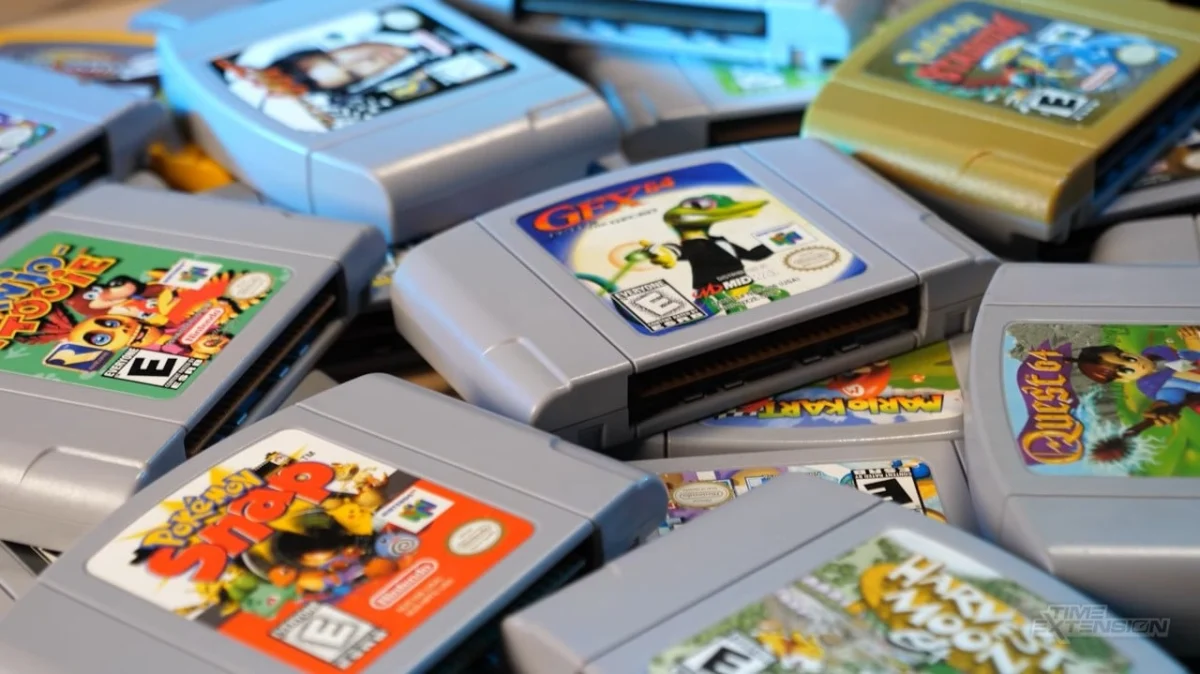
Epilogue, a company renowned for its innovative approach to video game preservation and hardware-assisted emulation, has officially confirmed the development of its next major product: the N64 Operator. This announcement marks a significant expansion of the company’s "Operator" series, which currently includes the highly acclaimed GB Operator for Game Boy and the SN Operator for Super Nintendo Entertainment System (SNES) cartridges. The reveal, strategically timed with the Nintendo 64’s recent 30th anniversary, underscores Epilogue’s commitment to supporting the rich history of video gaming by providing modern tools for collectors, enthusiasts, and archivists alike.
Epilogue’s Expanding Ecosystem: Bridging Physical and Digital Worlds
The N64 Operator is designed to follow in the footsteps of its successful predecessors, offering a comprehensive suite of functionalities that empower users to interact with their physical game cartridges in new and valuable ways. The existing GB Operator and SN Operator have garnered widespread praise for their ability to dump game data, preserve critical save files, authenticate legitimate cartridges, and facilitate legal gameplay through emulation powered by the original physical media. Both devices have received "glowing reviews" from various tech and gaming publications, lauded for their user-friendly interfaces and robust feature sets.
The core philosophy behind Epilogue’s Operator line is to bridge the gap between cherished physical game collections and the conveniences of modern digital platforms. In an era where digital distribution dominates, and the physical media of yesteryear faces challenges of degradation and obsolescence, tools like the Operator series offer a crucial lifeline. By allowing users to easily backup their game ROMs and save data, Epilogue directly addresses concerns about data loss, particularly for cartridges that rely on internal batteries for save retention, which are prone to failure over time. Furthermore, the ability to verify cartridge authenticity is an invaluable feature for collectors navigating a market increasingly flooded with counterfeit games.
The Nintendo 64: A Legacy of Innovation Turns 30
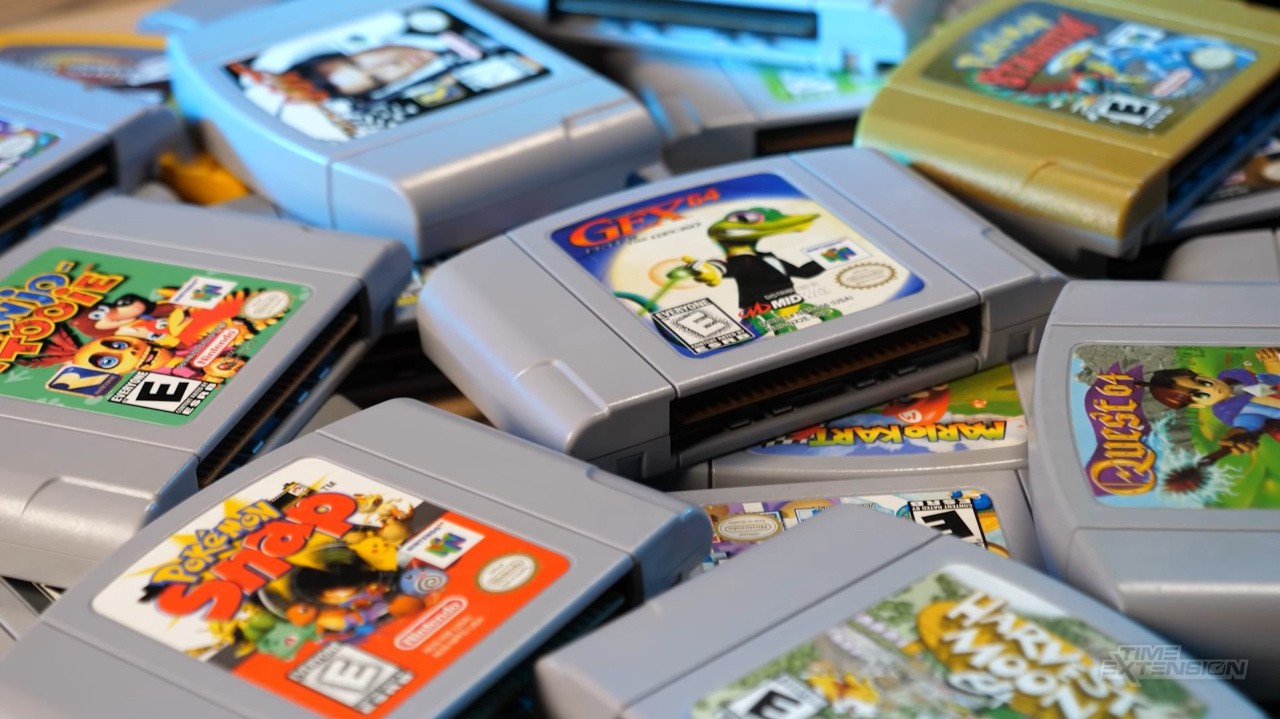
The timing of the N64 Operator’s announcement is particularly poignant, coinciding with the 30th anniversary of the Nintendo 64’s initial release in Japan on June 23, 1996. The N64 represented a monumental leap forward in gaming technology, introducing true 3D graphics to the mainstream console market with titles that pushed the boundaries of interactive entertainment. Its distinctive three-pronged controller, while initially polarizing, became synonymous with a generation of iconic games that defined the 3D platforming, adventure, and first-person shooter genres.
Globally, the Nintendo 64 sold approximately 32.93 million units, a testament to its cultural impact despite facing stiff competition from Sony’s PlayStation, which opted for CD-ROM technology. Key titles like Super Mario 64, The Legend of Zelda: Ocarina of Time, GoldenEye 007, and Banjo-Kazooie are frequently cited among the greatest video games of all time, demonstrating the console’s profound influence on game design and storytelling. The console pioneered concepts like Z-buffering for more accurate depth perception and anti-aliasing to smooth out jagged edges, making its visuals revolutionary for its time. Its proprietary cartridge format, while offering advantages in load times and security, also posed limitations on storage capacity compared to disc-based systems.
Challenges and Solutions in N64 Preservation
The N64’s unique cartridge format presents its own set of challenges for long-term preservation and modern accessibility. Unlike disc-based games, cartridges are generally more durable but are still susceptible to physical damage, corrosion of contact pins, and the aforementioned battery degradation for save data. For games that utilized battery-backed SRAM (Static Random-Access Memory) for saving, the eventual depletion of these internal batteries means irreversible loss of save data if not backed up. The N64 Operator is expected to provide a robust solution for these issues, allowing users to extract and manage their save files digitally, ensuring that decades of gameplay progress are not lost to time.
Moreover, the N64 Operator’s anticipated ability to dump game ROMs offers a critical component for digital preservation efforts. While numerous ROM images of N64 games exist online, the ability for an individual to legally extract a ROM from their own physical cartridge provides a legitimate pathway to digital ownership and emulation. This distinction is crucial in the retro gaming community, where the legality and ethics of ROM acquisition are frequently debated. By requiring the physical cartridge, Epilogue’s devices promote a responsible approach to playing classic games on modern hardware or through software emulators, without infringing on intellectual property rights.
The Growing Retro Gaming Market and Digital Archiving
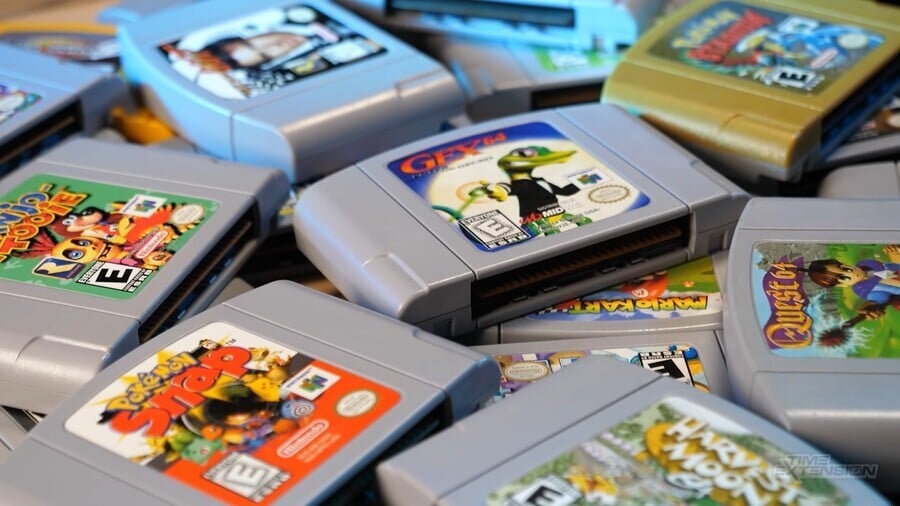
The retro gaming market has experienced an exponential boom in recent years, transforming from a niche hobby into a multi-billion dollar industry. Collectors worldwide are investing heavily in classic consoles, games, and memorabilia, driven by nostalgia, the desire to experience gaming history, and the increasing recognition of video games as cultural artifacts. This surge in interest has also highlighted the pressing need for effective digital preservation strategies. Many older games and their underlying technologies are fragile and susceptible to being lost forever as hardware fails and physical media deteriorates.
Institutions like the Library of Congress and various university archives have begun to recognize the historical significance of video games, leading to initiatives aimed at cataloging and preserving digital media. However, the sheer volume and complexity of video game software, coupled with proprietary hardware, make comprehensive preservation a monumental task. Companies like Epilogue play a vital role in this ecosystem by developing consumer-grade tools that democratize preservation, allowing individuals to contribute to the collective effort of archiving gaming history. The N64 Operator, with its features for ROM dumping and save file management, directly supports these broader archival goals, making digital copies accessible while honoring the physical origins.
Technical Overview and User Benefits
While specific technical details of the N64 Operator are yet to be fully disclosed, it is anticipated to leverage a similar architecture to its predecessors. These devices typically connect to a PC via USB, acting as an interface between the physical game cartridge and dedicated software. The software suite provides a user-friendly graphical interface for tasks such as:
- ROM Dumping: Creating a digital copy of the game’s executable code. This is essential for playing games via software emulation on a computer or other compatible devices.
- Save Data Management: Reading, backing up, and restoring save files from the cartridge. This is particularly important for N64 games where save data can be lost due to battery failure.
- Authenticity Verification: Analyzing cartridge data and potentially comparing it against known databases to help identify genuine cartridges versus fakes or reproductions. This is a crucial feature for collectors concerned about the provenance and value of their acquisitions.
- Live Emulation: Allowing users to play the game on their computer directly from the physical cartridge, with the Operator device serving as a "bridge" to the original hardware. This provides a legally sound and often higher-fidelity emulation experience, leveraging the original game code.
The benefits for users are manifold. Collectors gain peace of mind knowing their valuable save data is secure and that their expensive purchases are authentic. Enthusiasts can enjoy their classic games on modern displays with improved visual fidelity (e.g., higher resolutions, filters via software emulators) while still respecting the original physical media. And for the broader community, these tools contribute to a more robust and accessible archive of gaming history, ensuring that future generations can experience these pivotal titles.
Looking Ahead: The Nintendo DS Operator and Beyond
Adding another layer of anticipation, Epilogue also teased the future development of an Operator device for the Nintendo DS. This revelation hints at the company’s long-term vision to support a wider array of classic gaming platforms, each presenting its own unique set of challenges and opportunities. The Nintendo DS, with its dual-screen design, touch input, and wireless connectivity features, represents a significantly more complex platform than the single-screen, cartridge-based systems like the N64. An Operator for the DS would need to contend with these unique hardware characteristics, potentially requiring sophisticated solutions to fully replicate the original experience in an emulated environment while still leveraging the physical DS game card.
The prospect of a DS Operator suggests that Epilogue is not shying away from more intricate hardware. This could pave the way for future Operator devices supporting other beloved but complex systems, such as the GameCube (with its mini-DVD format), the Game Boy Advance, or even handhelds like the PlayStation Portable. Each platform would demand bespoke engineering solutions, underscoring Epilogue’s commitment to tackling the diverse landscape of retro gaming hardware. Such an expansive product line would solidify Epilogue’s position as a leader in consumer-friendly game preservation tools.
Implications for the Retro Gaming Community and Industry
The release of the N64 Operator, and the promise of future devices like the DS Operator, carries significant implications for the retro gaming community and the wider industry. For collectors, these tools offer a level of security and utility previously unavailable, helping to combat the prevalence of counterfeit cartridges and providing essential data backup solutions. This could, in turn, help stabilize the retro game market by fostering greater trust and transparency in transactions.
For game developers and publishers, Epilogue’s approach offers a model for legal and ethical engagement with legacy content. By facilitating legitimate ROM dumping, it provides a pathway for enthusiasts to enjoy classic titles without resorting to piracy, potentially encouraging publishers to explore similar direct-to-consumer preservation solutions or official re-releases. The emphasis on physical cartridge ownership also reinforces the value of original media, providing a tangible link to gaming’s past that purely digital solutions cannot fully replicate.
Ultimately, Epilogue’s Operator series, now including the highly anticipated N64 Operator, represents a critical advancement in the ongoing effort to preserve video game history. By providing accessible, robust tools that bridge the gap between physical artifacts and digital accessibility, Epilogue is empowering individual collectors and contributing significantly to the collective memory of the gaming world. As the industry continues to evolve, these devices stand as a testament to the enduring appeal of classic games and the importance of safeguarding their legacy for generations to come.