Cecilia Chamidah Nur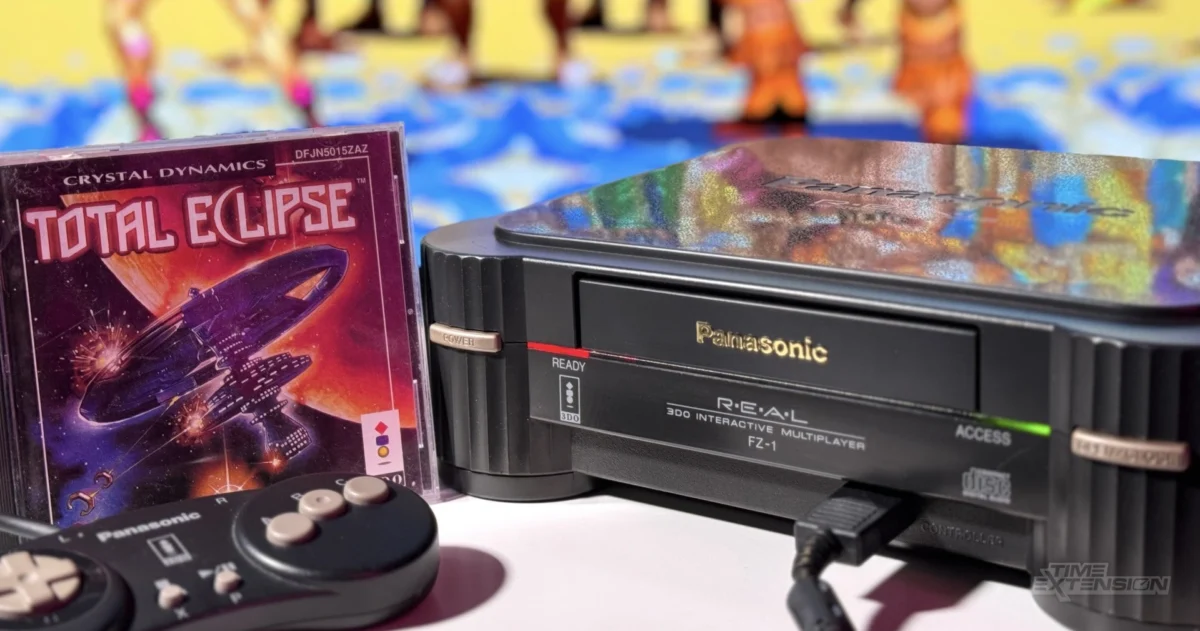
The gaming world is currently grappling with a perplexing development: the unexpected re-emergence of Empire Interactive, a publisher largely considered defunct since 2009, and its subsequent claim to hold the trademark and select intellectual property rights of The 3DO Company, itself bankrupt since 2003. This double resurrection has sent ripples of skepticism and curiosity through the industry, prompting many to question the legitimacy and true intentions behind such an audacious declaration. The announcement, made via a LinkedIn post from the newly active Empire Interactive account, has left observers, including seasoned industry veterans, struggling to reconcile the past with this sudden, enigmatic present.
Unpacking the Mystery: A Double Revival
The core of this unfolding saga lies in a LinkedIn post published by Empire Interactive a few days prior to the original report. In this post, the company asserted its acquisition of "the trademark and select intellectual property rights of The 3DO Company." For those familiar with the volatile history of video game publishing, the very notion of Empire Interactive making such a claim is extraordinary. The UK-based publisher, known for titles like Starsky & Hutch and FlatOut, ceased operations in 2009, its assets and extensive back catalogue having been sold off piecemeal more than a decade ago. This means the industry is not merely witnessing one "dead" company return, but potentially two, conjuring a spectral sense of disbelief akin to a scene from a supernatural thriller.
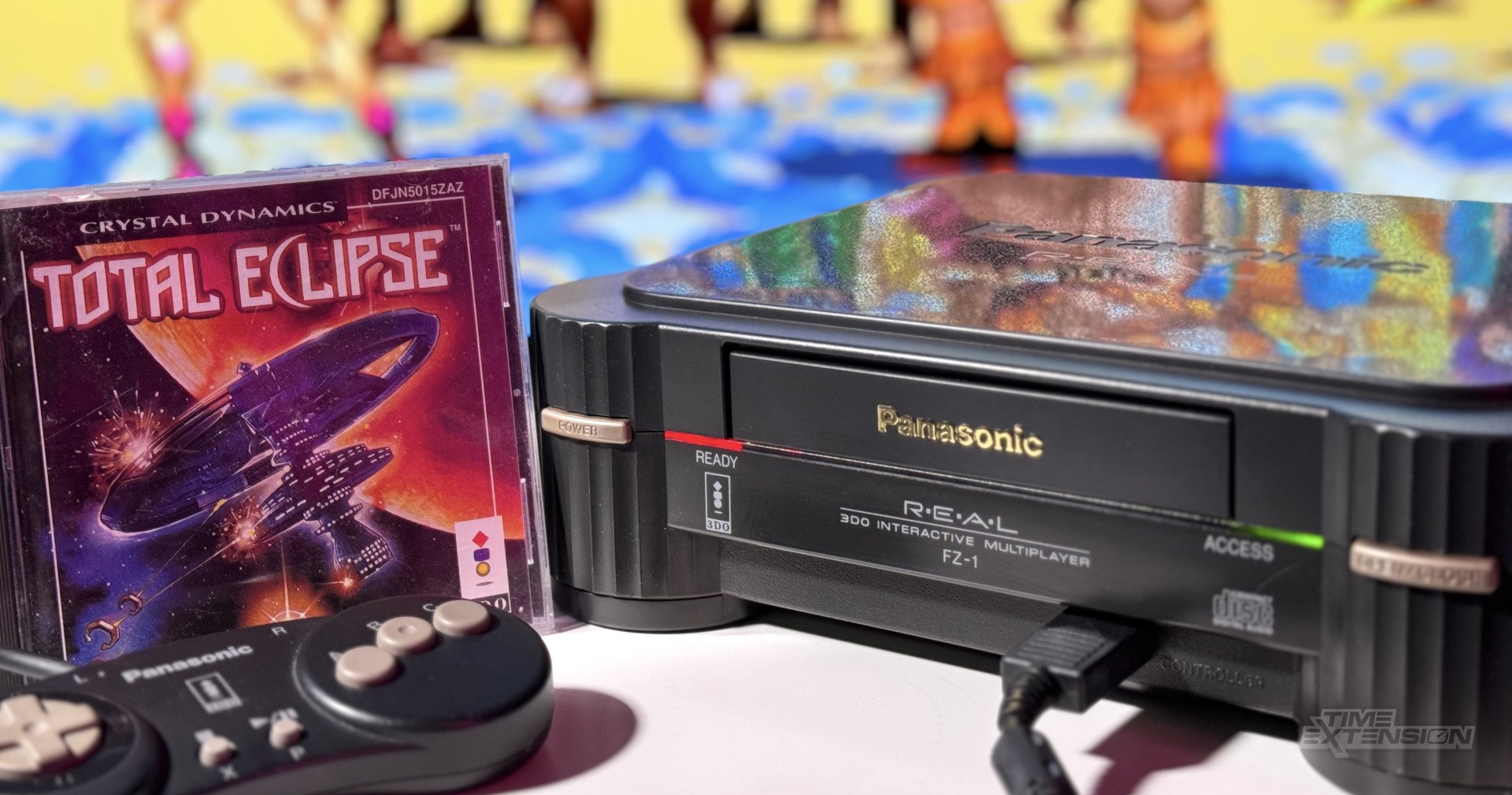
The 3DO Company, on the other hand, met its definitive end in 2003, filing for Chapter 11 bankruptcy. Its once-ambitious vision for the 3DO Interactive Multiplayer console ultimately succumbed to market pressures and fierce competition. Following its collapse, the rights to its numerous game franchises were scattered, acquired by various entities over the subsequent years. This historical context underscores the significant challenge and complexity involved in genuinely reassembling the fragmented legacy of a company that dissolved two decades ago.
The Rise and Fall of The 3DO Company: A Visionary Endeavor
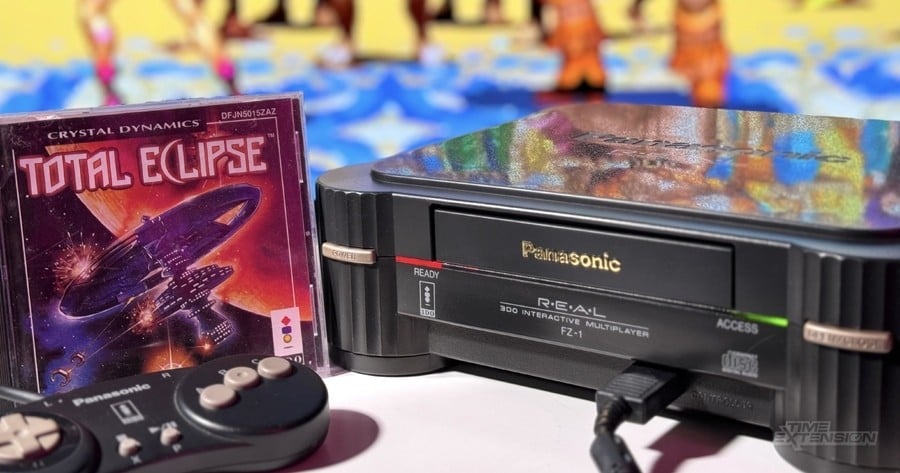
To fully appreciate the gravity of Empire Interactive’s claim, it is essential to delve into the history of The 3DO Company. Founded in 1991 by Trip Hawkins, the visionary behind Electronic Arts, 3DO set out with an ambitious goal: to establish a universal standard for interactive multimedia players, much like VHS for video or CD for audio. The company did not manufacture its own consoles but licensed its technology to hardware partners such as Panasonic, Sanyo, and GoldStar.
The 3DO Interactive Multiplayer, launched in 1993, was technologically advanced for its time, featuring a 32-bit processor and impressive multimedia capabilities. Hawkins envisioned a future where software developers could create games for a standardized platform, freeing them from the constraints of proprietary hardware. However, this innovative approach was hampered by several critical factors:
- High Price Point: The initial retail price of $699 (equivalent to over $1,400 today, adjusted for inflation) was prohibitive for most consumers, especially when compared to Nintendo’s Super NES and Sega’s Genesis, which retailed for under $200.
- Lack of Exclusive Killer Apps: Despite a diverse launch lineup, 3DO struggled to secure enough compelling exclusive titles to drive hardware sales. While games like Gex, Road Rash, and Myst were critically acclaimed, they were often not enough to justify the console’s premium price.
- Intense Competition: The market was soon flooded by the arrival of Sony’s PlayStation in 1994 and Sega’s Saturn, both offering powerful hardware, aggressive pricing, and strong developer support. These competitors quickly eclipsed 3DO’s market share.
- Licensing Model Challenges: While intended to foster openness, the licensing model also meant 3DO had less control over hardware pricing and manufacturing, making it difficult to compete on cost.
By 1996, 3DO had ceased production of the console and shifted its focus entirely to software development, publishing titles for PlayStation, PC, and later, PlayStation 2 and Xbox. Key franchises developed during this period included the popular Army Men series and the venerable Might and Magic and Heroes of Might and Magic RPG and strategy games. Despite some software successes, the company accumulated significant debt and ultimately declared bankruptcy in May 2003. Its assets, including its valuable game IPs, were auctioned off, with Ubisoft notably acquiring the Might and Magic and Heroes of Might and Magic franchises for a reported $1.3 million, and Square Enix eventually gaining rights to Gex.
Empire Interactive’s Original Run and Dissolution
Empire Interactive, established in 1987 in the United Kingdom, had a long and respectable history as a publisher. Over two decades, it developed a reputation for a diverse portfolio of games, ranging from licensed titles to original IPs. Notable successes included:
- The FlatOut series: A popular demolition derby racing franchise.
- The Big Mutha Truckers series: A quirky truck driving combat game.
- Licensed Titles: Games based on popular TV shows and movies like Starsky & Hutch.
- Various sports and simulation games.
Empire Interactive navigated the evolving landscape of the gaming industry for many years, publishing across multiple platforms, including PC, PlayStation, Xbox, and Nintendo consoles. However, by the mid-2000s, the company faced increasing financial pressures. In 2006, it was acquired by Silver Star Holdings plc. Despite the acquisition, financial difficulties persisted, exacerbated by a challenging global economic climate.
In May 2009, Empire Interactive entered administration, a form of insolvency where an administrator is appointed to manage the company’s affairs to protect creditors. Shortly thereafter, its remaining assets and intellectual properties were sold off. The rights to its back catalogue were acquired by various entities, with a significant portion going to the US-based publisher Zoo Games (later known as Ziggurat Interactive), which has since been actively re-releasing and remastering some of Empire Interactive’s classic titles. This widely documented dissolution makes the current claim of Empire Interactive’s return even more perplexing, as its original corporate structure and assets were clearly liquidated and dispersed.
The LinkedIn Revelation and Industry Reactions
The recent LinkedIn post from the purported new Empire Interactive was direct, stating: "We are thrilled to announce that Empire Interactive has acquired the trademark and select intellectual property rights of The 3DO Company! We are committed to re-establish 3DO as an independent game company and bring some of its legendary titles back to players through carefully crafted remastered editions." This declaration immediately captured the attention of industry insiders, many of whom were initially cautious, if not outright skeptical.
Among the first to react was Josh Fairhurst, the former CEO of Limited Run Games, a company known for its physical re-releases of classic and cult titles. Fairhurst, seemingly intrigued by the prospect, replied to the LinkedIn post, offering the "new" Empire Interactive the opportunity to license the 3DO versions of several notable full-motion video (FMV) games: Night Trap, Sewer Shark, Corpse Killer, Quarterback Attack, and Supreme Warrior. These titles were emblematic of the 3DO era’s experimental multimedia approach and hold a special place for retro gaming enthusiasts. Fairhurst’s response, while an offer, also implicitly highlighted the fragmented nature of 3DO’s legacy, as the rights to these specific 3DO versions might reside with other entities.
Adding to the mixed reception, Steve Cottam, CEO of Antstream Arcade, a retro game streaming service, labeled the announcement "Great news," expressing his "love for the brand." Such endorsements from respected figures in the retro gaming community, while potentially premature, indicate the emotional resonance and lingering affection for the 3DO brand. This initial positive, albeit cautious, engagement from some industry players underscored the necessity for further investigation rather than outright dismissal.
The New Entity and Its Leadership: A Shadowy Relaunch
Digging deeper into the circumstances surrounding this double revival reveals a series of additional questions and inconsistencies. From available information, it appears that Empire Interactive has been "relaunched" sometime in August, seemingly without the involvement of its original founders, Ian Higgins and Simon Jeffrey. Instead, an individual identified as Isık Sekercigil has emerged as a central figure, generously characterizing himself on LinkedIn as the "Founder of Empire Interactive and The 3DO Company."
The claim of founding two distinct companies, one of which was established in 1987 and the other in 1991, decades before Sekercigil’s likely professional career, is a significant red flag. Publicly available information regarding Sekercigil is remarkably scarce, making it difficult to verify his professional background, track record in the gaming industry, or any prior association with either Empire Interactive or The 3DO Company. This lack of transparency regarding the new leadership structure and its history adds another layer of uncertainty to the entire proposition.
Examining the New Empire Interactive’s Online Presence: Red Flags Abound
Further scrutiny of the newly established Empire Interactive’s online presence only amplifies the skepticism. The company currently operates an active website, empireinteractive.net, but it is conspicuously light on substantive information. Crucially, the website features several glaring inconsistencies that raise serious questions about its credibility.
One of the most striking anomalies is the claim that the publisher received a "2024 Best Agency" accolade. Given that the new iteration of Empire Interactive appears to have only been relaunched in August 2024, the assertion of having earned a "Best Agency" award for the entire year is chronologically impossible. Such a claim suggests either a profound lack of attention to detail or a deliberate attempt to present an embellished, non-existent track record. In the competitive and often cutthroat world of game publishing, verifiable achievements and a clear history are paramount for building trust with developers, investors, and consumers.
Moreover, the overall design and content of the website itself contribute to the air of unreliability. It lacks the professional polish and comprehensive detail typically expected of a legitimate, ambitious game publisher. Essential sections such as a robust "About Us" page detailing the new team’s experience, a clear "Games" section showcasing current projects or acquired IPs with demonstrable evidence, or transparent contact information beyond a generic form, are either absent or inadequately presented. This superficial online presence further fuels the perception that the new Empire Interactive may be more of a speculative venture than a fully flesged, credible entity.
The Discrepancy: 3DO’s Legacy vs. New Game Announcement
Perhaps the most significant contradiction in Empire Interactive’s announcement lies in the stated intent versus the first unveiled project. The LinkedIn post explicitly declared a commitment to "re-establish 3DO as an independent game company and bring some of its legendary titles back to players through carefully crafted remastered editions." This promise naturally led many to anticipate news of revitalized 3DO classics, perhaps an updated Gex, a remastered Army Men title, or even a new entry in the Might and Magic universe (though the rights to the latter are firmly with Ubisoft).
However, the first title announced under The 3DO Company banner by this new Empire Interactive is not a remaster of a beloved 3DO classic, nor is it a game that bears any discernible connection to 3DO’s original creative legacy. Instead, it appears to be a "pretty blatant Sims clone." The Sims franchise, developed by Maxis and published by Electronic Arts, is a life simulation series that emerged years after 3DO’s console era and is entirely unrelated to its intellectual property.
This stark divergence between the stated mission of reviving 3DO’s "legendary titles" and the actual nature of the first announced game is a critical inconsistency. It strongly suggests that the acquisition of 3DO’s "trademark and select intellectual property rights" might be either extremely limited in scope, or that the primary motivation behind invoking the 3DO name is not genuine brand revival but rather a strategic maneuver for attention. By associating itself with a recognizable, albeit defunct, brand like 3DO, the new Empire Interactive could be attempting to leverage nostalgia and public interest to draw eyes to its otherwise unrelated projects. This tactic, if true, raises ethical questions about brand integrity and transparency.
Legal and Commercial Implications: A Labyrinth of Rights
The complexities surrounding intellectual property rights for defunct companies are substantial. Trademarks, while valuable, can lapse if not actively used and maintained. "Select intellectual property rights" is a deliberately vague phrase that could mean anything from specific game titles to mere design documents, or even just the corporate name itself, without encompassing the full scope of a company’s original catalogue.
For a legitimate revival, a company would typically need to acquire a comprehensive portfolio of rights, including:
- Trademarks: The brand names and logos.
- Copyrights: The creative works themselves, including game code, art assets, music, and story.
- Patents: Any patented technologies (less common for older game companies, but possible).
- Licensing Agreements: Rights to use third-party IPs that were part of original games.
The process of tracing and acquiring these fragmented rights after two decades of dispersal, especially from a company that went bankrupt, is a monumental task, often involving multiple legal entities and potentially significant financial investment. Without clear evidence of such comprehensive acquisitions, any claim to revive a brand like 3DO with its "legendary titles" remains highly speculative.
Commercially, the decision to launch a Sims clone under the 3DO banner, rather than a genuine 3DO remaster, also presents a curious strategy. While a Sims clone might appeal to a broad audience, it does not capitalize on the specific nostalgia and brand recognition that the 3DO name might evoke. This could lead to consumer confusion and a dilution of the 3DO brand’s legacy, potentially alienating the very retro gaming community that might otherwise support a genuine revival.
Broader Industry Context: IP Revival Trends
The gaming industry has a history of defunct companies and dormant IPs being revived. Companies like THQ Nordic (now Embracer Group) have built an entire business model around acquiring and revitalizing forgotten or overlooked game franchises, often with great success. Atari, another iconic name, has also seen multiple iterations and revivals, though with varying degrees of success and sometimes controversy.
However, these legitimate revivals typically involve transparent acquisitions, clear statements of intent, and often, the involvement of original creators or teams to ensure authenticity. The current situation with Empire Interactive and 3DO deviates significantly from these established norms, characterized instead by opacity, conflicting claims, and a seemingly disconnected product strategy. This makes the present case stand out as an anomaly, prompting a higher degree of scrutiny than a typical brand acquisition.
Conclusion: A Cloud of Uncertainty
As of now, the situation surrounding Empire Interactive’s purported acquisition of 3DO rights remains shrouded in a thick cloud of uncertainty. The apparent double resurrection of two long-defunct companies, led by an individual with an unverified background, accompanied by a website rife with inconsistencies and a product announcement that contradicts the stated mission, all combine to create a deeply perplexing narrative.
While the prospect of classic 3DO titles being remastered or new games being developed under its banner might excite many retro gaming enthusiasts, the current lack of transparency and numerous red flags necessitate extreme caution. The gaming industry, known for its passionate communities and keen historical memory, will undoubtedly watch this space closely. Until more concrete evidence emerges regarding the legitimate acquisition of comprehensive IP rights, a clear and credible business strategy, and a transparent leadership team, the "return" of Empire Interactive and its claims over The 3DO Company will continue to be met with significant skepticism, awaiting further clarification from the entity now claiming to be the torchbearer of these two long-dormant brands. The original article’s author’s outreach to Empire Interactive for more information underscores the critical need for a definitive statement to dispel the numerous doubts that currently plague this uncanny revival.