Vera Clarissa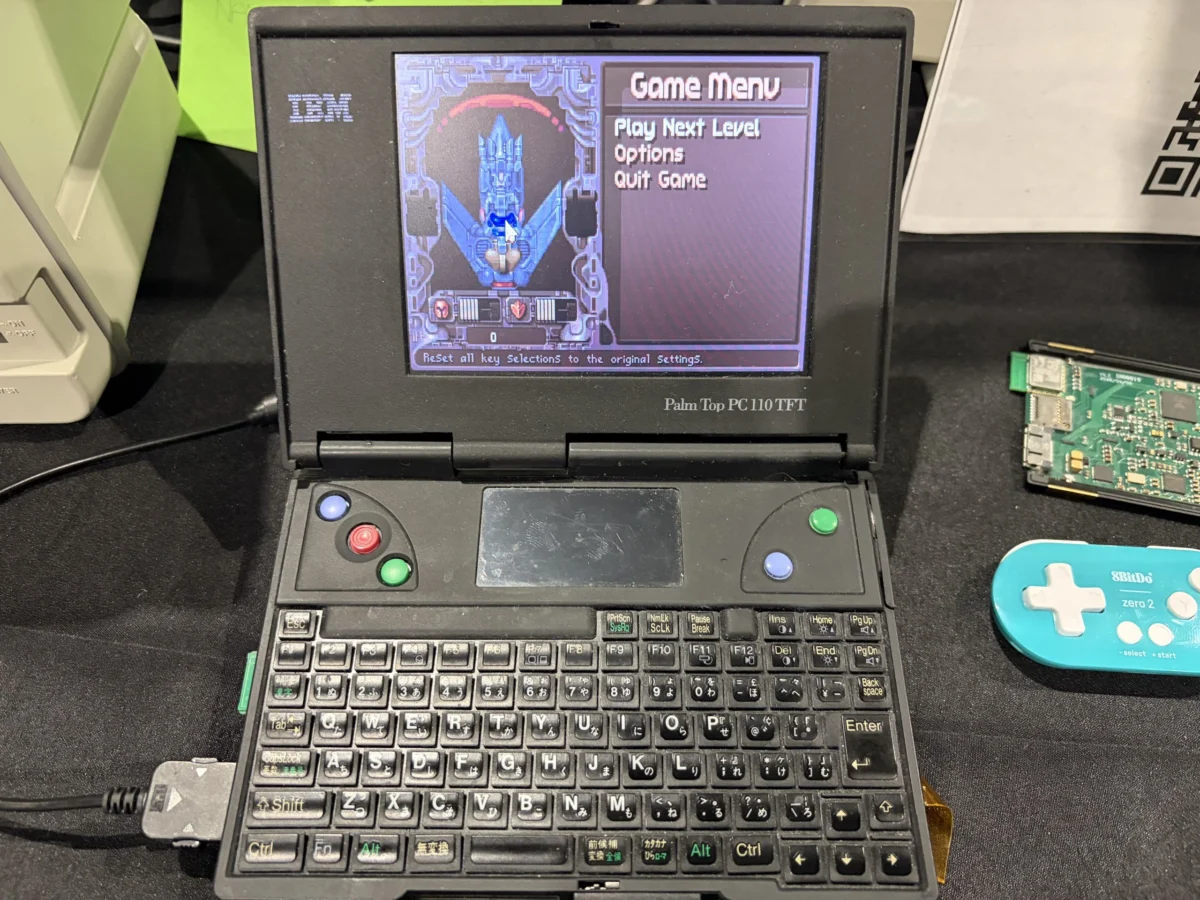
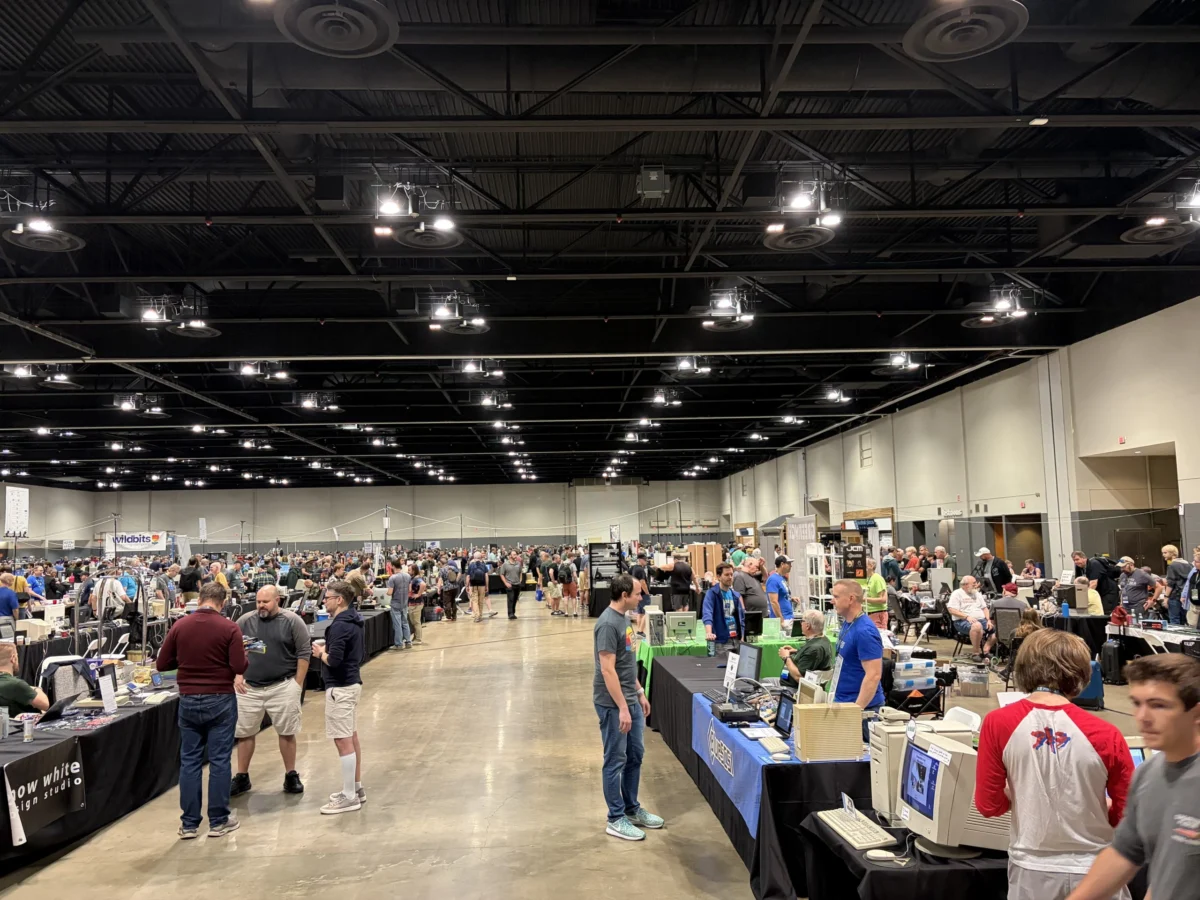
The Vintage Computer Festival (VCF) Midwest recently concluded its annual gathering, offering a sprawling, multi-day exhibition that transcended its reputation as an Apple-centric event to showcase the full breadth of computing history. While the Macintosh lineup maintained a significant presence, the event served as a definitive survey of the industry’s evolution, from mid-century vacuum tube technology and early mainframe systems to the specialized hardware that defined the transition into the modern digital age. This year’s exhibition highlighted an unprecedented level of diversity, drawing collectors, engineers, and technology enthusiasts to celebrate the hardware that laid the groundwork for contemporary computing.

The Scope and Evolution of VCF Midwest
VCF Midwest has historically functioned as a hub for the preservation and study of classic computer hardware. By providing a platform for exhibitors to demonstrate working systems, the festival serves a critical role in the maintenance of technological heritage. The 2026 iteration of the event featured an expansive floor plan, encompassing early vacuum tube amplifiers, RCA video cassette systems, and sophisticated industrial control units.

The event’s growth trajectory reflects a broader societal interest in the "retro-computing" movement, where the focus has shifted from mere nostalgia to the technical restoration of obsolete architectures. Unlike general consumer tech shows, VCF Midwest emphasizes functional restoration. Exhibitors spent weeks or months ensuring that systems like the DEC PDP-8/1, a foundational minicomputer, were not merely on display, but operational. This dedication to "live" history allows attendees to experience the user interface, latency, and operational quirks of machines that have been absent from the professional workspace for decades.

Chronology of the Exhibition Floor
The festival began with a focus on early computing, specifically the 1970s and 1980s. A notable highlight was the display of the National Gas Pipeline of America’s data control station. This exhibit, representing the mainframe era, offered a stark contrast to the miniaturized personal computing devices later on display. The presence of physical punch cards and original CRT terminals underscored the manual nature of data entry during that period, providing a tangible look at the labor-intensive workflows of early industrial computing.

Mid-day sessions shifted focus toward the late 1980s and 1990s, with a heavy emphasis on operating system competition. A significant section was dedicated to IBM’s OS/2, where attendees could view original software titles, including Lotus 1-2-3, in their pristine, boxed states. This segment provided context for the "Desktop Wars," where corporations like IBM and Microsoft vied for dominance in the emerging personal computer market.

As the afternoon progressed, the focus moved toward the specialized hardware of the 2000s. Gaming enthusiasts displayed high-performance Windows XP-era machines, showcasing the rise of dedicated graphics hardware such as the Quadro FX 4500. Simultaneously, a collection of ultra-portable Japanese laptops—including the Sony VGN-P90HS—highlighted a period of experimental industrial design that, while commercially niche, heavily influenced current ultra-portable form factors.

Technical Analysis and Notable Exhibits
Several exhibits served as case studies for specific eras of innovation. The presence of the Franklin PC-8000, for instance, illustrated the legal and technical battles regarding PC compatibility in the early 1980s. Similarly, the inclusion of a Cray CX40 and Intel KNL compute nodes provided a bridge between classic supercomputing and modern high-performance computing (HPC) environments.

The technical diversity extended to robotics, specifically the "Topo" robot. Initially popularized in the 1980s as a programmable educational tool, Topo represents an early effort to introduce home automation and interactive robotics to the consumer market. Its restoration and functional demonstration served as a reminder that the current focus on AI-driven robotics has roots in hardware experiments conducted forty years ago.

Industry Partnerships and Restoration Efforts
A significant component of the festival’s success is the involvement of organizations like MacEffects, which specialize in the manufacturing of high-quality replacement parts for legacy hardware. The presence of such companies demonstrates that vintage computing is no longer just a hobbyist pursuit but a growing ecosystem of small-scale manufacturing. By producing injection-molded cases and custom components for devices like the Power Mac G4 Cube and the new M4 Mac mini, these vendors are ensuring that hardware from the 1990s and 2000s remains viable for years to come.

Interviews with exhibitors, including Joseph Krajacic and various project leads from the N9Tax Retro Lab, revealed that the primary motivation for these efforts is institutional memory. The restoration of a Panasonic Toughbook, for example, is not merely about having a functional laptop; it is about preserving the engineering standards of ruggedized hardware that once defined mobile computing in industrial environments.

The Sociological Impact of the Retro-Computing Movement
The festival concluded with an informal assembly of enthusiasts who, throughout the weekend, participated in LAN parties and collaborative coding sessions. The atmosphere was characterized by a high degree of knowledge sharing, which experts suggest is vital for the survival of legacy software. As original documentation for these machines becomes harder to find, the oral history passed down between collectors at events like VCF Midwest becomes the primary source of technical knowledge.

The event’s organizers noted that the demographic for such festivals is increasingly diverse, drawing in younger developers who are curious about the "bare metal" aspects of computing. By stripping away the abstraction layers of modern cloud-based operating systems, these younger participants gain a deeper understanding of memory management, assembly language, and hardware architecture.

Broader Implications for Technology Preservation
The implications of VCF Midwest extend beyond the exhibition hall. As modern consumer technology moves toward a model of planned obsolescence and cloud-dependency, the ability to maintain and understand "local" hardware is becoming a specialized skill set. The festival provides the necessary framework for this preservation, fostering a community that values the longevity of digital tools.

Furthermore, the economic impact of this community is becoming measurable. With the rise of secondary markets for vintage electronics, the work done by exhibitors at VCF to authenticate and restore machines adds significant value to the historical record. Many of the machines on display, such as the DEC PDP-8/1, are increasingly rare; their preservation is essential for the history of computer science, as they represent the physical manifestation of algorithms and software that are otherwise lost to time.

Conclusion
VCF Midwest 2026 underscored the enduring relevance of early computing. By creating an environment where a 1970s RCA video player can coexist with 21st-century compute nodes, the festival successfully bridged the gap between different eras of technological development. The event did not simply serve as a trip down memory lane; it functioned as a vital intersection for historians, engineers, and hobbyists committed to the longevity of the digital age. As the industry continues to advance at an exponential rate, the work of these enthusiasts becomes increasingly important, ensuring that the foundational principles of modern technology are not forgotten, but rather understood, restored, and maintained for future generations. The success of the festival serves as a testament to the fact that, in the world of computing, the past is not merely a precursor to the present—it is a critical component of our ongoing technological evolution.