 Hartono Sudibyo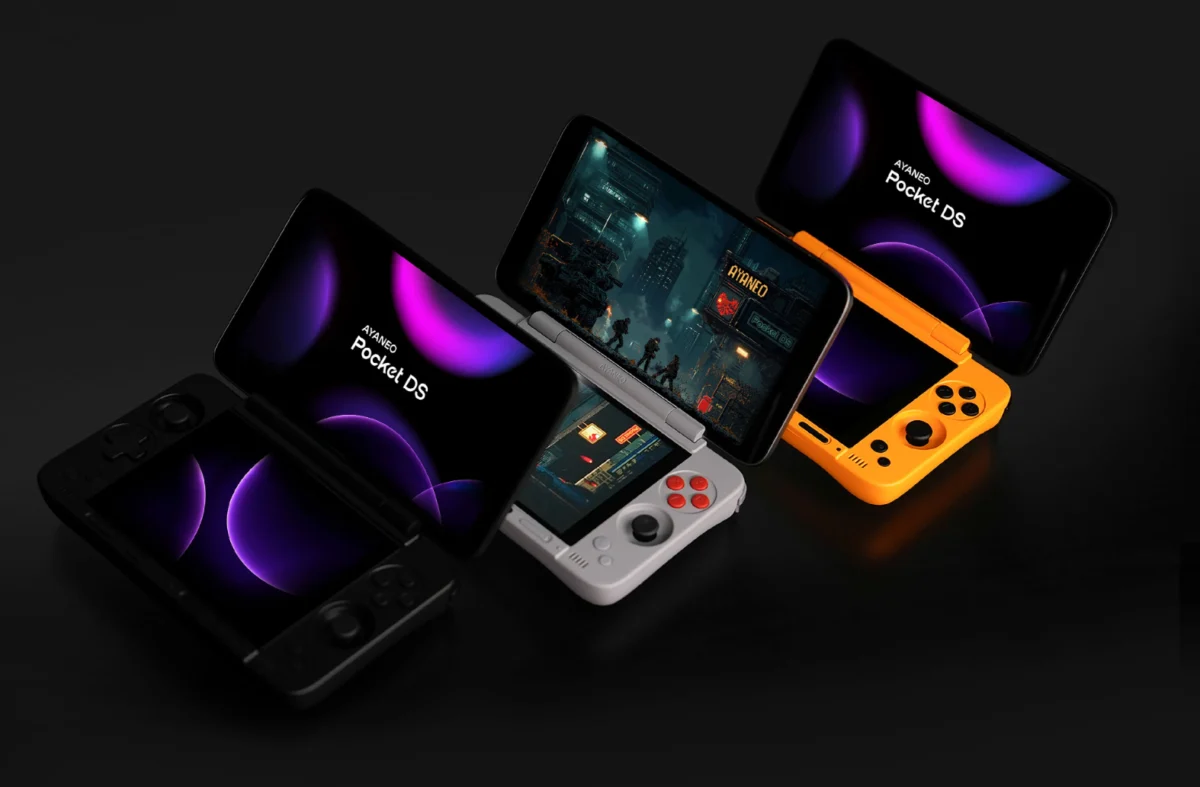
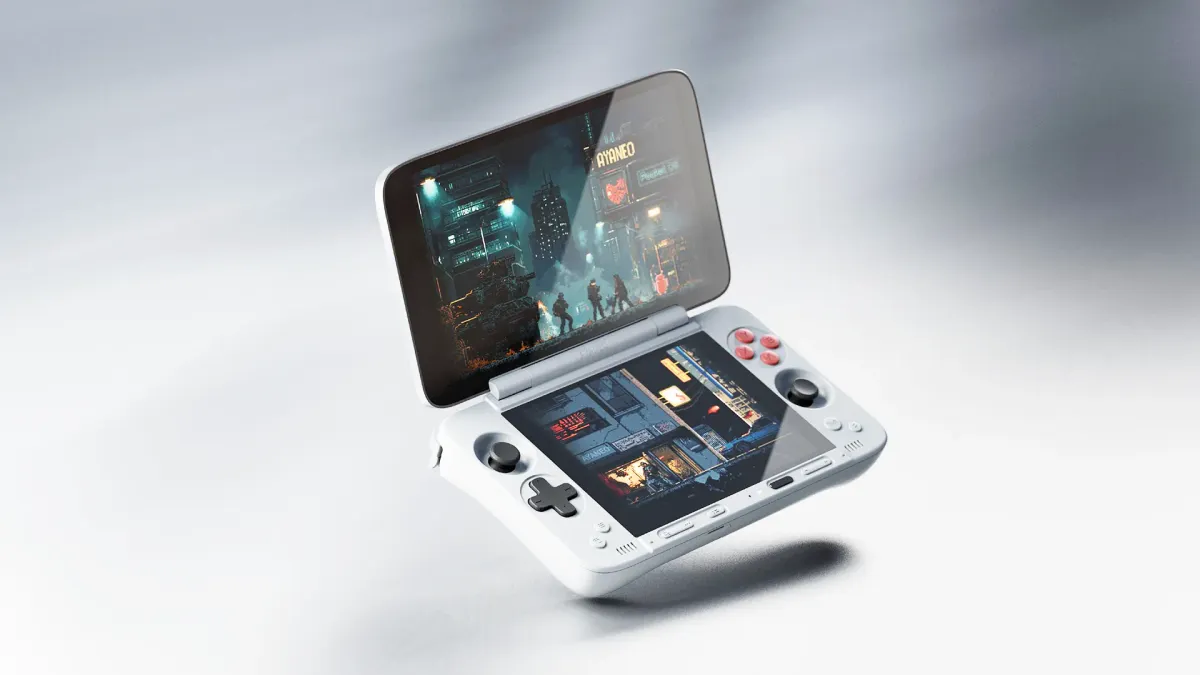
The portable gaming landscape is undergoing a significant evolution, defined heavily by a renewed commercial interest in dual-screen hardware capable of faithfully emulating classic dual-display platforms like the Nintendo DS and 3DS. However, major hardware manufacturer AYANEO has officially signaled that it will not partake in this burgeoning market segment. During a comprehensive product showcase and live-streaming event held on September 28, 2026, AYANEO Chief Executive Officer Arthur explicitly ruled out the company’s participation in the current "dual-screen battle," choosing instead to focus its corporate and manufacturing resources on single-screen form factors, such as the newly debuted KONKR Pocket Block.
This announcement comes at a time of intense competition within the retro and emulation handheld sector, where multiple manufacturers are aggressively vying for consumer attention with innovative, clamshell, and dual-display devices. While the decision may disappoint a segment of the enthusiast community hoping for an AYANEO-engineered mid-range clamshell dual-screen console, the move highlights a calculated strategic pivot by the company toward high-value, single-screen portable devices.
Main Facts and Event Overview
The declaration was made off-the-cuff during AYANEO’s extensive product-sharing broadcast, which primarily served as the official launch platform for the KONKR Pocket Block. The Pocket Block is a compact, vertically oriented Android-based gaming handheld designed to cater to budget-conscious consumers. Priced competitively at an early-bird rate of $79, the device boasts robust emulation capabilities, effortlessly handling classic platforms up to the PlayStation Portable (PSP) generation. Shipments for the early batch are slated to begin by the end of October 2026.
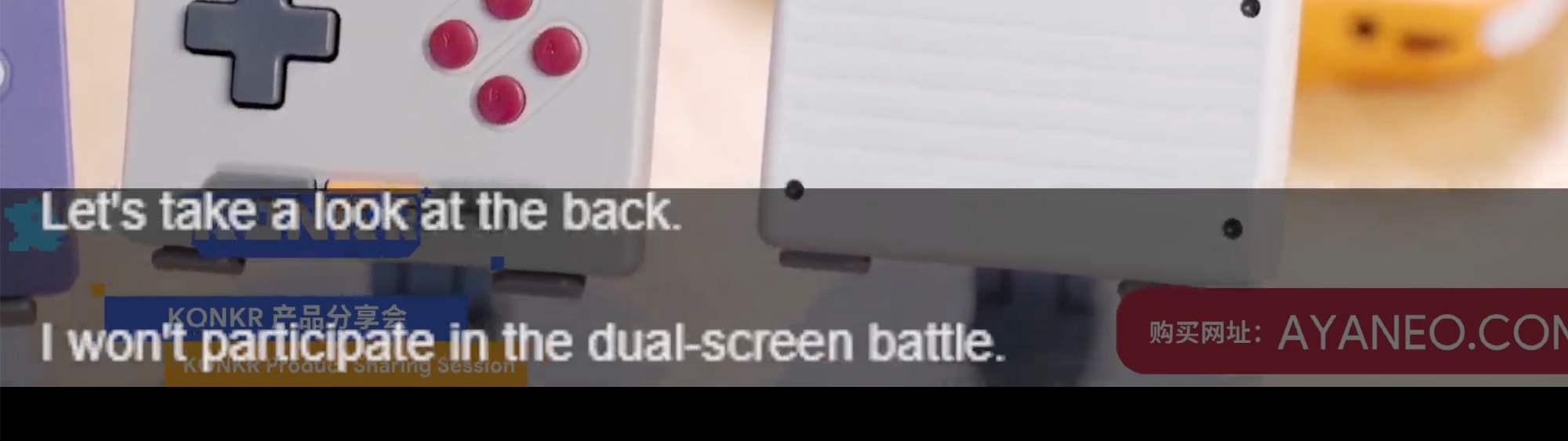
As the livestream progressed and CEO Arthur fielded inquiries from the online viewing audience, a viewer specifically asked whether AYANEO was actively developing a dual-screen portable console to compete with current market alternatives. Arthur swiftly dismissed the proposition, stating clearly, "I won’t participate in the dual-screen battle," before immediately shifting the conversation back to the hardware specifications and processor selection of the newly revealed Pocket Block.
This abrupt dismissal effectively closed the door on immediate speculation that AYANEO would enter the growing budget-to-midrange dual-screen segment, leaving consumers to look elsewhere for modern multi-display emulation solutions.

Background Context and the Dual-Screen Handheld Market
The retro handheld market has seen a distinct shift toward dual-screen configurations, largely driven by nostalgia for portable dual-screen consoles of the 2000s and 2010s. Emulating these systems traditionally required cumbersome software setups, touch-screen overlays on single displays, or specialized dual-monitor setups on personal computers. The advent of dedicated dual-screen handhelds has sought to solve this friction point, creating a lucrative niche that hardware developers have rushed to fill.
Despite the growing consumer appetite, the current landscape of dual-screen handhelds is fraught with mixed results, software challenges, and manufacturing hurdles:
- The AYN Thor: Currently dominating the market in terms of positive reception and consumer satisfaction, the AYN Thor has set a high benchmark for premium dual-screen performance and build quality.
- Retroid Pocket Duo Lite: Retroid recently encountered stumbles with its Duo Lite offering, which has faced early criticism regarding performance benchmarks and optimization issues.
- ANBERNIC RG DS Plus: ANBERNIC attempted to capture the Linux-based budget market with the RG DS Plus, though the device has received mixed reviews concerning its overall structural build quality and material finish.
- Yoniq Duo: Positioned as an upcoming contender slated for a crowdfunding release, the Yoniq Duo has elicited skepticism from consumers hesitant to commit capital to upcoming Kickstarter campaigns amid rising industry competition.
Historically, AYANEO is no stranger to multi-display designs. The company previously manufactured high-end, premium dual-screen devices aimed at power users and enthusiasts. However, those legacy products occupied a luxury pricing bracket—ranging from $550 to well over $1,700—placing them far out of reach for the average gaming consumer looking for casual portability.
Chronology of the Announcement
- Early September 2026: Leaks and community discussions build anticipation regarding potential upcoming clamshell and dual-screen form factors from various Chinese emulation manufacturers.
- September 28, 2026: AYANEO holds a major product-sharing livestream to reveal and detail the specifications, pricing, and availability of the KONKR Pocket Block.
- Mid-Livestream (September 28, 2026): During an interactive Q&A session with viewers, a direct question concerning a potential AYANEO dual-screen handheld is posed to CEO Arthur.
- Immediate Rebuttal: Arthur dismisses the inquiry with the statement, "I won’t participate in the dual-screen battle," redirecting audience focus to the processing hardware of the Pocket Block.
- Post-Broadcast Analysis: Industry analysts and retro gaming media outlets review the transcript and video archives, confirming AYANEO’s short-term withdrawal from multi-display hardware development.
Supporting Data and Market Realities
The decision by AYANEO to bypass the dual-screen race is grounded in current supply chain economics and hardware trends. The manufacturing costs associated with sourcing specialized secondary displays, custom hinges, and balanced thermal configurations for compact dual-screen chassis remain exceptionally high. Furthermore, global supply constraints regarding compact screens and high-density memory modules have placed upward pressure on component pricing throughout 2026.
By focusing on single-screen vertical and horizontal form factors like the $79 KONKR Pocket Block, AYANEO can maximize economies of scale, maintain aggressive pricing strategies, and deliver high unit volumes directly to consumers. High-volume production of standardized screens reduces manufacturing defects and supply chain volatility compared to specialized, low-volume dual-screen enclosures.
Industry Implications and Future Outlook
Arthur’s public rejection of the dual-screen trend carries several implications for the handheld gaming ecosystem:
- Consolidation of Market Share: Without AYANEO entering the fray, competitors such as AYN and smaller emerging brands will face less direct competition in the mid-tier dual-screen segment, potentially allowing them to dictate pricing and feature sets.
- Strategic Pivot for AYANEO: AYANEO is evidently choosing to solidify its dominance in traditional single-screen Android and Windows handhelds, where it has built a strong reputation for premium aesthetics and diverse processor options (ranging from budget chips to high-end mobile silicon).
- Potential for Future Reassessment: While the CEO’s statement rules out immediate development, industry watchers note that hardware roadmaps are fluid. As component costs stabilize and manufacturing technologies for flexible or dual-panel displays mature over the next few years, AYANEO may revisit the category under more favorable financial and technological conditions.
For now, consumers hoping for a budget-friendly, polished dual-screen device from AYANEO will need to look to alternative brands or wait for market maturation to drive production costs down. AYANEO, meanwhile, remains firmly committed to delivering accessible, single-screen hardware designed to capture the broader, mass-market segment of portable emulation enthusiasts.