 Hartono Sudibyo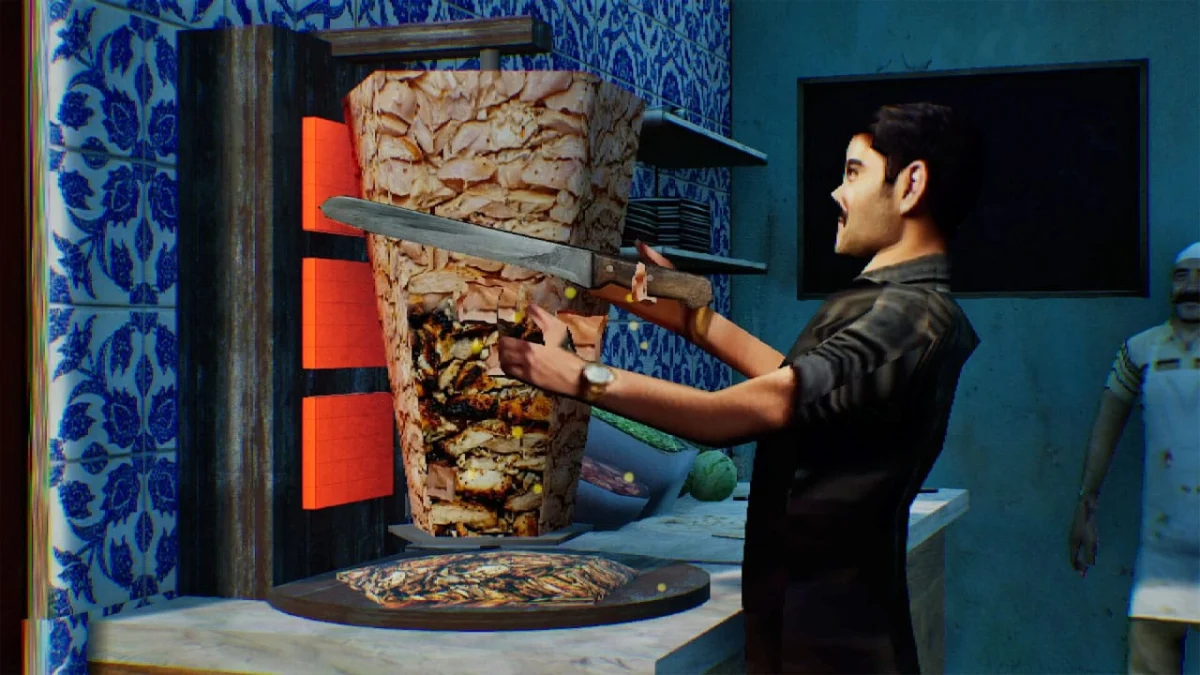
Solo game development is an arduous discipline, frequently demanding years of solitary dedication, technical problem-solving, and unwavering persistence. For independent developer @bufuakgames, the past two years have been defined precisely by this rigorous routine. Operating without external funding, a corporate backing team, or a traditional development budget, the creator has spent their spare time building ALATURKA—an open-world action-adventure game set in a 1970s-inspired Istanbul. Styled with nostalgic, PlayStation 2-era aesthetics, the project has quickly garnered attention across digital gaming platforms for its unique premise, distinct cultural flavor, and unconventional gameplay mechanics that blend open-world driving with the gritty realities of döner kebab delivery.
Main Facts and Core Premise
At its core, ALATURKA places players in the shoes of a newly arrived immigrant in the Bosphorus region during the 1970s. According to the official game description provided on Steam, the protagonist arrives in the sprawling, transcontinental city with empty pockets and a singular mission: to work as a döner kebab apprentice under their uncle and save enough money to get by.
The game’s setting is heavily emphasized as a character in its own right. Istanbul is depicted as a bustling, divided metropolis spanning two continents, characterized by notorious traffic congestion and an unrelenting chorus of seagulls. The gameplay mechanics lean heavily into vehicular navigation, delivery missions, and urban exploration reminiscent of early open-world classics like Grand Theft Auto III, yet grounded distinctly in a historical Turkish cultural context.
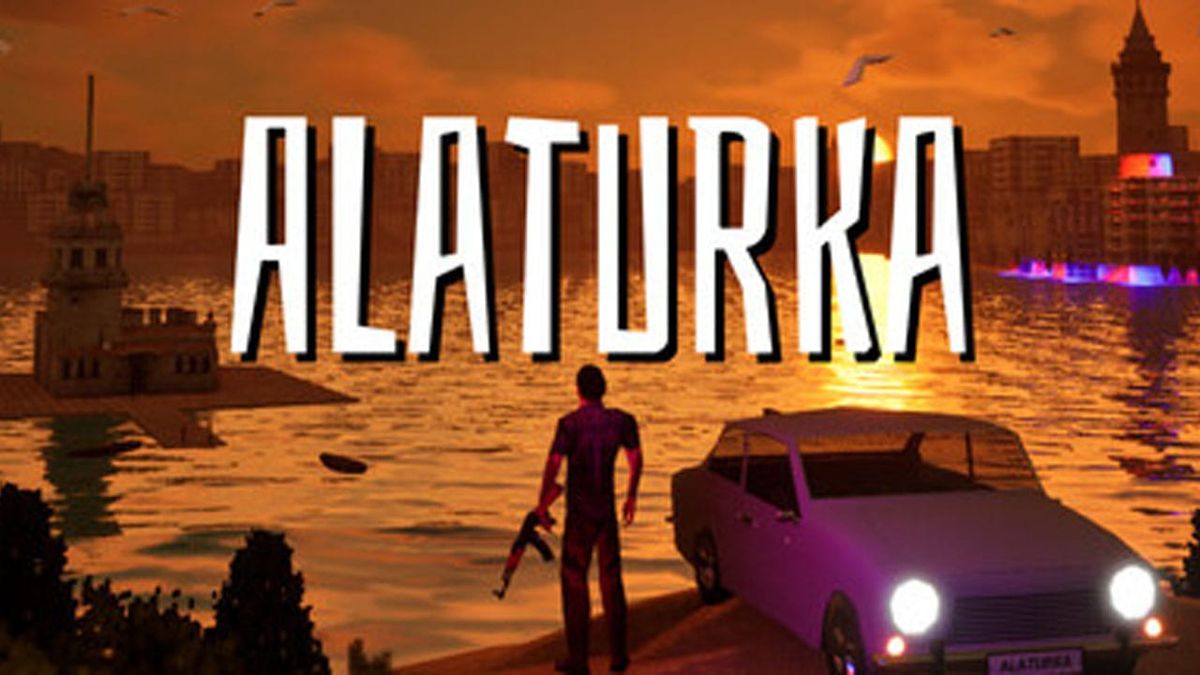
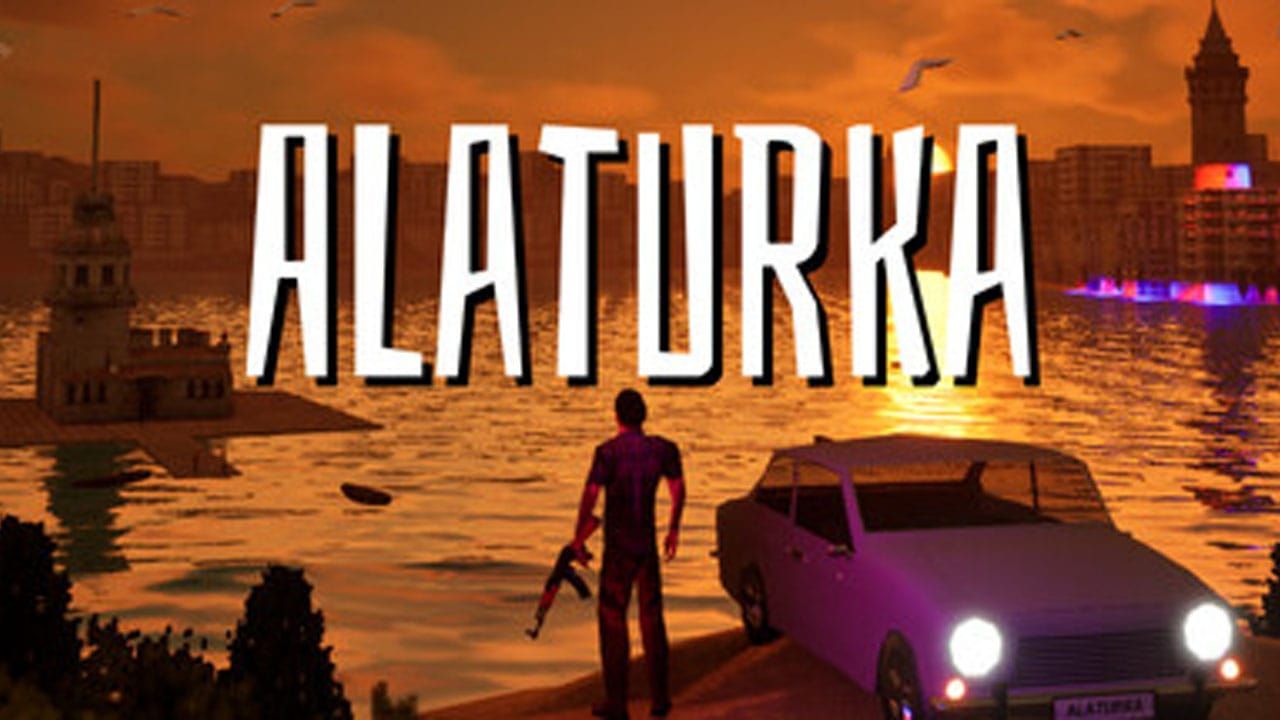
The title’s visual identity relies deliberately on retro, low-poly graphics reminiscent of sixth-generation console gaming. When members of the online community suggested updating or modernizing the game’s aesthetic tools using modern artificial intelligence solutions such as Claude, the developer issued a definitive refusal. The retro fidelity is a core design pillar, preserving a specific texture and era of video game development that newer technologies would inadvertently dilute.
Development Chronology and Transparency
The creation of ALATURKA represents a masterclass in transparent, grassroots game development. Over the span of approximately 24 months, bufuakgames constructed the entire project while broadcasting the process live. The developer completed over 50 public livestreams, documenting every phase of asset creation, coding, level design, and debugging.
While these broadcasts were conducted primarily in the Turkish language, they served as a comprehensive, open-source-style archive for followers interested in the technical hurdles of solo development. This public-facing approach fostered a dedicated community that followed not just the progress of the build, but the evolving lore of the game world. Discussions across community forums and social media channels frequently dive into environmental storytelling details—such as how various weapons found their way into the streets of 1970s Istanbul and the socio-economic implications of the protagonist’s humble beginnings as a kebab apprentice.
Economic and Technical Context of Solo Development

ALATURKA arrives at a time when the video game industry is experiencing a profound dichotomy. On one end of the spectrum, AAA studios grapple with escalating development budgets exceeding hundreds of millions of dollars, lengthy production cycles lasting half a decade or more, and corporate risk aversion that frequently stifles creative innovation. On the other end, the independent sector continues to thrive through micro-budget, passion-driven projects built by single developers or small teams.
By utilizing a zero-budget model and relying entirely on personal time and sweat equity, bufuakgames joins a lineage of successful solo developers who have leveraged nostalgia and distinct cultural settings to carve out viable niches on digital storefronts like Steam. The choice of a 1970s Istanbul backdrop also taps into a growing appetite for regional settings outside the traditional American or Western European urban landscapes that have long dominated open-world crime and driving simulations.
Community Reception and Anticipation
The release of the official gameplay trailer for ALATURKA catalyzed significant interest within retro gaming circles and Turkish gaming communities alike. The juxtaposition of mundane, blue-collar survival tasks—such as navigating bumper-to-bumper traffic to deliver food—with the chaotic sandbox freedom typical of open-world urban games has struck a chord with players.
The community’s engagement has largely centered on the humor and stark realism embedded within the premise. Rather than portraying an idealized historical fantasy, the game highlights the mundane struggles of urban survival, economic hardship, and the sensory overload of a major historical metropolis. This commitment to local flavor and specific cultural touchstones has elevated the title from a routine technical demo to a highly anticipated indie release.
Broader Impact and Industry Implications
The trajectory of ALATURKA highlights several shifting paradigms within the modern gaming landscape. First, it underscores the viability of transparent development models. By streaming the creation process in real-time, developers can build an organic, highly engaged audience long before a store page goes live or a marketing budget is deployed.
Second, the project demonstrates the enduring commercial and artistic value of retro aesthetics. Rather than chasing photorealism—a pursuit that demands massive financial investment and specialized workforce pipelines—independent creators can leverage stylized, nostalgic graphics to establish a distinct artistic identity that stands out in a crowded digital marketplace.
As of writing, ALATURKA is officially available for users to wishlist on Steam, though an official release date has yet to be announced by the developer. The game’s eventual launch will serve as another test case for whether hyper-localized, culturally specific indie titles can capture a global audience through distinct gameplay mechanics and uncompromising creative vision.