Cecilia Chamidah Nur
Technical Enhancements and Performance Metrics
The Version 1.0.2 update for the NNDDSS emulator addresses several long-standing complaints from the enthusiast community regarding audio-visual fidelity and stability. According to the release notes provided by Anbernic, the core improvements center on three distinct areas: audio processing, graphical rendering, and user-interface accessibility.
The most notable technical addition is the implementation of variable resolution adjustment for 3D-rendered titles. Previously, many titles on the RG DS Plus platform were restricted to native internal resolutions, which often resulted in visual artifacting or pixelation when displayed on the handheld’s higher-resolution screen. Version 1.0.2 now allows users to toggle an internal resolution upgrade of up to 2x. This process, often referred to as "integer scaling" or "internal resolution bumping," requires additional computational overhead, but the update claims to have optimized the rendering pipeline to ensure that the hardware can maintain a stable frame rate despite the increased graphical load.
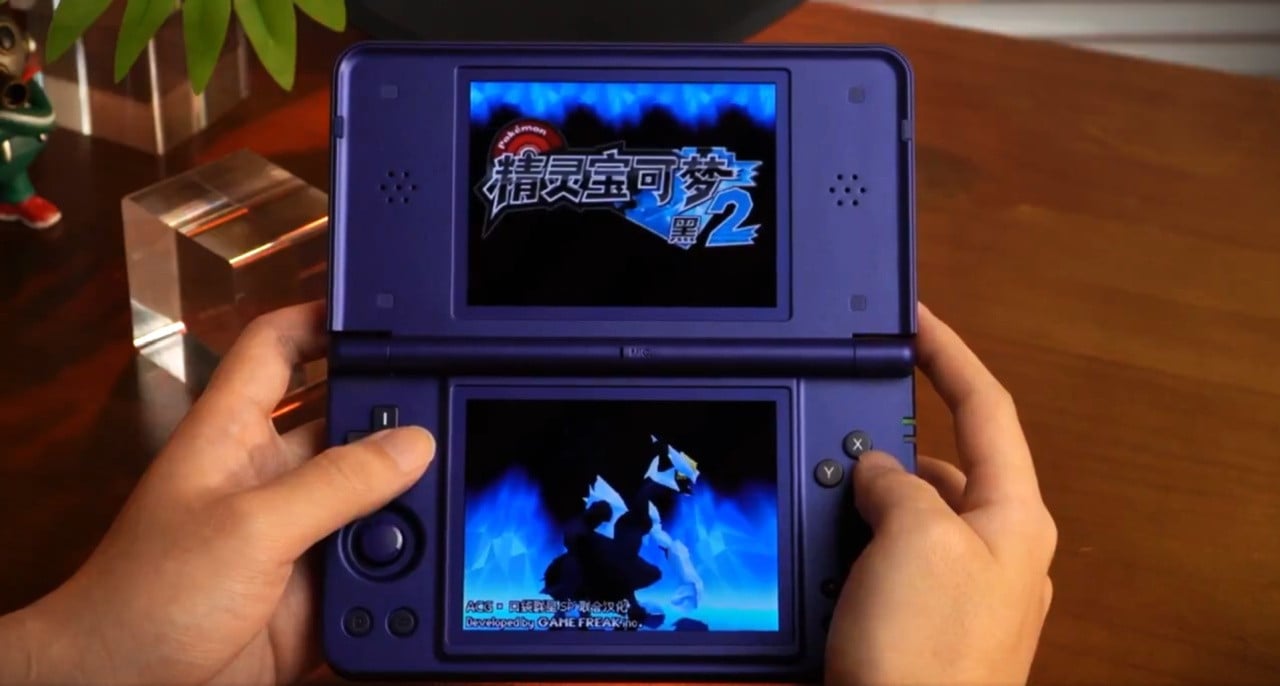
Audio performance has also received a substantial overhaul. Early feedback from users indicated intermittent crackling and latency issues in certain demanding titles. By refining the audio buffer management within the emulator’s source code, Anbernic claims to have mitigated these crackling artifacts. Furthermore, the inclusion of three new shader options provides users with a broader toolkit to simulate the specific visual aesthetic of the original hardware, including CRT-style scanlines and color-correction profiles that mirror the unique gamma curves of early dual-screen displays.
The Evolution of Emulation on Anbernic Hardware
To understand the significance of this update, one must look at the trajectory of the Anbernic RG DS Plus. Since its launch, the device has been marketed as a specialized solution for users who prefer a dedicated form factor over general-purpose mobile devices. Unlike universal emulators like RetroArch, the NNDDSS software is a proprietary environment optimized specifically for the chipset found in the RG DS Plus.
The chronology of this development began in late 2025, when Anbernic first introduced the NNDDSS interface. Throughout the first three quarters of 2026, the company issued minor hotfixes aimed at compatibility issues. Version 1.0.2 is the first "feature-heavy" update, suggesting that the development team has shifted its focus from basic compatibility—getting the games to run—to performance optimization and user experience.

This shift mirrors a broader industry trend where hardware manufacturers are increasingly acting as software developers. By maintaining the emulator in-house, Anbernic retains control over the user experience, though this approach has historically faced scrutiny from open-source proponents who argue that proprietary software limits the potential for community-led bug fixes and feature additions.
The Installation Process and User Experience
For the end user, the process of upgrading to Version 1.0.2 requires a manual intervention that reflects the "hands-on" nature of the retro-gaming hobby. Users are required to download the package from the official Anbernic portal and transfer the data to a secondary TF card. The reliance on TF Card 2 for system updates is a deliberate design choice, separating the system’s primary firmware from the user-managed application data.
Once the file is placed on the external media, the update is triggered through the internal "APPS" store. This gated approach serves as a protective measure, ensuring that the firmware update does not overwrite essential boot configuration files. Industry analysts note that while this process is effective, it remains a barrier for less technically inclined consumers. There has been speculation among industry experts that future iterations of Anbernic hardware may move toward over-the-air (OTA) updates, though the current reliance on manual file transfer remains the standard for the company’s current product line.
Broader Implications for the Retro Gaming Market
The release of NNDDSS 1.0.2 arrives at a time when the legal and technical landscapes of emulation are under increasing scrutiny. While emulation itself is a legal practice when utilizing legally owned ROMs, the commercial distribution of emulation hardware creates a complex ecosystem where hardware companies must navigate the fine line between providing a service and facilitating potential copyright infringement.
By providing regular updates, Anbernic is positioning itself as a reliable "platform provider" rather than merely a hardware manufacturer. This professionalization of the niche market has implications for how retro gaming is perceived by the broader public. If companies like Anbernic continue to refine their software to the point where the user experience is "plug-and-play" with high-fidelity graphical output, it potentially reduces the friction that has traditionally kept emulation confined to a highly technical audience.
Furthermore, the introduction of language support for seven different languages within the emulator firmware indicates that Anbernic is actively pursuing a global market strategy. By standardizing language options at the emulator level—rather than relying solely on the original game’s internal language selection—Anbernic is acknowledging the diverse demographic of its user base across Europe, Asia, and the Americas.

Industry Reception and Future Outlook
While there has been no official statement from external industry bodies, the consensus among tech reviewers and enthusiast forums has been cautiously optimistic. The inclusion of variable resolution scaling is widely considered the "missing piece" for the RG DS Plus, as it allows the device to compete more effectively with modern software-based emulators available on mobile platforms like Android or iOS.
Looking forward, analysts expect the focus of subsequent updates (1.0.3 and beyond) to be on save-state stability and potentially expanding compatibility with peripheral hardware. As cloud-syncing features—such as those discussed in adjacent sectors of the retro-gaming community—become more prevalent, there is growing pressure on hardware-focused manufacturers like Anbernic to integrate more robust backup solutions. The optimization of the save-state feature in this current update is likely a precursor to more advanced features, such as cross-device synchronization or cloud-based progress storage.
In conclusion, the Version 1.0.2 update for the NNDDSS emulator is a significant technical upgrade that addresses critical performance issues while adding requested features like resolution scaling and localized language support. It highlights the company’s commitment to the RG DS Plus platform and reinforces the trend of hardware manufacturers taking a more active role in the software lifecycle of their products. As the market for dedicated retro-gaming devices continues to mature, such updates will remain essential for maintaining the value proposition of these specialized handhelds in an increasingly competitive digital landscape. Consumers are advised to follow the official installation procedures closely to ensure the integrity of their device’s firmware during the update process.