 Cecilia Chamidah Nur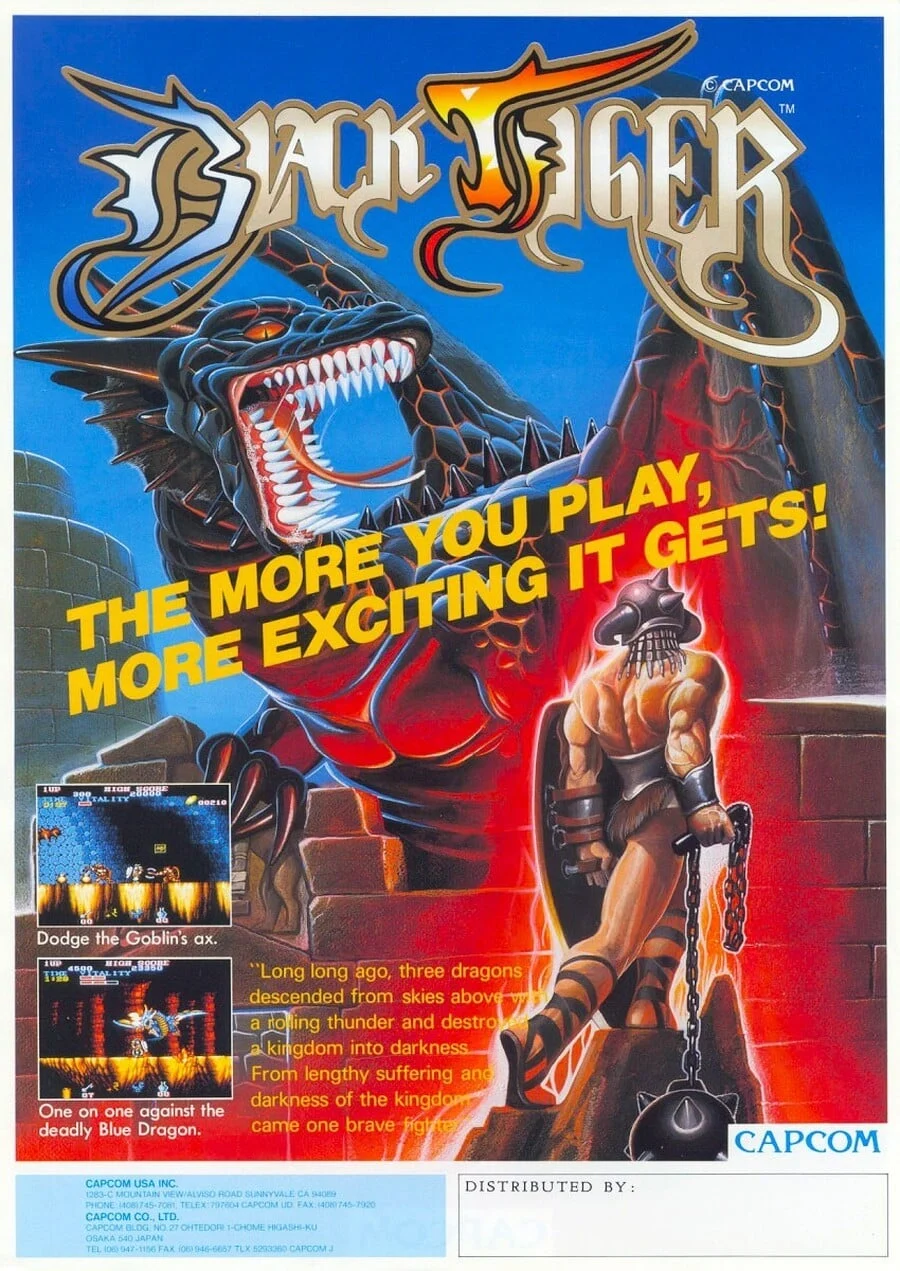
A Legacy of Capcom Arcade Design
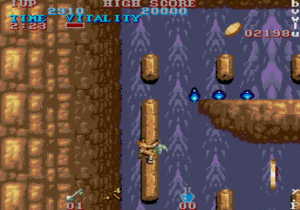
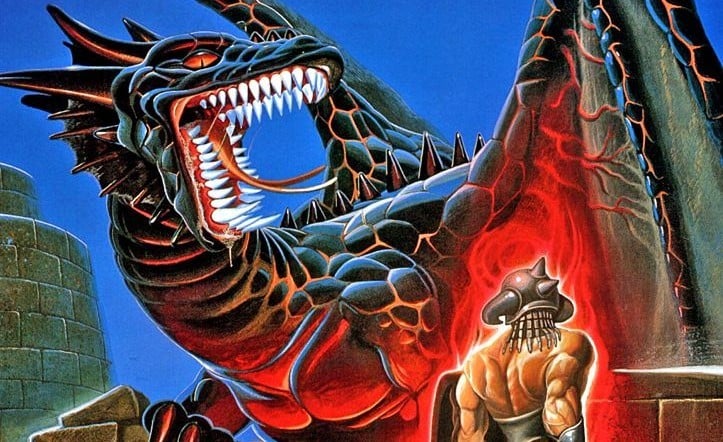
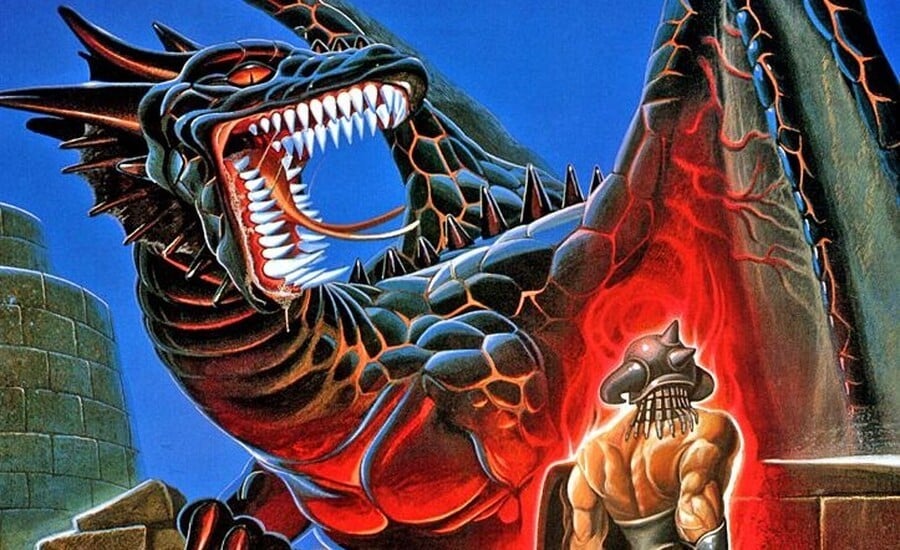
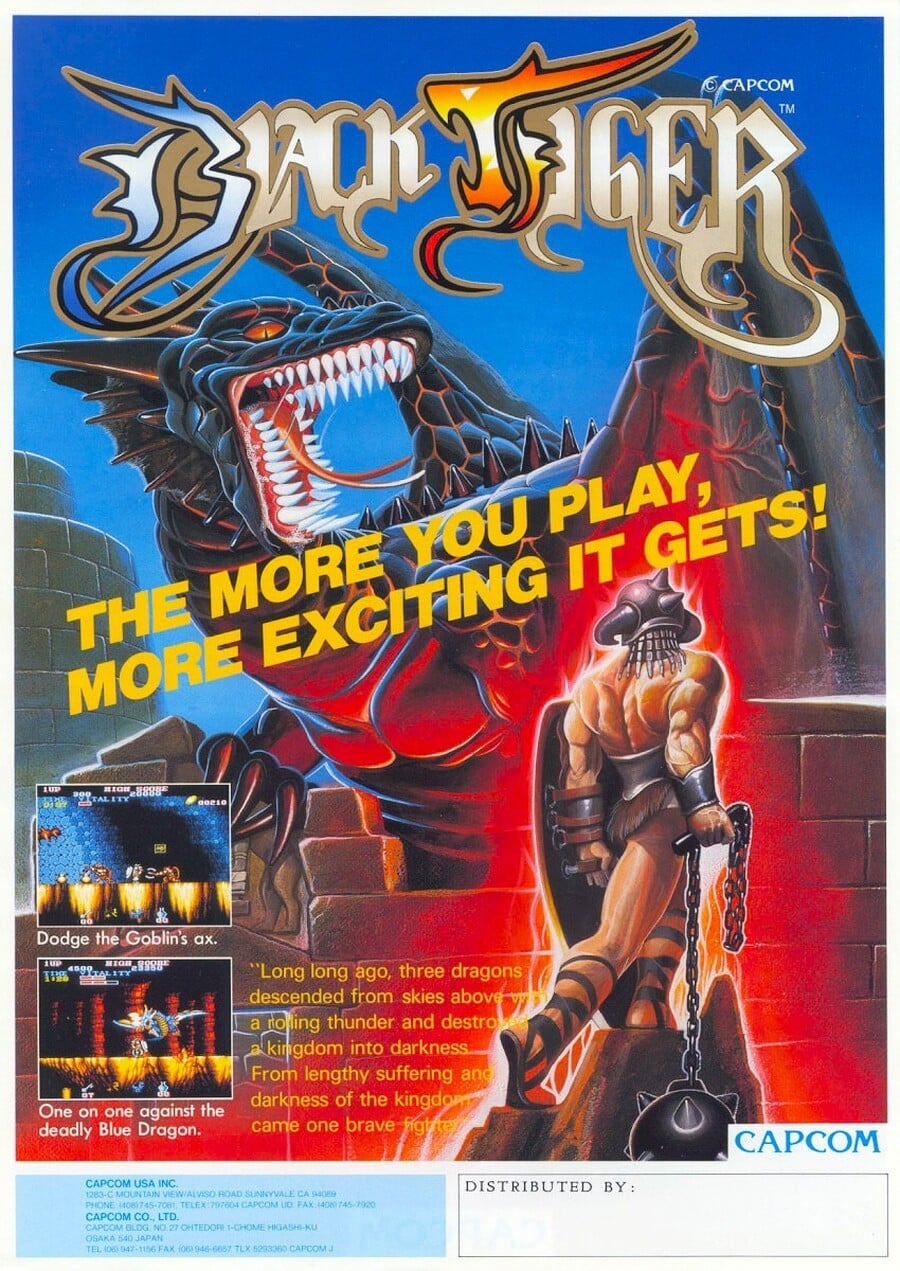
Black Tiger, released in 1987, occupies a unique space in the Capcom canon. Known in its native Japan as Black Dragon, the game serves as a foundational piece of the company’s action-platformer lineage. The premise is a quintessential high-fantasy narrative: a lone barbarian warrior embarks on a treacherous journey to liberate his kingdom from the tyranny of three malevolent dragons.
While the game’s narrative is straightforward, its mechanical design was anything but. Black Tiger was characterized by extreme difficulty, relentless enemy spawns, and environmental hazards that demanded precise timing and memorization. These design philosophies would eventually become hallmarks of later Capcom successes. Industry analysts often point to the DNA of Black Tiger when discussing the development of Magic Sword (1990), the gothic precision of Ghouls ‘n Ghosts (1988), and the innovative verticality found in Bionic Commando (1987). By the late 1980s, Capcom had established a "hard but fair" reputation that defined the arcade experience for a generation of players, and Black Tiger was one of the early engines of that reputation.
The Technical Challenge of the Port
Converting an arcade title to home hardware in the late 1980s and early 1990s was a feat of engineering, often requiring significant compromises. The Sega Genesis, while a powerhouse for its time, operated under different constraints than the proprietary Capcom arcade boards of 1987.
Rester159’s approach to this port highlights the meticulous nature of modern homebrew development. Rather than relying on high-level emulation, the developer has employed the SGDK to write code directly for the Genesis’ Motorola 68000 processor and its custom VDP (Video Display Processor). This native execution ensures that the game runs as a legitimate software product on the console’s hardware architecture.
To accommodate the limitations of the Genesis hardware compared to the original arcade board, several technical compromises were necessary. These include:
- Color Palette Optimization: The Genesis possesses a smaller color palette than the arcade hardware, necessitating a reduction in the vibrancy and variety of hues used in background and sprite rendering.
- Parallax Management: To maintain a consistent frame rate, the developer implemented limited parallax scrolling, a staple of 16-bit design that occasionally requires optimization to prevent hardware strain.
- Tile Rendering: By utilizing perpetual rendering of background tiles, the port manages to keep the action fluid even when the screen is saturated with enemy projectiles and hazards.
Despite these technical hurdles, the current iteration of the port is remarkably complete. It features all eight of the original game’s stages, fully playable from start to finish. Furthermore, the developer has included an original "Boss Rush" mode, a feature not present in the 1987 arcade version, which adds significant replay value for modern players.
Chronology of Development and Community Reception
The project is part of a broader trend in the retro gaming scene: the "unrealized port." Many iconic 1980s arcade games never saw a proper home conversion, or received ports that were so heavily compromised they bore little resemblance to the source material.

The timeline of the Black Tiger project reflects a growing interest in preserving these "missing" ports. Rester159 began the project with the goal of creating a faithful representation that, while not "arcade perfect," captures the visceral feel of the original experience. The development has been iterative, with the creator utilizing the itch.io platform to distribute builds for community feedback.
This feedback loop has been crucial. By allowing the public to play through the game via Genesis emulation, the developer has been able to identify bugs and performance bottlenecks that would be difficult to isolate in a vacuum. As of the latest update, the game has reached a state of "full playability," meaning the core logic, collision detection, and level progression are functionally sound.
The Role of SGDK in Modern Homebrew
The use of the Sega Genesis Development Kit cannot be overstated in the context of this project. SGDK, maintained by Stephane Dallongeville, has democratized development for the Sega 16-bit platform. By allowing developers to use C-language coding—a significant step up from the assembly language required in the 1990s—SGDK has lowered the barrier to entry for talented programmers.
This transition has led to a "second golden age" for the Genesis. Projects like Black Tiger are not merely hobbyist experiments; they are sophisticated software engineering projects that demonstrate a deep understanding of 16-bit hardware. By using open-source tools to port titles that were previously locked to arcade hardware, the homebrew community is effectively rewriting the history of the console, filling in the gaps left by original publishers.
Implications for Game Preservation
The unofficial porting of Black Tiger raises broader questions regarding game preservation and the role of the community in sustaining legacy media. Capcom, like many other legacy publishers, holds the rights to the Black Tiger intellectual property. While the company has occasionally re-released its back catalog through collections like the Capcom Arcade Stadium, many titles remain inaccessible to those without access to original hardware or high-end emulation.
When a fan-led project like this reaches a high level of fidelity, it serves several functions:
- Cultural Archiving: It keeps the design philosophies of 1987 alive, allowing new generations of players to experience the challenging, high-stakes gameplay of the era.
- Educational Tool: The source code and the methods used to achieve the port provide a blueprint for other developers interested in the limitations and capabilities of the Motorola 68000 architecture.
- Market Validation: While these projects are unofficial, they often highlight a persistent demand for classic arcade experiences, which may influence future commercial releases or re-issues by the original rights holders.
Looking Ahead
While the project is fully playable, the developer notes that there are still "creases to be ironed out." This is standard for complex development, where balancing system resources requires constant fine-tuning. The potential for a physical cartridge release remains a topic of interest within the retro gaming community, as many homebrew developers eventually partner with publishers to produce limited-run physical media for collectors.
For now, the project stands as a testament to the dedication of the homebrew community. It is a reminder that the lifespan of a console is not determined by its commercial manufacturer, but by the developers and fans who continue to find new ways to push the hardware to its absolute limit. Whether one views Black Tiger as a challenging relic or a foundational masterpiece of action design, the arrival of this port on the Genesis platform is an event of genuine significance for the history of interactive entertainment.
As the project approaches its final polish, it remains a focal point for those interested in the intersections of hardware, software, and the enduring appeal of the 16-bit era. It serves as a bridge between the coin-op arcades of the late 80s and the modern, enthusiast-driven landscape of retro game development, proving that when a Tiger is a Tiger—even an unofficial one—it remains a formidable opponent.