Retno Hari Mulyono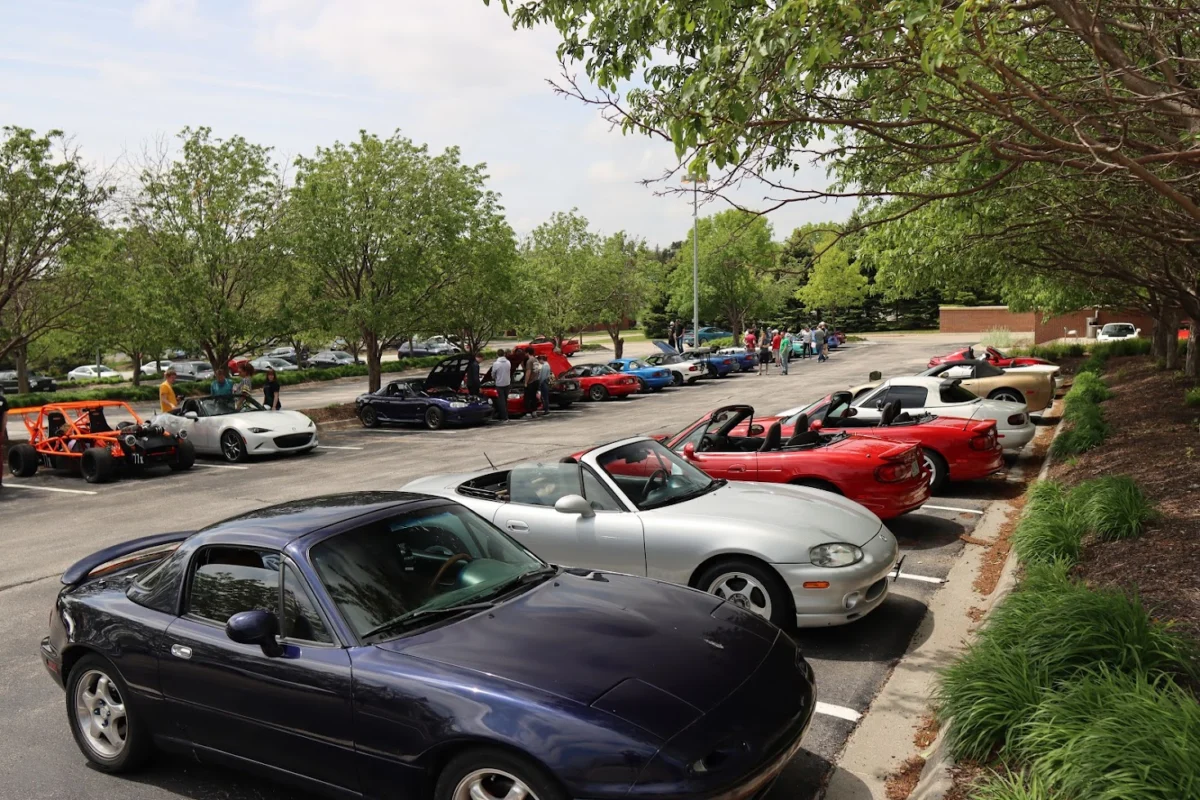
In March 2021, the acquisition of a 2000 Mazda Miata marked the commencement of an intensive twelve-month automotive project centered on the "NB" second-generation platform. This specific iteration of the world’s best-selling roadster has long been a focal point for driving enthusiasts due to its front-engine, rear-wheel-drive layout and its reputation for mechanical simplicity. Over the course of the following year, the vehicle underwent a comprehensive transformation involving baseline restoration, performance tuning, aesthetic modification, and rigorous testing in competitive environments. The project highlights a broader trend in the automotive community where owners prioritize mechanical engagement and "raw" driving dynamics over the high-horsepower figures common in modern performance vehicles.
Technical Specifications and Historical Context
The 2000 Mazda Miata, belonging to the NB1 sub-generation (1998–2000), features the 1.8-liter BP4W engine. This powerplant is a dual-overhead-cam (DOHC) inline-four engine capable of producing approximately 140 horsepower and 119 lb-ft of torque in its factory configuration. Crucially for DIY enthusiasts, the BP4W is a non-interference engine, meaning that a failure of the timing belt will not result in catastrophic contact between the pistons and valves. This mechanical safeguard, combined with a curb weight of roughly 2,300 pounds and a sophisticated double-wishbone suspension at all four corners, establishes the NB Miata as a premier platform for both novice and experienced tuners.
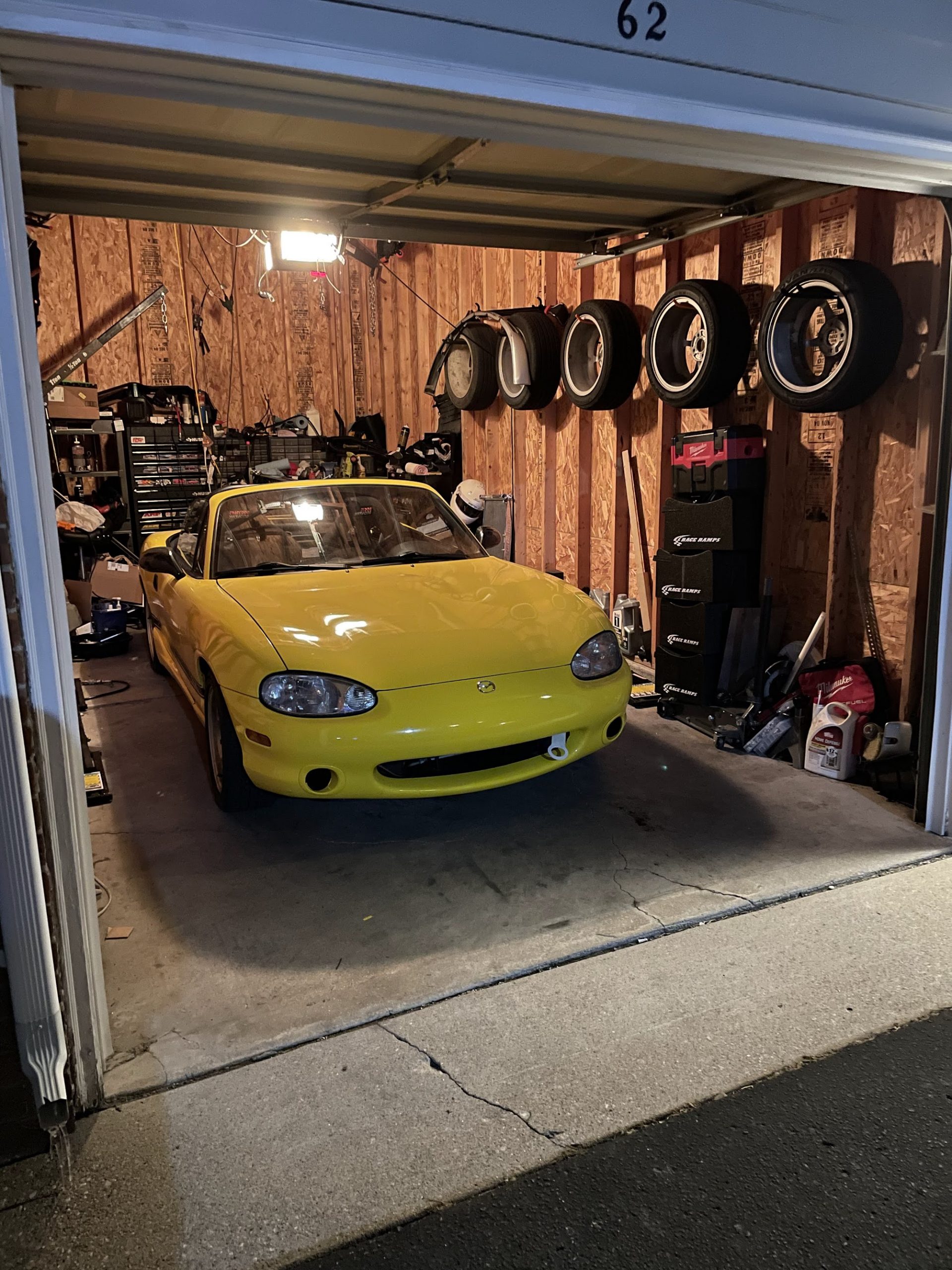
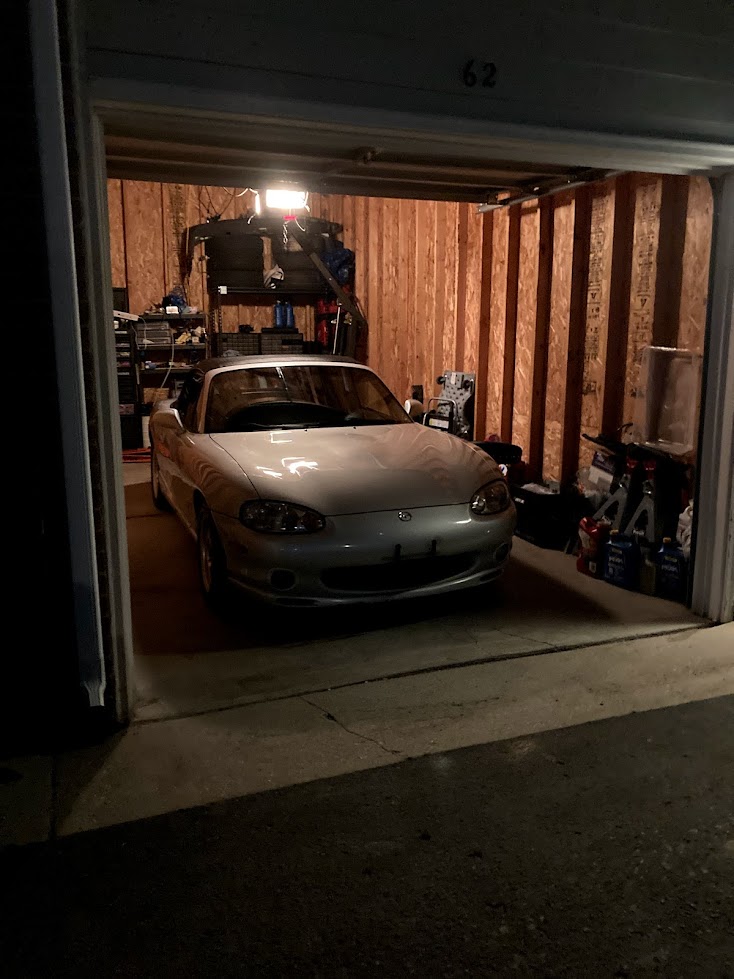
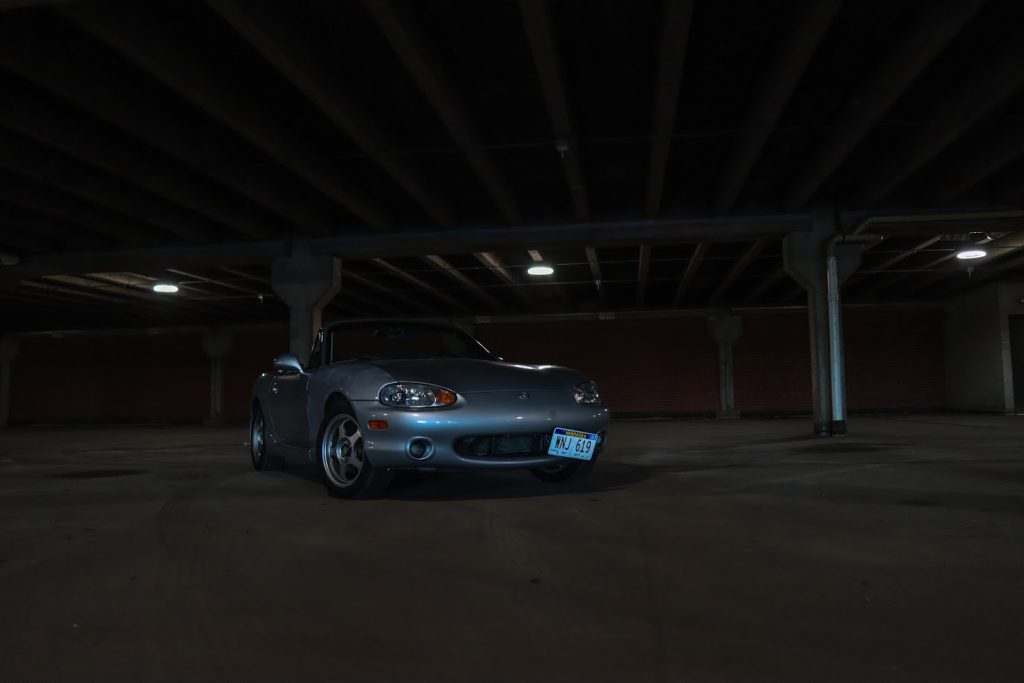
The project began on March 19, 2021, with the purchase of a silver unit. Initial assessments noted the vehicle’s lightweight architecture and direct steering feedback. While the stock engine’s straight-line speed is modest by contemporary standards, the platform’s high ceiling for modification allows it to excel in technical driving scenarios, including autocross and closed-circuit track racing.
Phase I: Baseline Maintenance and Reliability Engineering
Upon acquisition in late March, the primary objective shifted toward establishing a "known good" mechanical state. The vehicle lacked a documented maintenance history, a common challenge in the secondary market for twenty-year-old sports cars. In April 2021, a comprehensive overhaul was initiated to ensure long-term reliability before the car was subjected to the stresses of high-performance driving.
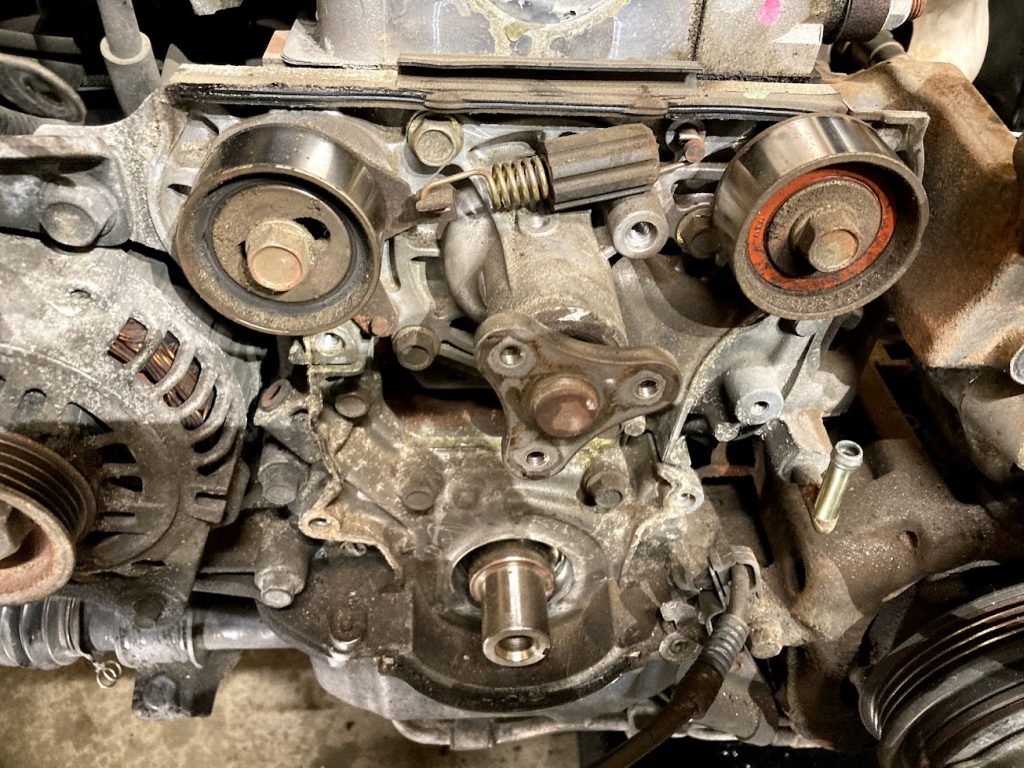
The maintenance schedule included a full inspection of the cooling system, ignition components, and timing assembly. Given the high-revving nature of the BP4W engine during track use, ensuring the integrity of the timing belt and water pump was paramount. This phase of the project serves as a case study for responsible enthusiast ownership: prioritizing mechanical health over cosmetic upgrades to prevent roadside failures and to provide a stable baseline for future performance data.
Phase II: Performance Upgrades and Community Engagement
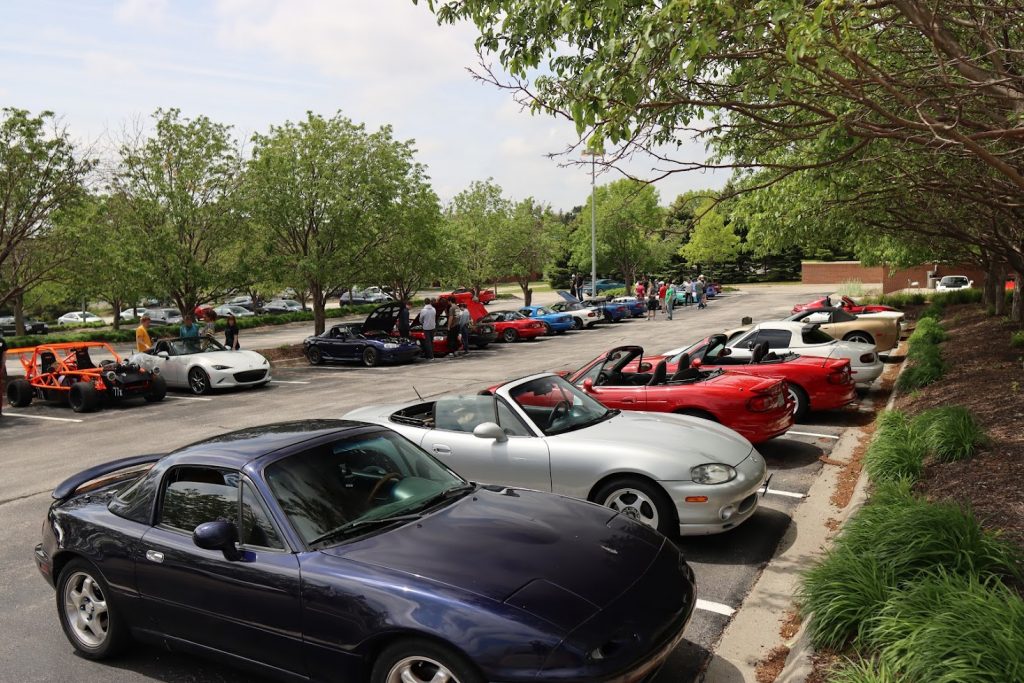
By May 2021, the vehicle was deemed mechanically sound, allowing for integration into the broader enthusiast community. Attendance at regional Miata car meets provided a cross-section of the platform’s versatility, showcasing everything from stock restorations to V8-swapped "Exocet" kit cars. This community feedback loop often informs the technical direction of individual projects.
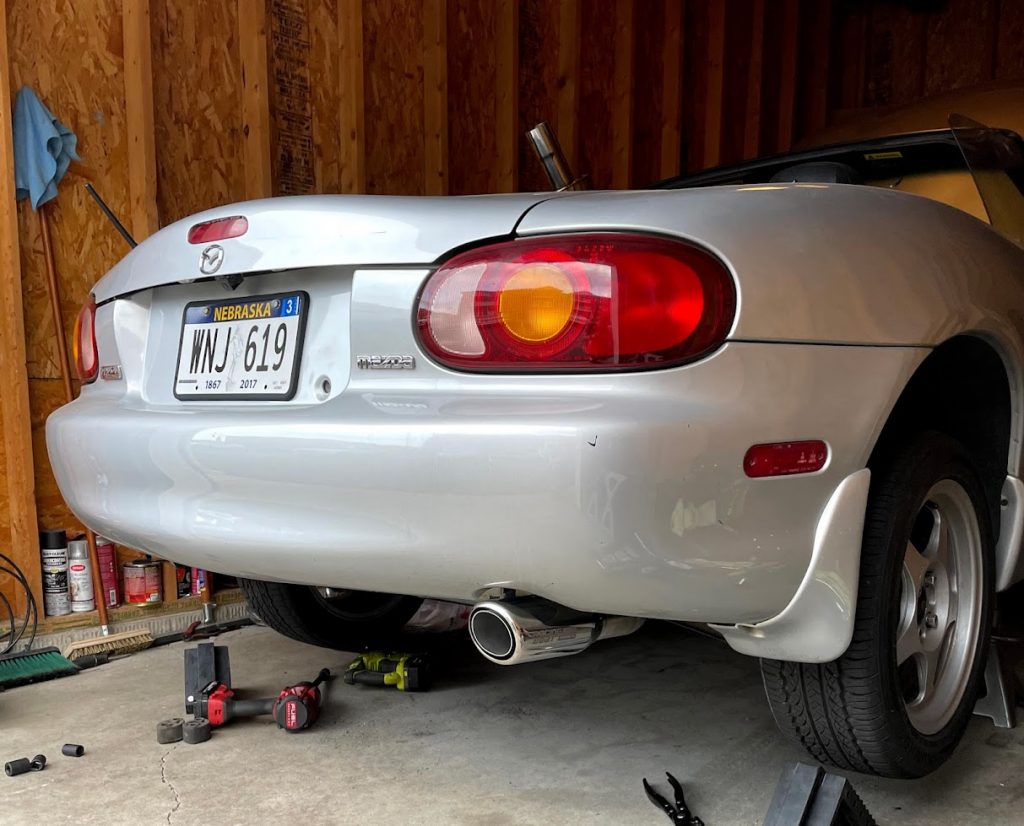
In June 2021, the focus shifted to the vehicle’s exhaust and emissions systems. Seeking to improve the engine’s auditory profile and reduce weight, the owner replaced the factory components with a Raceland header, a Cobalt midpipe, and a Racing Beat Power Pulse muffler. This combination was selected to achieve a balanced sound—increasing presence without inducing excessive "drone" at highway speeds. However, the installation highlighted the complexities of working on aging vehicles; rusty bolts and the accidental disconnection of the Exhaust Gas Recirculation (EGR) pipe led to persistent engine codes, illustrating the iterative nature of automotive modification.
Phase III: Aesthetic Transformation and Aerodynamic Preparation
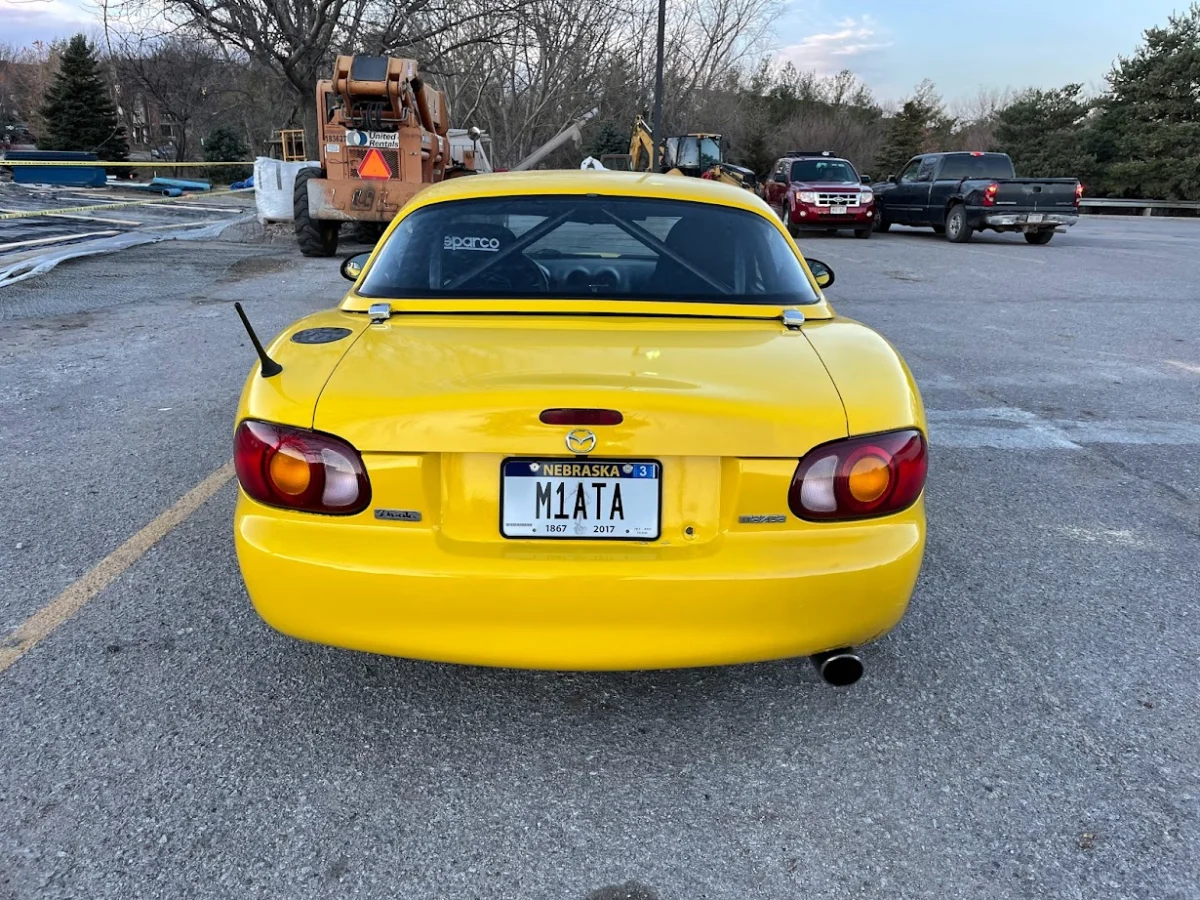
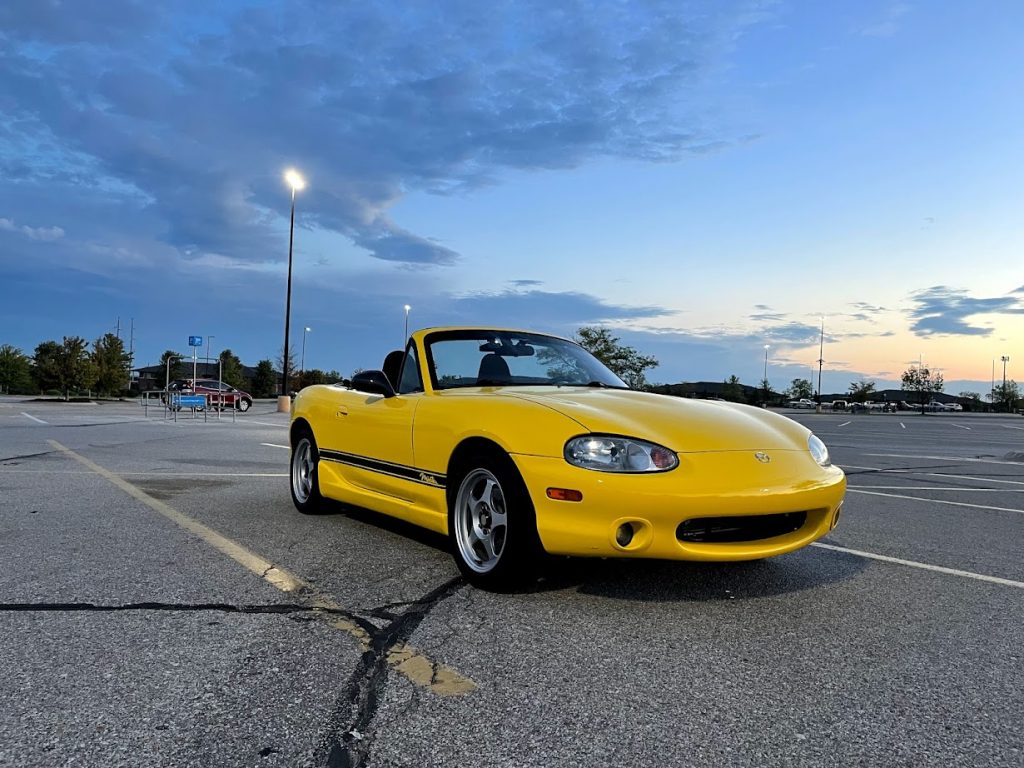
In July and August 2021, the project underwent its most significant visual change. The original Sunlight Silver paint, while classic, was replaced with a full yellow vinyl wrap. Prior to the wrap, a damaged front fender was replaced with a panel painted via aerosol, providing a smooth surface for the vinyl adhesion.
The transition to a high-visibility color reflects a common trend in the track community, where bright liveries improve visibility to other drivers and track marshals. Beyond the color change, the application of vinyl acts as a sacrificial layer, protecting the underlying paint from rock chips and debris encountered during high-speed driving sessions.
Phase IV: Performance Testing in Controlled Environments
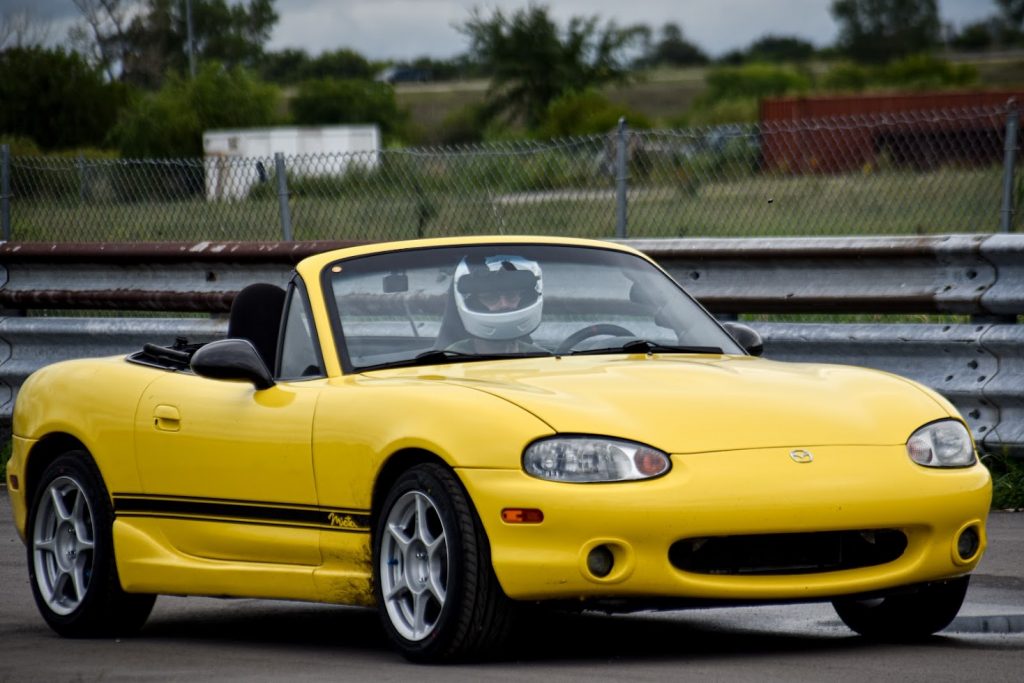
The transition from a "street car" to a "track-capable" vehicle was validated in September 2021 at Raceway Park of the Midlands. This track day served as a critical data-gathering event. Closed-circuit driving exposes weaknesses in a vehicle’s cooling, braking, and suspension systems that are rarely apparent during legal street use. The NB Miata’s performance confirmed its status as a viable entry-level racing platform, emphasizing cornering speed and momentum over raw power.
Following the track day, the vehicle was entered into autocross events in October 2021. Autocross, which involves navigating a course defined by pylons in a large paved area, tests low-speed agility and driver precision. These events are significantly more cost-effective than full track days and allow for frequent testing of suspension adjustments in a safe environment.
Phase V: Winter Overhaul and Structural Integrity
As the project entered the fourth quarter of 2021, the regional climate in Nebraska necessitated a shift in operations. To prevent the onset of rust—a notorious issue for the NB generation’s frame rails and rocker panels—the vehicle was largely removed from salted roads. The installation of a factory hardtop during the winter months provided increased structural rigidity and improved cabin insulation.
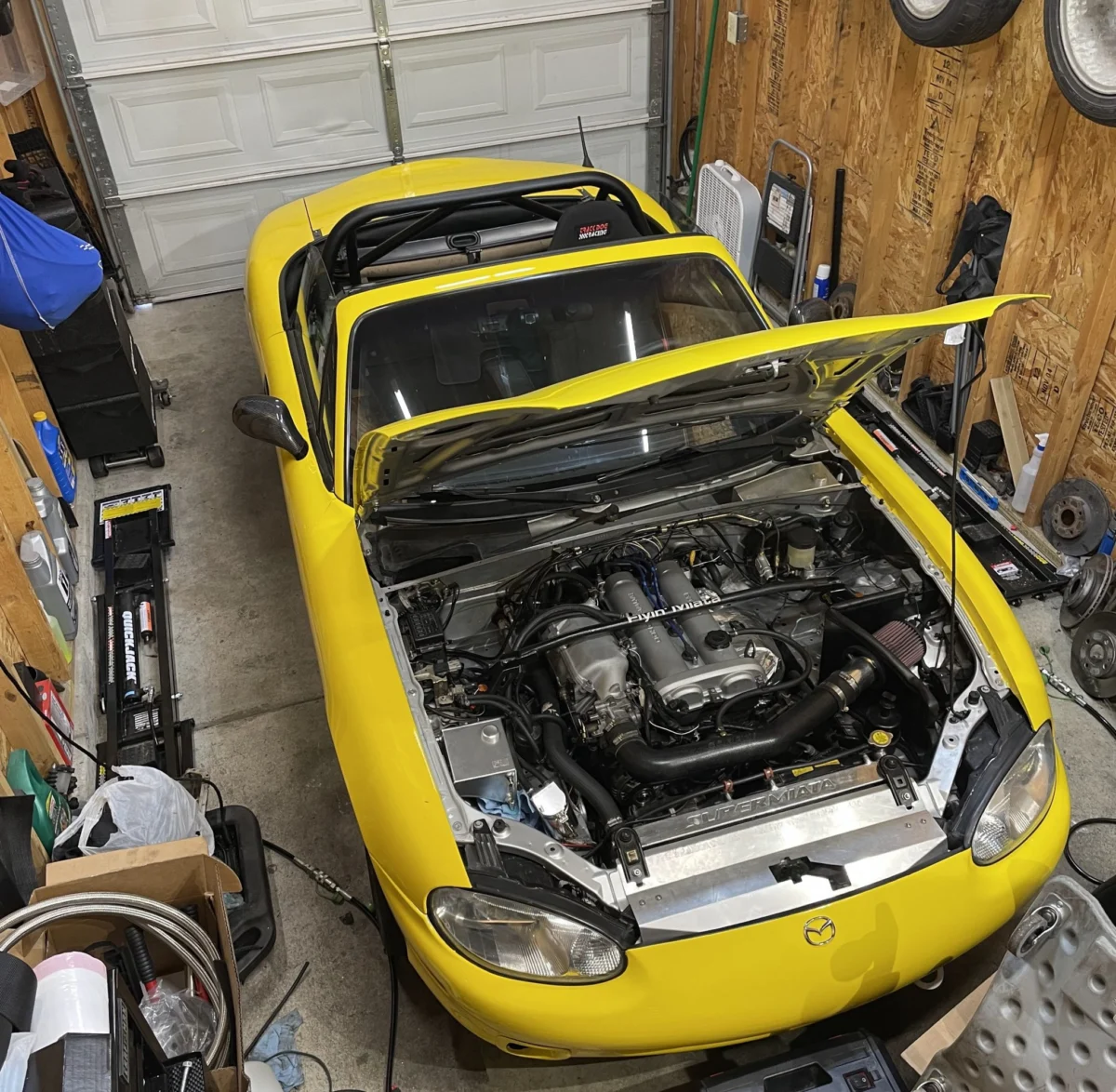
December 2021 and January 2022 were dedicated to "engine-out" and suspension maintenance. Working in a garage environment during the off-season, the owner addressed several critical issues:
- Rear Main Seal Replacement: A common leak point that requires the separation of the engine and transmission.
- Coolant Reroute: A cooling system modification designed to improve flow to the rear cylinders, which are prone to overheating in the stock configuration.
- Suspension Refresh: The installation of upgraded bushings and dampers to sharpen handling characteristics.
- Oil Pan Repair: Addressing a stripped drain plug to ensure reliable fluid changes.
This period of intensive labor demonstrates the commitment required to maintain a twenty-year-old vehicle under the rigors of performance driving.
Phase VI: Safety Systems and Precision Alignment
In February 2022, the final phase of the first year focused on occupant safety and chassis tuning. To meet the requirements for high-performance driving events (HPDE), the vehicle was fitted with Track Dog Racing UltraShield Rally Sport seats and six-point racing harnesses. A critical safety metric in convertible racing is the "broomstick test," which requires the driver’s helmeted head to sit below a line drawn from the top of the roll bar to the windshield frame.
Furthermore, a DIY alignment was performed to optimize the vehicle’s contact patch. While professional alignment racks offer laser precision, the enthusiast’s move toward DIY string alignments highlights the desire for total control over the vehicle’s setup. By the end of February, the car was equipped with a fire extinguisher and the driver utilized a Head and Neck Support (HANS) device, aligning the project with modern safety standards.
Analysis of Broader Implications
The twelve-month journey of this NB Miata reflects a significant segment of the modern automotive landscape: the "save the manuals" and DIY restoration movement. As new vehicles become increasingly insulated and electronically complex, drivers are returning to platforms like the NB Miata to regain a sense of mechanical agency.
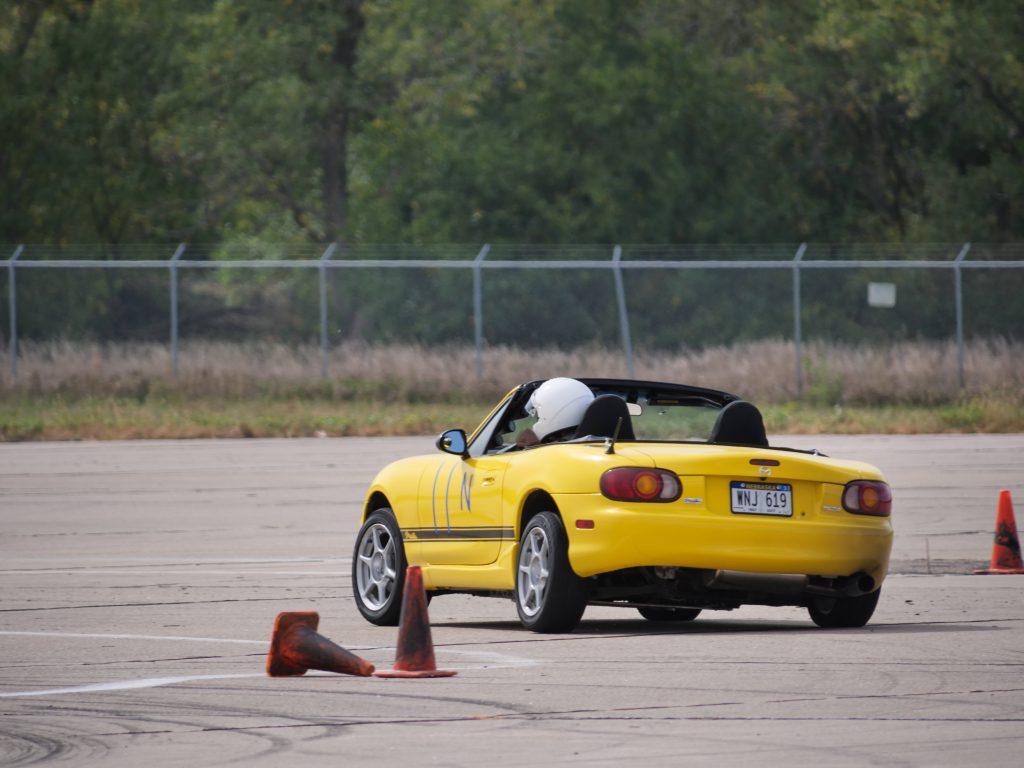
From a technical standpoint, the project illustrates that a twenty-year-old car can remain competitive and reliable through disciplined maintenance and targeted upgrades. The data collected over these twelve months suggests that the "lightweight, low-power" philosophy remains a valid path for driver development. By focusing on the fundamentals of grip, balance, and reliability, the owner has transitioned a standard commuter car into a specialized tool for performance driving.
Conclusion and Future Outlook
As of March 2022, the project has completed its first full cycle of ownership. The vehicle has evolved from a stock silver roadster with an unknown history into a track-ready, yellow-wrapped enthusiast machine with fully documented systems. The upcoming year is expected to focus on fine-tuning the suspension settings and increasing the frequency of competitive events.
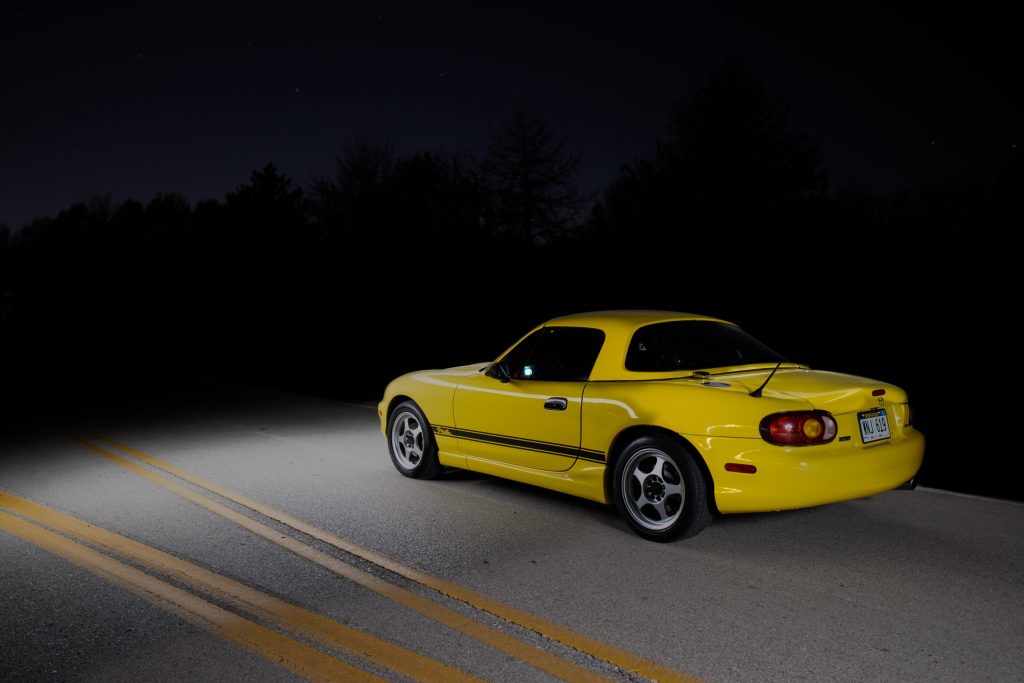
The success of the first twelve months serves as a roadmap for other enthusiasts: start with a reliable platform, address baseline maintenance immediately, and let performance needs dictate the modification path. The NB Miata project remains an ongoing testament to the enduring appeal of the analog driving experience in an increasingly digital age. Through a combination of community support, technical diligence, and a willingness to perform complex repairs, the owner has ensured that this 2000 Mazda Miata will continue to provide high-level engagement for years to come.