Retno Hari Mulyono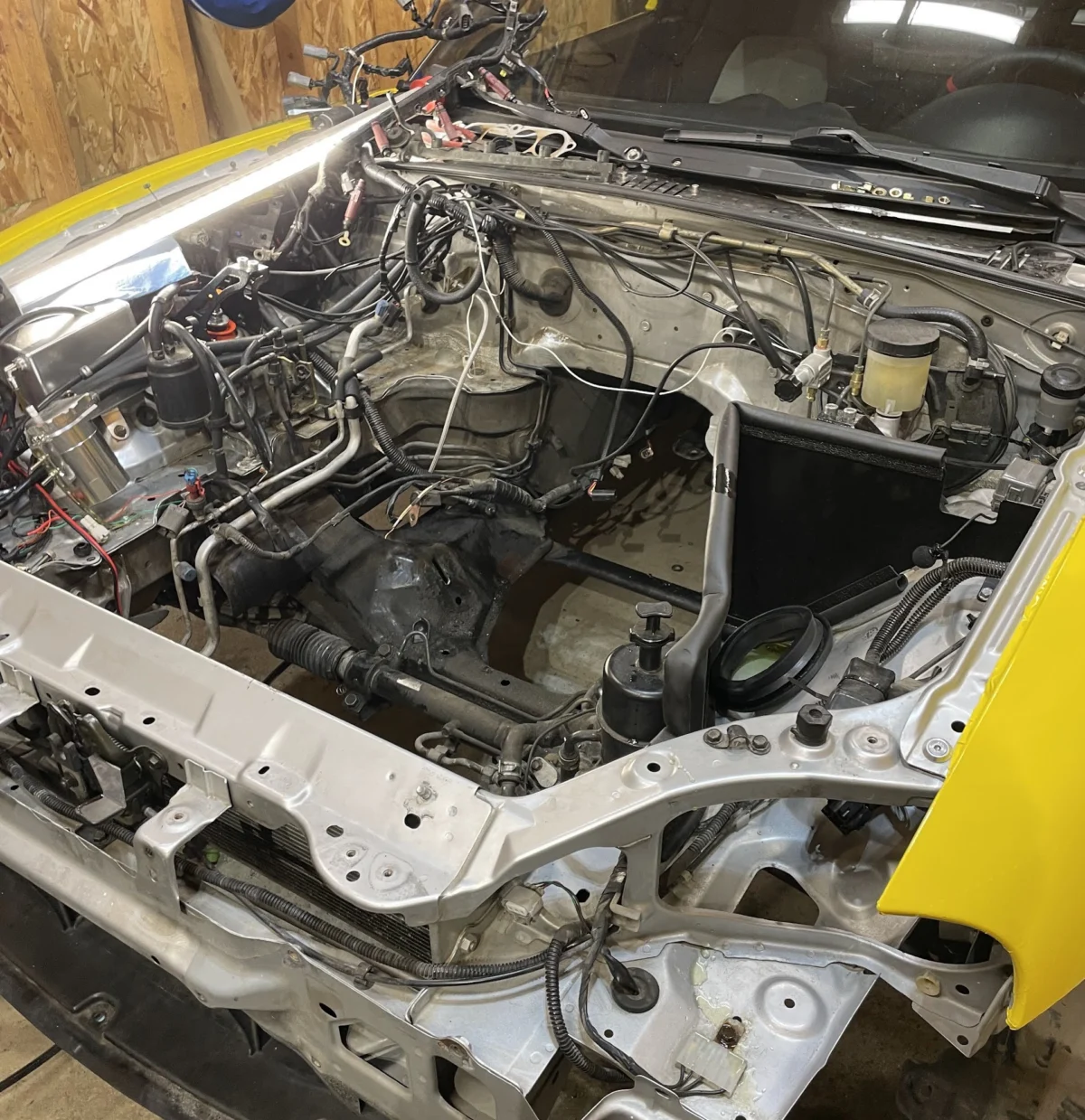
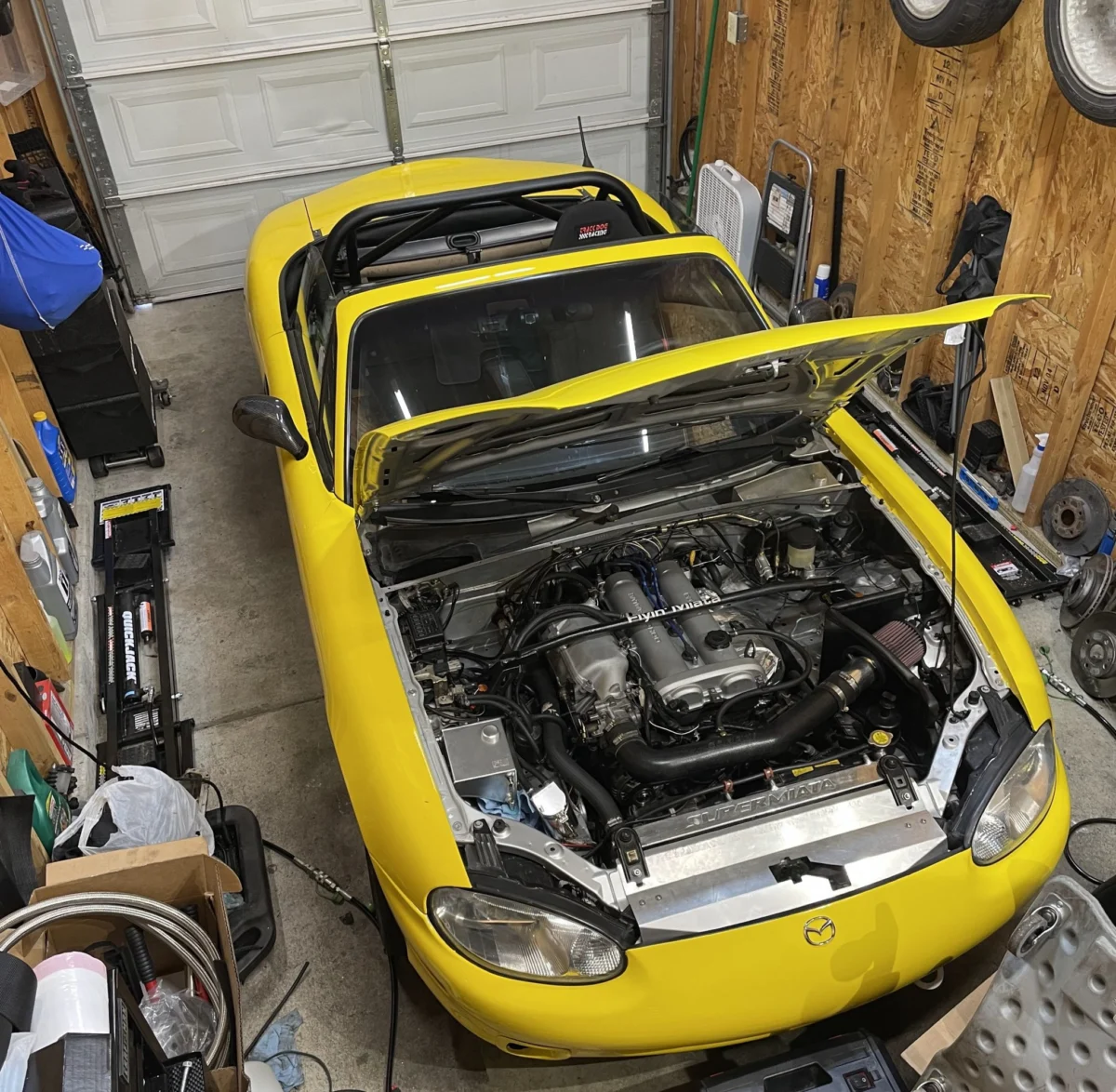
The Mazda MX-5 Miata, specifically the second-generation NB model (1998–2005), remains a cornerstone of the global enthusiast and amateur racing communities. While renowned for its balanced chassis and reliability, the aging fleet of NB Miatas now faces a series of predictable mechanical degradations, primarily concerning oil retention and thermal management. A recent comprehensive technical project involving a 2000 model year NB Miata has highlighted the strategic advantages of a "total extraction" approach to maintenance, wherein the engine and transmission are removed as a single unit to facilitate systemic upgrades and repairs that would otherwise be prohibitively difficult in situ.
Technical Context: The Mazda BP Engine Architecture
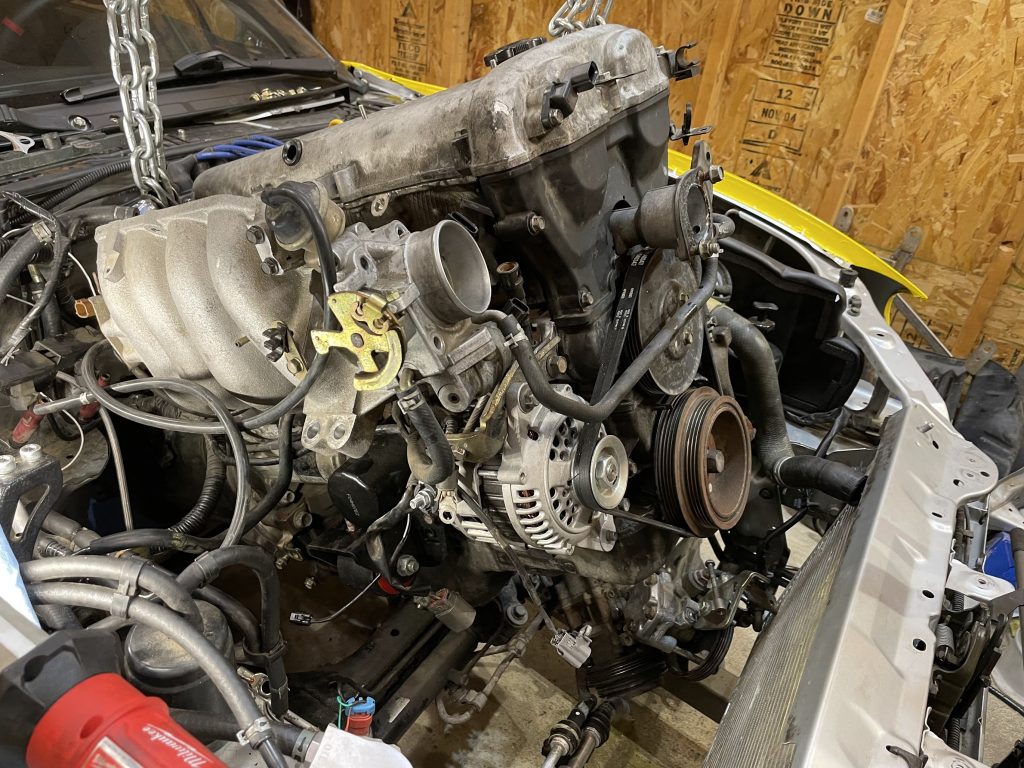
The engine at the heart of this project is the Mazda BP-series, a 1.8-liter DOHC inline-four. Originally designed for transverse mounting in front-wheel-drive vehicles like the Mazda 323, its adaptation for the longitudinal, rear-wheel-drive layout of the Miata introduced several engineering compromises. The most notable of these is the cooling system’s flow path. In its original transverse application, coolant entered one side of the block and exited the other. In the Miata, however, both the inlet and outlet were positioned at the front of the engine to clear the firewall. This configuration often results in "coolant stagnation" at the rear of the cylinder head, specifically affecting cylinder number four, which can run significantly hotter than the others under high-load conditions.
Furthermore, the BP engine is notorious among mechanics for its propensity to develop oil leaks as it surpasses the two-decade mark. Key failure points include the cam cover gasket, the front and rear crank seals, and the oil pan-to-block interface, which relies on Room Temperature Vulcanizing (RTV) silicone rather than a traditional gasket.
Chronology of the Overhaul Project
The project was initiated during the winter off-season, a standard timeframe for significant mechanical interventions in the enthusiast community. The primary catalyst was a deteriorating rear main seal, which had progressed from a minor "weep" to a significant leak, threatening clutch engagement and environmental compliance.
The technical lead on the project determined that while individual repairs—such as the rear main seal—could be performed by dropping the transmission, the cumulative list of required maintenance made a full engine extraction more efficient. This list included the replacement of a stripped oil pan, the installation of a performance clutch and lightweight flywheel, a cooling system redesign, and an intake manifold upgrade.
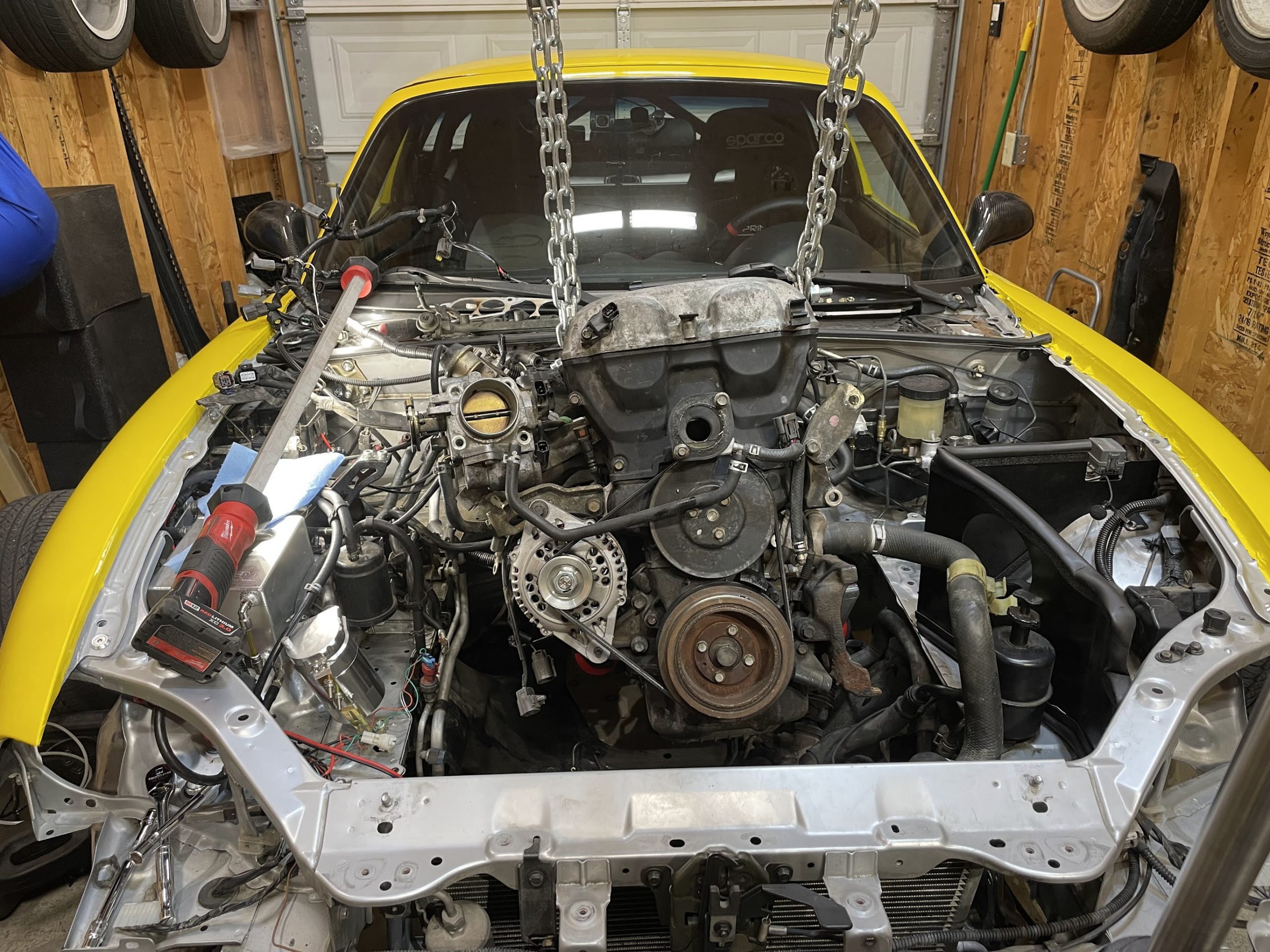
The extraction process involved disconnecting the wiring harness, fuel lines, and cooling hoses, followed by the removal of the engine and transmission as a combined assembly. This method, though requiring an engine hoist and leveler, allows for a more thorough inspection of the engine bay and easier access to the rear of the engine block.
Sealing and Fluid Retention Strategy
The primary objective was the absolute mitigation of oil leaks. The technician targeted several high-risk areas:
- The Rear Main Seal: Utilizing a specialized installation tool from Flyin’ Miata, the new seal was set to a precise depth. This tool is considered an industry standard for the platform, as it prevents the seal from being seated unevenly, which is a common cause of immediate post-repair failure.
- Transmission Seals: Both the input and output shaft seals of the five-speed manual transmission were replaced. Inspection revealed a slow leak at the output shaft, confirming the necessity of this preventative measure.
- Oil Pan Replacement: The original oil pan suffered from stripped drain plug threads, a common result of over-torquing in aluminum components. A replacement pan was sourced and installed. The process involved a meticulous cleaning of the block and the baffle plate—a component sandwiched between the block and the pan. The technician noted that the baffle plate is easily deformed during removal and requires careful separation to maintain a flat sealing surface for the RTV.
Drivetrain and Thermal Management Upgrades
With the engine removed, the project transitioned from maintenance to performance optimization. The stock clutch and flywheel, likely original to the 2000 model year vehicle, were replaced with a Supermiata Sport Clutch and a 9lb aluminum flywheel.
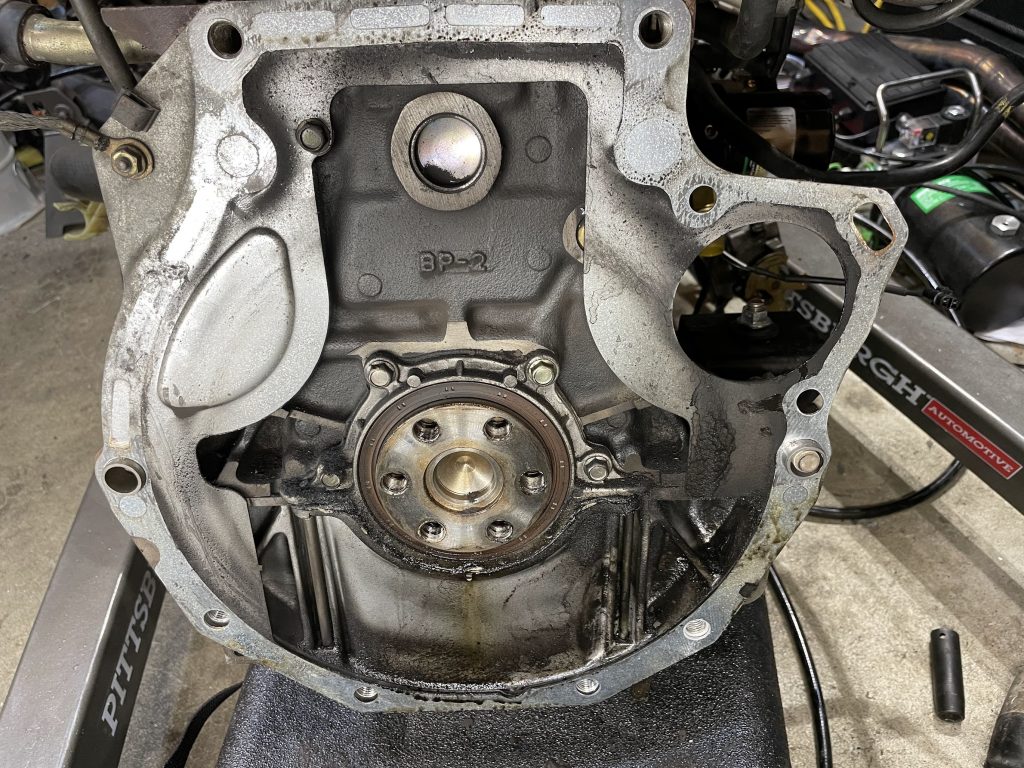
From a data perspective, the transition from a standard 18-20 lb cast-iron flywheel to a 9 lb aluminum unit represents a significant reduction in rotational inertia. This allows the engine to accelerate through its RPM range more rapidly and facilitates more precise rev-matching during downshifts. The Supermiata Sport Clutch was selected for its organic friction material, which maintains street-friendly engagement characteristics while offering a torque capacity exceeding the limits of the stock five-speed transmission.
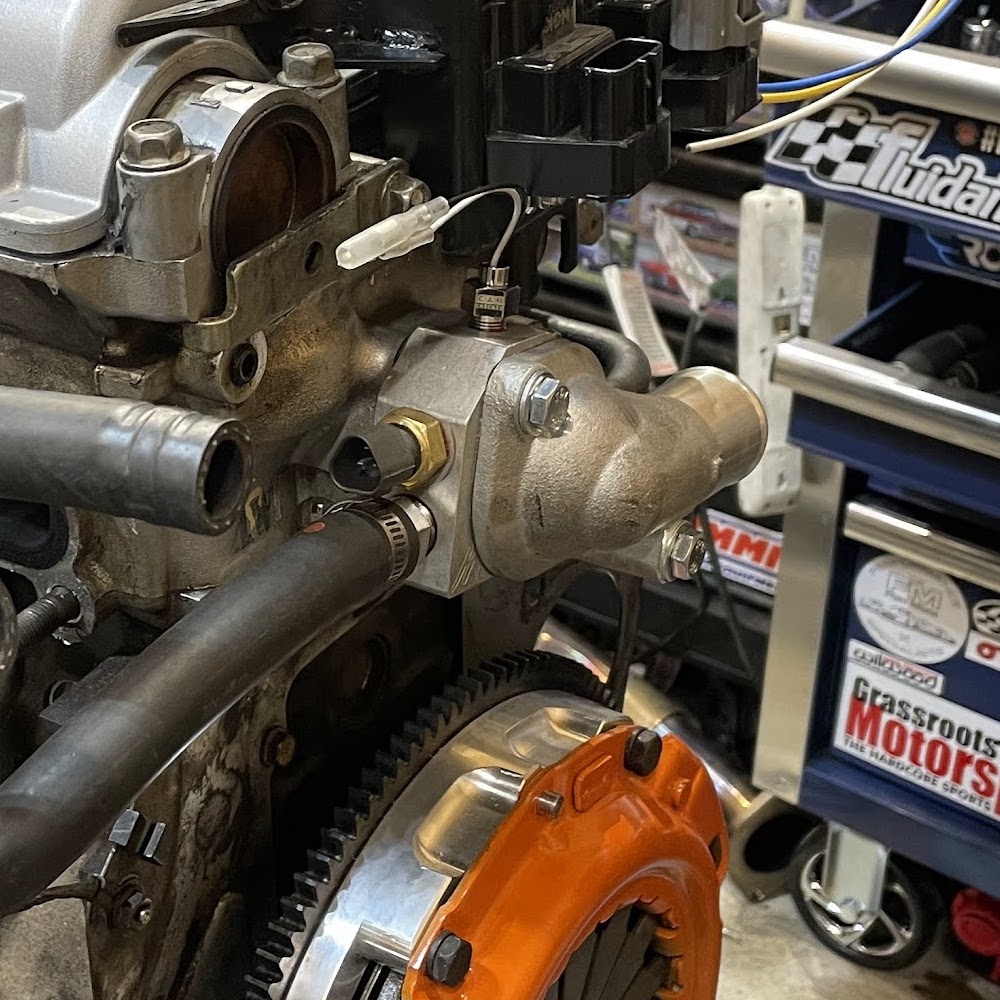
To address the aforementioned cooling deficiencies, a Hawley Performance coolant reroute kit was installed. This modification moves the thermostat housing from the front of the engine to the rear of the cylinder head, effectively restoring the engine’s original transverse flow logic. This ensures that fresh coolant passes through the entire length of the head before exiting, significantly reducing the temperature of the fourth cylinder. While the technician noted that bleeding air from the modified system was more complex, the use of a "spill-proof" elevated funnel eventually stabilized the system.
Volumetric Efficiency: The "Flattop" Intake Manifold
The final major mechanical change involved the intake system. The 2000 NB Miata originally featured the Variable Inertial Charging System (VICS), which uses a set of butterfly valves to change the effective length of the intake runners, optimizing torque at different RPM ranges.
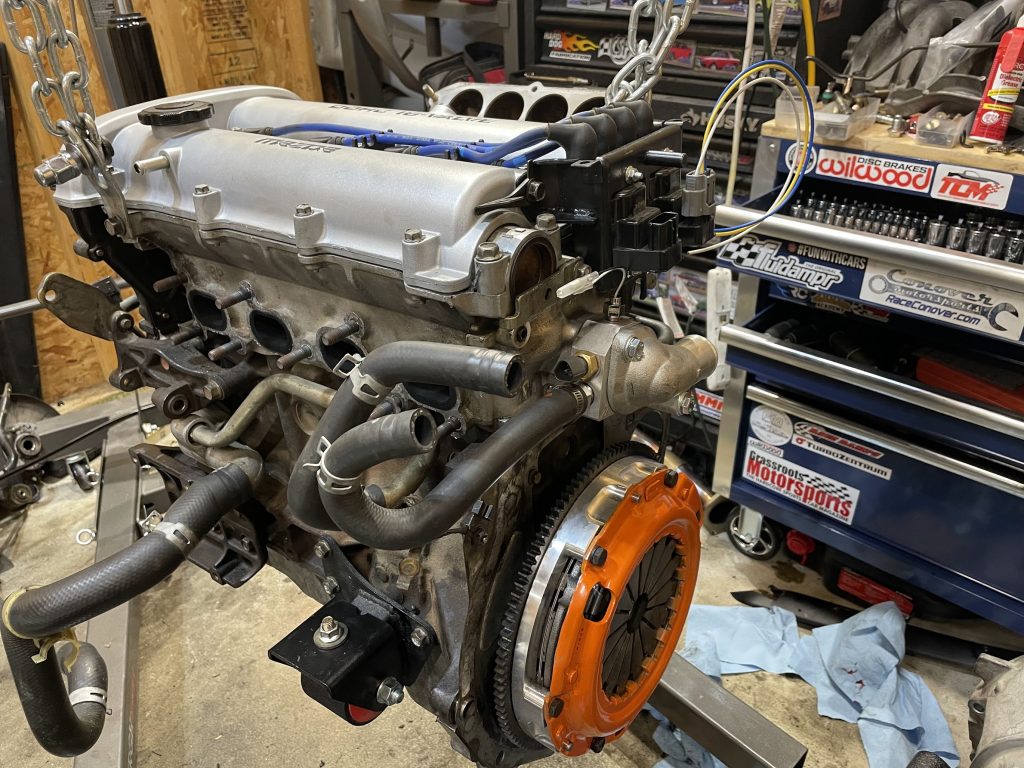
However, for track-oriented applications, the European and Japanese Domestic Market (EUDM/JDM) "Flattop" manifold is often preferred. This manifold lacks the internal butterfly valves, offering a simpler, more direct flow path that is optimized for high-RPM power. The installation of the Flattop manifold simplifies the vacuum routing and eliminates potential failure points within the intake tract, aligning with the project’s goal of "simplification for reliability."
Post-Installation Analysis and Technical Setbacks
Following the reinstallation of the powertrain, the vehicle underwent a 500-mile break-in and testing period. Initial results were positive: the new clutch settled into a predictable engagement pattern, and the lightweight flywheel significantly improved the engine’s responsiveness. Cooling data indicated lower operating temperatures for both coolant and oil, suggesting the Hawley Performance reroute was functioning as intended.
However, the project encountered a significant setback common in high-mileage engine work. After 500 miles, a fresh oil leak was detected at the rear of the engine. Technical analysis suggests three possibilities:
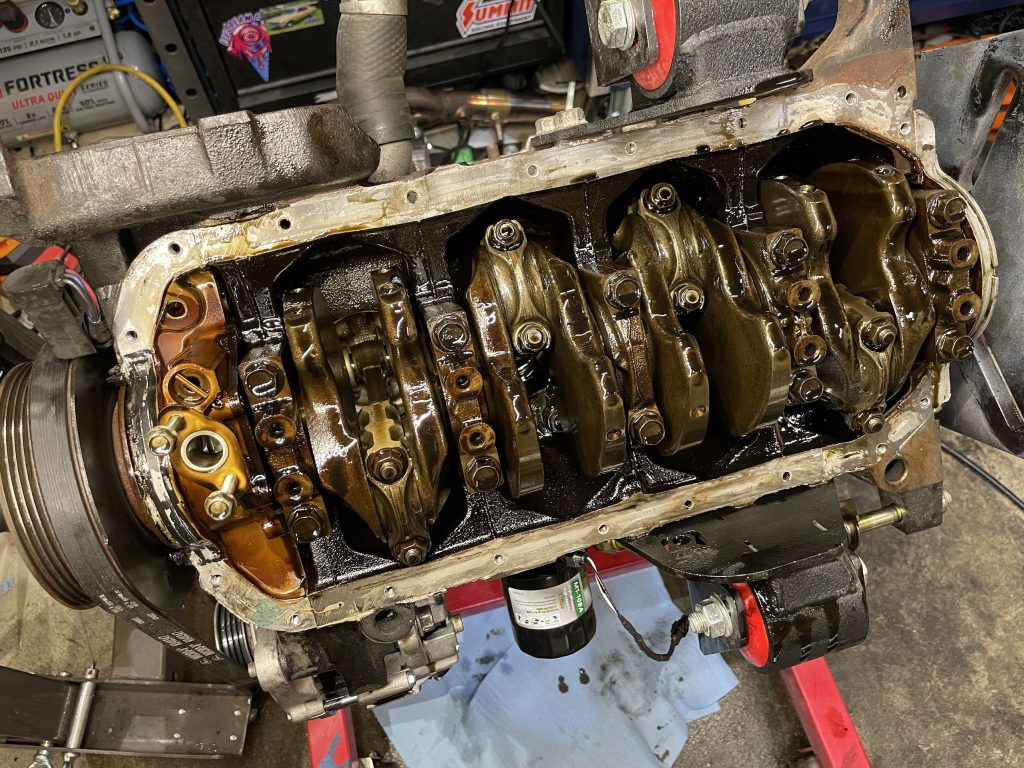
- Installation Error: Despite the use of specialized tools, the rear main seal may have sustained damage during the mating of the engine and transmission.
- Structural Integrity: A small crack was discovered on the flange of the replacement oil pan. While initially treated with epoxy, the thermal expansion and contraction of the aluminum pan may have compromised the temporary seal.
- Crankshaft Wear: In some high-mileage BP engines, the crankshaft itself develops a "groove" where the seal sits, preventing even a new seal from maintaining a perfect interface.
Broader Implications for the Miata Enthusiast Market
This project serves as a representative case study for the "restomod" philosophy currently dominating the Miata market. As these vehicles age, owners are increasingly moving away from "patchwork" repairs toward "systemic" overhauls.
The decision by the technician to put a deposit on a spare BP4W engine from a UK-based specialist, Prestige Spares, reflects a growing trend in the United States: the importation of high-quality, lower-mileage components from overseas markets to sustain the domestic fleet. The arrival of this spare motor in April will allow for a "controlled" rebuild, where the engine can be blueprinted and sealed on a stand before being swapped into the car, minimizing downtime and ensuring the highest possible assembly standards.
Conclusion
The NB Miata engine pull project demonstrates that while the platform is exceptionally accessible for DIY mechanics, it is not without its complexities. The interplay between cooling, sealing, and drivetrain performance requires a holistic approach. The recurring leak encountered in this case underscores the reality that with twenty-year-old aluminum castings, even meticulous work can be undermined by material fatigue or microscopic structural failures.
As the enthusiast community continues to refine the BP engine platform, the data gathered from such projects—ranging from the effectiveness of different RTV application methods to the cooling benefits of various reroute kits—contributes to a collective knowledge base that keeps these iconic sports cars on the road and the track. The next phase of this specific project will likely involve a comparative analysis of the current engine versus the incoming UK-spec replacement, providing further insights into the longevity and performance potential of the Mazda NB platform.