Retno Hari Mulyono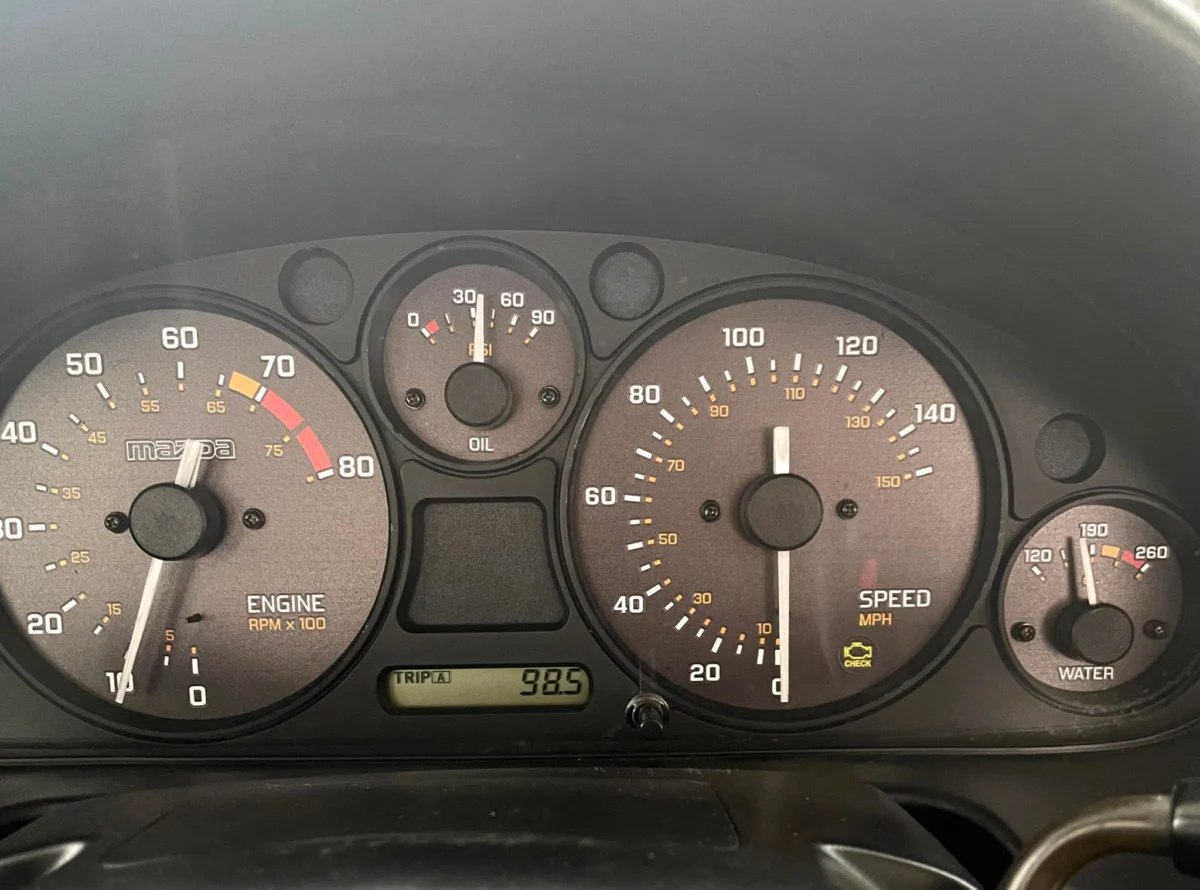
The second-generation Mazda MX-5, known internally as the NB chassis, remains a cornerstone of the global enthusiast community, yet its aging factory instrumentation presents significant hurdles for modern performance driving. Automotive technicians and track-day participants have long criticized the factory gauge cluster for its lack of precision, specifically regarding its "buffered" coolant and oil pressure indicators. Recent developments in aftermarket integration have introduced a sophisticated solution: the CANchecked MFA 2.0 multifunction display. This digital integration, when paired with high-precision RevLimiter analog faces, represents a paradigm shift in how drivers monitor engine health without compromising interior ergonomics or safety.
The Evolution of Mazda MX-5 Instrumentation and the "Dummy Gauge" Dilemma
When the Mazda MX-5 NB debuted in 1998, it inherited a design philosophy centered on driver engagement. However, to reduce service department inquiries from concerned owners, Mazda implemented "damped" gauges for critical engine vitals. Unlike the early 1990–1994 NA models, which featured true linear oil pressure gauges, the NB utilizes a basic pressure switch. This switch remains in a static, centered position as long as pressure exceeds approximately 7 PSI. Consequently, the needle provides no information regarding oil thinning due to heat or high-RPM fluctuations, only dropping to zero once a catastrophic loss of pressure has already occurred.
The factory coolant temperature gauge operates under a similar logic. It is programmed with a wide "dead zone" in the center of the sweep. The needle reaches the midpoint at approximately 160°F and remains stationary until the engine exceeds 210°F. For a high-performance or turbocharged application, this lack of granularity is a significant liability. By the time the needle begins its ascent toward the red zone, the engine may already be experiencing thermal runaway or head gasket failure.
The Limitations of Conventional A-Pillar Modifications
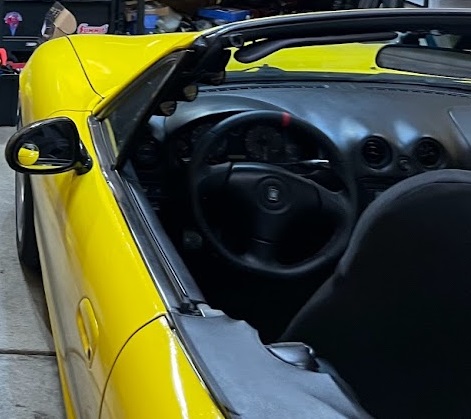
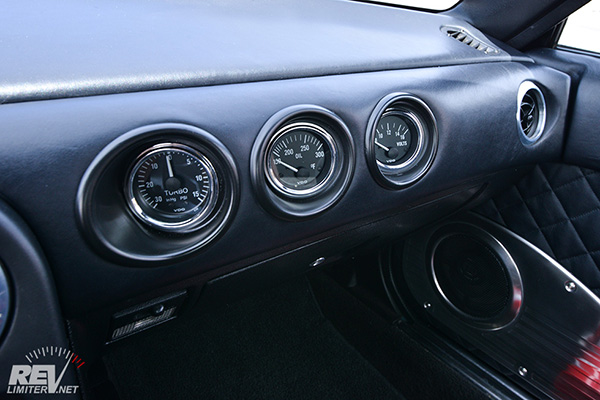
To circumvent these factory limitations, the traditional enthusiast response has been the installation of external gauge pods, typically mounted on the driver-side A-pillar. While this method allows for the inclusion of accurate sensors—such as Wideband Air-Fuel Ratio (AFR) monitors and boost gauges—it introduces secondary complications. Professional instructors in the autocross and track communities have frequently noted that A-pillar pods create a substantial blind spot, particularly in tight left-hand corners.
Furthermore, the physical integration of multiple analog gauges requires extensive wiring harnesses. In the Mazda NB, the compact cabin offers little room for additional looms, leading to cluttered footwells and complex troubleshooting scenarios. The structural integrity of the A-pillar trim is also often compromised, as many aftermarket pods require drilling or adhesive bonding to the factory plastic, resulting in a suboptimal fit and finish that deviates from the vehicle’s original design language.
Technical Integration of the CANchecked MFA 2.0 Display
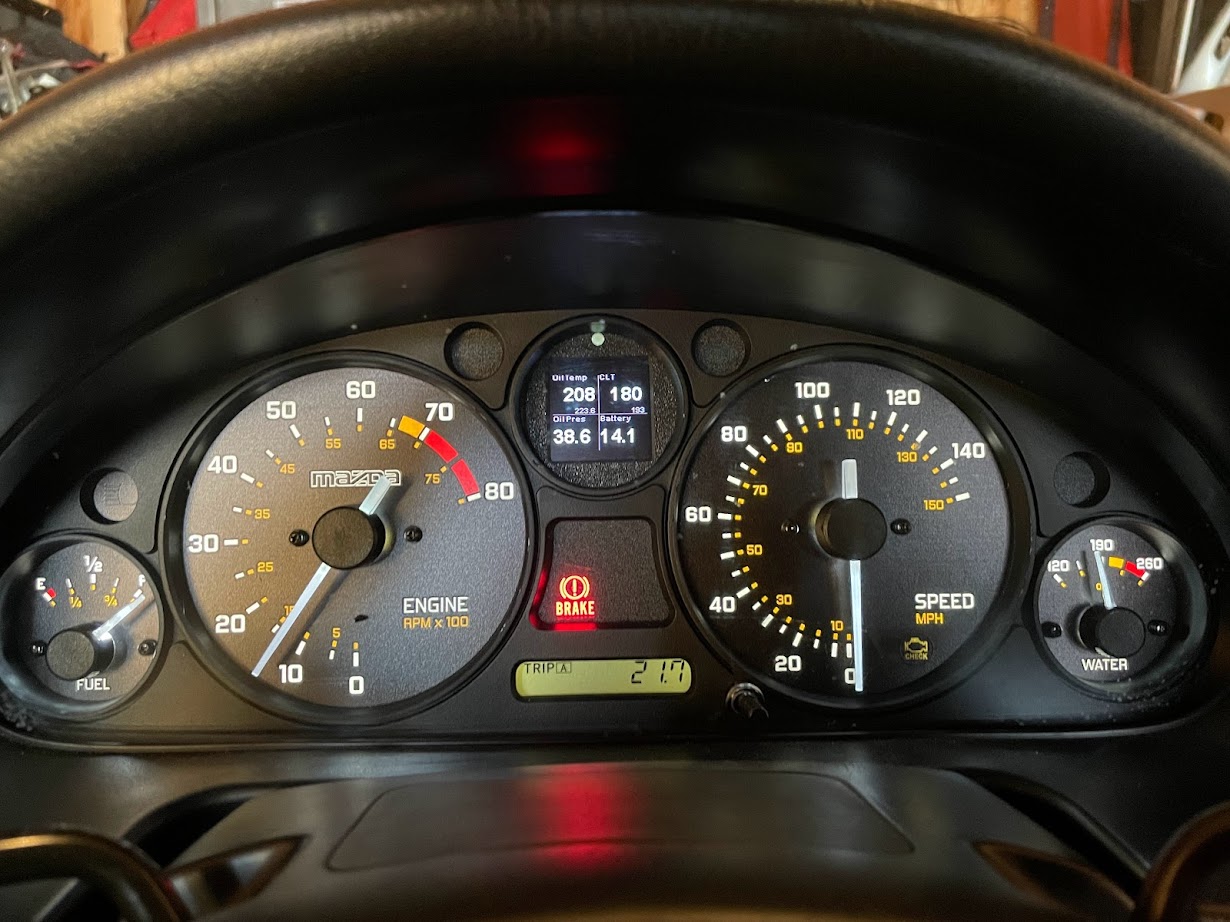
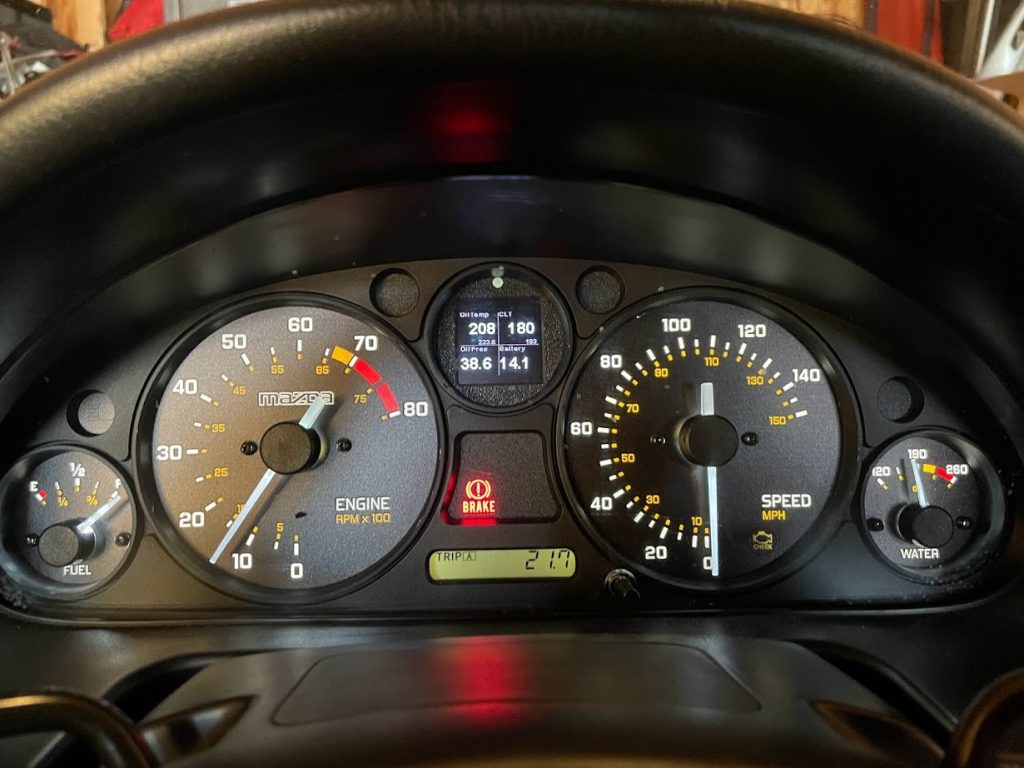
The emergence of the CANchecked MFA 2.0 multifunction display offers a streamlined alternative by utilizing the factory real estate within the instrument cluster. Specifically designed to replace the largely ornamental oil pressure gauge, the MFA 2.0 is a high-resolution OLED/LCD unit that integrates directly into the cluster housing.
This device operates primarily through the Controller Area Network (CAN bus) protocol. Because the factory NB ECU does not natively output a high-speed CAN signal, this modification is typically paired with a standalone engine management system, such as a Megasquirt MS3 or Haltech Elite series. By tapping into the ECU’s digital output, the CANchecked display can cycle through dozens of parameters, including:
- Intake Air Temperature (IAT)
- Manifold Absolute Pressure (MAP/Boost)
- Ignition Timing
- Injector Duty Cycle
- Ethanol Content (for Flex-Fuel configurations)
- Battery Voltage
For users requiring data not present on the CAN bus, the MFA 2.0 features four dedicated analog inputs. These allow for the direct connection of 0-5V sensors, such as high-precision oil temperature and pressure transducers. This hybrid approach ensures that even vehicles with simplified electrical architectures can benefit from laboratory-grade data visualization.
Aesthetic Calibration with RevLimiter JNC Gauge Faces
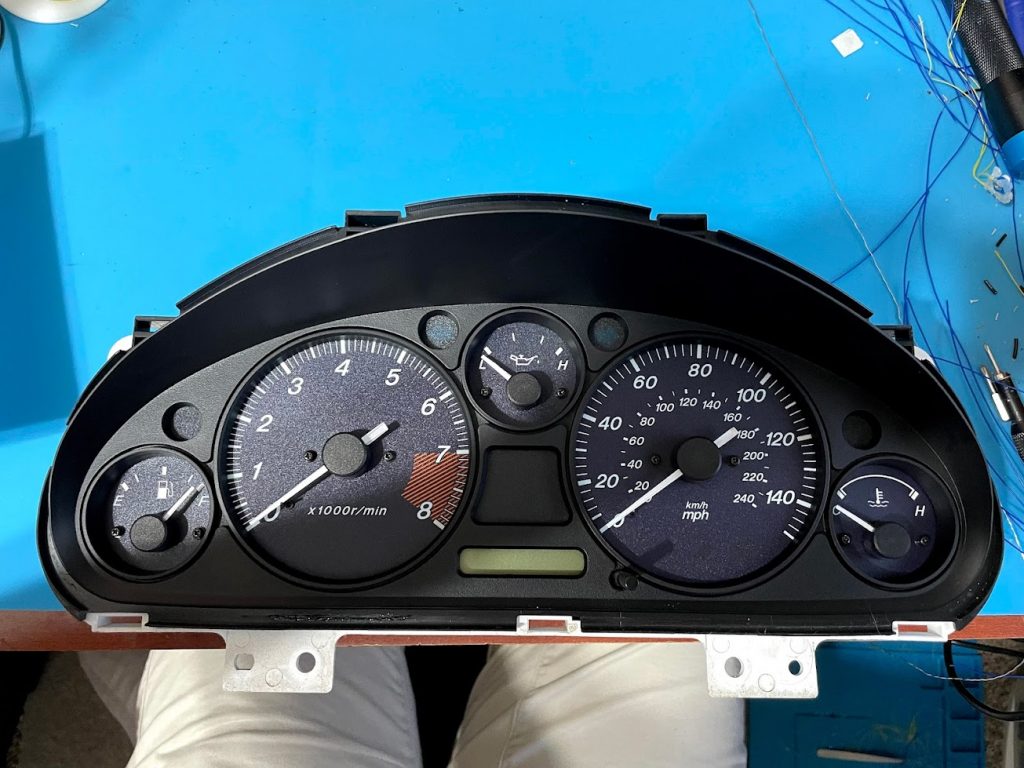
While the CANchecked unit addresses the need for digital precision, the remaining analog gauges—the tachometer and speedometer—often require an aesthetic and functional refresh to match the modern display. RevLimiter, a specialist in bespoke automotive instrumentation, has become the industry standard for this transition. The "JNC" (Japanese Nostalgic Car) design series is particularly notable for its homage to 1970s grand touring instrumentation, featuring clean typography and high-contrast markings.
The manufacturing process for these faces involves multi-layer polycarbonate printing, which exceeds OEM durability standards. Unlike the factory green-tinted illumination, RevLimiter faces allow for the use of high-output white LEDs. This upgrade significantly improves legibility during night driving and reduces eye strain. The installation process requires the precise recalibration of the needle pointers, a task that demands a steady hand and a controlled environment to prevent dust intrusion behind the cluster lens.
Chronology of a Professional Gauge Overhaul
The transformation of a standard NB Miata cockpit typically follows a structured timeline to ensure electrical and mechanical reliability:
- Phase I: Sensor Installation (Hours 1–4): Technicians install dedicated oil pressure and temperature sensors, often using a sandwich plate at the oil filter housing.
- Phase II: ECU Configuration (Hours 5–6): The standalone ECU is programmed to broadcast the required data over the CAN bus at the correct baud rate (typically 500kbit/s or 1Mbit/s).
- Phase III: Cluster Disassembly (Hours 7–9): The instrument cluster is removed from the dashboard. The factory oil pressure gauge is unbolted, and the CANchecked screen is secured in its place.
- Phase IV: Face Replacement (Hours 10–12): The factory faces are peeled away, and the RevLimiter JNC faces are applied. LED bulbs are swapped to ensure uniform backlighting.
- Phase V: Calibration and Testing (Hours 13–15): The cluster is temporarily reconnected to verify needle accuracy against GPS speed and ECU-reported RPM. The CANchecked display is configured with custom warning thresholds (e.g., a flashing red screen if oil pressure drops below 20 PSI at high RPM).
Data Analysis: The Impact on Driver Performance and Vehicle Longevity
The shift from vague analog "dummy" gauges to a consolidated digital/analog hybrid has measurable implications for vehicle management. In a racing environment, the cognitive load on a driver is immense. By consolidating up to six critical parameters into a single screen located directly in the driver’s line of sight, the time required for a "gauge sweep" is reduced by an estimated 40%.
Data from amateur racing series like Spec Miata and various endurance leagues suggest that early detection of thermal issues can save an engine from total failure 85% of the time. The CANchecked system’s ability to set visual alarms ensures that the driver is alerted to a problem even when focused on the racing line, a feature that traditional analog needles cannot replicate without complex external warning lights.
Broader Implications for the Automotive Aftermarket
The success of integrated displays like the CANchecked MFA 2.0 signals a broader trend in the automotive aftermarket: the "invisible" technology movement. Modern enthusiasts are increasingly moving away from the "Fast and Furious" aesthetic of the early 2000s—characterized by bulky, protruding gauges—toward a "Restomod" philosophy. This approach prioritizes maintaining the vehicle’s classic interior lines while hiding modern computational power beneath the surface.
As vehicles from the 1990s and early 2000s continue to rise in value, modifications that preserve the original dashboard’s integrity are expected to command a premium. The integration of digital telemetry into a 25-year-old chassis not only improves the driving experience but also future-proofs the vehicle for advanced data logging.
Future Outlook: Telemetry and GPS Integration
Looking ahead, the integration of the CANchecked system is often a precursor to full-vehicle telemetry. Many owners are now pairing these clusters with systems like the RaceCapture Pro, which combines CAN bus data with high-frequency GPS and 6-axis accelerometers. This allows for the overlay of engine data onto track maps, enabling drivers to analyze how oil pressure reacts to high-G cornering or how throttle position affects exit speeds.
The Mazda MX-5 NB, once limited by its simplistic 1990s electronics, is being transformed into a data-rich platform. Through the strategic application of CAN bus technology and high-quality aesthetic components, the gap between vintage roadster charm and modern racing precision continues to close, ensuring the NB remains a viable and safe competitor in the modern era of motorsport.