Retno Hari Mulyono
Background and Project Scope
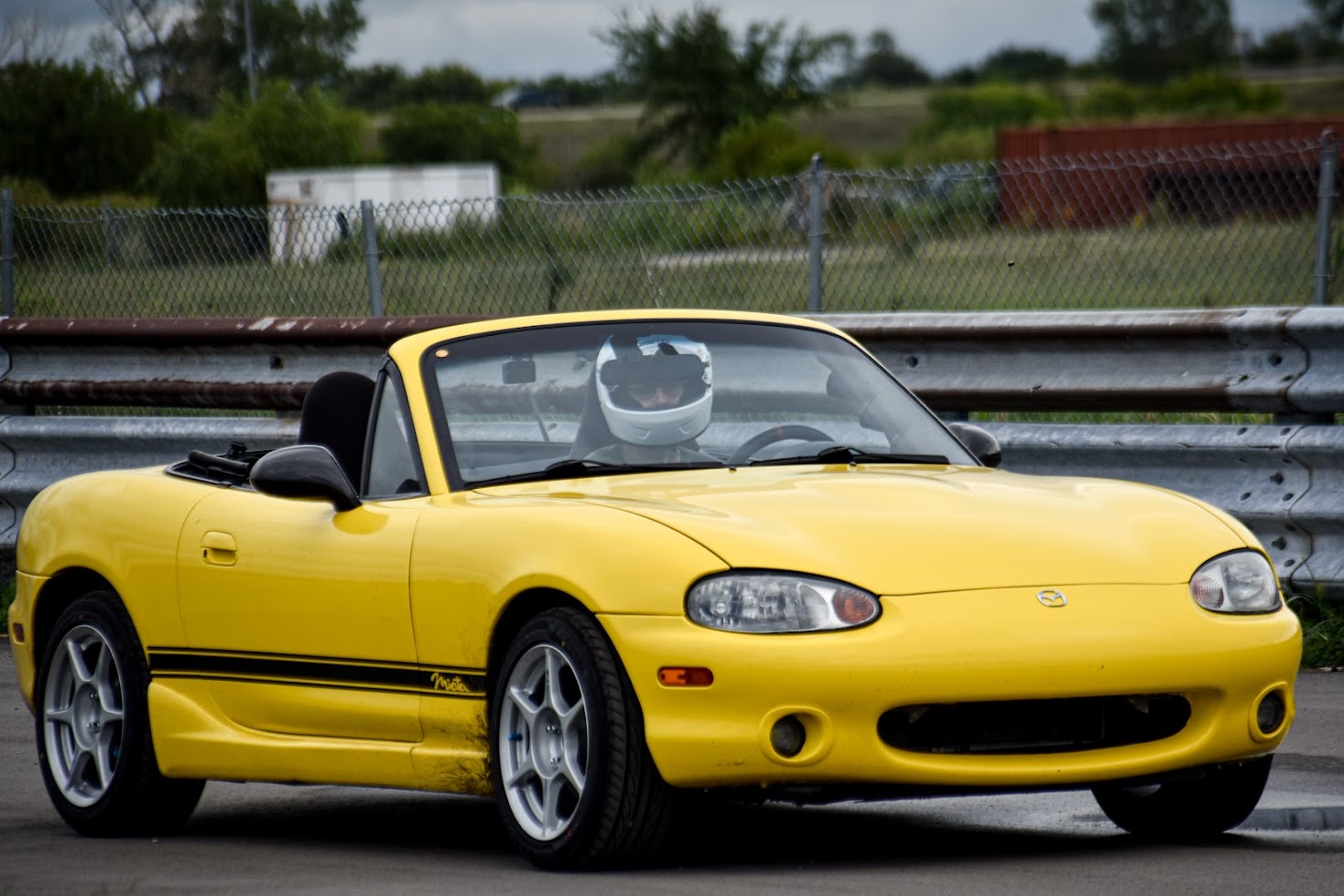
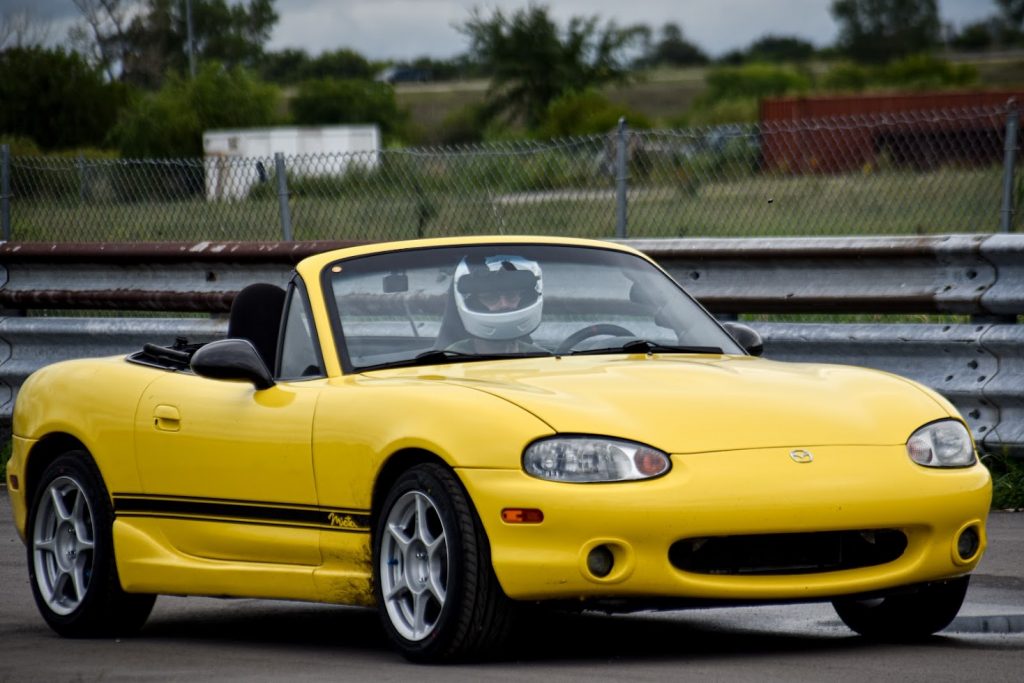
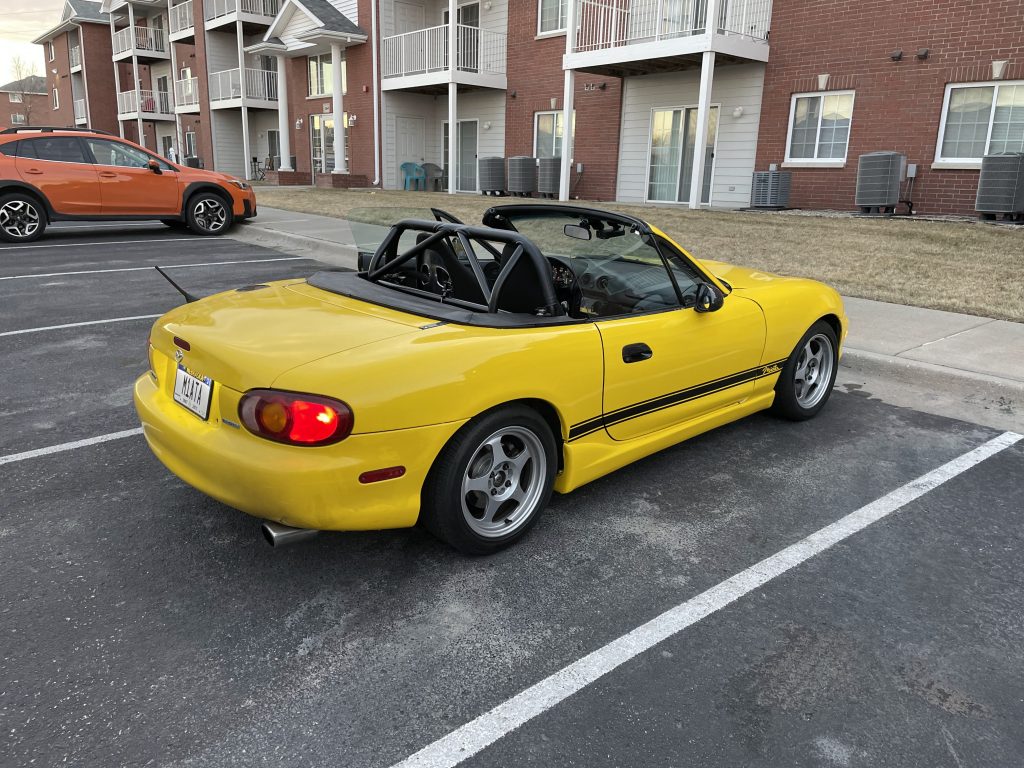
The Mazda MX-5 Miata, particularly the NB generation produced between 1999 and 2005, is celebrated in the automotive community for its lightweight chassis and balanced handling. However, as these vehicles surpass the two-decade mark, original equipment manufacturer (OEM) components—specifically rubber bushings and hydraulic dampers—frequently reach the end of their service life. For this specific NB Miata, which lacked a documented maintenance history, the objective was to establish a "baseline" of reliability and performance.
The project scope encompassed five primary areas: the replacement of control arm bushings, a complete front-end service involving ball joints and tie rods, the installation of high-capacity wheel hubs and bearings, a drivetrain upgrade to a Torsen limited-slip differential, and the fitment of track-grade coilovers. By addressing these components simultaneously, the project aimed to eliminate mechanical play in the suspension geometry and provide a stable platform for both daily commuting and competitive autocross or track events.
Precision Bushing and Front-End Refinement
A critical phase of the overhaul involved the removal of the factory rubber bushings in favor of IL Motorsports performance rubber bushings. These components are engineered to provide a significant increase in stiffness—comparable to the specialized Mazdaspeed competition bushings—without the harshness or maintenance requirements often associated with polyurethane alternatives. In the context of suspension tuning, stiffer bushings reduce "dynamic toe" and camber changes during high-load cornering, ensuring that the alignment settings remain consistent under duress.
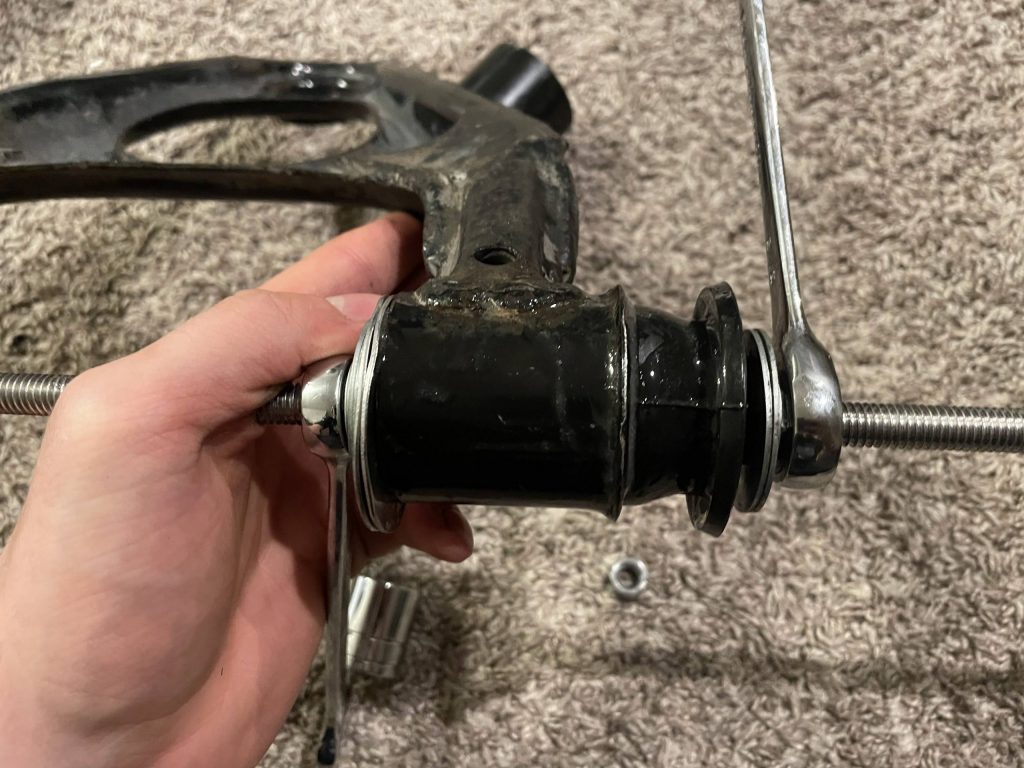
The installation process revealed the mechanical vulnerabilities of the NB chassis. While a hydraulic press is a standard tool for such tasks, the rear upper control arms proved susceptible to deformation under excessive pressure. To mitigate this, a specialized "threaded rod and washer" method was employed, which applies localized force to the bushing sleeve rather than the control arm’s structural body. This approach, widely advocated within the Miata tuning community, prevents the bending of the arm’s "ears."
Simultaneously, the front-end geometry was refreshed using a Supermiata service kit. This included new upper and lower ball joints and outer tie rod ends. These components are vital for maintaining steering precision; even microscopic amounts of play in a ball joint can lead to steering wander and inconsistent turn-in response. The use of high-quality aftermarket parts ensures that the vehicle can withstand the increased lateral G-forces generated by modern 200-treadwear performance tires.
Drivetrain Upgrade: The Torsen Differential Conversion
One of the most impactful mechanical changes was the removal of the factory 4.30 ratio open differential in favor of a Torsen Type 2 limited-slip differential (LSD). In a rear-wheel-drive vehicle, an open differential allows the wheel with the least traction to spin freely, which severely limits the ability to accelerate out of tight corners. The Torsen unit, a torque-sensing mechanical LSD, redirects power to the wheel with more grip, significantly improving corner-exit speeds and vehicle stability.
The acquisition of a 4.30 ratio Torsen unit is a notable development, as these specific units are in high demand due to their compliance with various racing classifications, including Spec Miata. The project involved migrating the Torsen internals into the existing aluminum carrier (often referred to as the "pumpkin"). During this transition, the factory rubber differential mounts were replaced with polyurethane bushings. These stiffer mounts reduce "wheel hop" and drivetrain lash, providing a more direct connection between the engine’s power delivery and the road surface.
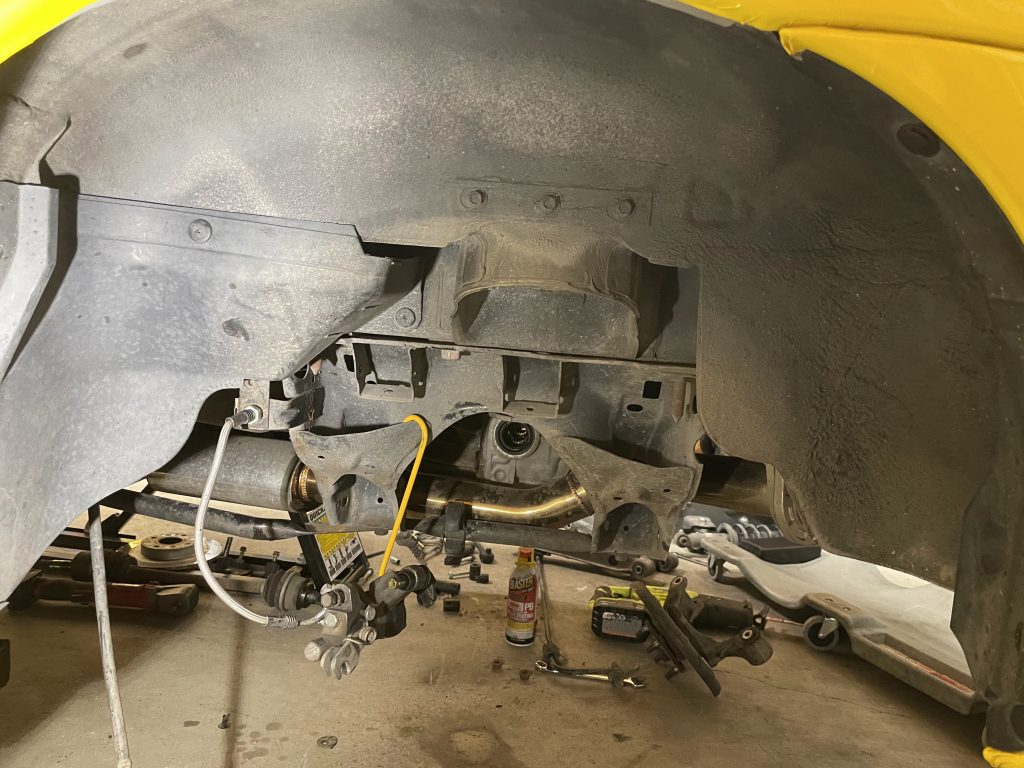
The technical execution of the differential swap highlighted common challenges with the Miata’s Power Plant Frame (PPF). The long bolts securing the PPF to the differential housing are notorious for seizing due to galvanic corrosion. Reports from the field suggest that high-torque impact wrenches or extended breaker bars are often required to break the initial bond, a reality that necessitated the replacement of several hardware pieces during this specific build.
Advanced Suspension Damping: The Xida Race System
The centerpiece of the suspension refresh is the installation of Supermiata Xida Race coilovers. These dampers represent a significant departure from entry-level "street" coilovers, utilizing sophisticated valving designed to balance high spring rates with ride quality. The configuration selected for this vehicle features 800 lbs/in front springs and 500 lbs/in rear springs, augmented by helper springs to maintain tension during full suspension extension.
The Xida system is designed to provide a lower center of gravity while maintaining sufficient suspension travel to absorb mid-corner bumps. Initial data indicates that even at the maximum height setting, the NB Miata sits approximately 0.5 to 0.75 inches lower than the factory ride height. This reduction in height, combined with the significantly higher spring rates (the stock NB rates are approximately 156 lbs/in front and 97 lbs/in rear), drastically reduces body roll and pitch during braking and acceleration.
From a journalistic perspective, the choice of Xidas reflects a growing trend among enthusiasts to invest in "high-end" damping. While cheaper alternatives exist, the ability of the Xida valving to manage 800-pound springs on public roads without inducing "bounciness" is a testament to modern shock absorber technology. This allows the vehicle to function as a "dual-duty" machine—capable of driving to the track, competing, and returning home in relative comfort.
Reliability Enhancements: Hubs and Bearings
Recognizing that wheel hubs are a known failure point on Miatas subjected to track use, the project included the installation of new Centric front hubs and rebuilt rear knuckles from Treasure Coast Miata. Under the heat and load of track driving, the grease in factory bearings can break down, leading to hub failure and, in extreme cases, the loss of a wheel.
By installing fresh hubs and bearings, the project establishes a known service interval. While the parts used were standard OEM-style replacements rather than heavy-duty "billet" aftermarket units, they provide a necessary margin of safety for a vehicle transitioning from a casual commuter to a performance-oriented machine. This proactive replacement strategy is a hallmark of professional-grade vehicle preparation, prioritizing safety and reliability over purely aesthetic modifications.
Technical Chronology and Challenges
The overhaul followed a logical progression designed to minimize vehicle downtime:
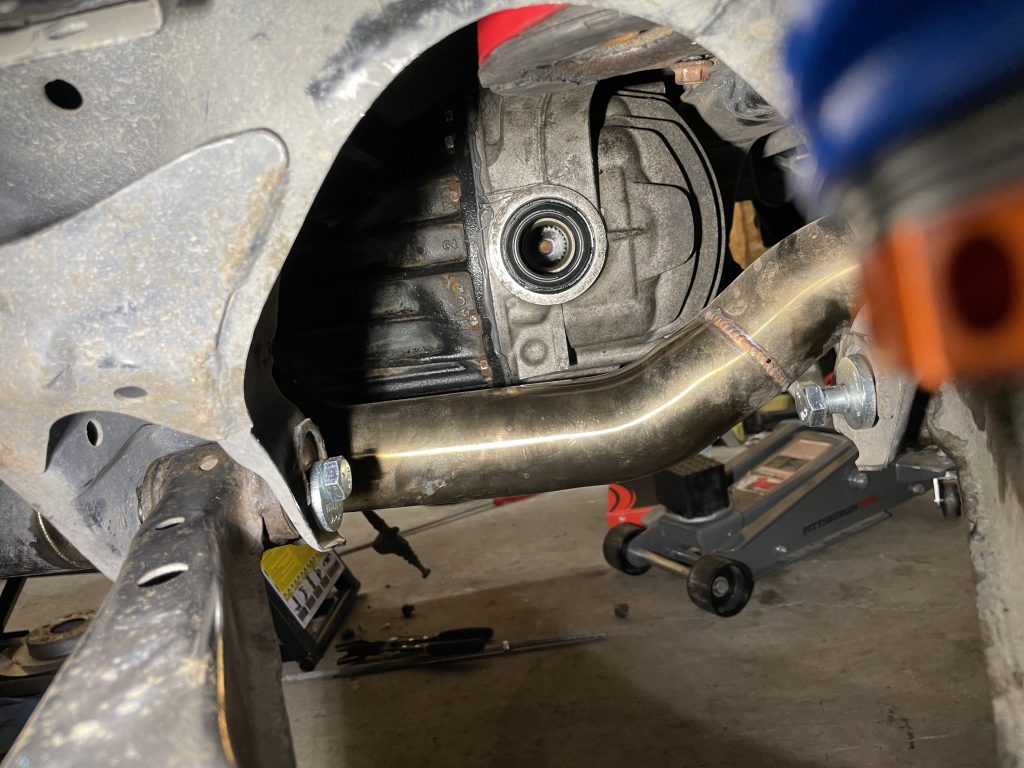
- Disassembly: Full removal of front and rear suspension corners, including control arms, knuckles, and the differential.
- Extraction: Removal of 20-year-old bushings and seized bolts, notably the "long bolt" connecting the rear lower control arm to the knuckle.
- Preparation: Cleaning and inspecting control arms for cracks or stress fractures before pressing in new IL Motorsports bushings.
- Drivetrain Assembly: Swapping the Torsen LSD into the carrier and installing polyurethane mounts.
- Reinstallation: Fitting the refreshed arms, new hubs, and Xida coilovers, followed by the installation of the differential and PPF.
The primary obstacles encountered were environmental and mechanical. Nebraska’s climate contributed to minor corrosion on underside components, making the removal of cotter pins and alignment bolts a labor-intensive process. The failure of the hydraulic press on the rear upper control arm served as a critical learning point, emphasizing that "more force" is rarely the solution in delicate suspension work.
Analysis of Implications and Broader Impact
The results of this comprehensive refresh extend beyond simple maintenance. By replacing every wear item in the suspension system, the vehicle’s handling has been transformed from "floaty" and "unsafe at high speeds" to "smooth and stable." The reduction in body roll through stiffer springs and the improved power delivery via the Torsen differential have elevated the NB Miata’s performance envelope to modern standards.
This project serves as a case study for the "refresh before you upgrade" philosophy. Many enthusiasts install expensive coilovers on top of worn-out bushings and ball joints, which often masks the true potential of the aftermarket parts. By addressing the foundation—the bushings and joints—the owner ensured that the Xida coilovers could perform their intended function without interference from mechanical play.
Furthermore, the decision to retain stock sway bars for the initial testing phase demonstrates a calculated approach to suspension tuning. By observing the impact of the increased spring rates first, the owner can later determine if a larger front sway bar is necessary to fine-tune the car’s balance. This incremental approach prevents "over-stabilizing" the car, which can sometimes lead to a loss of independent suspension benefits on uneven surfaces.
In conclusion, the suspension overhaul of this NB Mazda Miata represents a meticulous blending of restorative maintenance and performance engineering. It highlights the necessity of addressing the "unseen" components of a chassis to achieve a truly cohesive driving experience. As the vehicle moves toward its first track season post-refresh, the data gathered from its performance will likely validate the investment in high-quality components and the rigorous attention to mechanical detail.