 Retno Hari Mulyono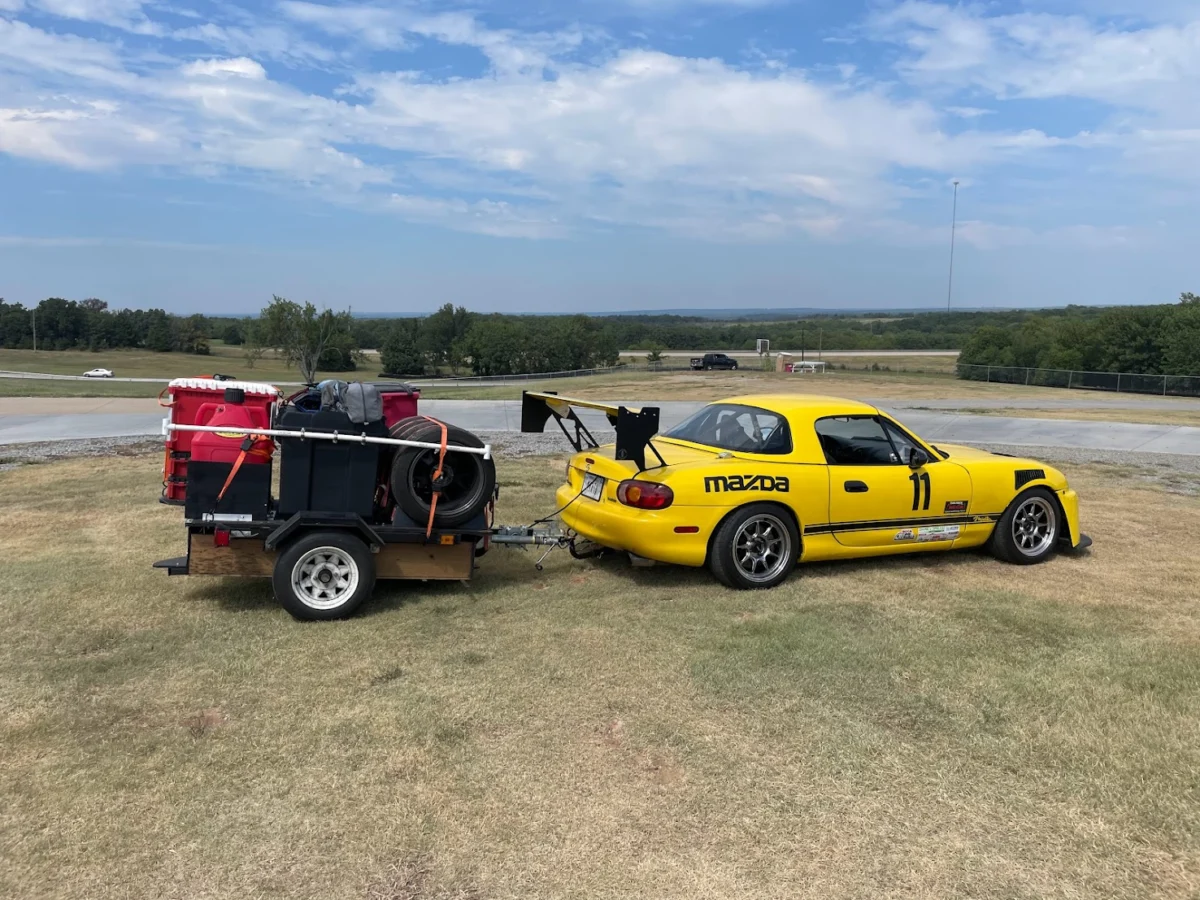
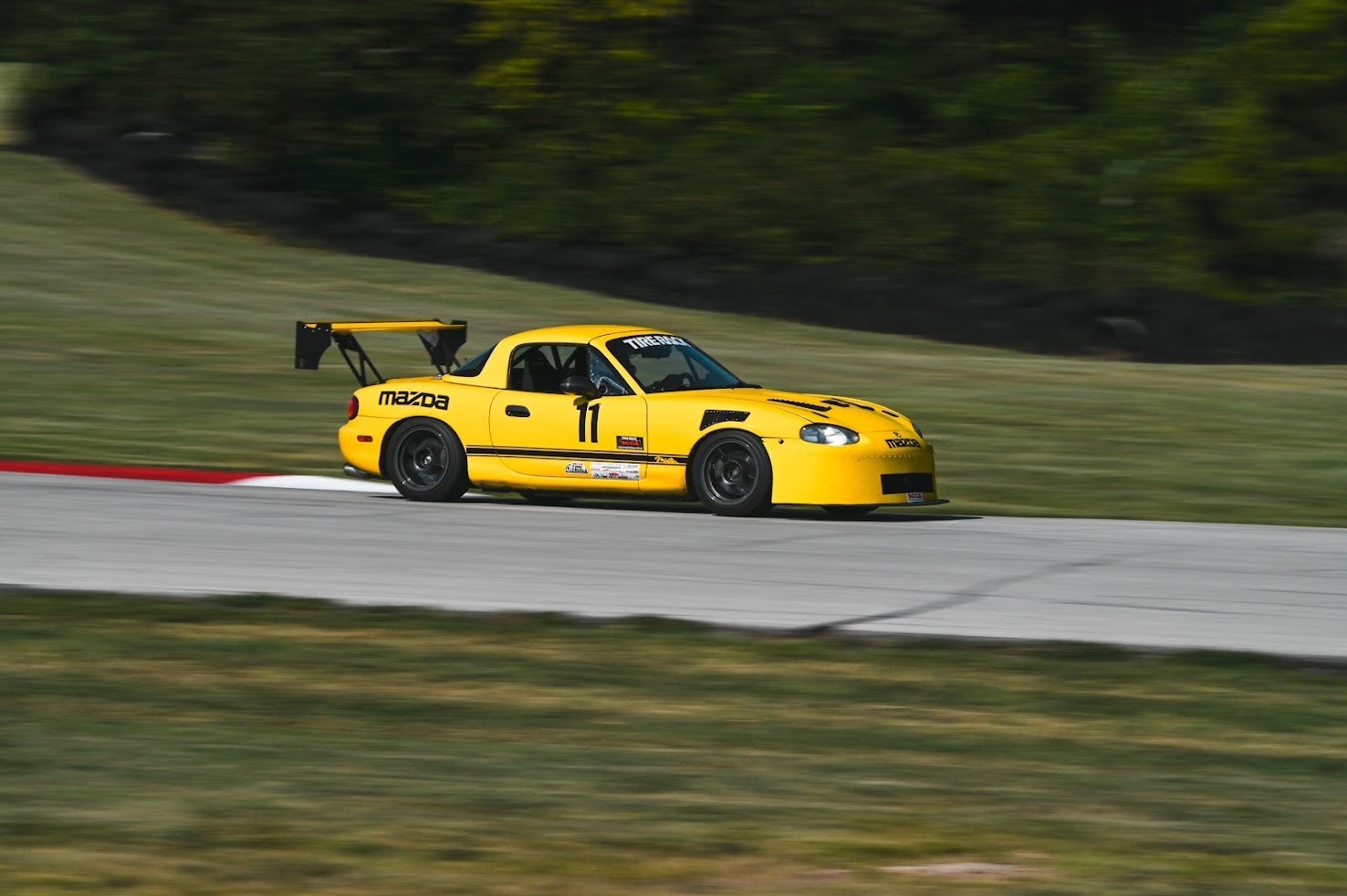
The automotive enthusiast community often measures vehicle ownership not merely in calendar years or odometer readings, but in the evolution of modifications, track hours logged, and the relentless pursuit of mechanical optimization. Marking three years of continuous ownership, the proprietor of a well-traveled second-generation (NB) Mazda MX-5 Miata has documented a rigorous 12-month period spanning March 2023 through February 2024. This operational timeline captures an intensive motorsports schedule characterized by competitive SCCA Time Trials, local autocross campaigns, strategic aerodynamic enhancements, powertrain maintenance, and weight-reduction regimens. Far from a garage queen, this iconic roadster serves as a dedicated dual-duty machine, navigating regional racing circuits while undergoing continuous mechanical refinement.
Chronology of the 2023-2024 Campaign: Track Days and Modifications
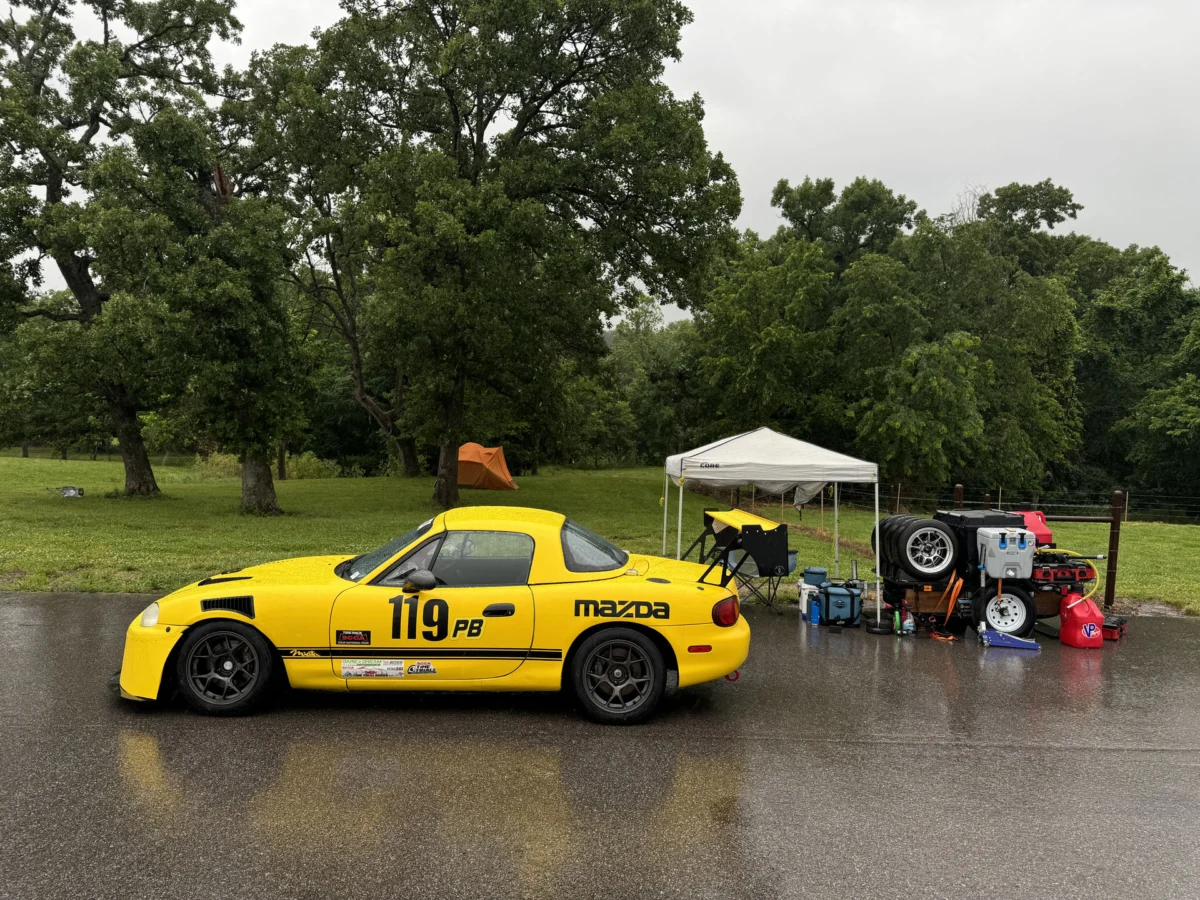
The documented annual cycle commenced in March 2023 with logistical improvements designed to streamline transport logistics for weekend track events. Following the 2022 fabrication of a custom tire trailer intended for hauling extra rubber and paddock supplies, the builder engineered a significant structural overhaul. A lower deck was integrated, descending just below the axle line to lower the center of gravity and increase cargo capacity. Further utility enhancements included the transition from dual five-gallon fuel jugs to a single, high-capacity 15-gallon fuel container. Additionally, the trailer received a dedicated under-mounted chassis provision to securely store a spare front splitter, alongside a specialized cylindrical transport tube engineered to accommodate varying sizes of aerodynamic wing gurney flaps.
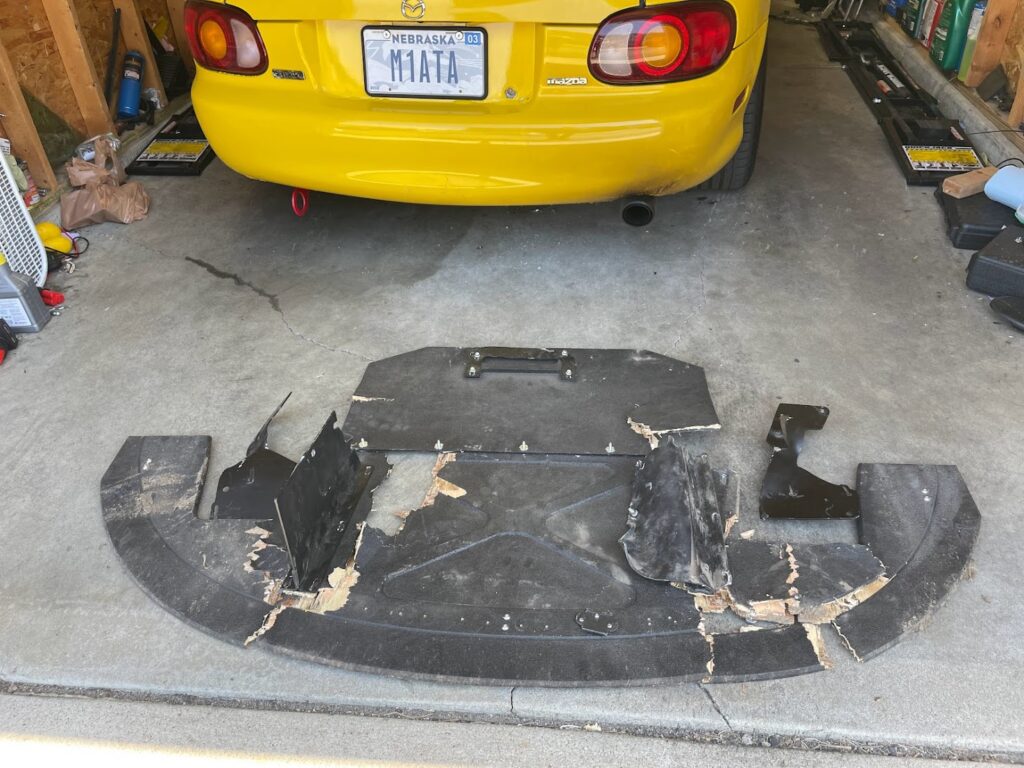
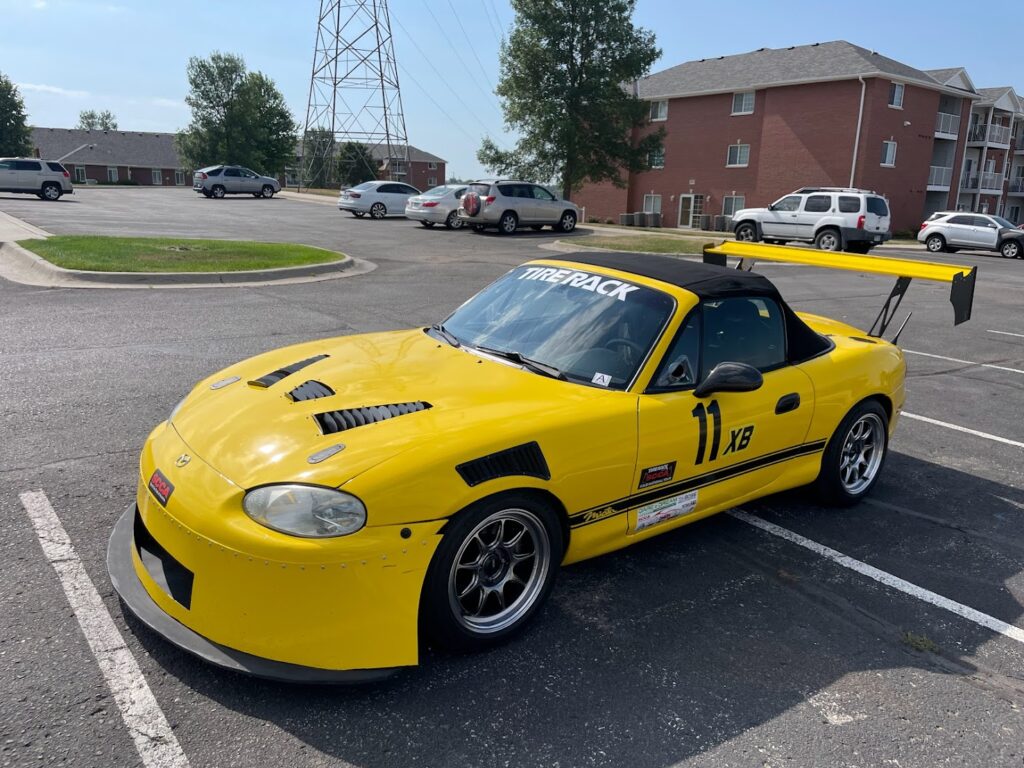
The onset of the competitive season in April 2023 introduced immediate mechanical hurdles following the winter installation of a Nine Lives Racing medium-downforce aerodynamic package. During the initial push lap of the season’s premier track day at an aggressive high-speed corner, an over-enthusiastic entry trajectory resulted in an off-track excursion. The resulting impact severely compromised the front splitter, bending both the mounting brackets and the underlying radiator support structure. Demonstrating resilience typical of grassroots endurance racers, the driver completed the remainder of the Friday track day without front aerodynamic assistance, utilized a stock front fascia for Saturday’s local autocross event, and fabricated an interim replacement splitter out of quarter-inch plywood for Sunday’s competition.
This incident prompted the standardization of spare aerodynamic components, leading to the permanent carriage of a backup splitter beneath the tire trailer. That foresight proved invaluable shortly thereafter when a highway infrastructure pothole at an incoming circuit paddock boundary cracked a newly installed unit. Ultimately, the development cycle settled on a robust half-inch plywood splitter reinforced with specialized side supports, providing adequate structural integrity to withstand routine track scraping and high-speed aerodynamic loads.
Expanding Circuit Horizons and Operational Milestones
May 2023 marked the vehicle’s debut at the Sports Car Club of America (SCCA) Time Trials held at Heartland Motorsports Park. Running on a newly adopted tire configuration—225/45R15 Falken RT660 compound rubber mounted on 15×9-inch wheels—the vehicle aimed to improve upon the traction limits of the Hankook RS4 tires utilized throughout the previous season. Tragically, this event carried historical significance as one of the final competitive weekends hosted at Heartland Motorsports Park. At the conclusion of the 2023 racing season, the facility ceased operations following prolonged tax disputes involving ownership, resulting in the judicial auctioning of the property and leaving the regional motorsport community without an established venue.
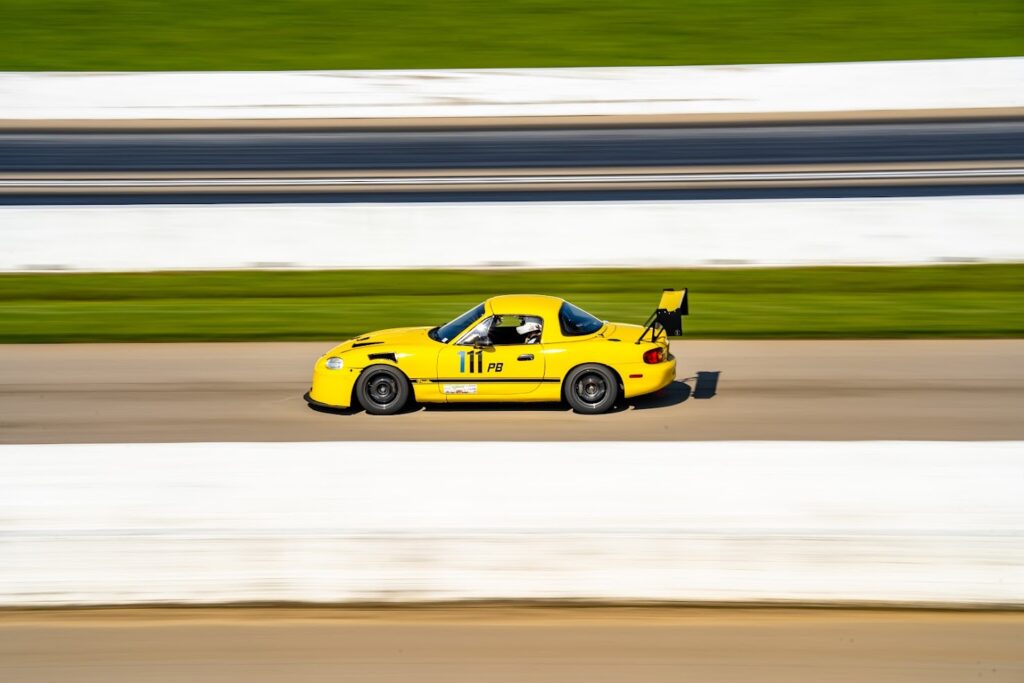
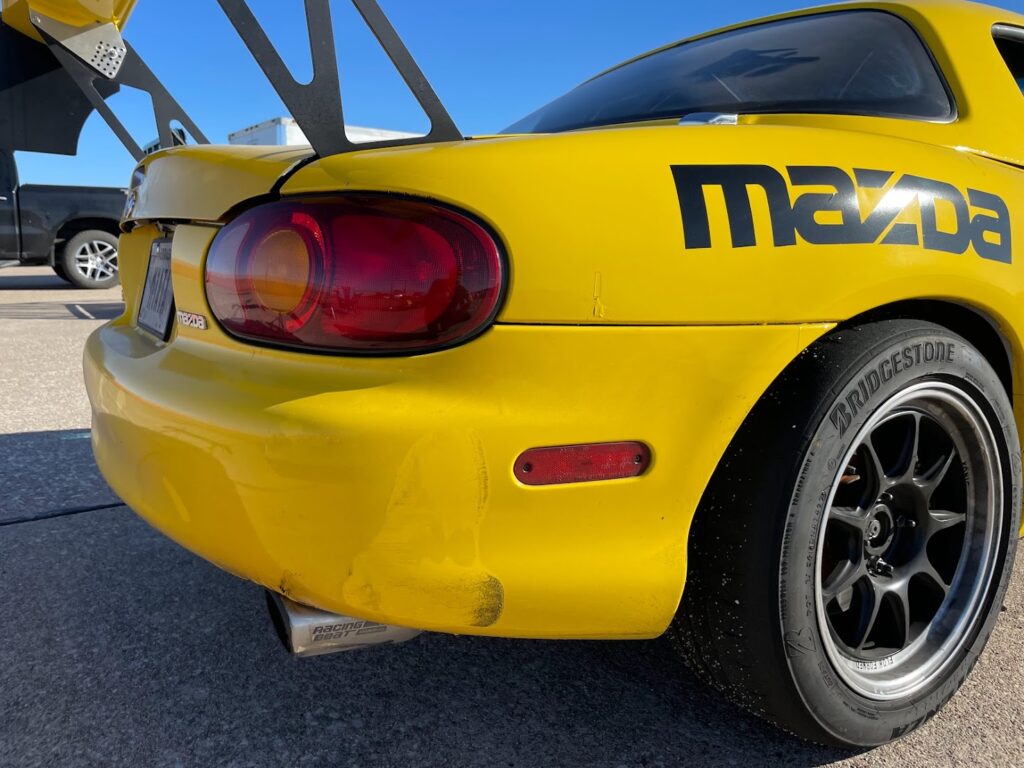
In June 2023, structural efficiency superseded comfort as the soft-top convertible mechanism was permanently excised from the chassis. Telemetric and aerodynamic evaluations indicated that the rear wing assembly required a rigid surface enclosure to maximize downforce generation efficiently. Recognizing that the vehicle operated almost exclusively with a hardtop installed in conjunction with the aerodynamic wing, the soft top was removed to shed parasitic weight. Secondary advantages included marginally expanded rear cabin storage access and simplified direct mechanical access to the vehicle’s fuel pump assembly without requiring the removal of the hardtop.
July brought a new technical challenge during transit to an autocross event, where early signs of clutch slippage emerged. Faced with an impending debut at the challenging Ozarks International Raceway the following weekend, time constraints precluded the procurement of specialized performance clutch components. A standard, off-the-shelf organic replacement clutch was hastily sourced and installed. Despite the temporary nature of the drivetrain component, the vehicle successfully navigated the undulating topography of Ozarks International Raceway. Characterized by relentless elevation changes, blind apexes, and perimeter barriers situated perilously close to the tarmac, the circuit demanded immense driver discipline. Although conservative lap times were recorded to ensure the vehicle could safely drive home, telemetry indicated significant untapped performance potential awaiting future deployment.
Expanding the Circuit Portfolio: Hastings and Hallett
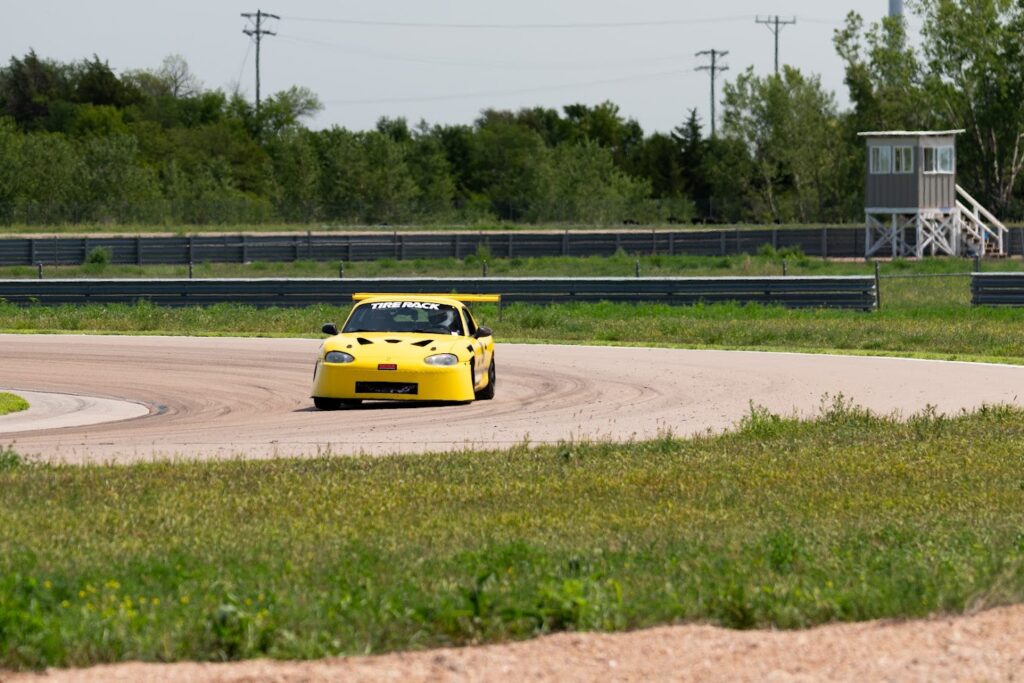
August 2023 saw the Miata return to Motorsports Park Hastings for multiple SCCA Time Trials events. Through progressive data analysis and line optimization, the driver logged a competitive personal best lap time of 1:42.78. For contextual comparison, National Auto Sport Association (NASA) Spec Miata benchmarks stand at 1:40.415, while higher-tier Time Trials classifications (TT6/TT5) record times of 1:39.625 and 1:34.110, respectively. Analysis highlighted turn three—the very high-speed right-hand sweeper responsible for the early-season splitter failure—as the primary zone where confidence and cornering velocity could be elevated to approach full-throttle execution.
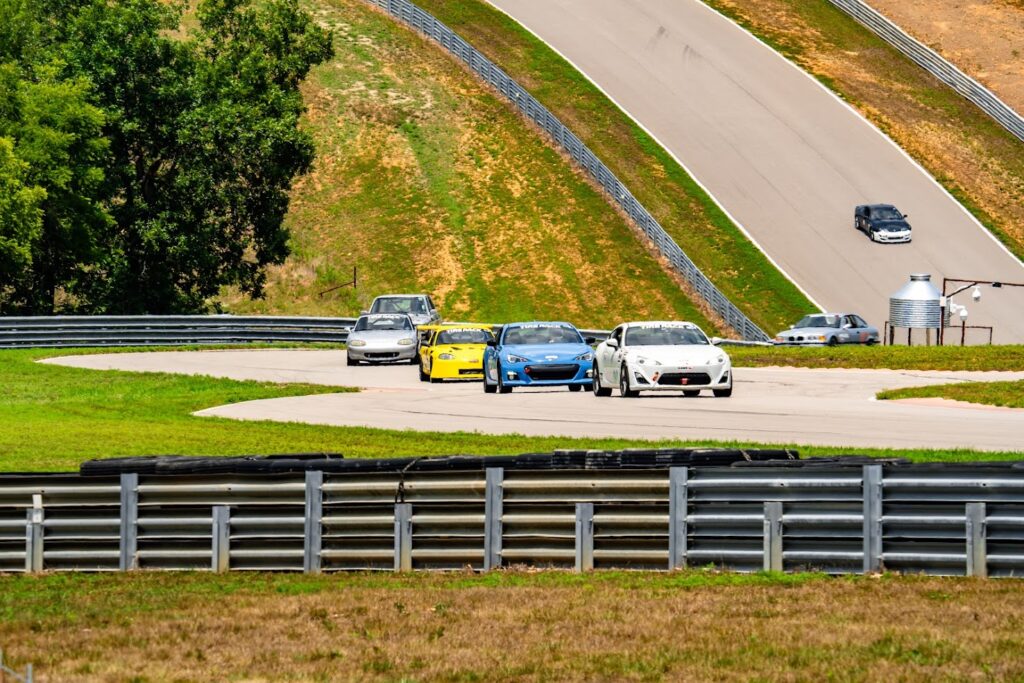
September featured an appearance at the annual "Miatas at Hallett" event at Hallett Motor Racing Circuit in Oklahoma. Experiencing the short, technical course running in alternating directional configurations provided a stark contrast to previous venues. Unlike the unforgiving confines of Ozarks International Raceway, Hallett offered more forgiving run-off areas and traditional straightaways, allowing for rapid track mastery.
Crucially, September marked the integration of a Cool Shirt driver-cooling system. Given the intense cabin temperatures experienced during competitive summer events and strict safety regulations mandating full-coverage driving suits, thermal fatigue historically limited driver stamina. The addition of a circulating iced-water cooling vest eliminated heat stress, proving instrumental in maintaining consistent lap-time execution over multi-lap sessions.
Powertrain Maintenance and Winter Overhaul Strategies
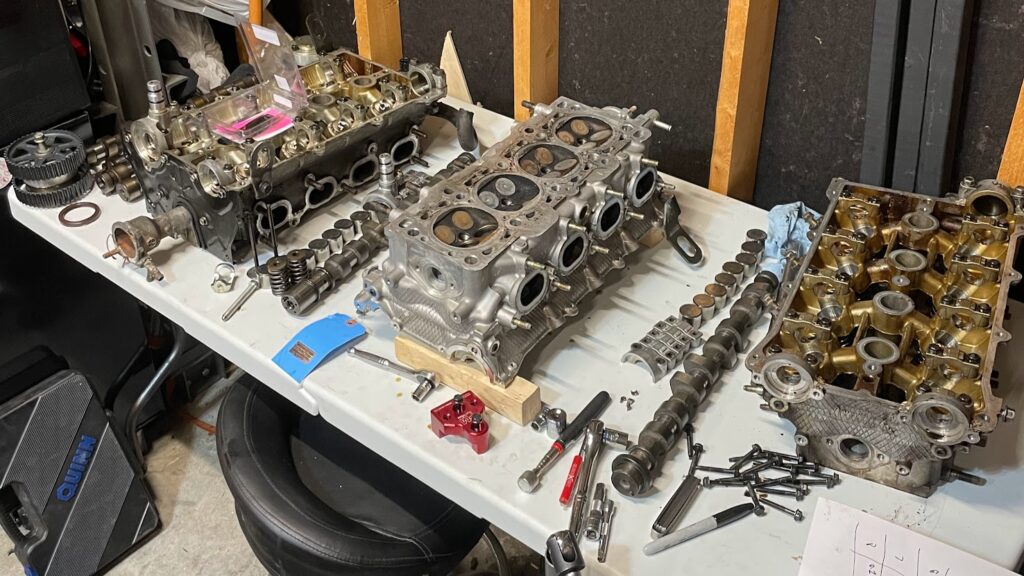
As the 2023 season wound down in October, attention shifted toward the vehicle’s internal combustion architecture. The factory-original BP4W engine remained operational but exhibited classic high-mileage symptoms, including oil consumption near redline and pronounced exhaust smoking during warm engine deceleration. Over the preceding years, the owner had amassed a collection of replacement powerplants, including two BP4W blocks, one BP6D block, and a spare BP6D cylinder head.
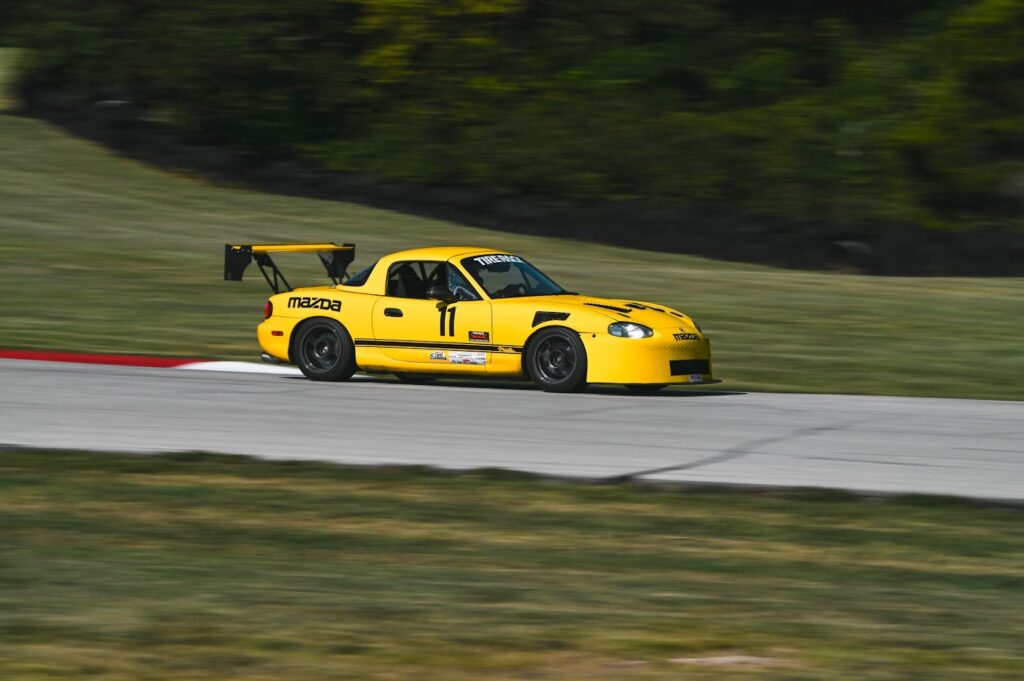
Inspection of the primary spare BP4W motor revealed severely worn valve seats and negative valve clearance, with several exhaust valves displaying structural chipping. Conversely, the bottom end retained structural integrity. Rather than awaiting machine shop turnaround for a dedicated BP6D block, the owner executed an interim internal rebuild utilizing the freshly machined BP6D cylinder head, upgraded BP6D pistons, and a refreshed BP4W bottom end assembled locally.
November signaled the conclusion of the active racing calendar, closing out a heavy competitive ledger that included 15 distinct autocross events (totaling 15 active days) and 15 dedicated circuit track days. Tire longevity data compiled across the season demonstrated exceptional durability: Bridgestone RE71-RS autocross tires endured 17 events (approximately 70 competitive runs) before tread depletion, while Falken RT660 track tires accumulated approximately 8.5 hours of operating time across 38 heat cycles prior to retirement. Planning for the subsequent season included scheduled transitions to Yokohama A052 and Nankang CRS v2 compounds to evaluate performance differentials.
Weight Reduction and Ergonomic Refinements
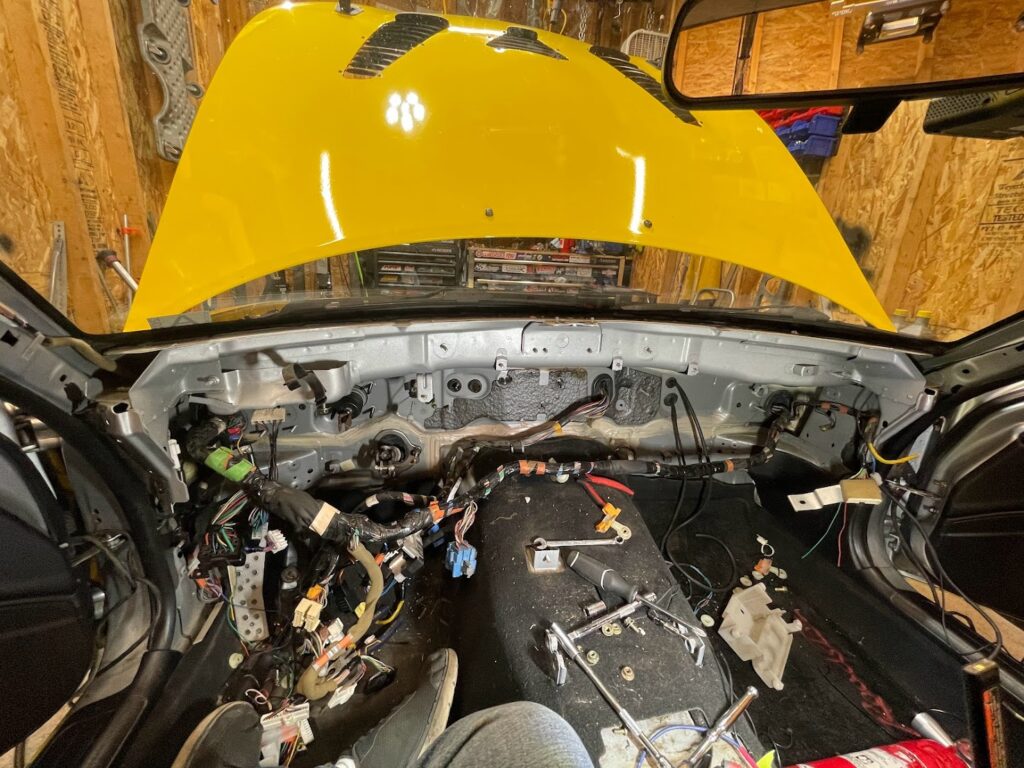
The winter period of December 2023 through February 2024 was dedicated to chassis mass reduction and ergonomic optimization. Operating within SCCA Time Trials power-to-weight classifications, competitive viability demanded either significant horsepower increases or targeted weight shedding. A comprehensive interior diet—including dashboard wiring harness consolidation and unnecessary bracket removal—successfully excised approximately 50 pounds from the chassis.
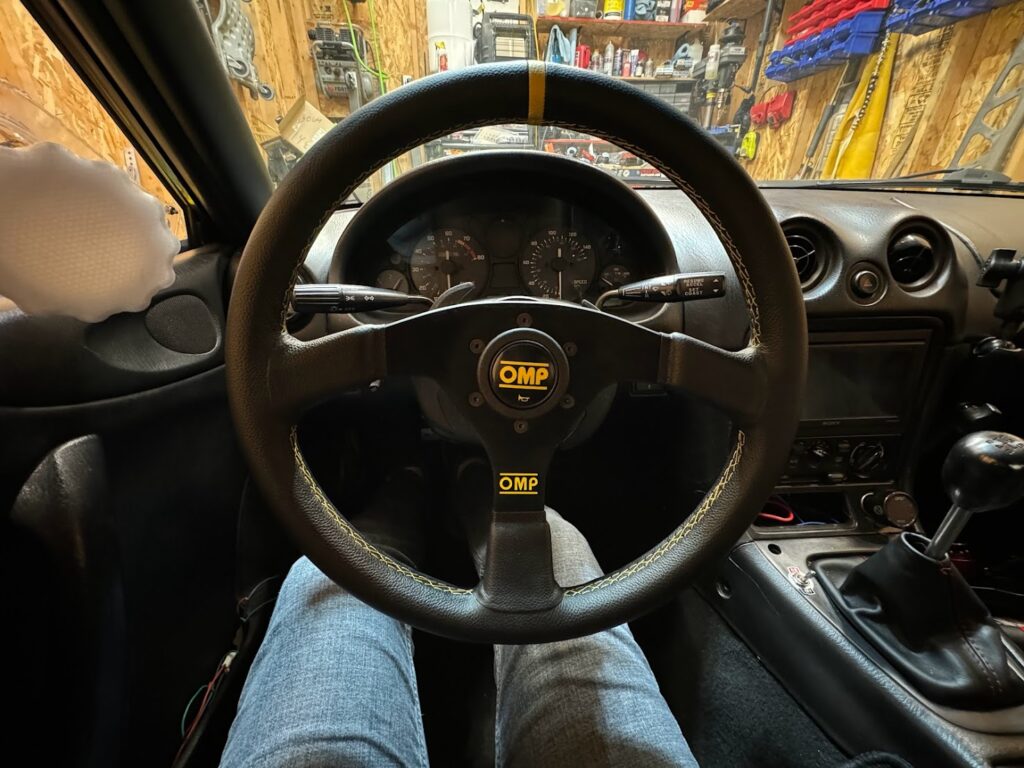
Further ergonomic modifications in January included the installation of a flat 330mm OMP steering wheel mated to a quick-release hub. While sacrificing the factory Supplemental Restraint System (SRS) airbag, the quick-release mechanism improved driver ingress and egress—a critical factor given the physical constraints of racing harnesses and HANS devices—while concurrently reducing steering column weight and improving footwell accessibility.
Finally, February resolved a long-standing logistical dilemma regarding the Cool Shirt system. Previously secured via ratchet straps to the passenger seat—thereby precluding passenger ride-alongs—the cooling reservoir was permanently relocated to the trunk. Utilizing lightweight aluminum angle stock welded with Alumaweld and bolted directly to the trunk floor, a sturdy, custom-fabricated mounting bracket was successfully deployed at a fraction of the cost of commercial alternatives.
Implications and Future Outlook
Concluding three consecutive years of intensive development, the NB Mazda Miata stands as a testament to the viability of grassroots, dual-purpose track preparation. Having logged competitive appearances across five states and multiple technical circuits, the vehicle represents a highly balanced equilibrium of suspension tuning, aerodynamic downforce, and reliability.
While the chassis currently punches above its weight class in cornering velocity, future developmental horizons point inevitably toward forced induction or displacement optimization to capture the upper limits of its competitive Time Trials class. For the present, however, the machine remains an optimized naturally aspirated platform, meticulously tuned for driver feedback, endurance, and relentless tarmac engagement.